
Dark Prince: The True Story of Dracula 2000


Directed by

Joe Chappelle
Made by

The Kushner-Locke Company
Where to Watch Dark Prince: The True Story of Dracula
See current US streaming, rental, and purchase options for Dark Prince: The True Story of Dracula (2000) via JustWatch.

Amazon Prime Video
HD
Amazon Prime Video with Ads
HD
Cineverse Amazon Channel
SD
Philo
HD
Screambox Amazon Channel
SD
Fawesome
HD
Amazon Prime Video Free with Ads
HD
Plex
HD
Plex Channel
HD
The Roku Channel
HD
Tubi TV
SD
Amazon Video
SD Streaming availability powered by 
Dark Prince: The True Story of Dracula Plot Summary
Read the complete plot summary and ending explained for Dark Prince: The True Story of Dracula (2000). From turning points to emotional moments, uncover what really happened and why it matters.
Dark Prince: The True Story of Dracula reimagines the life of Vlad Dracula, Rudolf Martin the historical figure who gave Bram Stoker’s Dracula his name. Vlad is a dispossessed noble and a steadfast patriot who fights the Turkish occupiers, determined to avenge his father’s murder by Romanian nobles and the Ottoman sultan’s capture of his brother. His fierce resolve sets him on a hard path: rallying resistance, reclaiming his homeland, and shaping a brutal response to those who stand in the way of his people. With the conflict intensifying, Vlad and his growing band of followers push back against an occupying power and a cohort of Romanian boyars who have aligned with the invaders, a struggle that hinges on loyalty, blood, and the harsh realities of power.
The alliance that helps Vlad tilt the balance comes from a formidable ally, the King of Hungary, Roger Daltrey. With the king’s backing, Vlad and his men strike at the occupying Turks and the turncoat Romanian boyars, carving out a precarious throne in Wallachia. The film even treats the historical setting with a touch of irony, naming the region simply as “Romania” in a way that underscores the mythic retelling of his life. This ascent is not merely military; it’s a dramatic collision of honor, vengeance, and the burden of leadership as Vlad seeks to defend his people against outside control and internal betrayal.
Lidia, Vlad’s bride, Jane March, enters the story as a witness to Vlad’s darker, more brutal acts. She discovers the extent of his retribution toward enemies and is horrified by the brutalities she encounters. Her fear and horror begin to erode her grip on reality, and she voices the torment of the dead as if they themselves speak to her. Vlad reluctantly banishes her to a convent, a decision he comes to regret, trying to mend the rift that tears at their family. Yet Lidia’s trauma does not end quietly; she ultimately takes her own life, leaving Vlad dispirited and his heart heavy as he faces the consequences of his choices and the heavy toll on their adolescent son.
Complicating Vlad’s story is the arrival of his brother, Michael Sutton as Radu, who leads a formidable Turkish invasion force. The coming of Radu intensifies the power struggle and forces Vlad to confront not only external enemies but also the fractures within his own family, adding a tragic dimension to a life defined by conquest and blood.
The narrative is framed as testimony, presented at a hearing about Vlad’s alliance with the Catholic King of Hungary. Through this lens, the film recounts the events, letting audiences weigh Vlad’s motives, his oath to defend Wallachia, and the consequences of aligning with foreign powers. The testimony culminates in his excommunication by the Orthodox Church, his assassination by Radu, and a haunting vision of Lidia calling his name that lingers in his memory.
In the aftermath, Vlad’s fate takes an otherworldly turn. Condemned by priests but unable to find a true resting place, he rises in a way that suggests eternal life beyond heaven and hell, opening the door to the very immortality the legend would come to symbolize. The film thus casts Vlad Dracula as a figure split between earthly reign and an enduring, shadowy legend, forever roaming the earth as a dark prince whose life inspired a timeless myth.
The cast surrounding this central arc adds texture and color to the saga. Claudiu Bleonț stars as Sultan Mohamed, presenting the Ottoman side of the struggle with a cold, calculating presence. The mystique and humanity of the era are further realized through Maia Morgenstern’s portrayal of a Woman at Fountain, Maia Morgenstern. The world he inhabits is populated by a chorus of nobles, priests, and soldiers, including Dan Bordeianu as Vlad III - Age 18, Dan Bordeianu, and Dan Badarau as Vlad Dracula’s Father, Dan Badarau. The film also weaves in other vivid figures such as Aron, played by Răzvan Vasilescu, and a Turkish emissary portrayed by Șerban Celea, enriching the political and supernatural texture of Vlad’s world. The spectrum of characters—from the courtly to the confronting—helps paint a sprawling, morally complex portrait of a man whose life became legend.
Overall, the film combines historical ambition with mythic revision, offering a cineaste’s portrait of a figure whose choices — framed by war, love, betrayal, faith, and ambition — still resonate as the stuff of legend. It asks what power costs, what loyalty means in a land torn by war, and whether a man who commands fear can also command redemption—or doom.
Dark Prince: The True Story of Dracula Timeline
Follow the complete movie timeline of Dark Prince: The True Story of Dracula (2000) with every major event in chronological order. Great for understanding complex plots and story progression.
Vlad Dracula rises as a dispossessed noble and patriot
Vlad Dracula is introduced as a dispossessed noble who fights for his country against the Ottoman occupation. He is driven by a desire to avenge his father's murder by Romanian nobles and the Ottoman capture of his brother. He frames his struggle as a patriotic duty to Wallachia and its people.
Hungarian king becomes Vlad's ally
The King of Hungary aligns with Vlad and offers support for his cause. With this backing, Vlad gains the means to organize resistance against the occupying Turks. The alliance marks a turning point in his bid to reclaim his throne.
Vlad's forces attack the Turks and win over Romanian boyars
Vlad and his men launch attacks against the occupying Turkish forces and win over turncoat Romanian boyars. The campaign aims to destabilize the Turkish grip on Wallachia and consolidate Vlad's position. The battles demonstrate his military resolve and political ambition.
Vlad seizes the throne of Wallachia
With military backing and political maneuvering, Vlad seizes the throne of Wallachia, taking control of the region referred to as Romania in the film. His ascent consolidates power after years of dispossession. The new ruler begins shaping Wallachia's future under his rule.
Lidia discovers Vlad's brutality and loses grip
Lidia learns what Vlad does to the bodies of his enemies and is horrified by the cruelty. The revelation unsettles her and she starts to deteriorate mentally, claiming to hear the voices of the dead. The emotional toll foreshadows the strain on their marriage.
Lidia banished to a convent
Vlad banishes Lidia to a convent, hoping to protect her from the violence of his world. He later regrets this decision and attempts to amend, but the damage has been done. The banishment isolates Lidia from Vlad and their family.
Lidia's suicide leaves Vlad dispirited
Lidia ultimately commits suicide, leaving Vlad dispirited and alone with their adolescent son. The tragedy deepens Vlad's sense of loss and burden. This event underscores the personal costs of his political and military struggles.
Radu arrives with a large Turkish invasion force
Vlad's brother, Radu, arrives at the head of a large Turkish invasion force, intensifying the conflict and threatening Vlad's hold on Wallachia. The dynamic between brothers adds a personal dimension to the war. It marks a turning point in Vlad's fragile rule.
The narrative is framed as evidence in a hearing
The film presents its events as evidence given at a hearing following Vlad's alignment with the Roman Catholic King of Hungary. The structure casts past actions as testimony rather than a straightforward narrative. This framing blurs fact and interpretation within Vlad's legend.
Vlad is excommunicated by the Orthodox Church
As the hearing unfolds, Vlad is excommunicated by the Orthodox Church. The condemnation underscores his isolation from both Heaven and Hell according to the film's framing. The spiritual judgment compounds the political and personal crises he faces.
Radu assassinates Vlad
Vlad's life ends when his brother Radu assassinates him, sealing his political downfall. The assassination unfolds amid the shifting loyalties of Wallachia and the enduring shadow of the Ottoman threat. Vlad's death closes a brutal chapter of his rule.
Vlad's vision, rise from the grave, and vampiric fate
Following his assassination, Vlad has a vision of Lidia calling his name. He is condemned by priests and rises from the grave, gaining eternal life as a vampire. He is now free to roam the earth, no longer bound by Heaven or Hell.
Dark Prince: The True Story of Dracula Characters
Explore all characters from Dark Prince: The True Story of Dracula (2000). Get detailed profiles with their roles, arcs, and key relationships explained.
Vlad III - Dan Bordeianu
Vlad is a dispossessed noble and patriot who fights Turkish occupation, seeks to avenge his father's murder, and seizes the throne with Hungarian support. His brutal methods and political savvy drive the plot, culminating in his assassination and a posthumous hint of immortality as a vampire-legend.
Lidia - Jane March
Vlad's bride who is horrified by the bodies Vlad leaves in his wake. Her sanity frays as she hears the voices of the dead, leading to banishment to a convent and ultimately suicide. Her perspective underscores the personal cost of Vlad's ascent.
King Janos - Roger Daltrey
King of Hungary and Vlad's ally, his support helps Vlad mobilize forces to attack the Turks. The alliance reflects the political calculus of the era and Vlad's reliance on external power to secure his claim.
Radu - Michael Sutton
Vlad's brother who arrives with a large Turkish invasion force, complicating Vlad's rule and contributing to the cycle of conflict. His arrival marks a pivotal shift in the balance of power and ultimately Vlad's downfall.
Vlad Dracula's Father - Dan Badarau
His murder by Romanian nobles becomes the catalyst for Vlad's vow of vengeance and his ruthless pursuit of power. The father's death sets the stage for the blood feud that drives Vlad's actions.
Sultan Mohamed - Claudiu Bleon
Ottoman ruler whose ambitions influence the war in Wallachia. His presence as an external force heightens the stakes of Vlad's bid for control and frames the Ottoman occupation as the central threat.
Dark Prince: The True Story of Dracula Settings
Learn where and when Dark Prince: The True Story of Dracula (2000) takes place. Explore the film’s settings, era, and how they shape the narrative.
Time period
15th century
Set in the late medieval Balkans during the 15th century, a period of fierce wars between Wallachia, the Ottoman Empire, and allied Hungarian forces. The era is defined by shifting loyalties, brutal executions, and religious tensions that frame Vlad's ascent and eventual downfall.
Location
Wallachia, Romania
The events unfold in Wallachia, a medieval principality in the Balkans. The region is under Turkish occupation during Vlad's rise to power. The story centers on the political intrigue among local nobles, the Hungarian king's alliance, and the looming threat from the Ottoman Empire.
Dark Prince: The True Story of Dracula Themes
Discover the main themes in Dark Prince: The True Story of Dracula (2000). Analyze the deeper meanings, emotional layers, and social commentary behind the film.
⚔️
Power
Vlad's rise to the throne is driven by ruthless campaigns and strategic alliances, highlighting how power is attained through conflict and coercion. The narrative traces the costs of leadership, including betrayals, battlefield victories, and the consolidation of authority over a contested realm.
🕊️
Faith
Vlad's actions collide with religious authority, as he faces excommunication and shifting loyalties between Orthodox and Catholic rulers. The tension between spiritual law and political necessity drives personal isolation and moral ambiguity.
🧛
Immortality
The story culminates in a mythic transformation that blurs history and legend, suggesting Vlad's brutal legacy evolves into a lasting Dracula archetype. The ending invokes the notion of rising from the grave and wandering beyond the boundaries of heaven and hell.
🗡️
Betrayal
Family ties and political ambition intersect, with fraternal rivalry and the murder of Vlad's father fueling a cycle of vengeance. The fortress politics of the era turn kin into adversaries, shaping Vlad's fate and the fate of those around him.

Coming soon on iOS and Android
The Plot Explained Mobile App
From blockbusters to hidden gems — dive into movie stories anytime, anywhere. Save your favorites, discover plots faster, and never miss a twist again.
Sign up to be the first to know when we launch. Your email stays private — always.
Explore the mobile appDark Prince: The True Story of Dracula Spoiler-Free Summary
Discover the spoiler-free summary of Dark Prince: The True Story of Dracula (2000). Get a concise overview without any spoilers.
In a war‑torn 15th‑century Romania, the landscape is a stark tapestry of fortified towns, mist‑shrouded forests and the ever‑present threat of Ottoman cavalry. The film bathes this turbulent era in a somber, almost mythic light, suggesting that the line between history and legend is as thin as the morning fog that rolls across the Carpathians. Every stone wall and candle‑lit hall feels weighed down by centuries of bloodshed and the whispered stories that would later become the Dracula myth.
At the heart of the story is Vlad, a dispossessed noble whose fierce patriotism drives him to rally a rag‑tag band of followers against the Turkish occupiers. Haunted by the murder of his father and the captivity of his brother, he is presented as a determined, if uncompromising, leader whose resolve shapes the fate of his homeland. The tone is gritty and uncompromising, emphasizing the stark realities of power, loyalty, and the harsh calculus of war.
Complicating his quest are personal relationships that echo the larger conflict. Lidia, his bride, watches the rise of his darker impulses, her fear and wonder mirroring the audience’s own unease. Across the battlefield, the arrival of Radu—Vlad’s own brother—adds a familial rift that deepens the stakes. Meanwhile, an unlikely ally, the King of Hungary, offers political and military support, hinting at the uneasy bargains forged in desperate times.
The narrative unfolds as a formal testimony before a council, a device that invites viewers to weigh the motives and consequences of Vlad’s alliances and actions. Rendered with a brooding visual palette and an undercurrent of mythic foreboding, the film poses a timeless question: how does a man become both a national defender and an eternal legend?
Movies with Similar Twists and Themes
Uncover films that echo the narrative beats, emotional arcs, or dramatic twists of the one you're exploring. These recommendations are handpicked based on story depth, thematic resonance, and spoiler-worthy moments — perfect for fans who crave more of the same intrigue.
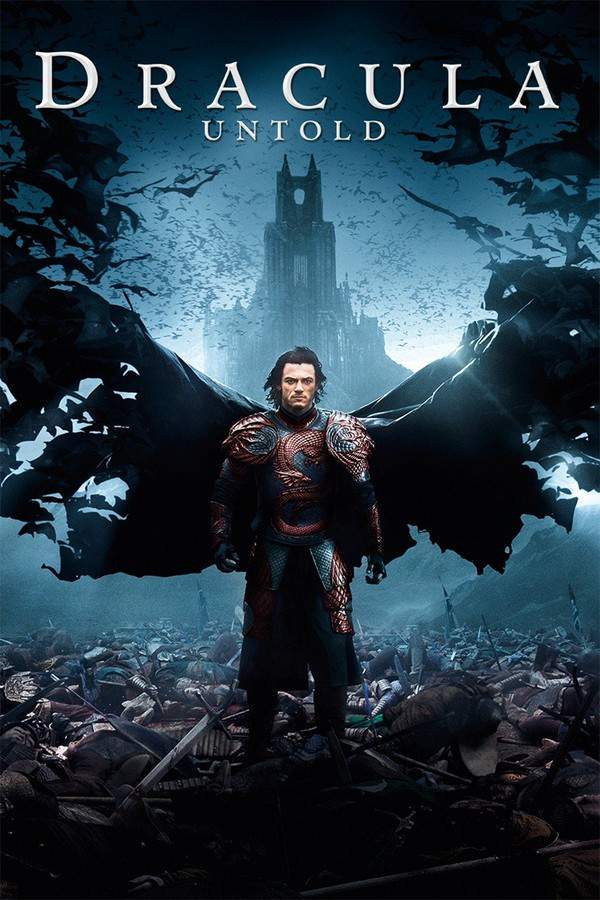
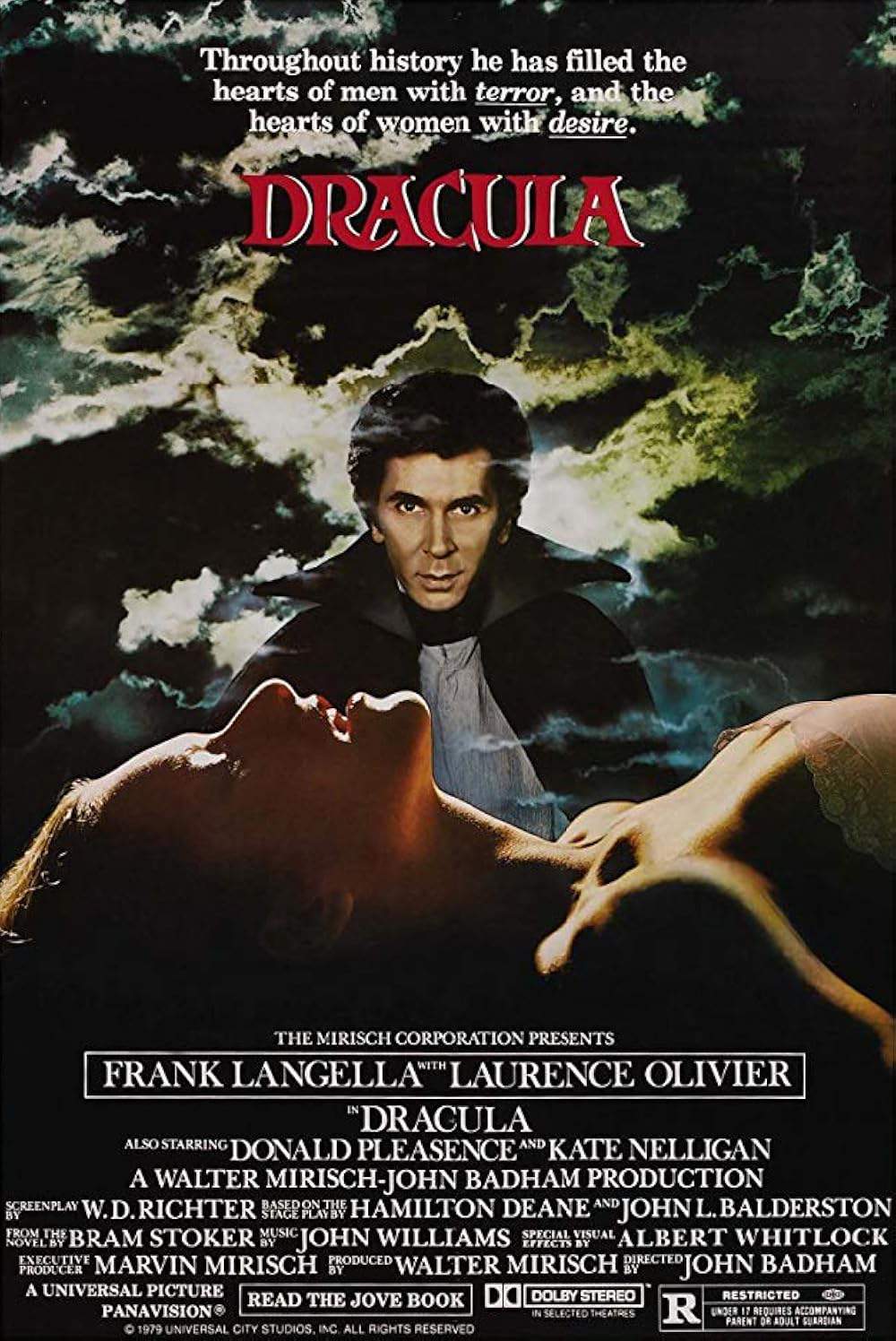
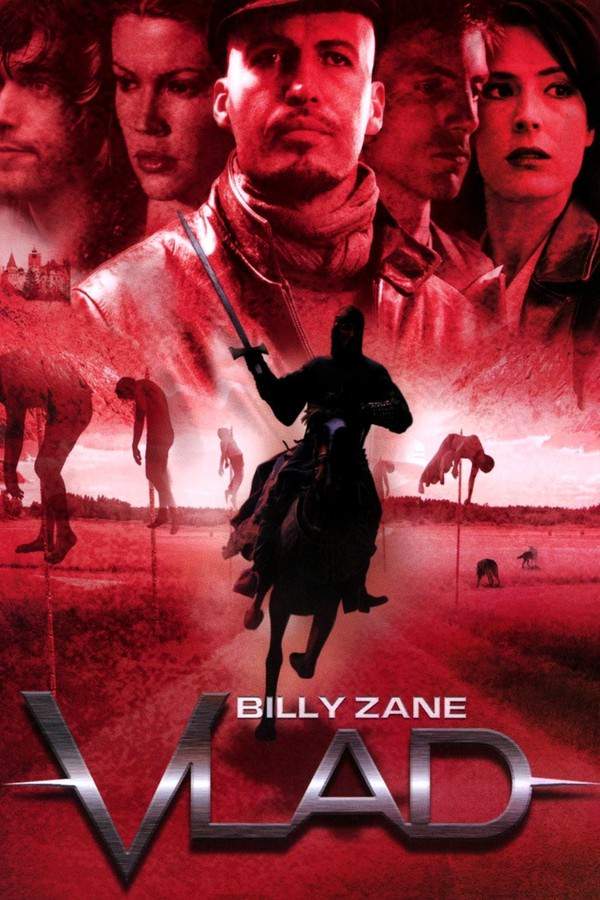


Featured on this page

What's After the Movie?
Not sure whether to stay after the credits? Find out!
Check out our other apps:

SAT Sphere
Build confidence for the Digital SAT.

Mori Atlas
Discover wild places worth protecting.

Luntero
Search smarter for a home in Amsterdam.

Plot Explained
Unravel movie endings and hidden clues.

Pokechamp
Dive into Pokémon data and battle logic.

Driving Theory
Get ready for your European theory test.

Movie Dust
Plan your next cinema trip with ease.

Musemap
Find art and culture as you travel.

Selkobase
Compare credentials before committing.

Local Manual
Turn an unfamiliar country into practical next steps.

Lernavi
Compare school systems before your next move.

GymRoam
Find a workout stop wherever your plans take you.
Explore Our Movie Platform
New Movie Releases (2026)
Famous Movie Actors
Top Film Production Studios
Movie Plot Summaries & Endings
Major Movie Awards & Winners
Best Concert Films & Music Documentaries
Movie Collections and Curated Lists
© 2026 What's After the Movie. All rights reserved.
Privacy Policy