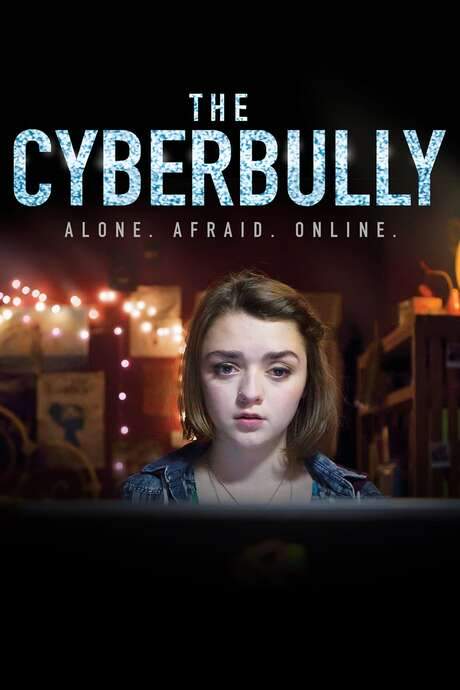



Cyberbully Plot Summary
Read the complete plot summary and ending explained for Cyberbully (2015). From turning points to emotional moments, uncover what really happened and why it matters.
The film unfolds entirely within the bedroom of Casey Jacobs, and it happens in real time. One evening, Casey is listening to music but notices that her Spotify settings are being tampered with. While skyping with Megan Turner, who is about to go on a date, Casey learns that her ex-boyfriend Nathan has posted a cruel comment about her use of antidepressants on Twitter. Megan confides in their friend Alex Freeman and suggests that he hack Nathan’s account as revenge, but he declines.
After their chat ends, Casey receives an instant message, ostensibly from Alex Freeman, who provides her with a hacked link to Nathan’s Twitter account. Casey eagerly posts a tweet about Nathan’s erectile dysfunction in revenge. However, the language of the messenger diverges from Alex’s usual tone, revealing that the sender is an anonymous hacker who presents themselves as a vigilante who “helps victims of cyberbullying.”
The hacker first describes themselves as a “fan,” showing Casey’s past activity across social media, including her online pseudonym “Chronic Youth,” before pointing out that Megan hasn’t posted a photo of Casey on her Instagram in a long time. They reveal that they are a vigilante and threaten to intervene to “protect” victims by exposing their secrets. Casey, frightened, excuses herself from the chat, but the hacker triggers a screamer on her computer, taking control of the webcam and addressing Casey in a computer-generated voice.
The hacker reveals nude photographs that Casey took of herself and threatens to post them online if she leaves the room, answers any calls, or if her father—the frequent visitor at the door—enters. Casey tries to covertly message Megan, but the hacker intercepts it by accessing her phone as well, effectively leaving her trapped and isolated. To Casey’s horror, the hacker uploads a video that she and Megan filmed revealing their friend Tamara Mathis as gay, provoking a flood of angry texts from Tamara.
The hacker explains that Casey’s “Chronic Youth” activity constitutes cyberbullying, including a video she made deriding other haul videos. They reveal that they posted the initial Nathan comment from Nathan’s account to bait her. Casey initially dismisses their accusations, insisting that teen behavior is normal, but the hacker rebuts with a stark reminder of consequences. The hacker uses videos and screen-grabs to recount the story of Jennifer Li, a former schoolmate whose singing videos on Vine faced an onslaught of abuse due to Casey’s trolling, which triggered a harassment campaign and, ultimately, Jennifer’s suicide.
Casey wonders if the hacker is a relative of Jennifer’s, tears up with remorse, but the hacker denies this and demands that she admit to being a cyberbully, apologize, and take responsibility for Jennifer’s death. Casey does so, but the hacker remains unconvinced and continues uploading both Casey and Megan’s nude photos. The hacker announces a grim choice: take an overdose of antidepressants for each image to keep them from being posted, or live with the shame that would follow, along with the loss of her best friend. Defeated, Casey contemplates the pills but notices the hacker’s gloating pattern—the taunting “har har har”—matching a known aggressor from Jennifer’s story.
Casey pushes back, realizing the hacker has goaded others into suicide. Her Dad arrives with a message from Megan, who has deduced that the online activity isn’t truly coming from Casey. Casey, moved by her friend’s trust, reaches out again and, despite the threats, vomits up the pills she had taken. The friendship and trust give her the courage to stand up to the attacker: she tells them to post whatever they want, because they can do nothing to control the actions or emotions of her family, friends, or real life. The hacker pleads to reveal their identity, but Casey responds that it doesn’t matter—once she stops talking to them, they become nothing. She closes her computer, cutting off the hacker.
Overwhelmed by the hour-long ordeal, Casey opens the door and collapses in the hallway, tearfully calling out to her father, who rushes to her side.
Cyberbully Timeline
Follow the complete movie timeline of Cyberbully (2015) with every major event in chronological order. Great for understanding complex plots and story progression.
Casey notices Spotify tampering
Casey is listening to music when she discovers her Spotify settings are being tampered with. She checks her playlists and notices odd changes, hinting that someone is watching her online habits. The moment unfolds in real time inside her bedroom.
Skyping with Megan about a date
Casey talks with her best friend Megan, who is about to go on a date. They exchange updates about school and life while in the same room. Megan reveals that Casey's ex, Nathan, posted a cruel tweet about her antidepressants.
A hacker impersonates Alex and sends a link
After the chat ends, Casey receives an instant message that seems to come from Alex, providing a hacked link to Nathan's Twitter. She eagerly follows the link and posts a revenge tweet about Nathan's erectile dysfunction. The messages reveal the hacker's ability to mimic trusted contacts and monitor her activity.
The hacker reveals they are a vigilante
The hacker describes themselves as a 'fan' and reveals their identity as a vigilante who 'helps victims of cyberbullying'. Casey grows frightened as the hacker takes control of her computer screen. A screamer appears, and Casey is suddenly faced with a webcam feed and a computer-generated voice.
Nudes and invitation to stay trapped
The hacker threatens to post nude photos Casey took of herself unless she stays in the room and avoids calls. They intercept messages to Megan by accessing Casey's phone as well, leaving her isolated and terrified. The attacker begins to upload videos as Casey's private life is weaponized online.
Tamara's outing and Casey's role as bully revealed
The hacker uploads a video exposing Tamara's sexuality, outing her to Casey's social circle. They reveal that the chain of events is part of a larger cyberbullying pattern that includes Casey herself. Casey is horrified to learn that her own online actions helped fuel harassment.
Jennifer Li backstory and accountability
The hacker uses Jennifer Li's story to illustrate the consequences of online trolling and abuse. They recount how Jennifer's Vine posts were attacked, leading to a torrent of harassment and ultimately her suicide. Casey is forced to confront the real-world harm her words have caused.
Admission and fake trust
Casey wonders if the hacker is a relative of Jennifer, but the hacker denies this and demands sincere admission, apology, and responsibility for Jennifer's death. Casey breaks down and apologizes, yet the hacker doubts her sincerity. The hacker resumes posting Casey's and Megan's nude photos while insisting on accountability.
The ultimatum: stay silent or drown in exposure
The hacker gives Casey a brutal choice: take antidepressants for each posted photo to delay discovery or live with the shame and lose her best friend. Casey contemplates overdose as the only escape. The taunts intensify with the hacker typing 'har har har'.
Friendship and trust tip the balance
Casey's father arrives with a message from Megan, who has deduced that Casey isn't acting like herself. Casey feels a glimmer of hope as a trusted ally is on her side. She attempts to defy the hacker, and her courage grows even as the situation remains dire.
Casey vomits the pills and regains resolve
Casey vomits up the pills she had started to take, a moment of clarity and resistance. She realizes she cannot control the hacker and the consequences of her actions. This moment rekindles trust with Megan and steadies her resolve.
The finale: she takes back control and ends the siege
Casey tells the hacker that their identity doesn't matter and asserts that she will stop talking to them. She tells them they can post the photos if they wish, because they cannot control her emotions or her family. With a final act of defiance, Casey closes her computer and blocks the hacker from her life, collapsing with relief as her father reaches her.
Cyberbully Characters
Explore all characters from Cyberbully (2015). Get detailed profiles with their roles, arcs, and key relationships explained.
Casey Jacobs (Maisie Williams)
Casey is a teenager driven by desperate impulses to seek revenge on social media. She is impulsive, anxious about her reputation, and vulnerable to manipulation, which leads her into dangerous online territory. As the hacker exposes her past online activity, she faces a reckoning about the harm she has caused and the fragility of online personas.
Megan Turner (Ella Purnell)
Megan is Casey's best friend, supportive yet morally aware of the consequences of online actions. She tries to steer Casey away from revenge but remains entangled as the drama unfolds. Her bond with Casey is tested by the hacker's manipulations and revelations.
Alex Freeman (Jake Davies)
Alex is a friend who initially declines to hack Nathan's account, embodying a cautionary stance toward vigilante justice. His hesitation and eventual involvement highlight peer pressure and the complexity of deciding where to draw the line in online disputes.
Jennifer Li (Haruka Abe)
Jennifer Li is a former schoolmate whose abuse online spiraled into tragedy. Casey's trolling of Jennifer and others is used by the hacker to illustrate the real-life harm caused by online harassment and the lasting impact of digital cruelty.
Tamara Mathis (Daisy Waterstone)
Tamara is a friend whose privacy is violated when a video revealing her sexuality is posted, triggering a cascade of anger and grief. Her experiences reflect how online shaming spreads to affect those close to the original target.
Hacker (Wilson Haagens)
An anonymous vigilante who claims to help victims but reveals the capacity to manipulate and coerce. The hacker exposes Casey and Megan's private content and uses it to force accountability, blurring lines between justice and cruelty.
Dad (Anthony Shuster)
Casey's father appears as a parental figure who provides a counterbalance to online chaos, rushing to her side when the situation escalates. His presence anchors the scene in a family setting and adds emotional weight to the stakes.
Cyberbully Settings
Learn where and when Cyberbully (2015) takes place. Explore the film’s settings, era, and how they shape the narrative.
Time period
One evening, in real time
The narrative unfolds in real time over a single evening, with events driven by instant messages, posts, and video clips. The confinement of a single room amplifies the urgency, making every notification feel like a threat. The online actions bleed into Casey's real life as the hacker manipulates the timeline to heighten the drama.
Location
Casey Jacobs's Bedroom
The action unfolds entirely within Casey's bedroom, a private sanctuary that becomes the stage for online warfare. The room doubles as a makeshift control hub where notifications, cameras, and social media activity drive the tension. Its privacy is invaded as the hacker breaches the space, turning it into a site of surveillance and coercive manipulation.
Cyberbully Themes
Discover the main themes in Cyberbully (2015). Analyze the deeper meanings, emotional layers, and social commentary behind the film.
🕸️
Cyberbullying
The film centers on the ripple effects of online cruelty, showing how a single post can escalate into public shaming. Casey's own online persona, Chronic Youth, becomes both weapon and trap. The hacker uses social-media traces to reveal the harm caused by digital harassment and to expose the consequences of thoughtless posting.
⚖️
Accountability
Characters confront who bears responsibility for cyberbullying and its consequences. The hacker's vigilante stance forces Casey to own her actions, including past taunts toward Jennifer Li. The film pushes the idea that online anonymity does not absolve one from consequences, especially when real people are harmed.
🔍
Surveillance
The hacker's intrusion turns Casey's private space into a monitored spectacle, as webcams and devices are weaponized to reveal intimate content. The watching presence creates a chilling atmosphere where privacy is compromised and control is wrested away. The film probes how surveillance can both expose wrongdoing and escalate fear.

Coming soon on iOS and Android
The Plot Explained Mobile App
From blockbusters to hidden gems — dive into movie stories anytime, anywhere. Save your favorites, discover plots faster, and never miss a twist again.
Sign up to be the first to know when we launch. Your email stays private — always.
Explore the mobile appCyberbully Spoiler-Free Summary
Discover the spoiler-free summary of Cyberbully (2015). Get a concise overview without any spoilers.
In a world where a single click can echo across an entire life, the film opens inside the familiar confines of a teenager’s bedroom, a space that becomes both sanctuary and stage for the relentless hum of online connection. The story asks a simple yet terrifying question: when you go online, who can you really trust? The setting feels claustrophobic and hyper‑real, its walls pulsing with the glow of a screen that never truly sleeps, turning ordinary moments into a high‑stakes digital dance.
Casey Jacobs is a music‑loving, quick‑witted teenager whose life revolves around playlists, video chats, and the ever‑present buzz of social media. Her relationships with friends feel vivid and real—Megan provides a steady, upbeat counterpoint, while Alex hovers on the periphery as the tech‑savvy confidant everyone turns to when trouble brews. The film follows Casey in real time, letting the audience experience each second as she navigates the ebb and flow of online chatter, jokes, and the occasional sting of a harsh comment that slips through the feed.
Beneath the surface of casual scrolling, an unseen presence begins to nudge the conversation in unsettling directions. A mysterious cyber‑stalker slips into the conversation, using the same platforms that connect friends to sow doubt and pressure. The tone shifts from light‑hearted banter to a tense, pulse‑quickening suspense, amplified by the intimate, single‑room setting that forces Casey to confront the invisible threat without the usual escape routes. The digital realm becomes a mirror, reflecting both the allure of freedom and the lurking dangers of anonymity.
As the minutes tick by, the audience is drawn into Casey’s mounting anxiety, feeling the weight of every notification and the oppressive sense that the walls of her room are closing in. The film balances sleek, modern aesthetics with a chilling, almost tactile dread, leaving viewers to wonder just how fragile the line is between online playfulness and a nightmarish loss of control.
Featured on this page

What's After the Movie?
Not sure whether to stay after the credits? Find out!
Check out our other apps:

SAT Sphere
Build confidence for the Digital SAT.

Mori Atlas
Discover wild places worth protecting.

Luntero
Search smarter for a home in Amsterdam.

Plot Explained
Unravel movie endings and hidden clues.

Pokechamp
Dive into Pokémon data and battle logic.

Driving Theory
Get ready for your European theory test.

Movie Dust
Plan your next cinema trip with ease.

Musemap
Find art and culture as you travel.

Selkobase
Compare credentials before committing.

Local Manual
Turn an unfamiliar country into practical next steps.

Lernavi
Compare school systems before your next move.

GymRoam
Find a workout stop wherever your plans take you.
Explore Our Movie Platform
New Movie Releases (2026)
Famous Movie Actors
Top Film Production Studios
Movie Plot Summaries & Endings
Major Movie Awards & Winners
Best Concert Films & Music Documentaries
Movie Collections and Curated Lists
© 2026 What's After the Movie. All rights reserved.
Privacy Policy