Curtain 2015


Directed by

Jaron Henrie-McCrea
Made by

Jash Pictures
Where to Watch Curtain
See current US streaming, rental, and purchase options for Curtain (2015) via JustWatch.

Amazon Prime Video
HD
Amazon Prime Video with Ads
HD
Fawesome
HD
Amazon Prime Video Free with Ads
HD
Fandango at Home Free
HD
Tubi TV
SD
Xumo Play
HD
Amazon Video
HD
Apple TV Store
HD Fandango At Home
SD Streaming availability powered by 
Curtain Plot Summary
Read the complete plot summary and ending explained for Curtain (2015). From turning points to emotional moments, uncover what really happened and why it matters.
In the English provincial town of Drossmouth, a second-rate repertory company gathers at the Theatre Royal on a Monday morning to rehearse the following week’s show, a melodrama called Tarnished Gold. The mood is practical but tepid, with the company sensing that the project may not live up to its ambitions or the hopes of those who’ve agreed to stage it. The troupe’s dynamic is shaped by a cantankerous producer, who remains openly skeptical about the material and its potential, even as the rehearsal proceeds. The ensemble includes a mix of ambitions and anxieties: a young, occasionally enthusiastic actor who toggles between spark and doubt, a widowed actress who once enjoyed West End stardom but now carries the weight of time, a performer waiting for a break from a London spotlight that feels just out of reach, and a timid ingénue who already suspects that the stage may demand more courage than she can muster.
The rehearsal room is tense and stubbornly resistant to progress. The stage director, known to the company as Jacko, is pushed to the edge and teeters on the brink of resignation as the group confronts repeated misfires and a sense that the play itself is not coming together. The atmosphere is permeated by the sting of unmet expectations, a reminder that backstage life often carries its own kind of drama. Into this fraught setting arrives the author of Tarnished Gold, Catherine Beckwith, who comes with a forceful presence and a determination to steer the production in her own direction. Her arrival signals a sharp shift in power dynamics, as she and the irascible Harry quickly collide over direction, tone, and the very purpose of the piece.
What follows is a clash of artistic wills that tests the patience of everyone involved. Harry tearing up most of Act 1 becomes a dramatic turning point: he storms off the stage in a blaze of frustration, slips and falls into the pit, injuring himself in a way that underscores the high stakes of theatre behind the curtain. The accident unsettles the troupe but also crystallizes the stubborn stubbornness of the production’s conflicting visions. Catherine Beckwith refuses to be sidelined; she sits the company at the feet of her ideas and insists on steering the rehearsal according to her plan. The argument is pitched as a battle between tradition and innovation, old habits and new ambitions, with each cast member watching and adjusting to the shifting leadership.
After a tense pause, Harry remarkably finds his footing again. He returns to the task with a renewed sense of purpose, choosing to recast Tarnished Gold as a period piece rather than a straight contemporary melodrama. This pivot is presented as a strategic move to salvage the show’s potential, inviting the audience to experience the drama through a heightened sense of time and style. The cast, meanwhile, carries on with the revised approach, adapting to the new framework while still bearing the echoes of the earlier discord. The rehearsal eventually gives way to a momentum that feels both risky and exhilarating, as if the entire company has learned to trust the process, even when the path is uncertain.
A week later, the curtain rises on what everyone hopes will be a triumphant first night. Against the backdrop of earlier misgivings, the performance unfolds with a momentum and clarity that suggest the preparation has paid off. The audience responds with a warmth and engagement that signals the success of the gamble to reposition Tarnished Gold as a period piece. By the final moments, the play’s reception hints at more than just a successful premiere; it hints at a renewal of faith among a troupe that weathered conflict, risk, and a scare or two to discover something together that feels larger than the individual parts they play.
Curtain Timeline
Follow the complete movie timeline of Curtain (2015) with every major event in chronological order. Great for understanding complex plots and story progression.
Company assembles at Theatre Royal
In the English provincial town of Drossmouth, the second-rate repertory company gathers at the Theatre Royal on Monday morning to rehearse Tarnished Gold, the week’s melodrama. The mood is subdued and uncertain as they face a script they are not eager to stage. Harry, the irascible producer, is already skeptical about the play’s prospects, foreshadowing trouble ahead.
Harry doubts Tarnished Gold's prospects
Harry voices sharp criticisms of Tarnished Gold, a melodrama foisted on the company by its directors, and expresses little faith in its success. He pushes back against the staff’s expectations, making his displeasure clear during the first rehearsal. The cast and crew sense an impending clash over the play’s future.
Sandra receives a London producer call
Sandra, one of the cast, spends the early rehearsals waiting for a call from a London producer. The possibility of a big break for her adds a layer of tension to an already unsettled mood. When the call comes, it confirms external interest in at least one member of the company.
Cast mood and progress stall
The cast remains unenthusiastic about Tarnished Gold, and progress in the rehearsal is slow. They struggle to see how the melodrama can be made workable under the current approach. The atmosphere is tense as expectations falter.
Jacko threatens to resign
Stage director Jacko grows increasingly exasperated and warns that he will resign if things do not improve. His habit of threatening resignation when problems arise underscores the mounting strain within the company. The situation teeters on the edge of a complete breakdown.
Author Beckwith arrives and clashes with Harry
Catherine Beckwith, the author of Tarnished Gold, appears and insists on sitting at the feet of the director, signaling a direct challenge to the ongoing process. Her arrival immediately heightens the conflict with Harry as they square off over control of the production. The dynamic shifts as she asserts authority over rehearsals.
Harry tears up Act 1 and injures himself
Harry’s temper erupts as he tears up most of Act 1 and storms off stage. In the chaos, he falls into the pit and sustains an injury. The accident serves as a stark reminder of the volatile atmosphere surrounding Tarnished Gold.
Beckwith takes charge of rehearsal
Despite forebodings, Miss Beckwith takes over the rehearsal according to her own ideas. She directs with a decisive hand, guiding the cast through changes that depart from the original plan. The room responds with cautious curiosity as her approach reshapes the production.
Harry recasts Tarnished Gold as a period piece
Harry recovers from his injury and reworks Tarnished Gold into a period piece. He re-evaluates the setting, tone, and structure, aiming to salvage the production by giving it historical dimension. The collaboration with Beckwith sets the stage for a new direction.
Rehearsal shifts toward renewed energy
With Beckwith's influence and Harry's revised concept, the company begins to show signs of renewed energy and alignment. The ensemble moves toward a cohesive vision, though some doubts linger. The rehearsal week ends with cautious optimism about a successful opening.
First night ends in triumph
A week after rehearsals began, Tarnished Gold makes its first-night debut to an applauding audience. The tempered, period-piece version lands with unexpected success, validating the changes made during rehearsals. The curtain falls on a triumphant return for the company.
Curtain Characters
Explore all characters from Curtain (2015). Get detailed profiles with their roles, arcs, and key relationships explained.
Harry (the Producer)
A volatile producer whose sharp criticisms spark the rehearsal crisis. He pushes to salvage Tarnished Gold by recasting it as a period piece, wielding tight control over the production. His fury masks a stubborn commitment to the troupe’s success, culminating in a triumphant first night.
Jerry
A young actor whose initial enthusiasm flickers as the company wrestles with a project they barely believe in. He embodies the tensions of repertory theatre: moments of promise tangled with self-doubt and pressure from above.
Maud
A widowed actress who once starred on the West End, Maud carries the weight of past fame into the rehearsal. She offers experience and resilience, yet faces the fragility of stardom as the company fights to find its footing.
Sandra
An actress waiting for a call from a London producer, balancing ambition with personal ties to a philandering, semi-alcoholic husband. She is both a draw toward the big stage and a reminder of the cost of chasing it.
Avis
A timid young girl who realises acting is not for her, embodying the vulnerabilities and fears backstage. Her retreat from the ideal of theatre mirrors the company’s own uncertainties.
Jacko
The stage director whose patience wears thin; he threatens to resign when rehearsal culture spirals. He remains a practical voice trying to hold together the production as chaos grows.
Catherine Beckwith
The author of Tarnished Gold who insists on sitting at the feet of the director. Her confrontation with Harry fuels the decision to recast the play as a period piece, driving the shift from crisis to restoration.
Curtain Settings
Learn where and when Curtain (2015) takes place. Explore the film’s settings, era, and how they shape the narrative.
Location
Drossmouth, Theatre Royal
In the English provincial town of Drossmouth, the Theatre Royal is the bustling hub where a second-rate repertory company rehearses Tarnished Gold. The aged venue exposes the clash between ambition and craft as actors, directors, and a control-hungry producer push and pull over a show they barely believe in. It becomes a tight backstage space of cramped rooms, shifting cues, and the constant risk of a stumble that could derail the week.
Curtain Themes
Discover the main themes in Curtain (2015). Analyze the deeper meanings, emotional layers, and social commentary behind the film.
🎭
Theatre
Backstage nerves and the friction between director, author, and actors drive the narrative. The company struggles with a melodrama that no one believes in, until Miss Beckwith’s insistence reshapes it. The turn to a period piece becomes a test of craft, discipline, and collective resolve.
🎨
Creativity
Authority on the script clashes with artistic instinct as Catherine Beckwith and Harry reshuffle Act 1. The shift from a dull rehearsal to a stylized period piece reveals the tension between living theatre and manufactured nostalgia. The transformation challenges characters to accept change or resist it.
🌟
Fame
Maud’s West End past casts a long shadow over the troupe, while Sandra chases a London producer’s interest, highlighting the pull of fame. Personal ambitions collide with the show’s on-stage reality and the risk of failure. The promise of a triumphant first night offers redemption and validation for the cast.

Coming soon on iOS and Android
The Plot Explained Mobile App
From blockbusters to hidden gems — dive into movie stories anytime, anywhere. Save your favorites, discover plots faster, and never miss a twist again.
Sign up to be the first to know when we launch. Your email stays private — always.
Explore the mobile appCurtain Spoiler-Free Summary
Discover the spoiler-free summary of Curtain (2015). Get a concise overview without any spoilers.
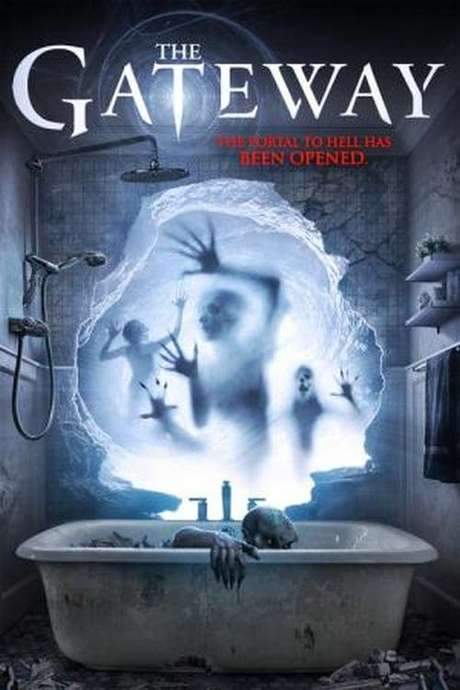
In the bustling landscape of New York City, Danni views her new apartment as a canvas for reinvention, eager to strip away the old and renovate the space into a home that reflects her ambitions. The project begins with the standard chaos of construction, yet an undercurrent of unease soon permeates the air. She remains unaware that the apartment holds a tragic history; the previous tenant met a fate shrouded in mystery, a dark precedent that silently haunts the rooms she now intends to claim as her own.
The renovation takes a sharp turn into the surreal when Danni peels back layers of tile in the bathroom to uncover a hidden portal. This is not merely a structural defect but a gateway to another dimension, one with a peculiar, almost mocking appetite for shower curtains. The discovery fractures her sense of reality, transforming her bathroom from a mundane necessity into the threshold of a bizarre and terrifying unknown. The apartment is no longer just a living space—it is a puzzle that demands to be solved.
Seeking answers, Danni enlists the help of her coworker, Tim, and the two prepare to confront the anomaly head-on. Their investigation promises to lead them out of the safety of the everyday and into a realm of horror and unexpected wonder. As they stand on the edge of a mystery that defies explanation, the duo must summon the courage to step through the breach, unaware of exactly what—or who—might be waiting on the other side.
Featured on this page

What's After the Movie?
Not sure whether to stay after the credits? Find out!
Check out our other apps:

SAT Sphere
Build confidence for the Digital SAT.

Mori Atlas
Discover wild places worth protecting.

Luntero
Search smarter for a home in Amsterdam.

Plot Explained
Unravel movie endings and hidden clues.

Pokechamp
Dive into Pokémon data and battle logic.

Driving Theory
Get ready for your European theory test.

Movie Dust
Plan your next cinema trip with ease.

Musemap
Find art and culture as you travel.

Selkobase
Compare credentials before committing.

Local Manual
Turn an unfamiliar country into practical next steps.

Lernavi
Compare school systems before your next move.

GymRoam
Find a workout stop wherever your plans take you.
Explore Our Movie Platform
New Movie Releases (2026)
Famous Movie Actors
Top Film Production Studios
Movie Plot Summaries & Endings
Major Movie Awards & Winners
Best Concert Films & Music Documentaries
Movie Collections and Curated Lists
© 2026 What's After the Movie. All rights reserved.
Privacy Policy