
Cover Girl Killer 1959

Directed by

Terry Bishop
Made by

Jack Parsons Productions
Where to Watch Cover Girl Killer
See current US streaming, rental, and purchase options for Cover Girl Killer (1959) via JustWatch.

Amazon Video
SD
Google Play Movies
SD
YouTube
SD Streaming availability powered by 
Cover Girl Killer Plot Summary
Read the complete plot summary and ending explained for Cover Girl Killer (1959). From turning points to emotional moments, uncover what really happened and why it matters.
In London, a cover girl model is found dead, posed exactly as she appeared on the front cover of Wow magazine. The police quickly uncover a troubling pattern: another recently deceased model also posed for the magazine, and then a third follows. All three deaths occur by overdose and are dressed in the same outfit the models wore for the magazine shoot. Although the official notes point to suicides, investigators notice an injection mark under the fingernail of the latest victim, a clue that suggests murder rather than a simple tragedy.
As the case unfolds, the detectives confront the magazine’s owner, Johnny Mason, an archaeologist who has just inherited the magazine from his uncle. He explains that the pattern ties the victims together through Wow, and that each woman had posed for the publication. The investigation widens, revealing that a number of cover girls have died in similar circumstances. The lead investigators, including Inspector Brunner, are convinced the killer is using the magazine as a lure, and they brace for the possibility that more young women could follow.
The hunt intensifies as the killer remains elusive, adopting a string of disguises—from an advertising executive to a film and TV producer—and continuing to lure new victims to their deaths. His motive, as the authorities fear, is rooted in a belief that the girls’ moral failings justify murder, a chilling rationale that fuels the pursuit but also complicates every lead.
A taunting move comes when Spendoza, giving the name Fairchild to the police, feeds a false lead that points to one of his supposed tenants, a red herring designed to throw them off the scent. He emphasizes a need for glasses, a detail that underscores how easily he could be misidentified. Yet the investigation presses on, and the publicized plan grows bolder.
The tension peaks when June June Rawson, the model linked to the next edition and also Johnny’s girlfriend, volunteers to pose while undercover officers guard her. The plan is to lure the killer to a theatre and burlesque show, hoping the stage would become his downfall.
In a further twist, Spendoza—without his glasses and operating under another alias—arranges for a lookalike to appear at the theatre, hoping to keep the police at bay while he moves closer to June. The police, believing they have caught the killer, escort him to the station, leaving a single officer to watch over June. But the night spirals out of control when the murderer attacks, and June finds herself face-to-face with the danger she hoped to outwit.
This tense story unfolds with a stark, procedural rhythm, balancing suspenseful cat-and-mawn games with a mounting sense of dread. The pursuit is driven by the killer’s calculated need to orchestrate deaths that appear to be suicides but reveal deeper manipulation. Through the cautious steps of the police and the calculated risk taken by those willing to stand in harm’s way, the narrative keeps a firm, unflinching eye on motive, method, and the fragile boundary between art, publicity, and danger.
- The investigation threads a path through carefully staged performances, undercover watches, and the claustrophobic pressure of a city nervously waiting for the next photograph to become a crime scene. The uneasy alliance between glamour and crime is laid bare as the detectives chase a man whose appearance, even at its most spectacular, remains his most dangerous disguise.
Cover Girl Killer Timeline
Follow the complete movie timeline of Cover Girl Killer (1959) with every major event in chronological order. Great for understanding complex plots and story progression.
First cover girl found dead in London
A cover girl model is found dead in London, posed as she appeared on the front cover of Wow magazine. The death is initially treated as an overdose pattern rather than a suicide. Police begin investigating possible connections between this victim and other similar cases.
Police connect the deaths to Wow magazine; Johnny Mason explains
The police uncover a connection between the deaths and Wow magazine. Johnny Mason, the magazine's owner and an archaeologist who has just inherited it, reveals that another recently deceased girl also posed for the magazine. This information suggests a continuing scheme linked to the publication.
Pattern emerges: three cover girls die, overdoses, same outfit
Investigators confirm that three cover girls have died, all from overdoses and dressed in the same outfit as in the magazine. An injection mark under the latest victim's fingernail hints at foul play rather than a simple suicide. The killings form a disturbing serial pattern tied to the magazine.
Next model is targeted; murder occurs before photoshoot
The police attempt to contact the young model from the following edition, but their outreach comes too late. The killer has already arranged to meet her to photograph her for an advertising campaign and he murders her when the encounter turns fatal. The murder confirms the killer's relentless reach.
Introduction of Mr Spendoza; the killer's persona and motive
The killer is revealed as Mr Spendoza, a middle-aged man with thick glasses, a toupee, and a raincoat. His distinctive appearance aids recognition, but removing the disguise makes him hard to identify. He believes he is punishing moral corruption among the models.
Police widen the net; the killer eludes capture
The police pursue multiple suspects as the killer continues to lure his victims to their deaths. He shifts between disguises, posing as advertising executives and film/TV producers to stay ahead of investigators. The case grows more elusive as the deaths continue.
Spendoza misleads police with a false lead; new alias 'Fairchild'
Spendoza approaches the police under the name Fairchild, offering a lead that claims a connection to his tenant, Mr Spurling. He emphasizes the need for glasses, though Fairchild himself does not wear them. The ruse aims to misdirect investigators and sow doubt about his true identity.
June volunteers to model; plan to lure killer to theatre
Johnny informs the police that models are refusing to pose due to the murders. In response, June, Johnny's girlfriend, volunteers to model, and the police plan to lure the killer to a theatre and burlesque show as a trap. The plan marks a foray into a direct confrontation strategy.
Disguise play: a lookalike is used to mislead at the theatre
Spendoza, without glasses and under another alias, visits a theatrical agent and hires someone who resembles his alter ego. The lookalike appears at the theatre to meet June, further distracting the police. The deception is designed to keep him free while the trap is set.
The plan appears to work; suspect is brought to station
Believing they've captured the killer, the police transport him to the station, leaving one officer to guard June. The sense of breakthrough is tempered by the precarious security and the looming threat of an escape or attack. Tension mounts as the trap tightens.
Murder strikes again as guard is attacked; June is left with killer
The lone officer guarding June is attacked by the murderer, and June is left alone with him. The sudden assault shatters the illusion of capture and underscores the killer's ruthlessness. The immediate danger escalates as the situation spirals out of control.
Climax unresolved; killer's control falters around June
With June facing the killer, the summary implies a loss of control and a perilous confrontation that does not find a definitive resolution in the presented material. The audience is left unsure of the killer's fate and the outcome of the trap.
Cover Girl Killer Characters
Explore all characters from Cover Girl Killer (1959). Get detailed profiles with their roles, arcs, and key relationships explained.
Johnny Mason (Spencer Teakle)
Johnny Mason is the owner of Wow magazine and an archaeologist who has inherited the publication from his uncle. He becomes central to the investigation as the magazine’s ties to the cover models surface, and he helps the police craft a plan to trap the killer by using June as bait.
Inspector Brunner (Victor Brooks)
Inspector Brunner is a determined, methodical investigator who connects the deaths to the magazine and the killer’s pattern. He coordinates the covert operation to guard June and orchestrates efforts to unmask Spendoza.
June Rawson (Felicity Young)
June is Johnny’s girlfriend who volunteers to model for the next edition to lure the killer. She is brave and resourceful, aware of the danger but willing to take an active role in catching the murderer.
Mr Spendoza (Harry H. Corbett)
Mr Spendoza is a middle‑aged killer who uses conspicuous disguises—thick glasses, a toupee, and a raincoat—to stand out and hide his true identity. He manipulates the investigative team with false leads and aliases, motivated by a belief in morally cleansing the city through murder.
Cover Girl Killer Settings
Learn where and when Cover Girl Killer (1959) takes place. Explore the film’s settings, era, and how they shape the narrative.
Location
London
Set in London, the story unfolds across glossy magazine offices, theatres, and the darker corners of the city. The capital's glamorous advertising world provides the lure and danger that drive the plot. The film uses the city as a backdrop where high fashion and crime collide.
Cover Girl Killer Themes
Discover the main themes in Cover Girl Killer (1959). Analyze the deeper meanings, emotional layers, and social commentary behind the film.
🔎
Moral corruption
The killer believes the models' behavior is morally corrupt and must be punished. Deaths are framed as suicides, masking a calculated moral intervention. The investigators struggle to prove intent as disguises and manipulation obscure the truth. The theme questions whether justice justifies violent means.
📸
Media obsession
The plot centers on Wow magazine and its cover girls, showing how fame and image drive both desire and danger. The killer targets the glamour of the front page, using the publication’s reach to lure victims. The police use the magazine connection to trap him, highlighting media as both culprit and tool. Glamour becomes a dangerous currency in the city.
🕵️
Disguise and identity
Spendoza relies on glasses, a toupee, and aliases to avoid recognition, proving how appearance can disguise intent. The investigators counter with misdirection and careful surveillance, turning disguise into a cat-and-mouse game. Identity becomes both weapon and vulnerability as truth hides in plain sight.

Coming soon on iOS and Android
The Plot Explained Mobile App
From blockbusters to hidden gems — dive into movie stories anytime, anywhere. Save your favorites, discover plots faster, and never miss a twist again.
Sign up to be the first to know when we launch. Your email stays private — always.
Explore the mobile appCover Girl Killer Spoiler-Free Summary
Discover the spoiler-free summary of Cover Girl Killer (1959). Get a concise overview without any spoilers.
In the glittering underbelly of London’s fashion world, a single photograph can launch a career and, increasingly, a nightmare. When a fresh face graces the front of Wow magazine, the glossy triumph is shadowed by a growing whisper that each new cover girl may become the next target of a relentless, unseen predator. The city’s iconic streets and high‑end studios suddenly feel claustrophobic, as the allure of fame is tinged with an uneasy sense that beauty itself has become a trap.
At the heart of the magazine’s empire is Johnny Mason, a newly‑inherited proprietor whose background as an archaeologist seems worlds apart from the world of runway lights. His stewardship of Wow carries both the weight of its storied legacy and the pressure of a mounting crisis, forcing him to confront a menace that threatens the very heart of his business and the lives it celebrates.
Tasked with unravelling the disturbing pattern are the detectives of the Metropolitan Police, led by the methodical Inspector Brunner. Their investigation threads through the glitzy veneer of fashion, balancing forensic precision with the frantic urgency of a city terrified that the next headline could be a death notice. The team’s resolve is sharpened by the stark contrast between the industry’s polished façade and the grim reality lurking behind it.
Amid the swirling panic, June Rawson—a rising model slated for the next issue and also the proprietor’s partner—finds herself perched on the razor’s edge between stardom and danger. Her willingness to step into the spotlight, even as the threat looms, underscores the film’s tense atmosphere, where every flash of a camera could illuminate a clue or conceal a new horror. The mood is one of sleek sophistication pierced by dread, setting the stage for a cat‑and‑mouse chase through London’s most glamorous yet perilous corridors.
Movies with Similar Twists and Themes
Uncover films that echo the narrative beats, emotional arcs, or dramatic twists of the one you're exploring. These recommendations are handpicked based on story depth, thematic resonance, and spoiler-worthy moments — perfect for fans who crave more of the same intrigue.
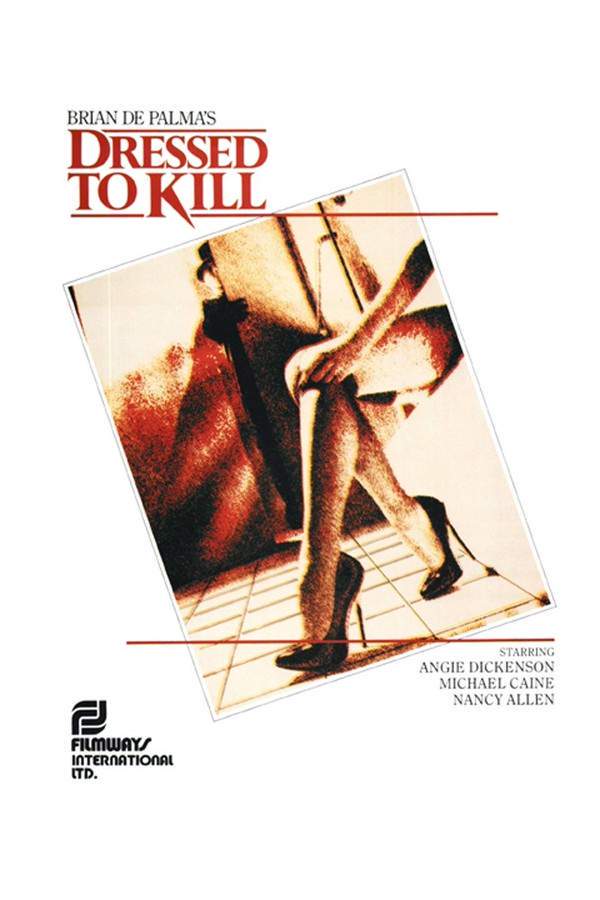

Featured on this page

What's After the Movie?
Not sure whether to stay after the credits? Find out!
Check out our other apps:

SAT Sphere
Build confidence for the Digital SAT.

Mori Atlas
Discover wild places worth protecting.

Luntero
Search smarter for a home in Amsterdam.

Plot Explained
Unravel movie endings and hidden clues.

Pokechamp
Dive into Pokémon data and battle logic.

Driving Theory
Get ready for your European theory test.

Movie Dust
Plan your next cinema trip with ease.

Musemap
Find art and culture as you travel.

Selkobase
Compare credentials before committing.

Local Manual
Turn an unfamiliar country into practical next steps.

Lernavi
Compare school systems before your next move.

GymRoam
Find a workout stop wherever your plans take you.
Explore Our Movie Platform
New Movie Releases (2026)
Famous Movie Actors
Top Film Production Studios
Movie Plot Summaries & Endings
Major Movie Awards & Winners
Best Concert Films & Music Documentaries
Movie Collections and Curated Lists
© 2026 What's After the Movie. All rights reserved.
Privacy Policy