What Is Collapse About?
The premise of Collapse in 299 words, with nothing given away. The full story follows below.
In a world restless with optimism and denial, a stark documentary pulls the viewer into the dimly lit confines of what feels like a personal bunker. Within these walls, Michael Ruppert—once a Los Angeles police officer turned independent journalist— sits surrounded by monitors and stacks of handwritten notes, his voice echoing a relentless urgency. The film’s setting is deliberately claustrophobic, a visual metaphor for the narrow tunnel of information many choose to ignore while the larger society clings to hopeful headlines about new leaders, clean energy, and economic revival.
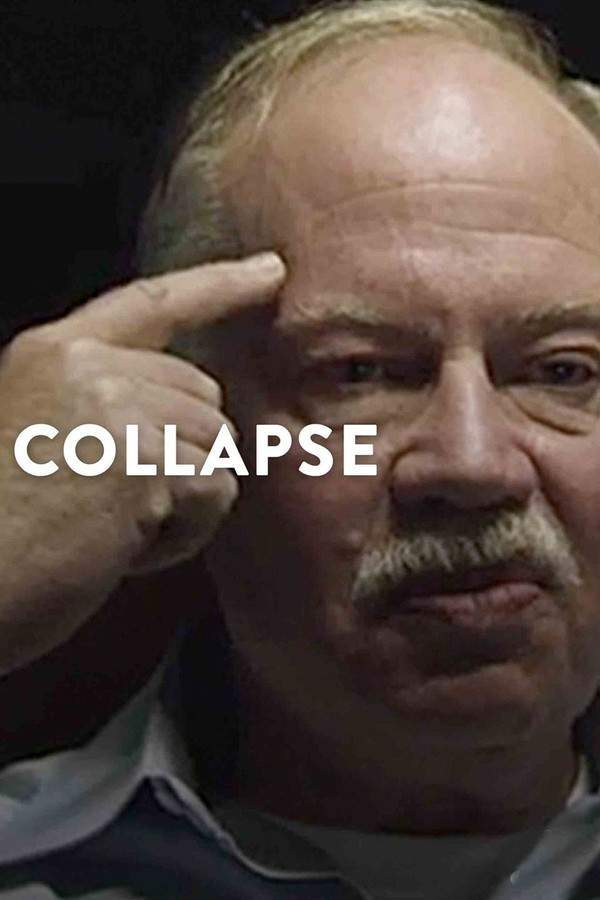
The tone is a blend of investigative intensity and almost theatrical confession, echoing the probing interview styles of Errol Morris and the monologue-driven performances of Spalding Gray. Director Chris Smith abandons his usual observational approach, opting instead for a confrontational, interview‑centric form that feels both intimate and unsettling. The camera lingers on Ruppert’s gestures, the twitch of his eye, the cadence of his rapid‑fire delivery, inviting the audience to feel the weight of his convictions without prescribing a verdict.
At the heart of the piece is Ruppert’s singular perspective on the looming crises he believes are poised to upend modern civilization. He wields publicly available data—news feeds, graphs, and research on “peak oil”—as weapons in a relentless argument that the financial system and its fossil‑fuel foundation are on the brink of collapse. His fervor oscillates between prophetic warning and impassioned plea, leaving viewers to wrestle with the thin line between paranoia and insight.
The documentary’s atmosphere is therefore one of quiet dread wrapped in intellectual rigor, a cinematic space where a lone, determined voice challenges the complacency of a nation. It asks a simple yet profound question: are we truly prepared to confront the worst, or will we remain lost in comforting narratives as the world teeters on the edge?
What Happens in Collapse?
The complete story of Collapse, from the first scene to the last, in 327 words (about 1 minute). Spoilers throughout.
Spoilers ahead
Americans are often eager to hear uplifting news, believing that a new president will amend past mistakes, that clean energy will overthrow polluting oil, and that innovative ideas will rejuvenate the economy. Generally, American commentators moderate their pessimism while hoping for brighter days ahead. Yet, is anyone truly ready to confront the worst?
Enter Michael Ruppert, a uniquely candid American. Formerly a police officer in Los Angeles, he transitioned into an independent journalist and made waves by forecasting the financial crisis through his self-published newsletter, From the Wilderness, at a time when many on Wall Street and in Washington were still in denial. Director Chris Smith, known for his insightful portrayals of outsiders in works like American Movie and The Yes Men, changes his approach in Collapse, opting for an interview format reminiscent of Errol Morris and Spalding Gray.
Within the confines of what looks like a bunker, Ruppert passionately narrates his experiences as a radical thinker while articulating the impending crises he perceives on the horizon. Utilizing the same news sources and data accessible to any Internet user, he offers a distinctive interpretation that sets him apart. His fervor particularly focuses on the concept of “peak oil,” a concern scientists have raised since the seventies regarding the eventual depletion of fossil fuels. Unlike other experts who engage in calm debates, Ruppert sounds a resounding alarm, painting a potentially apocalyptic future. As viewers absorb his rapid-fire opinions, they may waver in their perceptions, interpreting his rhetoric as either paranoid or disturbingly insightful. Notably, Smith allows the audience to draw their own conclusions.
Collapse also paints a vivid portrait of a solitary figure. Throughout the years, Ruppert has maintained steadfast loyalty to his convictions, often facing harsh opposition. He openly discusses the sacrifices he has made and the motivations that drive him. While other analysts dissect the intricate details of the economic turmoil, Ruppert posits that it signifies nothing less than the impending collapse of industrial civilization itself.
Collapse Timeline: Every Key Event in Order
13 key events in the order they happen, from “Michael Ruppert's Background” to “Final Thoughts”. 2 events name a place, across 2 locations.
- 1
Michael Ruppert's Background
Michael Ruppert, a former police officer in Los Angeles, expressed a unique perspective on societal issues. His transition into independent journalism became marked by his critical views on the economy and the environment, setting the stage for his later predictions.
Where:Los Angeles, California
- 2
Rise of Concern
Ruppert gained attention for his self-published newsletter, *From the Wilderness*, where he forecasted the impending financial crisis. This foresight came at a time when many people in finance and politics were still skeptical about the impending economic downturn.
- 3
Introduction of the Film's Format
Director Chris Smith chose an interview style for *Collapse*, reminiscent of filmmakers like Errol Morris. This approach emphasizes Ruppert's personal narrative and insights, allowing viewers to engage deeply with his concerns.
- 4
Setting of the Bunker
The film is primarily set in what appears to be a bunker, which serves as a metaphor for Ruppert's isolation and his radical ideas. This confined setting enables a focused exploration of his insights into the crises he perceives.
Where:Bunker
- 5
The Concept of Peak Oil
Ruppert passionately addresses the concept of 'peak oil' and its implications for the future. This concern has been raised by scientists since the 1970s, and Ruppert argues that the depletion of fossil fuels could lead to catastrophe.
- 6
Ruppert's Alarmist Rhetoric
Unlike other experts who engage in calm discussions, Ruppert's rhetoric is alarmist and urgent. He portrays a potential apocalyptic future, forcing viewers to consider the drastic consequences of continued complacency.
- 7
Viewer Reactions
As the documentary progresses, viewers are left to grapple with Ruppert's opinions. His passionate delivery raises questions about whether his views are paranoid or a sobering reflection of reality.
- 8
Ruppert's Solitary Convictions
The film underscores Ruppert's commitment to his beliefs despite facing significant opposition. His journey reveals the personal sacrifices he has made in pursuit of truth, which often isolates him from mainstream society.
- 9
The Economic Turmoil
While many analysts focus on the detailed aspects of economic crises, Ruppert argues that they signify a larger issue. He suggests that the current economic challenges indicate nothing less than the imminent collapse of industrial civilization.
- 10
A Call to Action
Ruppert's fervor serves as a call to action for individuals to confront the evidence of impending crises. The urgency in his message compels viewers to rethink their perceptions of security and stability in contemporary society.
Show the other 3 events of Collapse Hide the last 3 events
- 11
A Unique Perspective
Ruppert utilizes news sources available to the general public but interprets the data in ways that challenge conventional narratives. His unique perspective challenges viewers to consider alternate viewpoints about societal and ecological sustainability.
- 12
Confronting the Worst
The film culminates in a challenging question posed to the audience: are they ready to confront the worst-case scenarios Ruppert presents? This introspection forms a critical component of the documentary's impact.
- 13
Final Thoughts
As *Collapse* concludes, viewers are left with mixed feelings regarding Ruppert's assessments. The documentary raises essential questions about the future, forcing audiences to reflect on their own roles in the unfolding events.
Who Are the Main Characters in Collapse?
Michael Ruppert: who they are and the part they play in the story.
- MR
Michael Ruppert
Michael Ruppert is a former police officer turned independent journalist, known for his bold and often controversial opinions. His character is marked by a relentless pursuit of truth, regardless of public opinion or personal sacrifice. Ruppert's passionate advocacy for confronting societal issues displays both courage and vulnerability.
- 📰 Journalist
- 🚨 Advocate
Where and When Is Collapse Set?
Collapse is set in Los Angeles. Here is why the place matters to the story.
When
The film explores contemporary themes and events that resonate with the current state of the world. It addresses critical issues that have emerged in the late 20th and early 21st centuries, particularly surrounding economic crises and environmental concerns. No specific historical period is referenced, focusing instead on present-day anxieties.
Where
Los Angeles
Los Angeles is a sprawling city known for its entertainment industry, vibrant culture, and diverse population. It's also characterized by its stark contrasts, from affluent neighborhoods to areas facing significant challenges. The city serves as a backdrop for many stories of ambition and resilience.
- 🏙️ City
- 📍 Location
What Are the Themes of Collapse?
3 ideas the story keeps returning to, among them Crisis Awareness, Environmental Concern and Radical Thinking.
-
01
Crisis Awareness
The theme of crisis awareness is prevalent throughout *Collapse*. Michael Ruppert’s insights challenge viewers to contemplate the sustainability of modern industrial civilization. This urgent call to attention highlights the need for society to confront difficult truths about resource depletion and economic instability.
-
02
Environmental Concern
Environmental concern is central to the narrative, particularly through Ruppert's focus on 'peak oil' and the consequences of fossil fuel depletion. The film serves as a reminder of humanity's dependency on non-renewable resources, urging viewers to reflect on the ecological implications of their choices.
-
03
Radical Thinking
Ruppert embodies the theme of radical thinking, positioning himself as an outsider challenging mainstream narratives. The film encourages audiences to consider unconventional perspectives and the importance of questioning societal norms, especially during times of uncertainty.
What Kind of Film Is Collapse?
Tense in tone, with steady pacing and a moderate story, going by the plot summary.
- Tone
- Tense
- Pacing
- Steady
- Story
- Moderate
- Intensity
- High
- Ending
- Bleak
A deeply unsettling and urgent interview-driven documentary that feels like being trapped in a bunker with a prophet of doom, creating a relentless, tense, and claustrophobic viewing experience.
- disturbing
- urgent
- claustrophobic
- anxious
- isolated
- alarming
- economic collapse
- peak oil
- apocalypse
- insider perspective
Quiz
How well do you remember Collapse? Test yourself on the story.