What Is Cocaine Cowboys About?
The premise of Cocaine Cowboys in 276 words, with nothing given away. The full story follows below.
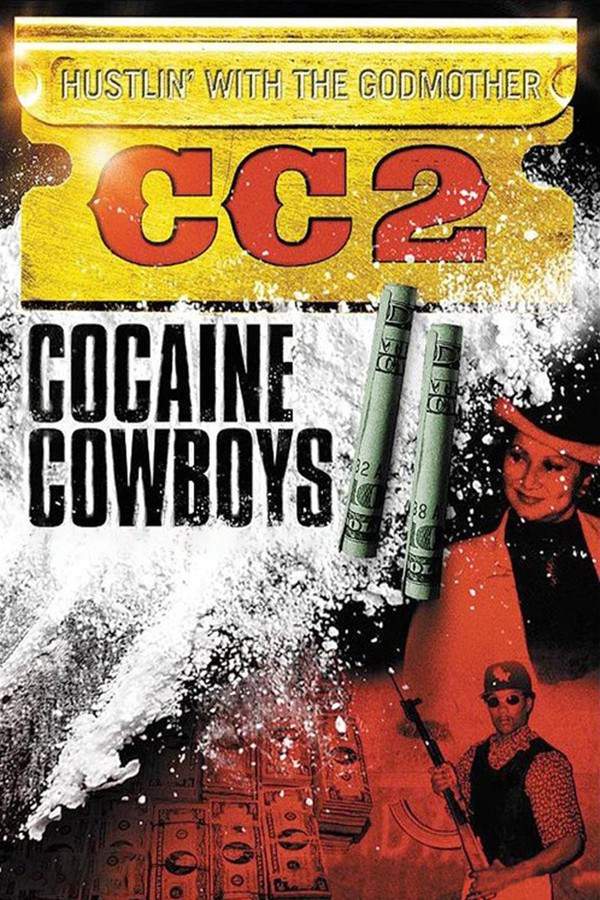
Cocaine Cowboys presents a stark, documentary-style portrait of America’s cocaine boom, tracing its roots in Miami’s 1970s and 1980s drug trade before widening the lens toward the volatile underworld that emerged in Oakland during the 1990s. Interviews with law enforcement and organized-crime figures, paired with period news footage, create an immediate sense of a world operating under different rules, where ambition, corruption, and sheer profit blur the boundaries between legal and illegal life.
The setting is more than a backdrop: imported cocaine reshapes cities, fuels consumer markets, and sends enormous sums of money into property, businesses, and infrastructure. Smugglers, investors, and street-level operators form a loose hierarchy, using boats and aircraft, legitimate fronts, and sophisticated surveillance to move both drugs and capital. The film’s atmosphere feels opportunistic and precarious, capturing an economy in which prosperity and danger grow side by side.
At the center of the human story is Griselda Blanco, a cartel boss whose reputation and influence stretch well beyond any single neighborhood. Her presence brings the film’s sprawling criminal landscape into sharper focus. Charles Cosby, described as a ruthless drug dealer, becomes the other central figure, and their unexpected alliance while incarcerated introduces a charged dynamic between two formidable personalities accustomed to command, risk, and leverage.
Rumors of a daring scheme involving John F. Kennedy Jr. add another layer of intrigue, hinting at the audacity and disregard for consequences that define this world. Rather than offering simple heroes and villains, Cocaine Cowboys portrays an ecosystem of alliances, power, and mutual dependence. Its tone is gritty, revealing, and ominous, inviting viewers into a vivid portrait of the people and forces behind an American drug empire.
What Happens in Cocaine Cowboys?
The complete story of Cocaine Cowboys, from the first scene to the last, in 273 words (about 1 minute). Spoilers throughout.
Spoilers ahead
Cocaine Cowboys is a detailed chronicle of the rise and evolution of the illegal drug trade in Miami throughout the 1970s and 1980s. Utilizing a combination of archival news footage and candid interviews with both organized crime leaders and law enforcement officials, the film illustrates a pivotal shift in narcotics; while marijuana dominated the region in the 1960s, it was eventually replaced by the far more lucrative cocaine trade. As the supply increased, prices plummeted, allowing the drug to penetrate “blue collar” markets and reach a much wider demographic.
The documentary delves into the complex logistics of smuggling, detailing how aircraft and boats were used alongside legitimate business fronts to mask illegal operations. Smugglers employed sophisticated electronic homing devices and elaborate transportation schemes to evade capture. The sheer volume of wealth generated was so immense that importers struggled to store their cash, leading them to invest in racehorses, entire residential neighborhoods, and establish financial ties with Manuel Noriega in Panama.
To maintain their grip, distribution networks utilized high-tech radio equipment to monitor police frequencies and purchased strategic condominiums to track U.S. Coast Guard patrols. The film posits that Miami’s rapid economic growth during this era was indirectly fueled by drug money, which financed many of the city’s modern high-rise buildings. This boom eventually led to a bust; when law enforcement intensified their crackdown, luxury businesses collapsed due to a sudden drop in spending.
The era was also defined by extreme gangland violence and corruption, largely attributed to the operations of the infamous crime matriarch Griselda Blanco. It was this atmosphere of lawlessness and brutality that ultimately gave rise to the term “Cocaine Cowboys.”
Cocaine Cowboys Timeline: Every Key Event in Order
16 key events in the order they happen, from “The Marijuana Era” to “The Bust That Followed the Boom”. 13 events name a place, across 5 locations.
- 1
The Marijuana Era
In the 1960s and early 1970s, marijuana was the primary drug imported into the Miami region. Smugglers established the early trafficking routes and networks that would later be adapted for far more profitable products. This period laid the foundation for Miami's emergence as a drug trade hub.
When:1960s - early 1970s Where:Miami, Florida
- 2
The Shift to Cocaine
During the 1970s, marijuana imports were replaced by the much more lucrative cocaine trade. Smugglers recognized the enormous profit margins cocaine offered and rapidly pivoted their operations. The transition transformed Miami into the primary entry point for cocaine entering the United States.
When:1970s Where:Miami, Florida
- 3
Cocaine Goes Blue Collar
As increasing quantities of cocaine were smuggled into the United States, the price of the drug dropped significantly. This made cocaine accessible to a much wider market, turning it from an elite indulgence into a 'blue collar' commodity. The expanding customer base fueled even greater demand and profits.
When:1970s Where:United States
- 4
Smuggling by Air and Sea
Drug smugglers relied primarily on aircraft and boats to transport cocaine into Florida. In the film, several smugglers reveal the different methods they used to move drugs across borders. These transport operations became increasingly sophisticated as the trade grew.
Where:Florida
- 5
Legitimate Businesses as Cover
The smuggling operations required complex logistics, including the purchase and financing of legitimate businesses. These front companies provided cover for the illegal activities happening behind the scenes. The dual structure allowed traffickers to operate in plain sight.
- 6
High-Tech Smuggling Methods
Smugglers employed sophisticated electronic homing devices and elaborate transportation schemes to move their product. These technological innovations gave them a significant edge over law enforcement for years. The complexity of their methods amazed even the officers tasked with stopping them.
- 7
The Money Storage Problem
Importers struggled to store the immense amounts of cash their operations generated. To handle the surplus, they established a relationship with Manuel Noriega in Panama. This arrangement gave them a place to park fortunes that exceeded what traditional laundering could handle.
Where:Panama
- 8
Real Estate and Racehorses
Drug money was poured into entire neighborhoods of houses as traffickers sought places to invest their cash. They also put money into infrastructure and side projects such as racehorses. These investments helped legitimize fortunes built on the cocaine trade.
Where:Miami, Florida
- 9
Watchtowers on the Waterways
Condominiums were purchased near particular ocean waterways to serve as monitoring posts for smugglers. From these vantage points, spotters kept track of U.S. Coast Guard and local police patrol boats. The intelligence gathered from these posts helped shipments avoid interception.
Where:Florida
- 10
Monitoring the Authorities
High-tech radio equipment was used to monitor the radio frequencies of federal, state, and local authorities. This allowed smugglers to intercept communications about enforcement activity in real time. Incoming boats and airplanes could be warned off before walking into a trap.
Show the other 6 events of Cocaine Cowboys Hide the last 6 events
- 11
Miami's Drug-Fueled Boom
The film documents that much of Miami's economic growth during this era was a direct benefit of the drug trade. As members of the drug trade made immense amounts of money, the cash flowed into legitimate businesses across the city. The local economy boomed on the back of cocaine profits.
When:1970s - 1980s Where:Miami, Florida
- 12
A Skyline Built on Cocaine
Drug money indirectly financed the construction of many of the modern high-rise buildings in southern Florida. Developers benefited from the flood of cash even if its origins were never questioned. The construction boom permanently reshaped the region's skyline.
Where:Southern Florida
- 13
The Reign of Griselda Blanco
Griselda Blanco, an infamous crime family matriarch, played a major role in the history of the drug trade in Miami and other cities across America. Her operations spread violence far beyond Florida's borders. Interviewees in the film argue she was one of the most consequential figures of the era.
Where:Miami, Florida
- 14
Gangland Violence and the 'Cocaine Cowboys'
The drug trade brought rampant gangland violence to the streets of Miami, much of it tied to Blanco's operations. The lawless and corrupt atmosphere became so notorious that the gangsters were dubbed the 'Cocaine Cowboys.' The nickname came to define the city's violent drug wars.
Where:Miami, Florida
- 15
Law Enforcement Cracks Down
Intensified law enforcement pressure eventually drove many of the major players out of the picture. The crackdown dismantled the networks that had operated with near impunity for years. It marked the beginning of the end for the golden era of Miami's cocaine trade.
Where:Miami, Florida
- 16
The Bust That Followed the Boom
Once the major traffickers were removed from the scene, numerous high-end stores and businesses closed because of plummeting sales. The collapse revealed how deeply Miami's legitimate economy had depended on drug money. The city's boom years faded as the cocaine cash dried up.
Where:Miami, Florida
What Kind of Film Is Cocaine Cowboys?
Dark in tone, with variable pacing and a complex story, going by the plot summary.
- Tone
- Dark
- Pacing
- Variable
- Story
- Complex
- Intensity
- High
- Ending
- Bleak
A grim, sprawling true-crime chronicle that methodically traces the cocaine trade's money, logistics and brutality, weaving archival news footage and stark interviews into an unsettling portrait of corruption.
- grim
- gritty
- ominous
- chaotic
- relentless
- bleak
- drug trade
- organized crime
- narcotics economics
- law enforcement corruption
Content notes: drug use and drug dealing, murder, graphic violence, shootings, body dismemberment imagery, organized crime.
Quiz
How well do you remember Cocaine Cowboys? Test yourself on the story.