
Close to My Heart 1951

Directed by
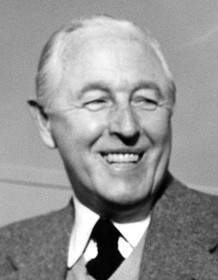
William Keighley
Made by

Warner Bros. Pictures
Where to Watch Close to My Heart
See current US streaming, rental, and purchase options for Close to My Heart (1951) via JustWatch.







Close to My Heart Plot Summary
Read the complete plot summary and ending explained for Close to My Heart (1951). From turning points to emotional moments, uncover what really happened and why it matters.
Brad Sheridan, Ray Milland, a newspaper columnist, and his wife Midge Sheridan Gene Tierney yearn for a family but hit the same wall many would expect: they cannot have children of their own. In a bid to grow their family, they set their sights on adoption. The adoption agency warns of a long waiting list, but Midge learns of an abandoned child left at the police station. The infant, a boy named Danny, is described as a ward of the juvenile court, which gives the Sheridans a glimmer of possibility. They visit Danny under a ruse—Midge posing as Brad’s secretary—while Brad weighs the moral balance of pursuing a private path to parenthood versus the formal route through the agency. The potential for a quiet, private future pulls at Midge, and she grows increasingly attached to the child, even as Brad tries to restrain his own emotions to keep things practical.
In a moment of reckoning, Brad’s column reveals the abandonment, a move that stings Midge and tests their partnership. The revelation becomes a fault line in their relationship, threatening to derail the adoption before it can truly begin. Into this tension steps Mrs. Morrow, the cautious yet determined head of the adoption agency, portrayed by Fay Bainter Fay Bainter. She inspects the Sheridan home and warns that Danny’s uninvestigated background makes the path to adoption risky. Her experience tells her that a foundling status can help in the short term, but the true test lies in the child’s future and the family’s readiness to welcome him without resolving every mystery.
As Brad digs deeper, a troubling pattern emerges: he learns of a well-known local adoptive family whose child grew up to become a criminal, a cautionary tale that underscores the price of unknown histories. This information fuels his determination to uncover Danny’s past, even as the clock ticks toward a decision that would change all their lives. Brad’s investigation leads him to Arlene, a woman who claims Danny’s mother, Martha, died giving birth in the building where Arlene worked. Arlene insists that the father took the baby, but in truth she took the child herself. She returns a ring that belonged to Martha, a tangible link to a life Brad must now piece together. Brad continues the investigation without Midge’s knowledge, gathering more clues from the boarding house operator, who provides a sweater once worn by Martha.
When Brad shares his discoveries with Midge, Mrs. Morrow again cautions him about interfering with the case, signaling that the agency’s control over the adoption could be compromised by the truth behind Danny’s origins. The trail thickens as Brad learns that Martha had been a respectable schoolteacher who kept company with a man named Edward Hewitt. Brad suspects this Hewitt may have accompanied Martha to Reno with marriage in mind, a theory that could explain how the child ended up with the Shoals of fate rather than a conventional family background.
To test his suspicions, Brad takes the step of publishing Hewitt’s photo in an effort to identify him. The move yields a chilling result: Hewitt’s true identity is Everett Heilner, and his past is stained by murder. Heilner’s curt response—there was no place in his life for a child, and the boy will “never be a cop”—drives home the brutal reality that Danny’s origins carry real danger and judgment.
Brad returns home to a tense, volatile scene. Midge, embittered by the roadblocks and the delays she has faced, tells him that the agency has taken Danny in order to protect him from Brad’s investigations. Brad races to reclaim the child, but a court’s probation officer blocks his path. The turning point arrives when Brad argues with Mrs. Morrow, explaining that a meeting with Heilner’s brother convinced him that nurturing a child is more important than the past. His argument persuades the agency to move forward with the adoption, even as the events have already unsettled the couple’s sense of security.
In the end, the Sheridans stand on the cusp of a new chapter, one built on a careful balance of hope and caution. The tale emphasizes the tension between a child’s ownership of his future and the adults who seek to provide him a stable home. The film leaves Danny’s fate intertwined with the couple’s, a reminder that in the realm of family, love must contend with truth, background, and the unpredictable turns of life. Amid the emotional currents and moral questions, Brad and Midge face the complexity of parenthood with a shared resolve, knowing that their decision to pursue adoption will forever shape who they are as a family.
Close to My Heart Timeline
Follow the complete movie timeline of Close to My Heart (1951) with every major event in chronological order. Great for understanding complex plots and story progression.
Brad and Midge decide to pursue adoption
Brad Sheridan, a newspaper columnist, and his wife Midge decide to adopt because they cannot have children of their own. They learn of a baby named Danny who was abandoned and is a ward of the juvenile court at a police station. They visit Danny under the ruse that Midge is Brad's secretary, hoping to evaluate him as a potential son.
Midge grows attached, Brad remains wary
Midge develops a strong emotional attachment to Danny during the visits, while Brad tries to shield himself from getting too involved. Brad also writes a newspaper column disclosing the child's abandonment, which angers Midge and strains their budding agreement. The couple's dynamic shifts as their ambitions and feelings pull them in different directions.
Adoption agency warns about Danny's background
Mrs. Morrow from the adoption agency inspects the Sheridan home and warns that adopting Danny is risky due to his uninvestigated background. She cautions that the agency cannot proceed with the adoption unless Brad eases off his investigations. The warning creates a conflict between Brad's curiosity and the agency's procedural requirements.
Danny's status as a foundling complicates but helps adoption
Danny's status as a foundling makes him an easier candidate for adoption in some eyes, since the background is less established and harder to verify. Brad learns of a well-known local couple whose adopted son became an adult criminal, illustrating how appearances can be deceiving regarding a child's past. These revelations influence his view on what truly matters in parenting.
Brad begins digging into Martha's past
Brad's investigation leads him to an apartment where a woman named Arlene claims Danny's mother Martha died giving birth there. Arlene asserts she took the child herself after lying that the father took him. She provides Brad with Martha's ring as part of the evidence.
Arlene's revelation and the ring as proof
Arlene's tale becomes a central piece of the puzzle: Martha died in the apartment building during childbirth, and Arlene stole the baby. The ring belonging to Martha serves as a tangible link to the missing mother and intensifies Brad's quest for the truth. The new clues push Brad deeper into the investigation.
Brad shares his investigations with Midge
Brad informs Midge about the steps he's taking to uncover Danny's background, keeping some details from her as he digs deeper. Midge reacts with a mix of concern and anxiety, feeling the strain of the secretive pursuit. The couple's relationship teeters as trust and safety concerns intersect with the adoption.
Clue at the boarding house
A boarding house operator provides Brad with a sweater that belonged to Martha, adding another physical link to the past. The sweater corroborates Brad's growing impression that Martha and Danny's origin is more complex than it first appeared. This clue tightens the timeline of events surrounding Martha's life.
Hewitt emerges as Martha's partner
Brad discovers Martha kept company with a man named Edward Hewitt, whom he suspects traveled to Reno with Martha to marry her. To aid in identification, Brad publishes Hewitt's photo in his newspaper. The revelation raises the possibility that Danny's lineage is tied to a potentially dangerous past.
Hewitt's criminal past comes to light
Mrs. Morrow recognizes Hewitt's photo and informs Midge that Hewitt is incarcerated for murder, which would block the adoption progression. This discovery complicates Danny's future with the Sheridans, underscoring how dangerous or controversial backgrounds can derail the plan. The adoption's fate hangs in the balance of legal and moral considerations.
Brad visits Hewitt in prison
Brad visits Everett Heilner, Hewitt's real name, at San Quentin State Prison and tells him that he has a son and that Martha died giving birth. Hewitt dismisses the idea of a family and coldly asserts there was no place in his life for a child, implying the child will never be a cop. The conversation reveals Hewitt's aloof attitude toward responsibility and parenthood.
Agency takes Danny and Brad's confrontation at the courthouse
Brad returns home to learn that the adoption agency has taken Danny to protect him from potential harm, prompting Brad to rush to retrieve the child. He is blocked by the court's probation officer, halting his immediate attempt. The legal system acts as the final gatekeeper between Brad's desire and Danny's future.
Adoption approved after Brad's persuasive reasoning
Brad convinces Mrs. Morrow of the adoption's viability by recounting how a meeting with Heilner's brother convinced him nurturing a child outweighs concerns about background. The agency ultimately approves the adoption, allowing Danny to join the Sheridans for a hopeful future. The conclusion reflects the film's emphasis on love and nurturing over past connections.
Close to My Heart Characters
Explore all characters from Close to My Heart (1951). Get detailed profiles with their roles, arcs, and key relationships explained.
Brad Sheridan (Ray Milland)
A newspaper columnist and husband who desperately wants a family but is initially cautious about adopting Danny. His investigative instinct leads him to uncover the child's history, even at the risk of alienating his wife. His determination to reveal the truth is tempered by a growing sense of responsibility for Danny's future.
Midge Sheridan (Gene Tierney)
Brad's wife, emotionally invested in adopting Danny and forming a family. She forms a deep bond with the foundling and represents the nurturing instinct that clashes with Brad's investigative drive. Her protective instincts push the couple toward a decisive, compassionate outcome.
Danny
A foundling whose uncertain background drives the central conflict. He becomes the emotional focal point for both Brad and Midge, around whom the couple's choices revolve. His presence catalyzes debates about nature, nurture, and the responsibilities of would-be parents.
Mrs. Morrow (Fay Bainter)
Adoption agency official who counsels Brad and Midge and warns about the risks of adopting Danny without fully verifying his background. She represents institutional caution and the weight of regulatory processes.
Arlene (Mary Beth Hughes)
A boarding-house resident who shapes Brad's understanding of Danny's past by sharing a false narrative about Martha and the child's origins. Her deception complicates the investigation and highlights how easily rumors can distort truth.
Everett Heilner (Edward Hewitt)
A former partner of Martha and the man whose past Brad suspects influenced Danny's fate. In prison, he dismisses fatherhood as irrelevant to Danny's future, underscoring the opposing views of nature and nurture.
Close to My Heart Settings
Learn where and when Close to My Heart (1951) takes place. Explore the film’s settings, era, and how they shape the narrative.
Location
Brad and Midge's home, San Quentin State Prison, Reno (Nevada), Police station, Adoption agency, Boarding house
Most of the film unfolds within a mid-sized American city and the surrounding institutions that govern family life. The Sheridans' home sits beside offices of the adoption agency, the juvenile court, and the public police station, illustrating how private longing collides with public rules. A boarding house and the penitentiary add grit and danger to the investigation into Danny's past. The setting blends intimate domestic space with impersonal institutions, driving the drama.
Close to My Heart Themes
Discover the main themes in Close to My Heart (1951). Analyze the deeper meanings, emotional layers, and social commentary behind the film.
💞
Adoption
The story centers on Brad and Midge's longing to become parents and the moral complexities of taking in a child with an uncertain background. The adoption process is portrayed as both a hopeful path and a minefield of risk, where intent must navigate real-world safeguards. The couple's emotional stakes clash with agency cautions and courtroom decisions.
🔎
Investigation
Brad's relentless digging into the child's past drives the plot, uncovering details that challenge the couple's assumptions. The pursuit of truth tests trust and reveals how information can shape or ruin a family’s future. Arlene's lies and Everett Heilner's shadowy history complicate what is known about Danny's origins.
🤝
Trust
Trust is earned through compassion rather than bloodlines; the film argues that nurture can outweigh perceived heredity. Midge's emotional attachment to Danny contrasts with Brad's investigative impulse, culminating in a decision that prioritizes the child's welfare over sensational revelations. The ending reinforces the power of chosen family and redemption.

Coming soon on iOS and Android
The Plot Explained Mobile App
From blockbusters to hidden gems — dive into movie stories anytime, anywhere. Save your favorites, discover plots faster, and never miss a twist again.
Sign up to be the first to know when we launch. Your email stays private — always.
Explore the mobile appClose to My Heart Spoiler-Free Summary
Discover the spoiler-free summary of Close to My Heart (1951). Get a concise overview without any spoilers.
In a modest town where the rhythm of daily life is punctuated by the clatter of typewriters and the soft murmur of courthouse doors, a quiet yearning shapes the story. The world feels both intimate and edged with the official procedures of post‑war America, where hope often travels through the corridors of a newspaper office or the waiting rooms of an adoption agency. The tone balances gentle warmth with an undercurrent of measured tension, hinting that ordinary dreams can be fraught with hidden complexities.
Brad Sheridan is a seasoned newspaper columnist whose keen eye for the human condition is matched only by his pragmatic approach to the obstacles that arise. Beside him, Midge Sheridan is his devoted wife, a woman whose empathy and intuition drive her to seek the family she has long imagined. Their marriage is a partnership of complementary strengths: Brad’s steady logic meets Midge’s heartfelt urgency. Adding a layer of seasoned counsel, Mrs. Morrow oversees the adoption agency with a wary yet compassionate professionalism, embodying the bureaucratic gatekeepers who balance hope against caution.
When the Sheridans learn of an abandoned infant left at a police station—a boy whose very existence is a legal ward of the juvenile court—they glimpse a possible path to the family they have long desired. The prospect forces them to weigh the formal, often lengthy, adoption process against a more immediate, private route. Their differing reactions to the child’s unknown past stir a delicate tension, illuminating both the fragility and resilience of their bond. As they stand at the threshold of a new chapter, the film subtly explores how love, responsibility, and the unseen histories that shape us intertwine, leaving the audience attentive to the quiet drama that unfolds behind closed doors.
Movies with Similar Twists and Themes
Uncover films that echo the narrative beats, emotional arcs, or dramatic twists of the one you're exploring. These recommendations are handpicked based on story depth, thematic resonance, and spoiler-worthy moments — perfect for fans who crave more of the same intrigue.




Featured on this page

What's After the Movie?
Not sure whether to stay after the credits? Find out!
Check out our other apps:

SAT Sphere
Build confidence for the Digital SAT.

Mori Atlas
Discover wild places worth protecting.

Luntero
Search smarter for a home in Amsterdam.

Plot Explained
Unravel movie endings and hidden clues.

Pokechamp
Dive into Pokémon data and battle logic.

Driving Theory
Get ready for your European theory test.

Movie Dust
Plan your next cinema trip with ease.

Musemap
Find art and culture as you travel.

Selkobase
Compare credentials before committing.

Local Manual
Turn an unfamiliar country into practical next steps.

Lernavi
Compare school systems before your next move.

GymRoam
Find a workout stop wherever your plans take you.
Explore Our Movie Platform
New Movie Releases (2026)
Famous Movie Actors
Top Film Production Studios
Movie Plot Summaries & Endings
Major Movie Awards & Winners
Best Concert Films & Music Documentaries
Movie Collections and Curated Lists
© 2026 What's After the Movie. All rights reserved.
Privacy Policy