
City of Lies 2018


Directed by
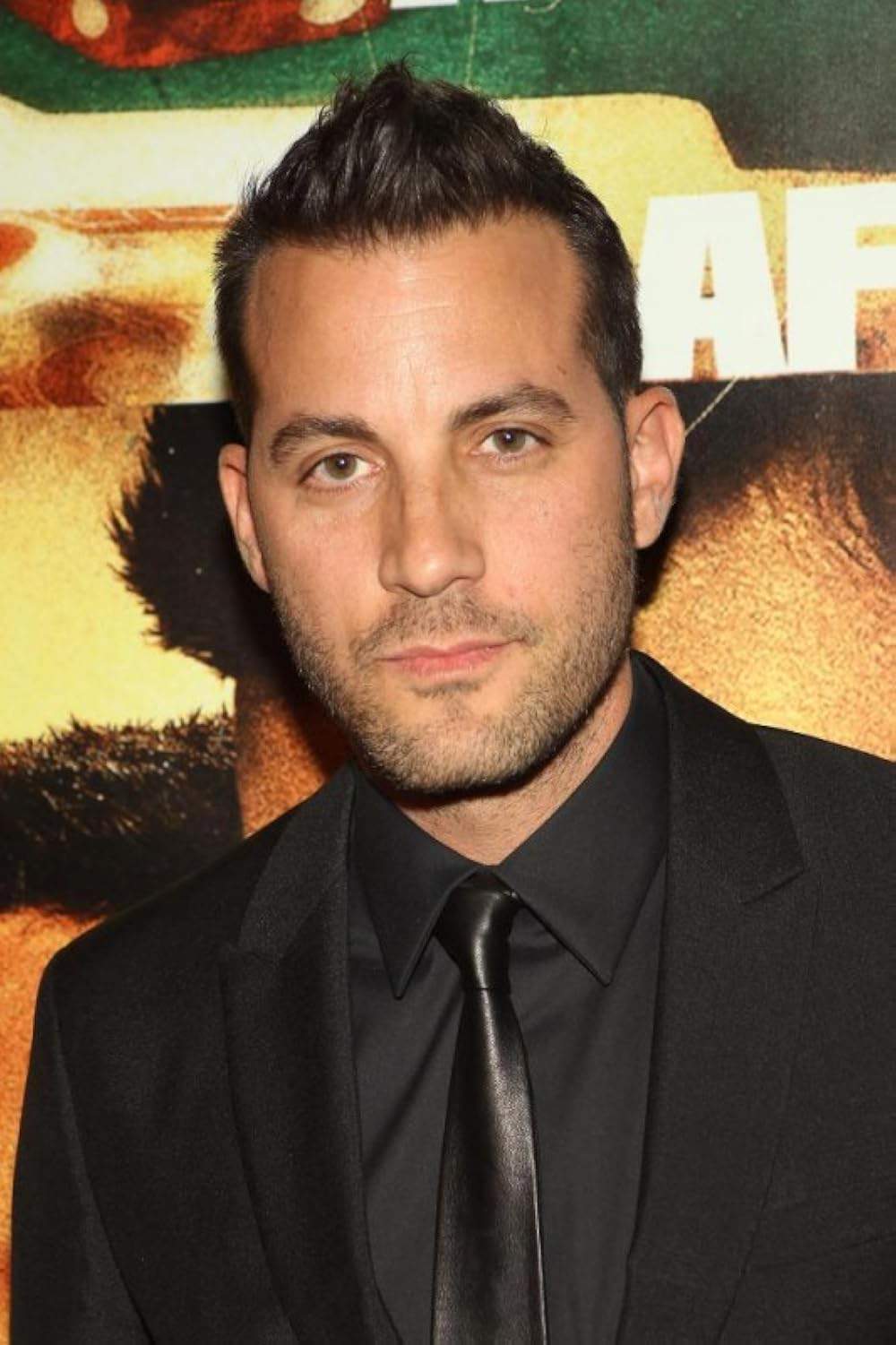
Brad Furman
Made by

Infinitum Nihil
Where to Watch City of Lies
See current US streaming, rental, and purchase options for City of Lies (2018) via JustWatch.

Amazon Prime Video
HD
Amazon Prime Video with Ads
HD
Howdy Amazon Channel
HD
MovieSphere+ Amazon Channel
HD
Hoopla
SD
Amazon Prime Video Free with Ads
HD
Amazon Video
HD
Apple TV Store
HD
Fandango At Home
HD
Google Play Movies
SD
YouTube
SD Streaming availability powered by 
City of Lies Plot Summary
Read the complete plot summary and ending explained for City of Lies (2018). From turning points to emotional moments, uncover what really happened and why it matters.
In 2015, Los Angeles Times investigative reporter Darius “Jack” Jackson, Forest Whitaker, is assigned to cover the murder of the Notorious B.I.G. (Christopher Wallace), and he meets the retired and disgraced LAPD detective Russell Poole, Johnny Depp. Through a series of flashbacks, Poole reveals his theory that Death Row Records CEO Suge Knight paid corrupt LAPD officers to murder Wallace and cover it up.
In 1997, just weeks after the Wallace case, Poole is tasked with investigating the shooting of off-duty black officer Kevin Gaines by a white detective Frank Lyga, Shea Whigham. Poole faces mounting pressure from upper management as Los Angeles wrestles with a wave of race-related tensions, including the Rodney King beating and the O.J. Simpson trial. During the investigation, Poole learns Gaines was on Knight’s payroll and had Bloods affiliations. Poole’s superior, Lieutenant O’Shea, refuses to credit the theory and orders Poole to close the Gaines–Lyga shooting. Lyga is exonerated but faces a civil suit, with attorney Johnnie Cochran representing the Gaines family. Poole corroborates the link between Knight and Gaines via an undercover FBI source and is reassigned to the Robbery-Homicide Division to pursue Wallace’s murder.
Poole and his partner Fred Miller obtain the names of suspects: David Mack, Shamier Anderson; Wardell “Dreadlocks” Fouse, Rockmond Dunbar; and Nation of Islam member Amir Muhammad. Poole learns Mack worked security for Wallace and has ties to a bank robbery. Mack is arrested but does not reveal information about Wallace’s death. Poole then tracks Rafael Pérez, Neil Brown Jr, after learning Pérez has been stealing cocaine from the evidence room; Poole intervenes and shoots Pérez in self-defense. Pérez is charged and implicates himself and others in various misdeeds. Poole is granted his own task force and plans to testify in Lyga’s civil case, asserting that Mack was involved in Wallace’s death and that the LAPD is covering it up, but the city settles before the trial. Lyga fails to clear his name, and Poole is shunned by his colleagues.
Voletta Wallace, Voletta Wallace, files a wrongful death claim grounded in Poole’s findings. Mack and Amir Muhammad are named as defendants but are dropped shortly before trial after the LAPD and FBI dismiss them as suspects. Poole resigns in disgrace one month before he would have been eligible for his pension, a move that costs him his family.
Jackson reconnects with Poole and Voletta, and they forge a cautious friendship. Jackson apologizes for a prior article that implied Wallace’s involvement in Tupac Shakur’s murder; Voletta accepts the apology, acknowledging Poole’s sacrifice. Poole reveals to Jackson that Wallace’s earning potential could have reached around $1 billion, and a civil suit could bankrupt the city. One day, Poole visits the L.A. Sheriff’s Department in an attempt to reopen his investigation, but he suffers a heart attack and dies some time later.
Driven by guilt, Jackson pens a tribute that casts Russell Poole as a forgotten hero. The piece earns praise, yet Jackson ultimately resigns, feeling the system remains hypocritical and unworthy of celebrated heroes. In the end, the murders of Wallace and Tupac Shakur stay unresolved, leaving a lasting unease about a city grappling with a painful chapter in its history.
City of Lies Timeline
Follow the complete movie timeline of City of Lies (2018) with every major event in chronological order. Great for understanding complex plots and story progression.
Jackson meets Poole and takes on Wallace case
In 2015, Darius 'Jack' Jackson is assigned to cover the Notorious B.I.G. murder and travels to speak with the retired LAPD detective Russell Poole. Poole begins to share his controversial theory that Suge Knight paid corrupt officers to murder Wallace and cover it up. The meeting sets up a decades-spanning investigative thread that blends present-day journalism with past revelations.
Poole's flashback theory of a cover-up
During flashbacks, Poole elaborates on his belief that Knight orchestrated the killing with the help of corrupt cops. He argues the case was tainted by politics, media sensationalism, and racial tensions in Los Angeles. These claims frame the entire investigation and fuel Jackson's pursuit of the truth.
1997: Gaines shooting and media frenzy
In 1997, Poole investigates the shooting of off-duty Black LAPD officer Kevin Gaines by white detective Frank Lyga. The case unfolds amid a citywide climate shaped by the Rodney King beating and the O.J. Simpson trial. Pressure from upper management to manage the narrative intensifies the stakes for Poole.
Gaines on Knight payroll; O'Shea blocks inquiry
Poole discovers Gaines was on Knight's payroll and had Bloods gang ties. His superior, Lieutenant O'Shea, refuses to credit this theory and orders the Gaines-Lyga case closed. The clash highlights the LAPD's resistance to exposing a possible conspiracy within its ranks.
Transfer to Robbery-Homicide and Wallace case
Following the Knight-Gaines connection, Poole is transferred to the Robbery-Homicide Division to reopen the Wallace murder inquiry. The Wallace case becomes Poole's new battleground as he challenges the department's official line.
Suspects named: Mack, Muhammad, Fouse
Poole and his partner Fred Miller compile suspects linked to Knight's LAPD network, including David Mack, Amir Muhammad, and Wardell Fouse. Mack had security ties to Wallace and was recently linked to a bank robbery, making him a central yet guarded lead.
Mack arrested; withholds information
David Mack is arrested but refuses to divulge information about Wallace's death. Poole continues pressing for cooperation while higher authorities grow wary of the investigation. The case becomes increasingly entangled in internal politics.
Perez's cocaine theft leads to exposure
Poole begins tracking Rafael Pérez after learning he stole cocaine from the evidence room. He tails Pérez and witnesses him shoot a drug dealer, prompting Poole to intervene by shooting Pérez in self-defense. Pérez's criminal charges implicate himself and other officers in broader misconduct.
New task force and Lyga trial looming
After Pérez's exposure, Poole is granted his own task force and prepares to testify in Lyga's civil trial to connect Mack to Wallace's death. He aims to reveal the department's cover-up, but the city settles the Lyga case before any trial. The outcome deprives Poole of formal vindication.
Lyga trial ends; Poole shunned
Lyga is unable to clear his name, and Poole is shunned by the LAPD for his accusations. The department distances itself from his findings, deepening Poole's sense of isolation and betrayal.
Wallace wrongful death claim and dropped defendants
Voletta Wallace files a wrongful death claim against Los Angeles; Mack and Amir Muhammad are named as defendants but are dropped shortly before trial after the LAPD and FBI dismiss them as suspects. The legal process adds another layer of tension to the ongoing pursuit of truth.
Poole resigns; personal cost
Poole resigns from the LAPD one month before he would have reached pension eligibility, a decision that costs him his family and his standing within the department. The resignation marks a personal downfall despite his persistent efforts.
Decades later: Jackson and Voletta meet Poole
Years after Wallace's murder, Jackson and Voletta Wallace meet Poole and form a growing friendship. Jackson apologizes for writing an earlier Tupac-related article implicating Wallace, and Voletta thanks Poole for his sacrifices.
Earning potential and civil suit warning
Poole informs Jackson that Wallace's earning potential could be about $1 billion and that a civil suit could bankrupt the city. The remark underscores the enormous stakes tied to Wallace's legacy and the LAPD's exposure.
Poole dies; Jackson writes tribute and resigns
Poole suffers a heart attack while attempting to reopen his Wallace inquiry and dies soon after. Using the information he gathered, Jackson writes a memorial article praising Poole as a forgotten hero; the piece is acclaimed, but Jackson soon resigns from his job.
City of Lies Characters
Explore all characters from City of Lies (2018). Get detailed profiles with their roles, arcs, and key relationships explained.
Darius 'Jack' Jackson (Forest Whitaker)
In 2015, Jackson is an investigative reporter tasked with exploring the Wallace murder, rekindling decades-old questions through interviews and archival research. He forms a cautious alliance with Poole and ultimately writes a piece that reframes Poole as a forgotten hero, even as he grows disillusioned with systemic hypocrisy. His pursuit of the truth drives the film’s throughline across time.
Russell Poole (Johnny Depp)
A veteran LAPD detective who develops a controversial theory that Suge Knight corrupted officers to murder Wallace and cover up the crime. He endures career sabotage, a transfer, and social shunning as he pursues the truth. His relentless investigation ends with a heart attack, highlighting the personal costs of challenging a powerful system.
Kevin Gaines (Amin Joseph)
A white detective whose shooting by a fellow officer intersects with Knight's payroll and gang ties, complicating the Gaines-Lyga case. His involvement helps propel Poole’s investigation and the broader corruption narrative, contributing to civil suits and public scrutiny.
Frank Lyga (Shea Whigham)
Lyga is the detective at the center of the Gaines-Lyga shooting. Though exonerated publicly, he faces civil suits and immense pressure to close the case, illustrating how institutional protection can shield wrongdoing and crush individual reputation.
David Mack (Shamier Anderson)
An LAPD officer connected to Knight and Wallace's security details, Mack’s arrest and links to a bank robbery contribute to the tapestry of police complicity. His role expands Poole’s list of suspects and underscores how powerful figures can influence law enforcement.
Christopher Wallace (Notorious B.I.G.) (Jamal Woolard)
The murder victim whose death sparks a public controversy about race, policing, and celebrity influence. Wallace’s case becomes a focal point for debates over truth, memory, and how media narratives shape perception of crime. His legacy looms over the investigation and its unresolvable conclusions.
Voletta Wallace (Voletta Wallace)
Wallace’s mother, who files a wrongful death claim and anchors the human cost of an unsolved murder. Her presence underscores the emotional stakes of the investigation and the drive for accountability, shaping public memory and the pursuit of justice.
Lieutenant O'Shea (Dayton Callie)
Poole’s superior who resists the conspiracy theory and pressures him to close the Gaines-Lyga investigation, illustrating the LAPD hierarchy and the political pressures within the department. His stance helps push Poole toward deeper inquiry, highlighting the friction between leadership and investigative ambition.
City of Lies Settings
Learn where and when City of Lies (2018) takes place. Explore the film’s settings, era, and how they shape the narrative.
Time period
1997, 2015
The film moves between 1997, the era of the Wallace murder and the Gaines-Lyga shooting, and a 2015 frame in which a reporter revisits the case. The 1997 segment reflects a time of heated public discourse on police conduct and race in Los Angeles, while 2015 adds a reflective, retrospective viewpoint on justice and memory.
Location
Los Angeles
The story unfolds in Los Angeles, using the city’s police culture and media spotlight as a backdrop for a high-profile murder investigation. It situates the events within a climate of racial tension and intense public scrutiny in the late 1990s, with a framing that revisits the case years later in 2015. The setting emphasizes a metropolis where crime, power, and reputation intersect and shape the narrative.
City of Lies Themes
Discover the main themes in City of Lies (2018). Analyze the deeper meanings, emotional layers, and social commentary behind the film.
🕵️
Corruption
The investigation uncovers connections between police officers, criminal figures, and cover-ups that obscure the truth about Wallace's death. It shows how institutional power can pressure investigators and influence outcomes. The narrative emphasizes the difficulty of exposing wrongdoing when interests are protected by the system. Poole’s work reveals a pattern of complicity that challenges official narratives.
⏳
Legacy
The film considers what remains of a career and a reputation after a controversial investigation. It contrasts personal sacrifice with institutional resistance to acknowledging fault. Jackson’s retrospective tribute to Poole showcases how memory can rehabilitate a fallen investigator, even while justice remains elusive. The ending suggests that legacy is built through perseverance in the face of hypocrisy.
🧭
Investigative
The plot follows a winding trail of leads—from Gaines to Mack to Pérez—and the complex ties between law enforcement and crime. It portrays the challenges of assembling a coherent truth amid shifting loyalties and evolving testimonies. The investigation underscores how evidence can be manipulated, yet also highlights the stubborn pursuit of accountability. It frames inquiry as a long, arduous journey rather than a single breakthrough.

Coming soon on iOS and Android
The Plot Explained Mobile App
From blockbusters to hidden gems — dive into movie stories anytime, anywhere. Save your favorites, discover plots faster, and never miss a twist again.
Sign up to be the first to know when we launch. Your email stays private — always.
Explore the mobile appCity of Lies Spoiler-Free Summary
Discover the spoiler-free summary of City of Lies (2018). Get a concise overview without any spoilers.
Los Angeles looms large in the film, a sprawling metropolis where glitz and glare sit beside rusted avenues and whispered histories. The city’s pulse is a restless mix of celebrity excess, street‑level tension, and a lingering sense that the official story never tells the whole truth. Within this layered backdrop, a lingering question about two iconic murders hangs over the streets, inviting anyone with a taste for digging deeper to stare into the shadows.
Russell Poole is a retired LAPD detective whose career has been marked by high‑profile investigations and a reputation that has become as tarnished as it is respected. Haunted by unfinished business and a personal sense of failure, he walks the line between insider knowledge and outsider cynicism, aware of how institutional politics can eclipse raw fact. His experience grants him a keen eye for the hidden connections that most overlook, but it also leaves him wrestling with the cost of truth in a system that protects its own.
Jack Jackson is an investigative reporter whose own professional trajectory has stalled, leaving him hungry for a story that could restore his standing. When he learns of the lingering mysteries surrounding the unsolved murders, he sees an opportunity to chase a narrative that could finally cut through the noise. His partnership with Poole brings together a skeptical, world‑weary cop and an eager, idealistic journalist, creating a dynamic tension between street‑savvy pragmatism and earnest curiosity.
The film moves with a gritty, almost noir‑like rhythm, blending the restless energy of Los Angeles with a tone that feels both urgent and reflective. As the two protagonists navigate bureaucratic labyrinths and muted whispers of corruption, the audience is drawn into a world where every grin hides a secret and every alley could hold the next clue. Their uneasy alliance hints at a deeper hunt for accountability, promising a tense, immersive journey through the city’s most concealed corners.
Featured on this page

What's After the Movie?
Not sure whether to stay after the credits? Find out!
Check out our other apps:

SAT Sphere
Build confidence for the Digital SAT.

Mori Atlas
Discover wild places worth protecting.

Luntero
Search smarter for a home in Amsterdam.

Plot Explained
Unravel movie endings and hidden clues.

Pokechamp
Dive into Pokémon data and battle logic.

Driving Theory
Get ready for your European theory test.

Movie Dust
Plan your next cinema trip with ease.

Musemap
Find art and culture as you travel.

Selkobase
Compare credentials before committing.

Local Manual
Turn an unfamiliar country into practical next steps.

Lernavi
Compare school systems before your next move.

GymRoam
Find a workout stop wherever your plans take you.
Explore Our Movie Platform
New Movie Releases (2026)
Famous Movie Actors
Top Film Production Studios
Movie Plot Summaries & Endings
Major Movie Awards & Winners
Best Concert Films & Music Documentaries
Movie Collections and Curated Lists
© 2026 What's After the Movie. All rights reserved.
Privacy Policy