
Charley and the Angel 1973

Directed by
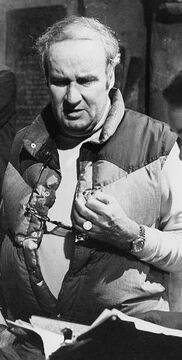
Vincent McEveety
Made by

Walt Disney Productions
Where to Watch Charley and the Angel
See current US streaming, rental, and purchase options for Charley and the Angel (1973) via JustWatch.






Charley and the Angel Plot Summary
Read the complete plot summary and ending explained for Charley and the Angel (1973). From turning points to emotional moments, uncover what really happened and why it matters.
Charley’s life revolves around his hardware store, which he has carefully maintained through his frugality and unwavering dedication during the difficult times of the Great Depression and Prohibition. His commitment has helped his family steer clear of poverty, but it has also created a distance between him and his loved ones. His wife, Cloris Leachman, and their children yearn for a better life, with the Chicago World’s Fair being a symbol of hope and aspiration for them all. His sons, Willie and Rupert, played by Vincent Van Patten and Scott C. Kolden, manage to find work at a junkyard owned by Felix, a man connected to bootleggers, exposing the dangerous edges of their endeavors. Meanwhile, his teenage daughter, Leonora, portrayed by Kathleen Cody, makes a bold decision to elope with a young man named Ray, played by Kurt Russell. Ray’s character seems somewhat untrustworthy, adding tension and uncertainty to the family’s already strained situation.
A pivotal and mystical element of the story involves a shabby-looking angel named Roy Zerney, who appears solely to Charley (played by [Kurt Russell]) and offers him a stark warning: his time on earth is nearing its end. This divine visitor catalyzes Charley’s spiritual awakening, prompting him to seek a more meaningful life. He begins to reform his relationship with his family, deciding to sell his store and strive to become a better husband and father in his final days. Roy’s presence—sometimes helpful, sometimes mischievous—serves as a symbol of divine intervention and the possibility of redemption.
Initially, Charley’s efforts to change are misunderstood by his family, who find his sudden piety and drastic decisions bizarre. His decision to sell the shop puzzles his wife, Nettie, and his children, leaving them to believe that his behavior is somewhat insane, especially when he speaks to Roy, who remains invisible to everyone else. As his financial troubles mount—highlighted by the bank telling him it may close due to economic difficulties—Charley’s situation becomes increasingly urgent. He needs to lend money to his son-in-law, Ray, and his friend, Pete, played by [George Lindsey], as his business faces the threat of collapse.
Despite the mounting difficulties, Charley’s luck begins to change when his sons unwittingly become involved in illegal activities orchestrated by Felix, delivering bootleg liquor in a rickety Model T. The situation escalates when gangsters, responsible for the illegal alcohol operations, attempt to escape the city but end up kidnapping Charley’s sons and forcing them to drive away. Charley, demonstrating unexpected courage, chases the gangsters in a tense pursuit, dodging gunfire in an abandoned car. During this frantic chase, the police mistakenly assume he is the criminal. While in custody, Roy appears to Charley in jail, warning him that his day on Earth might be over, but Charley’s focus remains on his family’s safety.
The climax intensifies when gangsters storm Charley’s home, aiming to take his wife, Nettie, hostage. Despite being shot at point-blank range during the confrontation, Charley miraculously remains unharmed. His bravery and quick action, along with the help of Ray and Pete, succeed in defeating the criminals and handing them over to the police. For his heroism, Charley receives a generous reward of $5,000 from the Chicago police department, a gesture of recognition for his courage. The town’s representatives, including Edward Andrews, come to honor him, offering a hotel stay and tickets to the upcoming World’s Fair, fulfilling the family’s deepest hopes.
As the story concludes, Charley’s final day seems destined for tragedy, but Roy intervenes at the last moment, revealing that the divine decision was to allow Charley to live. Roy’s physical act of pulling a bullet from the air symbolizes divine mercy, nullifying the death sentence Charley believed he faced. The angel’s intervention not only saves Charley but also offers him a renewed outlook on life. He says his heartfelt goodbyes to his wife and children, acknowledging the profound change within himself. This story intertwines elements of faith, redemption, and family, emphasizing that sometimes, even in the toughest moments, hope and divine grace can alter the course of one’s life.
Charley and the Angel Timeline
Follow the complete movie timeline of Charley and the Angel (1973) with every major event in chronological order. Great for understanding complex plots and story progression.
Charley Appleby, a hardware store owner, struggles during the Great Depression and Prohibition
Charley works diligently to keep his family out of poverty, demonstrating his frugality and dedication. His relationship with his wife and children is strained due to their desire to experience the Chicago World's Fair. Despite his hardships, he remains committed to providing for his family and maintaining stability.
Charley's children find work in a junkyard linked to bootleggers
His sons Willie and Rupert manage to secure jobs at a junkyard owned by Felix, who has connections to organized crime. Their involvement in illegal activities begins to highlight the dangerous environment they are drawn into. This work also foreshadows upcoming conflicts with gangsters.
Leonora decides to elope with Ray
Charley's teenage daughter Leonora makes the impulsive decision to run away with Ray, a young man who appears untrustworthy. Her elopement symbolizes family tensions and her desire for independence amidst their financial struggles. It adds to the overall strain on the family dynamics.
Charley is visited by a mysterious angel named Roy Zerney
Charley encounters a shabby-looking angel who claims his time on Earth is limited. The angel, visible only to Charley, begins to influence his decisions, encouraging him to become religious and mend his fractured relationships. This supernatural element introduces a moral dimension to the story.
Charley attempts to change his life and sell the store
Motivated by the angel's guidance, Charley tries to make amends with his family and plans to sell his business to start anew. His efforts are misunderstood by his wife and children, who see his behavior as bizarre. His attempt to improve his life is met with confusion and skepticism.
Financial troubles threaten Charley's business
Charley learns from the bank that it might be in danger of foreclosure, and he is unable to access his savings. He also loans money to his son-in-law Ray and friend Pete, further stretching his limited resources. Tensions rise as his financial situation worsens.
Charley's sons unknowingly deliver illegal alcohol
While managing a rickety Model T, Willie and Rupert unknowingly participate in a bootlegging operation for Felix. They are kidnapped by gangsters attempting to escape to Chicago, leading Charley into dangerous territory as he tries to retrieve them. This action highlights his emerging role as an unlikely hero.
Charley chases gangsters in a daring rescue
Charley personally pursues the fleeing gangsters in an abandoned car, dodging gunfire in a tense chase. His determination to protect his family leads to a confrontation with the criminals. Law enforcement quickly intervenes, capturing the gangsters and saving the day.
Charley is shot but miraculously uninjured
During the final showdown, Charley is shot at close range but unexpectedly receives no wound. The miraculous survival solidifies his transformation from a struggling store owner to a hero and protector of his family. The incident also marks a pivotal moment in his life.
Charley's heroism is recognized with a reward and honor
The police reward Charley with $5000 for capturing the criminals, and he is honored as a town hero. He receives a hotel reservation and tickets to the Chicago World's Fair, fulfilling his family's long-held wish. The town's acknowledgment affirms his renewed sense of purpose.
Charley's future is secured as the bank reopens
The bank examiner confirms the bank's credibility and assures it will reopen, alleviating fears of foreclosure. Pete returns to settle his debt, and the community’s support helps stabilize Charley's family's financial situation. This marks a pivotal turnaround in their fortunes.
Charley plans to say goodbye to his family
Believing his life might be ending soon, Charley prepares to part ways with his family, reflecting on his final day on Earth. His actions demonstrate his desire to leave a positive legacy and to reconcile with his loved ones before potentially passing away.
Roy Zerney intervenes, revealing Charley will live
The angel Roy Zerney reveals that his decision to let Charley live was made in Heaven, and he physically removes a bullet from Charley's air, nullifying the prophecy of death. This divine intervention offers new hope and a future for Charley and his family.
Charley and the Angel Characters
Explore all characters from Charley and the Angel (1973). Get detailed profiles with their roles, arcs, and key relationships explained.
Ray Ferris (Kurt Russell)
Ray is a young man with questionable trustworthiness who has a romantic relationship with Leonora. He is involved in illegal activities and faces moral dilemmas as he interacts with the family. His character reflects youthful daring and the possibility of redemption.
Nettie Appleby (Cloris Leachman)
Nettie, Charley's wife, is a caring mother who struggles with her husband's sudden behavioral changes. She embodies family loyalty and longs for stability and happiness for her children amid difficult circumstances.
Willie Appleby (Vincent Van Patten)
Willie is one of Charley's sons, who is involved in illegal bootlegging operations. His actions exemplify youthful rebellion and the influence of criminal activities during the Prohibition era.
Charley Appleby (Fred MacMurray)
Charley is a hardworking hardware store owner who undergoes significant personal transformation. His commitment to his family and his spiritual awakening highlight themes of integrity and redemption.
Charley and the Angel Settings
Learn where and when Charley and the Angel (1973) takes place. Explore the film’s settings, era, and how they shape the narrative.
Time period
1920s-1930s
The story is set during the Great Depression and Prohibition, times marked by economic hardship and widespread illegal alcohol trade. This period influenced the characters' lives, highlighting struggles for economic stability and moral choices amidst societal challenges.
Location
Chicago, Charley's hometown
The movie takes place in Chicago during the era of Prohibition and the Great Depression. The city is depicted as a bustling hub with illegal activities surrounding bootlegging. It serves as a backdrop for themes of struggle, crime, and community resilience.
Charley and the Angel Themes
Discover the main themes in Charley and the Angel (1973). Analyze the deeper meanings, emotional layers, and social commentary behind the film.
✨
Redemption
Charley's journey reflects themes of redemption as he seeks to mend his strained family relationships and embrace faith. His transformation demonstrates that it's never too late to change and find purpose through sacrifice and honesty.
👪
Family
The importance of family bonds is central, as Charley's efforts to reconnect with his wife and children highlight themes of love, support, and prioritizing loved ones over material concerns. The film emphasizes loyalty and sacrifice within family units.
💫
Miracles
Supernatural interventions and the angel Roy symbolize hope and divine guidance. Charley's miraculous survival and the angel's intervention underscore themes of faith, destiny, and divine justice prevailing over danger.

Coming soon on iOS and Android
The Plot Explained Mobile App
From blockbusters to hidden gems — dive into movie stories anytime, anywhere. Save your favorites, discover plots faster, and never miss a twist again.
Sign up to be the first to know when we launch. Your email stays private — always.
Explore the mobile appCharley and the Angel Spoiler-Free Summary
Discover the spoiler-free summary of Charley and the Angel (1973). Get a concise overview without any spoilers.
In the dim light of a Great‑Depression‑era Chicago, a hard‑working hardware store owner keeps his family afloat by clinging to frugality and relentless dedication. The narrow streets, the hum of industry, and the looming shadow of Prohibition shape a world where every purchase feels like a gamble, and the promise of a brighter tomorrow is as fragile as a cracked storefront window.
At home, Charley is surrounded by a family that quietly craves more than survival. His wife, Nettie, dreams of the glittering spectacle of the upcoming World’s Fair, while his two sons, Willie and Rupert, grapple with the demands of adulthood in a city that offers few steady jobs. Their teenage daughter, Leonora, teeters on the edge of rebellion, contemplating a daring step toward love with her young suitor, Ray. The household pulses with unspoken longing, tension, and the occasional burst of hope that something—anything—might lift them beyond their daily grind.
One evening, a shabby‑looking celestial messenger appears solely to Charley, delivering a stark proclamation: his time on earth is drawing to a close. This otherworldly visitor, known simply as Roy, becomes both confidant and catalyst, stirring a sudden, bewildering urge in the patriarch to reassess what truly matters. The presence of an unseen guide injects a quiet, uncanny wonder into an otherwise pragmatic existence, prompting him to consider surrendering his long‑held routines in favor of deeper connections.
The film unfolds with a gentle, introspective tone, balancing the grit of 1930s Chicago against a subtle, almost lyrical sense of redemption. As Charley navigates the uneasy space between duty and desire, the story invites viewers to contemplate the fragile line between fleeting ambition and lasting fulfillment, all while the faint glow of divine possibility lingers just beyond the ordinary.
Movies with Similar Twists and Themes
Uncover films that echo the narrative beats, emotional arcs, or dramatic twists of the one you're exploring. These recommendations are handpicked based on story depth, thematic resonance, and spoiler-worthy moments — perfect for fans who crave more of the same intrigue.


Featured on this page

What's After the Movie?
Not sure whether to stay after the credits? Find out!
Check out our other apps:

SAT Sphere
Build confidence for the Digital SAT.

Mori Atlas
Discover wild places worth protecting.

Luntero
Search smarter for a home in Amsterdam.

Plot Explained
Unravel movie endings and hidden clues.

Pokechamp
Dive into Pokémon data and battle logic.

Driving Theory
Get ready for your European theory test.

Movie Dust
Plan your next cinema trip with ease.

Musemap
Find art and culture as you travel.

Selkobase
Compare credentials before committing.

Local Manual
Turn an unfamiliar country into practical next steps.

Lernavi
Compare school systems before your next move.

GymRoam
Find a workout stop wherever your plans take you.
Explore Our Movie Platform
New Movie Releases (2026)
Famous Movie Actors
Top Film Production Studios
Movie Plot Summaries & Endings
Major Movie Awards & Winners
Best Concert Films & Music Documentaries
Movie Collections and Curated Lists
© 2026 What's After the Movie. All rights reserved.
Privacy Policy