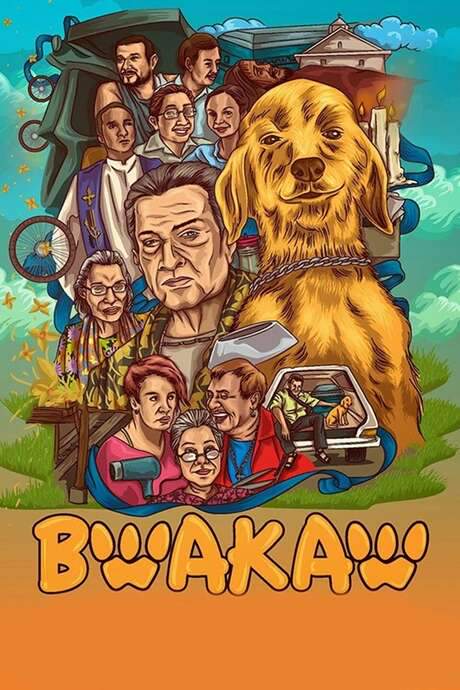
Bwakaw 2012

Directed by

Jun Robles Lana
Made by

Cinemalaya Foundation
Bwakaw Plot Summary
Read the complete plot summary and ending explained for Bwakaw (2012). From turning points to emotional moments, uncover what really happened and why it matters.
Bwakaw is a drama-comedy about the quiet, sometimes painful process of growing old and confronting the fear of ending life in solitude. At the center is Rene, a gay man who comes out at the age of 70. Eddie Garcia portrays Rene, who, in his twilight years, believes it might be too late for love or companionship and even fears that death may be his only future. He has already prepared a will, leaving his few belongings to a small circle of friends, and he has prepaid for a coffin during a funeral home Summer Sale. His world is orderly, reserved, and increasingly solitary, with his only everyday companion being Bwakaw, a stray dog that trails him from place to place.
Because Rene has long prepared for death, the arrival of Bwakaw’s illness jolts him into uncharted territory. The dog’s cancer becomes a turning point that reveals how deeply Rene cares for this loyal companion, and it awakens a tenderness he did not expect to feel again. The bond with Bwakaw shifts Rene’s outlook from one of quiet resignation to something warmer and more alive. In the midst of this emotional pivot, Rene meets Sol, a friendly tricycle driver who offers practical help in getting Bwakaw to the veterinarian and, more importantly, companionship that Rene has missed for years. The two men form an unlikely friendship, and Sol’s presence gradually nudges Rene toward a different rhythm of living.
As Sol’s friendship grows, Rene dares to rediscover small joys that had long faded into memory. He experiments with changes as simple as dyeing his hair to look younger, and he begins to notice the ordinary pleasures of daily life—moments that feel almost transformative after so much time spent waiting. The shift is gentle but undeniable: Rene starts to engage with life again, no longer waiting for a grand gesture or a dramatic turning point, but embracing the everyday possibilities that friendship and care bring.
Yet the path forward is not without tension. When Rene confesses his feelings for Sol, the revelation catches Sol off guard and triggers a painful reaction. Sol’s anger and rejection threaten to derail Rene’s fragile progress, introducing a real strain into this budding relationship. Throughout this emotional strain, Bwakaw’s health continues to deteriorate, grounding the story in a sense of incremental loss. The dog’s mortality becomes a catalyst for Rene to reevaluate what truly matters, not only in terms of companionship but in the way he chooses to live his remaining years.
The film culminates in a poignant moment of truth. Bwakaw dies, and the neighbors help Rene lay the loyal dog to rest, a scene that is tender and unglamorous in its honesty. In the wake of loss, Rene experiences a surprising clarity about life’s value. The devastation of losing his dog acts as a reminder that life is still worth embracing. With this renewed sense of purpose, Rene begins to dismantle some of the old, rigid plans he had clung to—unpacking the possessions he had earmarked for others and deciding to make his home a brighter, more welcoming space for whatever days still lie ahead.
Ultimately, Bwakaw is a quiet meditation on aging, friendship, and the ways love can arrive in unexpected forms. It shows that even when fear and loneliness loom large, opening up to connection can rekindle a sense of vitality. Rene’s journey—from a man who suspected that the best years were behind him to someone who chooses to live more fully in the present—offers a humane, hopeful portrait of aging with dignity, humor, and heart. The film leaves viewers with a gentle reminder: while life can be fragile, choosing to engage with others and the world around us can reveal unforeseen joys and meaning, even in the twilight years.
Bwakaw Timeline
Follow the complete movie timeline of Bwakaw (2012) with every major event in chronological order. Great for understanding complex plots and story progression.
Aging with Bwakaw
Rene spends his twilight years in a quiet routine, with Bwakaw as his sole companion. He is haunted by the prospect of growing old alone and has already written a will, labeling his few possessions for his friends.
Rene comes out at age 70
Rene finally comes out of the closet at age 70, choosing honesty and self-acceptance in a world that may resist him. The revelation puts him on a new personal path as he seeks companionship and connection in his later years. The moment is challenging but opening.
Final preparations and funeral planning
He labels his possessions and writes a will that leaves his few belongings to a small circle of friends. He has even paid for a coffin during a funeral home Summer Sale, signaling a preemptive acceptance of his own death. The mood is practical, yet tinged with looming mortality.
Bwakaw falls ill
Bwakaw is diagnosed with cancer, and Rene is deeply affected by the dog's worsening health. He becomes determined to find a cure and fights to get Bwakaw the care he needs. The bond between man and dog deepens as illness threatens their routine.
Sol the tricycle driver becomes a lifeline
Sol, a tricycle driver, helps Rene bring Bwakaw to the vet and gradually befriends the pair. His presence offers Rene a new form of companionship and practical support. Through Sol, Rene begins to feel less alone.
A new spark of life
Buoyed by Sol's friendship, Rene starts to live again and discovers simple joys he had forgotten. He even has his hair dyed to look younger, signaling a willingness to embrace change. The small pleasures become a counterbalance to his fear of death.
Rene confesses his feelings to Sol
Rene decides to make a move on Sol and reveals that he is gay. The revelation surprises and disgusts Sol, who rejects Rene and leaves in anger. The moment marks a painful test of Rene's new openness.
Bwakaw's condition worsens and the miracle statue fails
As Bwakaw's health deteriorates, Rene's efforts to save him intensify, but even the Santo Entierro statue cannot stop the illness. The dog remains a stubborn link to life and companionship that Rene fears losing.
Bwakaw dies and neighbors help bury
Bwakaw dies, and Rene is supported by his neighbors in the burial. The loss hits him hard, yet it also deepens his sense of belonging to a community. The dog's death becomes a turning point for his outlook.
A new resolve to live another life
Bwakaw's death triggers a shift in Rene's perspective, and he starts to value life and ordinary moments more than the earlier fear of dying. He decides to unpack the things he has already willed to others and make his house more inhabitable to stay. The house begins to feel more livable as he plans to stay.
Embracing daily pleasures
With a renewed appreciation, Rene continues to experience simple joys and rebuilds his daily routine. He slowly reintegrates into life and cherishes the companionship he has found, even after the loss of Bwakaw.
Hopeful, still alive
Rene remains alive and quietly hopeful, having learned that companionship and small moments matter more than the fear of death. He has adjusted his plans and chosen to keep living with a lighter heart.
Bwakaw Characters
Explore all characters from Bwakaw (2012). Get detailed profiles with their roles, arcs, and key relationships explained.
Rene (Eddie Garcia)
An elderly gay man who has withdrawn from romance and friendship, Rene lives with the fear of dying alone. After coming out at age 70, he begins to reconsider love, companionship, and the meaning of everyday moments. He is stubborn at times but capable of tenderness, and his growing affection for Sol and Bwakaw signals a shift from fatalism to engagement. His journey shows that life can surprise you with warmth when you least expect it.
Bwakaw (the dog)
A stray dog who becomes Rene's only constant companion. When Bwakaw falls ill, Rene's concern awakens a deeper sense of care and responsibility. The dog's presence catalyzes Rene's emotional growth and re-evaluation of what truly matters in life.
Sol (Tricycle driver)
A tricycle driver who befriends Rene and helps transport Bwakaw to the vet. He enforces boundaries when he discovers Rene's feelings, rejecting him and leaving in anger. Through this conflict, Rene learns to navigate vulnerability and continue seeking connection.
Bwakaw Settings
Learn where and when Bwakaw (2012) takes place. Explore the film’s settings, era, and how they shape the narrative.
Time period
Early 21st century
The events occur in contemporary times, with modern amenities and urban life shaping the narrative. The era's social attitudes toward aging and LGBTQ+ visibility color Rene's experiences and interactions. The story's rhythms—vet visits, funeral home deals, casual conversations on the street—ground the drama in the present day.
Location
Philippines
Set in the Philippines, the story unfolds in a quiet urban neighborhood. The film portrays everyday Filipino city life, with modest homes, streets, and neighbors that form the backdrop for an aging man's quiet crisis. The setting highlights intimate, lived-in spaces where companionship can emerge and death feels near. The place acts as a character that grounds Rene's emotional journey.
Bwakaw Themes
Discover the main themes in Bwakaw (2012). Analyze the deeper meanings, emotional layers, and social commentary behind the film.
🕯️
Aging
Rene's fear of dying alone drives the narrative. The film explores how aging can intensify loneliness but also prompt renewed connections. Through Bwakaw and Sol, Rene learns that life can still hold warmth and humor in old age. The story uses intimate moments to show growth is possible at any age.
🤝
Friendship
Sol's friendship provides Rene with companionship he didn't expect. The bond with Bwakaw also embodies loyalty and quiet devotion. These relationships help Rene re-engage with the world and discover simple joys. Friendship becomes the bridge between isolation and living fully.
🌈
Identity
Rene's late-in-life coming out reveals vulnerability and resilience. The film treats his sexuality with tenderness rather than tragedy. It examines how others react to unconventional love and how acceptance can begin within oneself. The arc shows self-acceptance as a form of life-affirmation.
⚰️
Death
Death is present from the outset, shadowing Rene's outlook. Bwakaw's illness and death become catalysts for Rene's re-evaluation of values and priorities. The film suggests that acknowledging mortality can spur life-affirming choices. It ends with renewed purpose rather than despair.

Coming soon on iOS and Android
The Plot Explained Mobile App
From blockbusters to hidden gems — dive into movie stories anytime, anywhere. Save your favorites, discover plots faster, and never miss a twist again.
Sign up to be the first to know when we launch. Your email stays private — always.
Explore the mobile appBwakaw Spoiler-Free Summary
Discover the spoiler-free summary of Bwakaw (2012). Get a concise overview without any spoilers.
In a modest neighborhood where the rhythm of daily life is marked by the hum of tricycles and the quiet chatter of aging residents, Rene lives in a small, well‑kept house that feels more like a careful archive than a home. A retired man of gruff habits, he has built his world around routine and solitude, keeping most human contact at arm’s length. Yet his only steadfast companion is Bwakaw, a stray dog who has taken to following him everywhere, turning the quiet of his evenings into a subtle, loyal presence.
The film balances gentle humor with the melancholy of twilight years, offering a dramedy tone that feels both intimate and universally resonant. As Rene confronts the inevitable questions that accompany advanced age—legacy, mortality, and the longing for connection—he quietly begins to reckon with a part of himself he has long kept hidden. The setting, with its simple streets and familiar faces, serves as a backdrop for a story that is as much about internal discovery as it is about the small, everyday interactions that can shift a life.
Enter Sol, a tricycle driver whose path crosses Rene’s in the most unassuming way. Their encounters hint at the possibility of an unlikely friendship that could challenge Rene’s long‑held defenses. Through these tentative connections, the narrative suggests that even in the later chapters of life, there remains space for new colors, unexpected laughter, and the faint hope of a shared journey. The mood stays warm yet contemplative, inviting viewers to wonder how far a solitary heart might travel when gently nudged by companionship.
Featured on this page

What's After the Movie?
Not sure whether to stay after the credits? Find out!
Check out our other apps:

SAT Sphere
Build confidence for the Digital SAT.

Mori Atlas
Discover wild places worth protecting.

Luntero
Search smarter for a home in Amsterdam.

Plot Explained
Unravel movie endings and hidden clues.

Pokechamp
Dive into Pokémon data and battle logic.

Driving Theory
Get ready for your European theory test.

Movie Dust
Plan your next cinema trip with ease.

Musemap
Find art and culture as you travel.

Selkobase
Compare credentials before committing.

Local Manual
Turn an unfamiliar country into practical next steps.

Lernavi
Compare school systems before your next move.

GymRoam
Find a workout stop wherever your plans take you.
Explore Our Movie Platform
New Movie Releases (2026)
Famous Movie Actors
Top Film Production Studios
Movie Plot Summaries & Endings
Major Movie Awards & Winners
Best Concert Films & Music Documentaries
Movie Collections and Curated Lists
© 2026 What's After the Movie. All rights reserved.
Privacy Policy