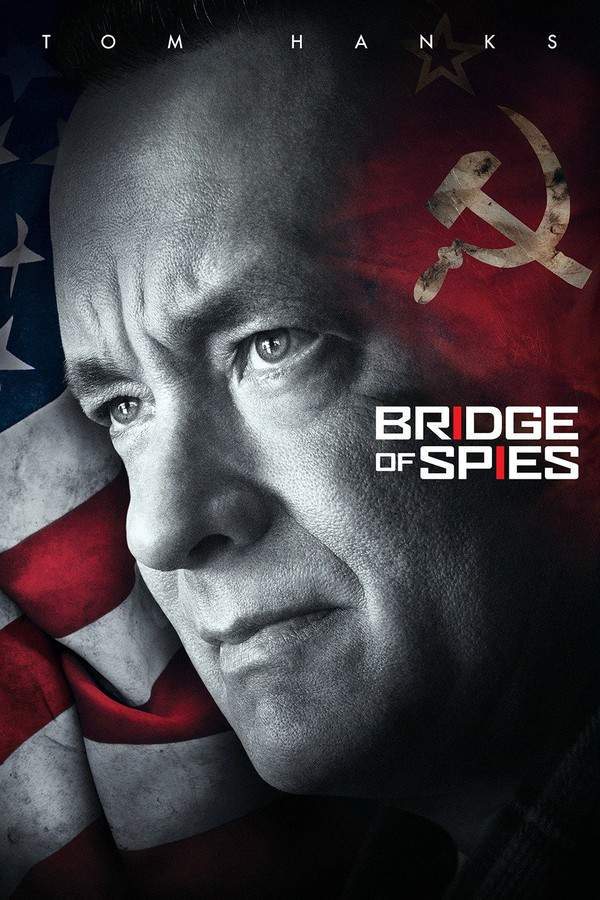
Bridge of Spies 2015

Directed by
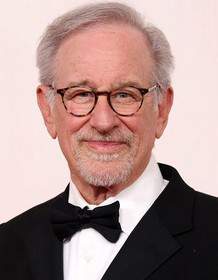
Steven Spielberg

Where to Watch Bridge of Spies
See current US streaming, rental, and purchase options for Bridge of Spies (2015) via JustWatch.

Streaming availability powered by 
Bridge of Spies Plot Summary
Read the complete plot summary and ending explained for Bridge of Spies (2015). From turning points to emotional moments, uncover what really happened and why it matters.
In the intense heat of summer 1957, the life of Rudolf Abel took a drastic turn as he found himself charged with espionage for the Soviet Union. Amidst this turmoil, James B. Donovan, a former general counsel to the Office of Strategic Services, stepped up to represent Abel, fully aware of the formidable challenge ahead. Driven by an unwavering belief in his client’s right to a robust defense, Donovan maintained strict confidentiality regarding his communications with Abel, fiercely resisting the CIA’s persistent pressure to disclose them.
As the trial unfolded, Donovan fought diligently, ultimately convincing the judge to impose a 30-year prison sentence on Abel rather than death. However, Donovan’s resolve didn’t stop there; he appealed the conviction to the Supreme Court, challenging the legality of the seizure of Abel’s ciphers and photographic materials due to the absence of a search warrant. This determination came at a personal cost, as Donovan and his family faced harassment, including shots being fired at their home. Even though the Supreme Court upheld the conviction by a narrow margin, Donovan’s commitment to justice remained unshaken.
As the Cold War intensified, time marched on. In 1960, CIA pilot Francis Gary Powers found himself shot down over Soviet territory, which resulted in a ten-year sentence—three of which would be spent in prison. Just when hope seemed scarce, Donovan received an unexpected letter from East Germany, purportedly from Abel’s wife, expressing gratitude for his efforts and encouraging him to reach out to their lawyer, Vogel.
The CIA seized this as an opportunity, hinting that the USSR might consider exchanging Powers for Abel. They covertly approached Donovan for negotiations in Berlin, amid the rising tensions and the construction of the Berlin Wall. Upon entering East Berlin, Donovan met with a KGB officer at the Soviet Embassy, who directed him to Vogel, representing the Attorney General of the German Democratic Republic. The Attorney General’s proposal was to exchange Abel for Frederic Pryor, an American student arrested in East Germany, hoping for recognition from the United States in the process.
Despite the CIA’s insistence that Donovan focus on securing Powers’ release, he stood firm in his resolve to free both men. With bold strategy, Donovan sent a powerful message to the Attorney General, declaring that the release of either Pryor or Powers alone would not suffice for a deal. The scene became increasingly tense as time dwindled; it became clear that Pryor was delayed. The CIA, eager to secure Powers’ safety, signaled for Abel to return, yet the seasoned diplomat refused to compromise, fueled by profound respect for Donovan’s relentless dedication to both cases.
In a tense climax, confirmation arrived that Pryor had indeed been released, setting the stage for the long-awaited exchange at the historic Glienicke Bridge. The day following the successful exchange, back in the United States, the government publicly recognized Donovan’s crucial role in orchestrating the operation, transforming his public image and solidifying his standing as a skilled mediator in international affairs.
Bridge of Spies Timeline
Follow the complete movie timeline of Bridge of Spies (2015) with every major event in chronological order. Great for understanding complex plots and story progression.
Rudolf Abel Charged with Espionage
In the intense heat of summer 1957, Rudolf Abel was arrested and charged with espionage for the Soviet Union. This unexpected turn of events marked the beginning of a significant legal battle that would attract national attention.
James B. Donovan Steps In
Amidst the turmoil, James B. Donovan, a former OSS general counsel, stepped up to represent Abel. His commitment to providing a robust defense showcased his belief in the importance of legal rights, even for those accused of serious crimes.
Trial and Sentencing
As the trial unfolded, Donovan fought valiantly for Abel's rights. Despite facing immense pressure, he succeeded in persuading the judge to impose a 30-year prison sentence instead of death, marking a pivotal moment in the case.
Appeal to the Supreme Court
Donovan's determination led him to appeal the conviction to the Supreme Court, arguing that the seizure of Abel's materials lacked a search warrant. His commitment to justice came at a personal cost, including harassment against him and his family.
Supreme Court Upholds Conviction
The Supreme Court upheld Abel's conviction by a narrow margin, emphasizing the legal limits surrounding espionage cases. Despite this setback, Donovan remained unfaltering in his pursuit of justice for his client.
Francis Gary Powers Shot Down
In 1960, CIA pilot Francis Gary Powers was shot down over Soviet territory, leading to his capture and a subsequent ten-year sentence. This incident underscored the escalating tensions of the Cold War and heightened Donovan's sense of urgency.
Letter from East Germany
Donovan received a surprising letter purportedly from Abel's wife, thanking him for his efforts. The communication led him to reach out to their lawyer, Vogel, opening the door for potential negotiation opportunities.
Negotiations Begin
The CIA seized the moment, hinting at a possible exchange of Powers for Abel. Donovan was approached secretly for negotiations in Berlin, emphasizing the urgency amidst rising Cold War tensions.
Meeting with KGB Officer
Upon entering East Berlin, Donovan met with a KGB officer at the Soviet Embassy. The officer directed him to Vogel, who represented the Attorney General of East Germany, offering a proposal for an exchange.
The Attorney General's Proposal
The proposal involved exchanging Abel for Frederic Pryor, an American student arrested in East Germany. This deal aimed to gain recognition and leverage from the United States, complicating Donovan's position.
Donovan's Firm Stance
Despite CIA pressure to focus solely on securing Powers' release, Donovan remained committed to freeing both men. He sent a powerful message, asserting that neither Pryor nor Powers alone would suffice for a successful deal.
Tensions Rise
As the deadline for the negotiations approached, tensions escalated. It became clear that Pryor's release was delayed, and the CIA grew anxious about securing Powers’ safety, pushing for a compromise.
Confirmation of Pryor's Release
In a climactic moment, confirmation arrived that Pryor had been released. This pivotal news set the stage for the much-anticipated exchange at Glienicke Bridge, highlighting Donovan's strategic negotiation skills.
Successful Exchange
The long-awaited exchange took place at Glienicke Bridge, symbolizing a significant diplomatic achievement amidst Cold War hostilities. This event marked a triumphant moment for Donovan's relentless efforts to secure freedom for both men.
Recognition in the United States
Following the exchange, the U.S. government publicly acknowledged Donovan’s crucial role in orchestrating the operation. This recognition transformed his public image, solidifying his reputation as a skilled mediator in international affairs.
Bridge of Spies Characters
Explore all characters from Bridge of Spies (2015). Get detailed profiles with their roles, arcs, and key relationships explained.
James B. Donovan (Tom Hanks)
James B. Donovan is a principled lawyer whose commitment to justice drives the narrative of the story. He demonstrates both bravery and empathy as he navigates a complex legal battle while facing external pressures from the CIA and societal backlash. Donovan's unwavering trust in the legal system and his dedication to upholding his client's rights showcase his integrity in a tumultuous time.
Rudolf Abel
Rudolf Abel is a Soviet spy whose stoic demeanor reflects the weight of espionage and loyalty to his country. Throughout the trial, Abel's calm and composed nature contrasts sharply with the surrounding chaos, highlighting his resilience. His character embodies the complexities of espionage, as he navigates his fate with dignity, ultimately relying on Donovan's unwavering resolve.
Francis Gary Powers
Francis Gary Powers is a CIA pilot whose capture symbolizes the dangers of Cold War espionage. His character experiences the psychological toll of being a pawn in international negotiations, embodying the fears faced by many during this era. The intimate portrayal of Powers showcases his vulnerability and humanity amid a backdrop of political tension.
Bridge of Spies Settings
Learn where and when Bridge of Spies (2015) takes place. Explore the film’s settings, era, and how they shape the narrative.
Time period
1957-1960
The film is set during a tumultuous period in the late 1950s to 1960, characterized by Cold War tensions and espionage activities. This era saw significant geopolitical shifts, including the heightened conflict between the West and the Soviet Union, influencing diplomatic negotiations and occasionally leading to high-stakes exchanges.
Location
East Berlin, Berlin Wall, Glienicke Bridge
The movie takes place predominantly in East Berlin during the height of the Cold War. East Berlin is known for its political tension and division between East and West Germany, highlighted by the construction of the Berlin Wall. The Glienicke Bridge is a significant location, historically used for espionage exchanges between the U.S. and the Soviet Union.
Bridge of Spies Themes
Discover the main themes in Bridge of Spies (2015). Analyze the deeper meanings, emotional layers, and social commentary behind the film.
⚖️
Justice
Justice is a central theme in the film, as James B. Donovan fights tirelessly for the rights of Rudolf Abel, believing in the principle of a fair trial. His determination to provide a robust defense in the face of overwhelming opposition reflects the idea that justice must prevail, even during politically charged times. This theme extends to the eventual negotiations for the exchange of both Abel and Francis Gary Powers.
🤝
Negotiation
Negotiation plays a critical role throughout the film, highlighting the complexities of international diplomacy during the Cold War. Donovan's strategic approach and willingness to engage with both sides reflect the importance of dialogue in resolving conflicts. The emotional stakes are heightened as he attempts to secure the release of American citizens while navigating the treacherous political landscape.
🛡️
Loyalty
Loyalty is depicted through Donovan's commitment to his client, Rudolf Abel, as well as to his own principles. Despite facing personal risks and societal backlash, Donovan remains steadfast in his belief that every individual deserves legal representation. This unwavering loyalty becomes a beacon of hope amid tension and peril.

Coming soon on iOS and Android
The Plot Explained Mobile App
From blockbusters to hidden gems — dive into movie stories anytime, anywhere. Save your favorites, discover plots faster, and never miss a twist again.
Sign up to be the first to know when we launch. Your email stays private — always.
Explore the mobile appBridge of Spies Ending Explained
Unravel the ending of Bridge of Spies (2015) with our detailed explanation. Understand the final scenes, character fates, and unresolved questions.
At the end of Bridge of Spies, the tense negotiation culminates in a daring prisoner exchange where Rudolf Abel, the Soviet spy played by Mark Rylance, is returned to the USSR, while American pilot Francis Gary Powers and student Frederic Pryor are freed and brought back to the United States. Throughout the movie, Abel’s silent stoicism and moral integrity highlight that even spies can be honorable individuals doing their duty for their country. Despite the Soviets’ attempt to use Pryor as a bargaining chip, Donovan sticks to his principles, refusing to accept a deal that doesn’t include all of the prisoners he’s fighting for. In the final moments, Abel and Powers are safely returned to their respective countries, and Donovan, played by Tom Hanks, walks away having successfully navigated a complex web of political and moral conflicts.
The film emphasizes that behind espionage and Cold War tensions lies a shared humanity—one that can transcend borders and ideology. Abel, who continues his service as a spy even after being returned to Russia, is remembered as a committed professional, driven by duty rather than hatred. The ending suggests that morality and dignity are possible even amid the chaos of war and espionage; Donovan’s persistence ensures that life, even in the cold world of spies, retains some compassion and respect for human life. The story closes on a note of cautious optimism, reminding us that unity and understanding are still within reach, even in the darkest times.
Bridge of Spies Spoiler-Free Summary
Discover the spoiler-free summary of Bridge of Spies (2015). Get a concise overview without any spoilers.
In the uneasy hush of the early 1960s, the world trembles on the edge of an invisible line that divides ideologies, cities, and lives. Every newsreel headline, every whispered conversation in dim cafés carries the weight of a superpower standoff, and the ordinary streets of Berlin seem to pulse with hidden agendas. The film immerses the audience in this cold‑war atmosphere, letting the stark architecture and cautious diplomacy shape a stage where every gesture can tip the balance between cautious dialogue and outright catastrophe.
James Donovan steps onto this precarious scene as a principled lawyer whose experience in wartime intelligence offers him a rare perspective on the moral complexities of the era. Though accustomed to the quiet rigor of legal chambers, he is drawn into a mission that tests not only his professional skill but also his personal convictions. His measured demeanor and quiet resolve contrast sharply with the fevered urgency that surrounds him, framing him as a steady anchor in a sea of suspicion.
When a U‑2 aircraft is downed over hostile territory, Francis Gary Powers becomes an unwilling emblem of the conflict, a young pilot whose fate hangs in the balance of international tension. At the same time, a seasoned Soviet operative, Rudolf Abel, remains detained on the opposite side of the Iron Curtain, embodying the very secrecy that fuels the era’s paranoia. The premise of the story revolves around the daunting task of arranging a delicate exchange that could free both men, a negotiation that requires navigating tangled bureaucracies, fragile trust, and the ever‑present threat of political fallout.
The tone is simultaneously tense and meticulous, balancing the gravitas of global stakes with the intimate, human moments that reveal each character’s inner stakes. Through crisp dialogue, richly textured settings, and a lingering sense of uncertainty, the film invites viewers to contemplate the cost of diplomacy when lives become bargaining chips, and to wonder whether measured resolve can truly bridge the abyss between two opposing worlds.
Movies with Similar Twists and Themes
Uncover films that echo the narrative beats, emotional arcs, or dramatic twists of the one you're exploring. These recommendations are handpicked based on story depth, thematic resonance, and spoiler-worthy moments — perfect for fans who crave more of the same intrigue.
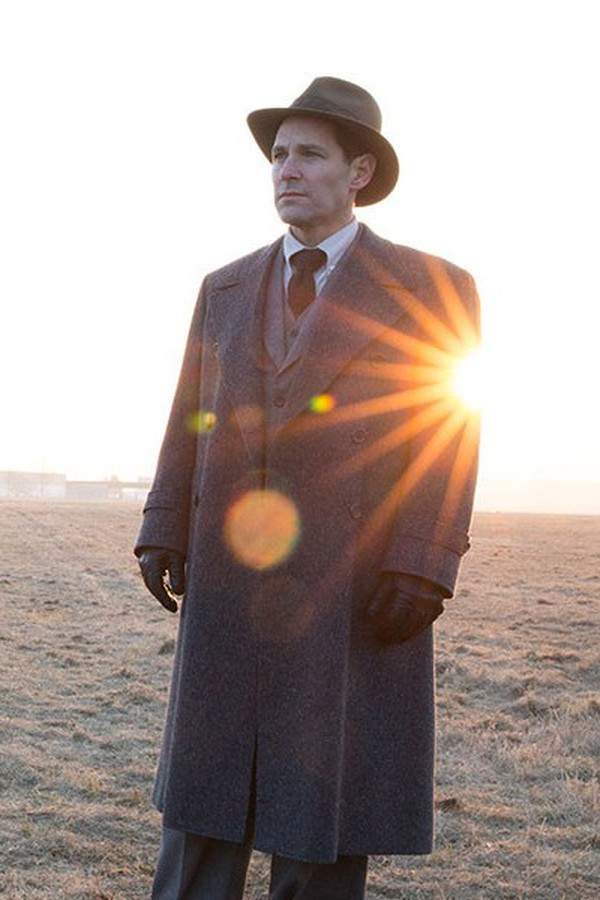


Featured on this page

What's After the Movie?
Not sure whether to stay after the credits? Find out!
Check out our other apps:

SAT Sphere
Build confidence for the Digital SAT.

Mori Atlas
Discover wild places worth protecting.

Luntero
Search smarter for a home in Amsterdam.

Plot Explained
Unravel movie endings and hidden clues.

Pokechamp
Dive into Pokémon data and battle logic.

Driving Theory
Get ready for your European theory test.

Movie Dust
Plan your next cinema trip with ease.

Musemap
Find art and culture as you travel.

Selkobase
Compare credentials before committing.

Local Manual
Turn an unfamiliar country into practical next steps.

Lernavi
Compare school systems before your next move.

GymRoam
Find a workout stop wherever your plans take you.
Explore Our Movie Platform
New Movie Releases (2026)
Famous Movie Actors
Top Film Production Studios
Movie Plot Summaries & Endings
Major Movie Awards & Winners
Best Concert Films & Music Documentaries
Movie Collections and Curated Lists
© 2026 What's After the Movie. All rights reserved.
Privacy Policy