
Big Jim McLain 1952

Directed by

Edward Ludwig
Made by

Wayne-Fellows Productions
Where to Watch Big Jim McLain
See current US streaming, rental, and purchase options for Big Jim McLain (1952) via JustWatch.






Big Jim McLain Plot Summary
Read the complete plot summary and ending explained for Big Jim McLain (1952). From turning points to emotional moments, uncover what really happened and why it matters.
During the late 1940s, HUAC investigators Jim McLain John Wayne and Mal Baxter James Arness are dispatched to Hawaii to track Communist Party activities and gather evidence toward convictions. Their mission sweeps across the shipping lanes and harbor operations, uncovering a tangled web of insurance fraud, saboteurs, and infiltrators inside labor unions that threaten to foul the loading and unloading of ships on the Honolulu docks. A key break comes when a local newspaper reporter shares tips that steer them toward Willie Nomaka, a former Party treasurer, drawing the pair deeper into a case that blends espionage with criminal conspiracies.
Nomaka is under the care of psychiatrist Dr. Gelster [Gayne Whitman], whose secretary Nancy Vallon [Nancy Olson] proves particularly helpful. McLain pursues a developing connection with her on a date, and a genuine romance blossoms amid the danger and intrigue. Meanwhile, Nomaka disappears during treatment for what’s described as an induced nervous breakdown. Nomaka’s landlady, Madge [Veda Ann Borg], grows involved in the investigation, while Nomaka’s ex-wife [Soo Yong] as Mrs. Namaka, a former Communist, supplies crucial background information that helps McLain connect the dots. Nomaka is eventually located under an alias at a Honolulu sanatorium, but he is heavily drugged and unable to speak.
Sturak [Alan Napier], the Party’s leader, orders Dr. Gelster to dispose of Nomaka, yet McLain manages to rescue him and carry him to safety. Sadly, Nomaka’s knowledge proves of little value to the investigators. The danger escalates when two thug Communists kidnap Baxter, and during a tense interrogation, Gelster accidentally kills him with a sodium pentothal injection. The loss steels McLain’s resolve to finish the task, despite the heavy setback.
In the meantime, Sturak convenes a meeting of the Party cell, where he instructs Gelster to confess his party membership to local authorities with the aim of convincing investigators that the cell has been destroyed and that other cells can continue their work unchecked. Gelster is reluctant to sacrifice himself for the Party, and the moment finally erupts when McLain arrives, delivering a hard punch to Gelster for Baxter’s death. The authorities soon arrive, and the insurrectionists are placed under arrest. Those responsible for Baxter’s death are convicted of murder, but the broader implication remains a chilling reminder of how political pressure and fear can shape law enforcement.
As the investigations progress, McLain and Nancy witness other Communist figures choosing to plead the Fifth Amendment to avoid self-incrimination during additional HUAC interrogations. The outcome feels almost cyclical—McLain achieves a measure of justice for Baxter, yet the system leaves him back at square one, continuing the broader struggle that defined his mission and the era.
Big Jim McLain Timeline
Follow the complete movie timeline of Big Jim McLain (1952) with every major event in chronological order. Great for understanding complex plots and story progression.
Mission to Hawaii
HUAC investigators Jim McLain and Mal Baxter are dispatched to Hawaii to track Communist Party activities and gather evidence for convictions. Their quest leads them to uncover connections to insurance fraud, saboteurs, and labor-union infiltrators at the Honolulu docks.
Lead from Red McQueen
A local newspaper reporter, Red McQueen, provides crucial information that points the investigators toward Willie Nomaka, the former Party treasurer. The lead shifts the focus from routine dock noise to deeper party involvement. Nancy Vallon soon becomes a key ally as the case unfolds.
Search for Willie Nomaka
McLain and Baxter pursue Willie Nomaka, who is under the care of Dr. Gelster. Nomaka’s case brings in Gelster’s secretary, Nancy Vallon, whose help becomes crucial. McLain’s growing attraction to Nancy begins to intertwine romance with the investigation.
Nomaka vanishes during treatment
Nomaka disappears while ostensibly being treated for an induced nervous breakdown. The disappearance leaves the agents with a renewed sense of urgency and questions about who is protecting him. The case appears to be slipping away just as a breakthrough seems near.
Madge and the ex-wife provide clues
Nomaka's landlady, the flirtatious Madge, assists in the investigation, while Nomaka's ex-wife offers critical background about his past. Their information helps frame the broader Communist network and the danger surrounding Nomaka. The alliance broadens the investigation beyond medical treatment.
Nomaka is found at the sanatorium
Nomaka is located under an alias at a Honolulu sanatorium, but he is heavily drugged and unable to speak. The state of his condition suggests the party is attempting to silence him. McLain and the team plan a rescue to extract him from danger.
McLain rescues Nomaka
McLain defies orders and rescues Nomaka, carrying him to safety. The act demonstrates the personal risk involved in the mission and underscores that Nomaka’s information is still valuable. Yet Nomaka’s testimony remains limited due to his condition.
Baxter kidnapped; lethal interrogation
Two thug Communists kidnap Baxter, triggering a tense interrogation sequence. Dr. Gelster uses sodium pentothal in an attempt to extract information, but his actions turn fatal when he accidentally kills Baxter. The loss intensifies McLain’s resolve to see the case through.
McLain doubles down on the case
With Baxter dead, McLain presses on to expose the party’s cells and assignments. The fallout from Baxter’s death sharpens the urgency of exposing the network and cleaning up the sleeper cells. The mission shifts from gathering evidence to accountability for the loss.
Sturak's strategy at the party meeting
Sturak orders the party cell to attend a meeting where Gelster is told to confess his membership to authorities to ‘kill’ the cell. The plan is to allow other cells to continue their work while the current one appears to be neutralized. Gelster’s reluctance foreshadows the moral cost of the strategy.
McLain confronts Gelster
McLain bursts into the meeting and pounds Gelster, retaliating for Baxter’s death. The confrontation escalates into a brawl, but the police arrive to arrest the insurrectionists. The moment embodies the clash between individual justice and organized political crime.
Murder convictions and Fifth Amendment pleas
Those responsible for Baxter’s death are convicted of murder, and other Communists plead the Fifth Amendment to avoid self-incrimination during HUAC interrogations. The outcome is bittersweet for McLain, who appears to be back at square one. The cycle of fear and exposure continues in the broader anti-Communist effort.
Big Jim McLain Characters
Explore all characters from Big Jim McLain (1952). Get detailed profiles with their roles, arcs, and key relationships explained.
Jim McLain (John Wayne)
A seasoned HUAC investigator in Hawaii, Jim McLain is relentless and driven by a strong sense of justice. He pursues leads from the newsroom to the sanatorium, balancing professional duty with a fragile personal romance with Nancy Vallon. His moral backbone keeps him focused as the case grows more dangerous.
Mal Baxter (James Arness)
McLain's trustworthy partner, Mal Baxter is skilled and dependable in the field. He is kidnapped by the Communist cell, and his murder at the hands of Dr. Gelster becomes a turning point that fuels McLain's resolve. His loss marks the high personal cost of the investigation.
Dr. Gelster (Gayne Whitman)
A psychiatrist tied to the cell, Dr. Gelster navigates the line between medical authority and subversive manipulation. He orders the disposal of Willie Nomaka and, during an interrogation with sodium pentothal, accidentally kills Baxter. His reluctant involvement highlights the moral ambiguities of the anti-Communist crusade.
Nancy Vallon (Nancy Olson)
A newspaper reporter's secretary who becomes McLain's ally, providing information and support. Their budding romance adds a personal stake to the perilous mission. Nancy's wit and courage help connect the dots across the investigation.
Sturak (Alan Napier)
Leader of the Communist cell, Sturak orchestrates operations and tries to keep the network alive. He orders strategic moves to mislead investigators and preserve the group's influence. He remains a looming threat throughout the pursuit.
Willie Nomaka
Former Party treasurer under the care of Gelster, Nomaka vanishes under suspicious circumstances and is later found drugged in a sanatorium. His guarded knowledge provides limited but crucial context to the larger plot.
Madge (Veda Ann Borg)
The landlady who is flirtatious and shrewd, Madge assists in the investigation by providing information and access at key moments. Her presence adds a layer of social maneuvering and intrigue.
Mrs. Namaka (Soo Yong)
Willie Nomaka's ex-wife, a former Communist who offers crucial background on the party's history and the network's inner dynamics. Her information helps McLain understand the movement's reach.
Big Jim McLain Settings
Learn where and when Big Jim McLain (1952) takes place. Explore the film’s settings, era, and how they shape the narrative.
Time period
1950s
The story unfolds in the early Cold War era, during heightened HUAC activity against suspected Communists. The era's distrust shapes investigative methods, the tactics of undercover agents, and the high stakes on the Honolulu waterfront.
Location
Honolulu, Hawaii
Honolulu serves as the backdrop for Jim McLain's investigation into Communist influence. The bustling docks and harbor create a stage for labor-union intrigue, saboteurs, and undercover meetings. Local locations like the sanatorium and newsroom anchor a tight, ground-level view of mid-20th-century Hawaii amid national security concerns.
Big Jim McLain Themes
Discover the main themes in Big Jim McLain (1952). Analyze the deeper meanings, emotional layers, and social commentary behind the film.
🕵️
Communist Hunt
The film centers on uncovering hidden networks and subversive plots, reflecting a national mood of suspicion toward Communist influence. Investigators chase leads through newspapers, sanatoriums, and dockside warehouses, highlighting the tension between security and civil liberties. The pursuit emphasizes persistence, risk, and the cost of uncovering truth in a paranoid era.
⚖️
Legal System
The plot hinges on law enforcement procedures and congressional inquiries, illustrating how evidence is gathered and interpreted in anti-Communist investigations. Interrogations and public testimony frame the drama, while the film also shows the consequences when investigations collide with personal loyalties. The ending suggests limitations of legal processes in fully exposing a conspiracy.
💞
Romance
A romance blossoms between Jim McLain and Nancy Vallon, adding a personal stake to the political thriller. Their relationship provides a human counterpoint to the harsh world of espionage and political fear. The romance also complicates trust, as personal feelings intersect with professional duties.
🧭
Loyalty
Loyalty threads through allies and informants, showing who stands by colleagues under pressure. The sacrifice of Mal Baxter underlines the risk faced by agents and the price of duty. The narrative pits personal loyalty against party loyalty, culminating in arrests and a reevaluation of allegiance.

Coming soon on iOS and Android
The Plot Explained Mobile App
From blockbusters to hidden gems — dive into movie stories anytime, anywhere. Save your favorites, discover plots faster, and never miss a twist again.
Sign up to be the first to know when we launch. Your email stays private — always.
Explore the mobile appBig Jim McLain Spoiler-Free Summary
Discover the spoiler-free summary of Big Jim McLain (1952). Get a concise overview without any spoilers.
In the crisp, humid atmosphere of post‑war Hawaii, two House Un‑American Activities Committee investigators arrive to shine a light on a political landscape that feels both ordinary and extraordinary. Jim McLain, a seasoned operative whose steady jaw and unflappable resolve suggest he’s seen the edges of every conflict, partners with the methodical and sharp‑tongued Mal Baxter, whose calm demeanor balances McLain’s more direct approach. Together they step into a world of bustling harbors, humming freight lines, and vibrant island life, where the ordinary rhythms of dockworkers and merchants conceal a network of ideas and alliances that the committee deems worth scrutinizing.
The film captures the tensions of an era when the very act of belonging to a certain party was still legal, yet increasingly suspect. Against a backdrop of swaying palm trees and the distant thrum of naval vessels, the investigators weave through a maze of rumors, newspaper tips, and quiet conversations, trying to discern how political convictions intersect with everyday commerce. The tone is a blend of hard‑boiled determination and subtle unease, reflecting both the optimism of a nation emerging from war and the shadows of a new kind of ideological battle.
Amid the procedural rigor, personal currents ripple beneath the surface. A local newspaper reporter offers guidance, while Nancy Vallon, a secretary caught in the flow of information, hints at the human side of the investigative world. Relationships form and frictions arise, suggesting that the quest for truth is as much about navigating personalities as it is about following leads. The story unfolds with a steady, almost lyrical pacing, inviting the audience to feel the pulse of Hawaii’s ports while pondering the larger questions of loyalty, duty, and the cost of probing into the unseen currents that shape a society on the brink of change.
Movies with Similar Twists and Themes
Uncover films that echo the narrative beats, emotional arcs, or dramatic twists of the one you're exploring. These recommendations are handpicked based on story depth, thematic resonance, and spoiler-worthy moments — perfect for fans who crave more of the same intrigue.
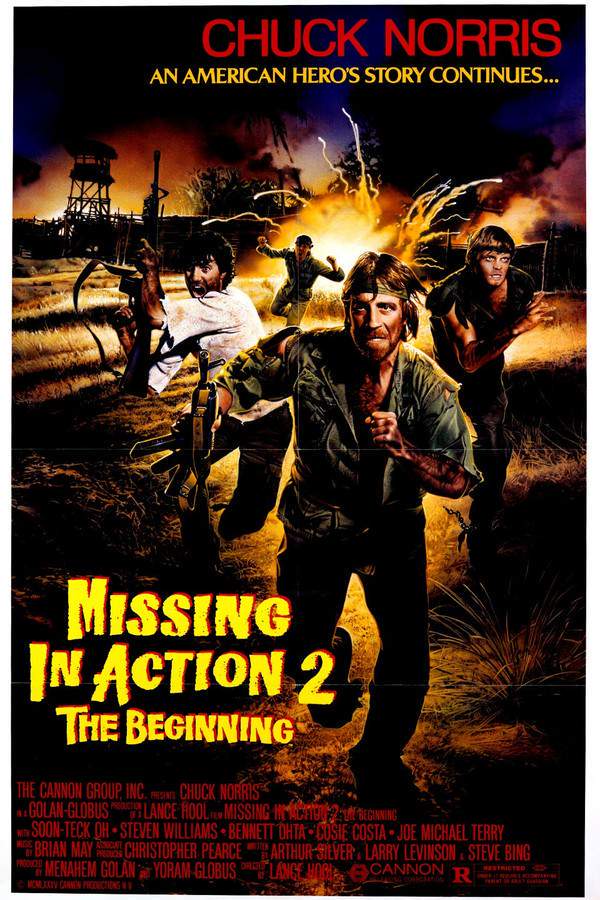
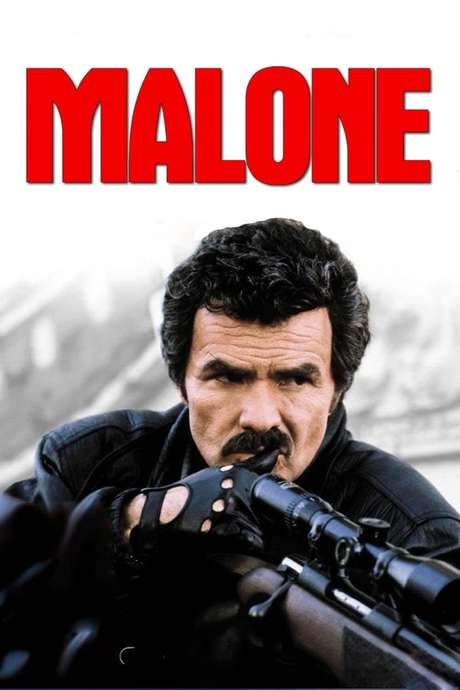


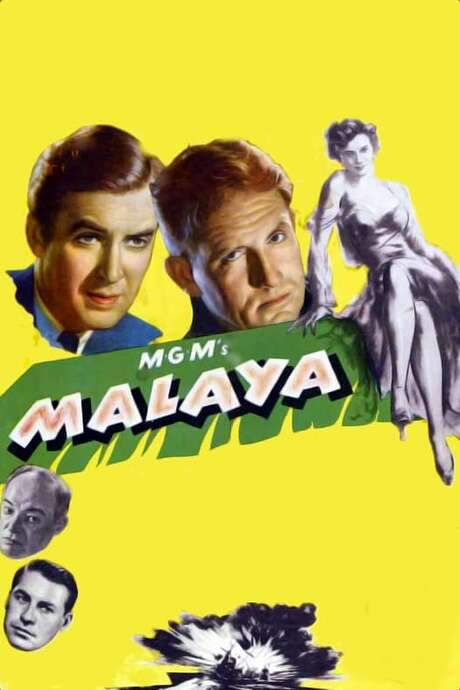


Featured on this page

What's After the Movie?
Not sure whether to stay after the credits? Find out!
Check out our other apps:

SAT Sphere
Build confidence for the Digital SAT.

Mori Atlas
Discover wild places worth protecting.

Luntero
Search smarter for a home in Amsterdam.

Plot Explained
Unravel movie endings and hidden clues.

Pokechamp
Dive into Pokémon data and battle logic.

Driving Theory
Get ready for your European theory test.

Movie Dust
Plan your next cinema trip with ease.

Musemap
Find art and culture as you travel.

Selkobase
Compare credentials before committing.

Local Manual
Turn an unfamiliar country into practical next steps.

Lernavi
Compare school systems before your next move.

GymRoam
Find a workout stop wherever your plans take you.
Explore Our Movie Platform
New Movie Releases (2026)
Famous Movie Actors
Top Film Production Studios
Movie Plot Summaries & Endings
Major Movie Awards & Winners
Best Concert Films & Music Documentaries
Movie Collections and Curated Lists
© 2026 What's After the Movie. All rights reserved.
Privacy Policy