
Bhowani Junction 1956

Directed by
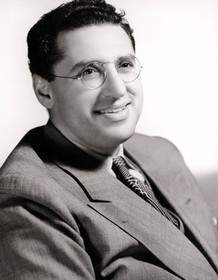
George Cukor

Bhowani Junction Plot Summary
Read the complete plot summary and ending explained for Bhowani Junction (1956). From turning points to emotional moments, uncover what really happened and why it matters.
India, 1947: in the final days of British rule, Victoria Jones, Ava Gardner, returns on leave to her childhood home in the fictional town of Bhowani, a crossroads where the push for Indian independence clashes with lingering imperial authority. Here, supporters of Mahatma Gandhi rally for change while a faction of rebels, led by a fiery figure known as Davay, schemes to sabotage the old order. The atmosphere is tense, and the old lines between loyalty and identity feel more fragile than ever.
She rekindles connections with two pivotal men from her past. Patrick Taylor, Bill Travers, a rail traffic superintendent of Anglo‑Indian heritage, continues to hold a deep place in her heart, even as the social and political currents around them grow more complex. At the same time, Col. Rodney Savage, Stewart Granger, commands a British army unit stationed in Bhowani to keep the peace as the empire edges toward dissolution. Victoria finds herself drawn to both men in different ways: Taylor offers a shared history and affection rooted in their community, while Savage embodies a stark, commanding presence and a sense of duty that seems at odds with her evolving feelings about India.
The city’s rail network becomes a flashpoint as protests flare, violence erupts, and the authorities respond with force. Victoria’s awakening sense of loyalty to the land and its people grows, even as she is forced to confront the hard realities of colonial power and the price of dissent. The tension thickens as Victoria reconsiders her future, contemplating whether she might marry a man from India, a prospect that would redefine her identity and future.
One fateful night, Victoria is assaulted by Lt Graham McDaniel, Lionel Jeffries, one of Savage’s men. In self-defense she strikes him with a steel bar, and McDaniel dies. The incident leaves her shaken and compels those around her to hide the truth, as a Sikh co-worker of Taylor, Ranjit Kasel, Francis Matthews, takes her to his home for sanctuary. There, he introduces her to his mother, the Sadani, Freda Jackson, and to Ghanshyam, Peter Illing, who offers to help conceal McDaniel’s body. The domestic refuge clashes with the broader political storm outside, exposing the fragility of trust and the danger of quick judgments.
Davay’s raids on military and transportation infrastructure continue to destabilize the region. Buoyed by a growing love for India, Victoria begins to consider a life with Ranjit Kasel, even as the threat of discovery and reprisal hangs over everyone involved. Yet during the wedding ceremony, a fear of losing her dual identity prompts her to flee rather than surrender to the social and political expectations pressing in on her.
As the investigation intensifies, a murdered army sentry—killed after seeing Victoria with McDaniel—forces Victoria to confront a startling truth: Ghanshyam is Davay, and the Sadani has been sheltering him. The web of deception tightens, and Victoria’s trust in those around her is thoroughly tested.
Davay kidnaps Victoria and uses her to board her father’s train as a means of escape. Savage and Taylor race to intervene, stopping the train before it enters a tunnel. Davay slips away into the darkness with dynamite in hand, and Taylor bravely advances into the tunnel to defuse the threat but is fatally shot. Davay himself is killed by Savage, who cradles Taylor in his final moments as the train, and its passengers, ride toward safety. The scape of Gandhi on board underscores the larger stakes of their struggle—the path toward independence remains perilously uncertain.
With the crisis at least temporarily resolved, Savage’s military duties draw to a close. Yet his love for Victoria remains potent, and when she refuses to marry him and move to England, he offers to marry and stay in India. She accepts, cementing a future rooted in the country she has learned to call home. In recognition of his accomplishments, Savage’s superior also offers to accelerate his early release from service, signaling a last acknowledgment of his impact during a turbulent era.
The story remains a study of identity, loyalty, and love set against the fading shadows of empire and the hopeful yet unsettled dawn of a new India.
Bhowani Junction Timeline
Follow the complete movie timeline of Bhowani Junction (1956) with every major event in chronological order. Great for understanding complex plots and story progression.
Victoria returns home to Bhowani
In 1947, Victoria Jones returns on leave to her childhood home in Bhowani, during the final days of British rule. She confronts memories of her mixed Indian-English identity as the country moves toward independence.
Reunion with Taylor and Savage
She is reacquainted with her Anglo-Indian sweetheart Patrick Taylor and with Colonel Rodney Savage, the British officer assigned to maintain order. The triangle of loyalties and affections begins to shape the choices she will face.
Protests disrupt the town
Supporters of Gandhi flood the town with protests while communists stir trouble. Savage orders violent dispersal of demonstrators, which unsettles Victoria and tests her sympathy for India.
Night assault and self-defense
While walking home at night, Victoria is attacked by Captain McDaniel. In self-defense she strikes him with a steel bar and kills him, altering the course of her life.
sanctuary with Kasel family
Ranjit Kasel, a Sikh co-worker, hides Victoria at his home and introduces her to his mother, the Sadani, along with Ghanshyam. Ghanshyam volunteers to dispose of McDaniel's body after the killing and the Sadani worries about Ranjit's potential accusation.
Davay's raids escalate
Davay's raids on military targets intensify, culminating in a train explosion that causes many deaths and injuries. Victoria's growing sense of Indian loyalty strengthens her resolve.
Ceremony and flight from marriage
Moved by her love for India, Victoria decides to marry Ranjit Kasel. At the ceremony she fears losing her dual heritage and flees before it can be completed.
Sentry murder and reveal
An army sentry is found murdered after seeing McDaniel with Victoria before the killing. Victoria realizes that Ghanshyam is Davay and that the Sadani is sheltering him.
Kidnapping and train escape
Davay kidnaps Victoria to use the train as a means of escape. Savage and Taylor intercept the train before it reaches a tunnel and rescue Victoria, only to discover Davay has slipped into the tunnel with dynamite.
Tunnel confrontation and Gandhi
In the tunnel, Taylor attempts to defuse the dynamite but is shot by Davay. Davay is then killed by Savage as Victoria and the others watch the train pass safely, with Gandhi aboard, the target Davay intended to strike.
Savage faces return and a choice
Savage's duty in India ends and he is summoned back to England. He confesses his love for Victoria, but she refuses to move to England and accepts his proposal to marry and stay in India.
Official offer for early release
Savage’s superior offers to expedite his early release from military service in acknowledgment of his accomplishments. The offer underscores the personal costs and political realities of the era.
Bhowani Junction Characters
Explore all characters from Bhowani Junction (1956). Get detailed profiles with their roles, arcs, and key relationships explained.
Victoria Jones (Ava Gardner)
The central figure, a daughter of an Indian mother and an English train engineer. She struggles with her dual identity while serving in the British Army and navigating a world in upheaval. Her choices about love, loyalty, and where she belongs drive the film's emotional core.
Col. Rodney Savage (Stewart Granger)
A British army officer who enforces order during the crisis, sometimes through force. He becomes captivated by Victoria and faces a dilemma between duty and desire. His actions shape the tension between colonial authority and emerging Indian independence.
Patrick Taylor (Bill Travers)
Victoria's childhood sweetheart and a rail traffic superintendent. He represents the Anglo-Indian link to both communities and remains loyal to Victoria as she wrestles with her future. His presence anchors the personal stakes amid political turmoil.
Ranjit Kasel (Francis Matthews)
A Sikh railway worker who shelters Victoria and introduces her to his family. He embodies cultural ties and tradition as the city teeters on the edge of independence. His intentions are noble, though his path is complicated by shifting loyalties.
Ghanshyam (Peter Illing)
A guest in the Sadani's home who initially helps conceal McDaniel's body. He is later revealed to be Davay, the revolutionary manipulating events from within, adding a layer of deception to the upheaval.
Davay
A revolutionary whose raids and sabotage push the city toward chaos. He embodies the militant fringe of the independence movement and drives the climactic confrontation.
Thomas Jones (Edward Chapman)
Victoria's father, an English train engineer who embodies the bridge between two worlds. His position on the railways contextualizes the importance of movement, transport, and infrastructure during the transition.
The Sandani (Freda Jackson)
Mother figure in Ranjit's home, the Sadani, who provides sanctuary and caution. She embodies the traditional leadership constrained by the unfolding political tide.
Surabhai (Abraham Sofaer)
A Sikh co-worker of Taylor who plays a part in sheltering Victoria and guiding the domestic sympathy within the community. His presence highlights the collaboration across identities during the upheaval.
Bhowani Junction Settings
Learn where and when Bhowani Junction (1956) takes place. Explore the film’s settings, era, and how they shape the narrative.
Time period
1947
The events unfold in 1947, the year India moved toward independence and partition. Protests, strikes, and political upheaval intensify as the British withdraw. The era is marked by riots, clandestine shelters, and dramatic confrontations that drive the story.
Location
Bhowani Junction, North-Western India, India
Set in 1947 during the final days of British rule in India. The film centers on a rail town where nationalist protests and independence sentiment surge. The railway hub becomes a stage for clash, secrecy, and rescue as the country stands at the cusp of partition.
Bhowani Junction Themes
Discover the main themes in Bhowani Junction (1956). Analyze the deeper meanings, emotional layers, and social commentary behind the film.
🧭
Identity
Victoria's mixed Anglo-Indian heritage makes her question where she belongs as India moves toward independence. Her struggle to reconcile two cultures drives personal decisions about love and loyalty. The story uses intimate doubts to reflect broader colonial ambiguities.
⚔️
Conflict and Power
The end of British rule brings violence, sabotage, and power plays. Savage dispenses order with force, while Davay and rebel factions challenge authority. The train and infrastructure become battlegrounds where control is contested.
❤️
Romance and Loyalties
Romantic ties pull Victoria between Patrick, her childhood sweetheart, and Savage, a devoted officer. Loyalties are tested as love clashes with national identity and duty. The relationships reveal how personal desires collide with political upheaval.
🚂
Railway and Duty
The railway is both lifeline and leverage during the crisis, symbolizing connection and control. Trains become instruments of escape, pursuit, and disruption as independence movements intensify. Characters’ fates are intertwined with the fate of the line they depend on.

Coming soon on iOS and Android
The Plot Explained Mobile App
From blockbusters to hidden gems — dive into movie stories anytime, anywhere. Save your favorites, discover plots faster, and never miss a twist again.
Sign up to be the first to know when we launch. Your email stays private — always.
Explore the mobile appBhowani Junction Spoiler-Free Summary
Discover the spoiler-free summary of Bhowani Junction (1956). Get a concise overview without any spoilers.
In the sweltering summer of 1947, the fictional town of Bhowani sits at the crossroads of a crumbling empire and a restless new nation. Streets echo with the chants of Gandhi’s followers while the lingering presence of British authority still looms over bustling markets and the humming railway lines that stitch the region together. The atmosphere is a tense blend of hope and uncertainty, where every conversation hints at both celebration and surrender, and the looming withdrawal of the British raises questions that spill into every household and tavern.
At the heart of this turmoil is Victoria Jones, an Anglo‑Indian woman returning from leave to the home of her childhood. Torn between the familiar comforts of her mixed heritage and the emerging identity of a free India, she feels the pull of two worlds colliding around her. The town’s restless energy forces her to confront what it means to belong, to love, and to choose a future that might demand the relinquishing of part of herself. Her inner journey mirrors the larger struggle surrounding her, making her both a participant and an observer in a nation on the brink of rebirth.
Complicating Victoria’s search for self are two men who embody different facets of the changing landscape. Patrick Taylor, a rail traffic superintendent of Anglo‑Indian descent, offers a shared history and a steady, familiar affection rooted in the very tracks that pulse through Bhowani. In stark contrast, Colonel Rodney Savage, the commanding officer of a British unit tasked with keeping a fragile peace, represents duty, authority, and the lingering weight of colonial rule. Their opposing worlds draw Victoria into a quiet, yet palpable, love triangle that reflects the larger clash of loyalties and aspirations swirling around her.
Against this backdrop of political upheaval, spirited protest, and whispered longing, the film unfolds with a lush, dramatic tone. It weaves romance and revolt into a richly textured portrait of a society in transition, inviting viewers to feel the pulse of a country on the edge of history while following a young woman’s heartfelt quest for identity and belonging.
Movies with Similar Twists and Themes
Uncover films that echo the narrative beats, emotional arcs, or dramatic twists of the one you're exploring. These recommendations are handpicked based on story depth, thematic resonance, and spoiler-worthy moments — perfect for fans who crave more of the same intrigue.






Featured on this page

What's After the Movie?
Not sure whether to stay after the credits? Find out!
Check out our other apps:

SAT Sphere
Build confidence for the Digital SAT.

Mori Atlas
Discover wild places worth protecting.

Luntero
Search smarter for a home in Amsterdam.

Plot Explained
Unravel movie endings and hidden clues.

Pokechamp
Dive into Pokémon data and battle logic.

Driving Theory
Get ready for your European theory test.

Movie Dust
Plan your next cinema trip with ease.

Musemap
Find art and culture as you travel.

Selkobase
Compare credentials before committing.

Local Manual
Turn an unfamiliar country into practical next steps.

Lernavi
Compare school systems before your next move.

GymRoam
Find a workout stop wherever your plans take you.
Explore Our Movie Platform
New Movie Releases (2026)
Famous Movie Actors
Top Film Production Studios
Movie Plot Summaries & Endings
Major Movie Awards & Winners
Best Concert Films & Music Documentaries
Movie Collections and Curated Lists
© 2026 What's After the Movie. All rights reserved.
Privacy Policy