
Before the Revolution 1964

Directed by
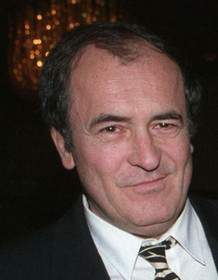
Bernardo Bertolucci
Made by

Iride Cinematografica
Before the Revolution Plot Summary
Read the complete plot summary and ending explained for Before the Revolution (1964). From turning points to emotional moments, uncover what really happened and why it matters.
In the city of Parma during the year 1962, the story revolves around Fabrizio, a young university student portrayed by Francesco Barilli, who becomes increasingly drawn into political and philosophical debates as he questions his own identity and beliefs. Fabrizio is deeply interested in the principles of the Italian Communist Party, a cause that conflicts with his middle-class upbringing. This internal struggle is illustrated through his complex relationship with Clelia, his fiancée, who shares his social background but shows little interest in political ideologies, focusing instead on personal matters.
Fabrizio’s close friendship with Agostino, played by Allen Midgette, adds further depth to his existential journey. Agostino is haunted by his disdain for his parents’ conservative lifestyle and finds himself torn between the religious values instilled by his Catholic family and the Marxist ideals that Fabrizio advocates. During a heartfelt conversation with Fabrizio, Agostino expresses his deep-seated hatred for his parents’ way of life, revealing the emotional turmoil that underpins their relationship. Fabrizio, feeling concerned about his friend’s mental state, encourages Agostino to meet Cesare, an insightful schoolteacher played by Morando Morandini, who had previously helped Fabrizio solidify his own grasp on political philosophy.
Adding to the emotional intricacies of Fabrizio’s life is the arrival of Gina, Fabrizio’s aunt, portrayed by Adriana Asti. She is the younger sister of his mother from Milan and enters the household, bringing with her a mixture of charm and unresolved tension. Soon after her arrival, Fabrizio is devastated to learn about Agostino’s tragic death, which appears to have been a suicide by drowning in the Po River. The young man interviews local youths present during the incident and becomes convinced of the seriousness of his friend’s despair, interpreting Agostino’s feelings as a metaphorical hatred toward himself—a mirror of his internal conflict.
Fabrizio’s relationship with Gina grows more complicated as they begin an affair. Despite her feelings for Fabrizio and her intellectual connection to Cesare, Gina keeps her true emotions hidden, convinced that their relationship will not endure. She confides in Fabrizio during late-night phone calls with an unseen confidant she refers to as “doctor,” revealing her rising hysteria and anxiety. She feels increasingly disturbed and blames her mysterious caller for her insomnia and emotional distress, suspecting that her move to Parma is part of a larger scheme to send her away from Milan.
A pivotal moment unfolds when Fabrizio encounters Gina leaving a hotel with a man after a brief sexual encounter, which fills him with anger and disappointment. Nonetheless, Gina later consoles Fabrizio, expressing her relief that he remains unmarried and free of familial responsibilities. Their relationship faces further tension when they meet with Puck, an old lover of Gina’s portrayed by Cecrope Barilli, who epitomizes the struggles of the generation set to face an uncertain future. Puck, living a life of stagnation on land inherited from his father, laments the rapid changes of the times, which threaten his way of life. Fabrizio confronts Puck about his complacency, and Gina, upset by Fabrizio’s criticism, reacts by slapping him, emphasizing the emotional volatility among the characters.
Soon after, Gina departs back to Milan, leaving Fabrizio immersed in his world of philosophical questions and political disillusionment. The narrative then shifts to a communist rally held in Parma’s Parco Ducale, where Fabrizio begins to voice his doubts about the ideological purity of the party, hinting at his growing disillusionment despite his outward adherence. Amidst this turmoil, Fabrizio marries Clelia, reinforcing his ties to his social class, but his internal struggles remain unresolved.
The story concludes with a poignant scene at Fabrizio’s wedding, where Gina is seen sharing a tender, almost rebellious moment by repeatedly kissing Antonio, Fabrizio’s younger brother. This act hints at lingering feelings and unresolved tensions among the characters, symbolizing the ongoing conflicts between personal desire, political beliefs, and familial bonds that define their lives.
Throughout this poignant tale, the film explores themes of ideological conflict, societal change, personal identity, and emotional resilience, painting a rich picture of Italy in a period of political and social upheaval. The characters’ intertwined journeys reflect the complexities of youthful idealism confronts the realities of a changing world.
Before the Revolution Timeline
Follow the complete movie timeline of Before the Revolution (1964) with every major event in chronological order. Great for understanding complex plots and story progression.
Fabrizio's Political Awakening
In 1962 Parma, Fabrizio, a young student, becomes increasingly interested in the Italian Communist Party and begins questioning his middle class roots. He engages in discussions with his friend Agostino about their differing social and ideological backgrounds, reflecting Fabrizio's growing political awareness.
Introduction of Aunt Gina
Fabrizio's aunt Gina, from Milan, moves into the family home. She is only slightly older than Fabrizio and brings her own emotional and psychological complexities. Her arrival adds a new dynamic to the family environment.
Agostino's Tragic Death
Fabrizio is shocked to learn that his best friend Agostino has drowned in the Po River. Investigating the incident, he becomes convinced that Agostino's death was a suicide, driven by his hatred for his parents and possibly himself.
Fabrizio and Gina's Affair
Fabrizio begins an affair with Gina, and they spend time reading philosophical works, reflecting on Italy's fascist past. Gina confesses she is in love with Fabrizio but remains emotionally distant and conflicted about their relationship.
Gina's Nightly Phone Calls
Gina exhibits signs of increasing hysteria, engaging in nightly phone conversations with an unseen 'doctor'. She is plagued by anxieties and sleep difficulties, hinting at her emotional instability and possible manipulation.
Fabrizio Discovers Gina with a Man
Fabrizio encounters Gina leaving a hotel with a man after a brief sexual encounter. Feeling betrayed, he leaves angrily, signaling the deterioration of her relationship and his emotional state.
Gina Comforts Fabrizio
Gina later comforts Fabrizio, expressing her gladness that he remains unencumbered by marriage. Their complex relationship deepens, interweaving emotional attachment and ambiguity.
Gina and Puck's Encounter
Gina meets with Puck, an old lover and friend, who laments his stagnant life and the changing times. The meeting underscores the themes of social decline and disillusionment among older generations.
Fabrizio's Political Disillusionment
Attending a communist rally, Fabrizio hints at his growing disillusionment with the party's ideology. This marks a turning point in his political journey, moving away from ideological fervor.
Marriage to Clelia
Fabrizio marries Clelia, maintaining his ties to the middle-class social milieu. The wedding symbolizes his return to traditional social expectations amidst his internal ideological conflict.
Gina's Affection for Fabrizio's Brother
During the wedding celebration, Gina is seen repeatedly kissing Fabrizio's younger brother Antonio, indicating unresolved feelings and emotional complexities within the family ties.
Before the Revolution Characters
Explore all characters from Before the Revolution (1964). Get detailed profiles with their roles, arcs, and key relationships explained.
Gina
Gina is a complex woman caught between her past loves and turbulent emotions. She is somewhat enigmatic, displaying both affection and chaos in her interactions, hinting at underlying mental and emotional struggles. Her desire for love and stability is conflicted by her restless nature.
Fabrizio
Fabrizio is a young man grappling with his political beliefs and personal identity. He is idealistic but becomes increasingly disillusioned with ideological commitments, reflecting the existential crises faced by many in his generation. His internal conflicts drive much of the film's emotional tension.
Agostino
Agostino is Fabrizio's passionate friend who embodies youthful rebellion and existential anguish. His tragic death symbolizes the darker consequences of ideological and personal turmoil, leaving Fabrizio to confront the complexities of trust and despair.
Cesare
Cesare is a teacher who influences Fabrizio's political awakening. He represents intellectual guidance and ideological debate, helping shape Fabrizio’s understanding of Italy's history and its social conflicts.
Before the Revolution Settings
Learn where and when Before the Revolution (1964) takes place. Explore the film’s settings, era, and how they shape the narrative.
Time period
1962
The film takes place in 1962, a period marked by political upheaval and social change in Italy. It was a time of economic growth, but also ideological conflicts, especially between communism, Catholicism, and traditional values, which are central themes in the movie.
Location
Parma, Milan
The movie is primarily set in Parma, a city in northern Italy known for its rich history, architecture, and cultural heritage. Milan also features as an important backdrop, representing urban life and social contrasts. Both locations reflect Italy's complex social landscape during the 1960s.
Before the Revolution Themes
Discover the main themes in Before the Revolution (1964). Analyze the deeper meanings, emotional layers, and social commentary behind the film.
🧠
Ideology
The film explores the clash between Marxist ideas and Catholic beliefs, showcasing characters caught between political activism and personal doubts. It questions the influence of ideology on individual identities and relationships during a turbulent era.
💔
Love and Disillusionment
Relationships are complicated by emotional conflicts, societal expectations, and personal ambitions. The romantic entanglements and betrayals highlight the characters' struggles to find genuine connection amidst social pressures and ideological divides.
🌅
Transition
The story captures Italy on the cusp of change, reflecting the shift from traditional values to modern ideals. Characters grapple with their pasts and futures, symbolizing Italy’s broader transition during the early 1960s.

Coming soon on iOS and Android
The Plot Explained Mobile App
From blockbusters to hidden gems — dive into movie stories anytime, anywhere. Save your favorites, discover plots faster, and never miss a twist again.
Sign up to be the first to know when we launch. Your email stays private — always.
Explore the mobile appBefore the Revolution Spoiler-Free Summary
Discover the spoiler-free summary of Before the Revolution (1964). Get a concise overview without any spoilers.
In the early 1960s, Parma crackles with the restless energy of a nation on the brink of change. The city’s streets echo with debates about politics, philosophy, and the very meaning of love, which is treated as an art form worthy of endless discussion. A warm, sun‑drenched Italy provides a beautiful yet uneasy backdrop, where intellectual fervor collides with the lingering traditions of a more conservative past, setting a tone that is both lyrical and quietly oppressive.
_ Fabrizio _ is a young university student whose idealism draws him deep into the swirling currents of left‑wing thought. He wrestles with the expectations of his middle‑class upbringing while being pulled toward the promises of a radical future. His relationships become mirrors for his inner conflict: a steady‑going fiancée who lives comfortably within his social sphere, and a close friend whose tragic fate haunts him, casting a shadow over his quest for purpose. Through these bonds, the film explores how personal desire and political conviction can both illuminate and obscure one’s path.
Guiding and unsettling him are a cast of influential figures. _ Cesare _, a perceptive schoolteacher, offers intellectual scaffolding that sharpens Fabrizio’s worldview. Meanwhile, his aunt, _ Gina _, arrives from Milan, bringing with her a blend of worldly charm and hidden anxieties that complicate familial ties and stir unexpected passions. Across the generational divide stands _ Puck _, a landowner tied to a fading aristocratic legacy, whose own doubts about the future reflect the broader societal unease. Their interactions hint at visions of Italy’s looming challenges, suggesting that personal and national destinies are intertwined.
The atmosphere remains richly textured, balancing quiet introspection with the palpable tension of an era poised for upheaval. The film invites viewers to linger in the spaces between conversation and silence, to feel the weight of unspoken hopes, and to wonder how each character will navigate the delicate line between love, ideology, and the inevitable march of time.
Movies with Similar Twists and Themes
Uncover films that echo the narrative beats, emotional arcs, or dramatic twists of the one you're exploring. These recommendations are handpicked based on story depth, thematic resonance, and spoiler-worthy moments — perfect for fans who crave more of the same intrigue.


Featured on this page

What's After the Movie?
Not sure whether to stay after the credits? Find out!
Check out our other apps:

SAT Sphere
Build confidence for the Digital SAT.

Mori Atlas
Discover wild places worth protecting.

Luntero
Search smarter for a home in Amsterdam.

Plot Explained
Unravel movie endings and hidden clues.

Pokechamp
Dive into Pokémon data and battle logic.

Driving Theory
Get ready for your European theory test.

Movie Dust
Plan your next cinema trip with ease.

Musemap
Find art and culture as you travel.

Selkobase
Compare credentials before committing.

Local Manual
Turn an unfamiliar country into practical next steps.

Lernavi
Compare school systems before your next move.

GymRoam
Find a workout stop wherever your plans take you.
Explore Our Movie Platform
New Movie Releases (2026)
Famous Movie Actors
Top Film Production Studios
Movie Plot Summaries & Endings
Major Movie Awards & Winners
Best Concert Films & Music Documentaries
Movie Collections and Curated Lists
© 2026 What's After the Movie. All rights reserved.
Privacy Policy