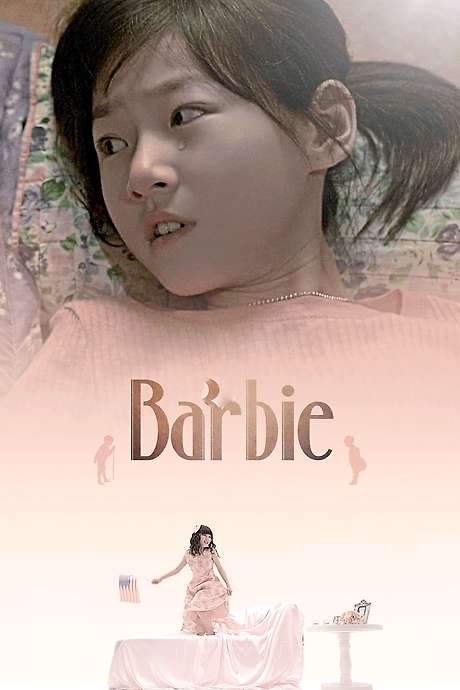



Barbie Plot Summary
Read the complete plot summary and ending explained for Barbie (2011). From turning points to emotional moments, uncover what really happened and why it matters.
Once upon a time, in the whimsical world of Barbie Land, the story begins with a humorous homage to the classic film 2001: A Space Odyssey. A narrator, voiced by Helen Mirren, explains how the iconic Barbie doll has been a staple of girlhood since its inception. We see young girls choosing their beloved Barbies over traditional baby dolls, symbolizing the doll’s cultural significance.
In this vibrant universe, there are numerous Barbies and Kens, each with their unique roles and professions. Some notable Barbies include the President Barbie (Issa Rae), Physicist Barbie ([Emma Mackey]), Doctor Barbie ([Hari Nef]), Writer Barbie ([Alexandra Shipp]), Diplomat Barbie ([Nicola Coughlan]), Journalist Barbie ([Ritu Arya]), and Mermaid Barbie, played by [Dua Lipa]. The Kens rely heavily on their romantic relationships with the Barbies, with Ryan-Ken and Simu-Ken engaging in playful rivalry, threatening to “beach off” each other in their friendly competition.
The film introduces us to the main Barbie, portrayed by Margot Robbie, who enjoys her idyllic life in Barbie Land, surrounded by friends and her loyal Ken, played by [Ryan Gosling]. Their joyful existence is briefly disrupted during a lively dance party celebrating life’s pleasures until Barbie raises a profound question about mortality, momentarily dampening the festive mood.
Things start to change for Barbie when she begins noticing strange anomalies—her heels no longer touch the ground and her skin shows signs of cellulite. Concerned, her friends direct her to Weird Barbie ([Kate McKinnon]), a quirky character with a wild appearance, who warns her that her bizarre experiences might be linked to the girl who plays with her in the real world. Barbie realizes she must venture beyond Barbie Land to investigate these issues, accompanied by a stowaway Ken.
Their journey takes them to Venice Beach in the real world, where Barbie encounters trouble after defending herself from a man who gropes her, leading to her arrest. During this ordeal, she witnesses visions of a young girl playing happily with her, which gradually turns sorrowful, prompting Barbie to shed tears of empathy. Sitting beside an elderly woman, Barbie compliments her beauty, and the woman responds with quiet confidence, emphasizing inner strength.
Following these visions, Barbie is directed to Sasha, a middle school girl ([Arianna Greenblatt]) who has shunned Barbies because she feels they promote unrealistic beauty standards. Meanwhile, Ken discovers an enlightening perspective on patriarchy, viewing it as an empowering force, which influences his worldview.
Barbie then visits Mattel, the company responsible for creating her, where she meets the CEO ([Will Ferrell]) and an employee named Gloria ([America Ferrera]), who is Sasha’s mother. The CEO tries to persuade Barbie to go back into a boxed, life-sized display to fix her existential crisis. She nearly agrees but then decides to escape, prompting a chase involving Gloria and Sasha. During their escape, Barbie learns that Gloria might be partly responsible for her crisis because Sasha has become more withdrawn around her.
Returning to Barbie Land, they find that Ken has brought the influence of the patriarchal mindset with him, transforming the peaceful land into Kendom, where he drapes the place in hyper-masculine bravado. Ken relishes newfound power, turning Barbie’s dream house into a “Mojo Dojo Casa House” and encouraging the other Kens to adopt more aggressive, “bro” personas. These changes create a rift among the Barbies and Kens, leading to a sense of loss and depression for Barbie herself.
As Barbie grapples with her feelings of inadequacy, Gloria and Sasha intervene, showing her that she is more than her perfect image. They take her to Weird Barbie’s hideaway, where Barbie is still feeling disillusioned. With some heartfelt speeches and a collective plan, the Barbies convince the Kens to reconsider their attitudes through playful competition—including a dance-off and the soulful ballad “I’m Just Ken”—which helps Ken realize that his identity shouldn’t be solely defined by his relationship with Barbie.
Amidst this, the spirit of Ruth Handler ([Rhea Perlman]), parent of Barbie, appears to encourage her to forge her own destiny. She reminds Barbie that despite the finite nature of human life, her story does not need to end. Inspired by visions of women and mothers, Barbie makes a pivotal choice to embrace her individuality and self-determination.
In a final act of empowerment, Barbie reenters the real world as Barbara Handler to explore her identity beyond Barbie Land. She is dropped off outside a clinic, eager to take steps toward understanding her place in the real world, symbolizing her journey to self-acceptance and independence.
“The only thing better than a Barbie doll, is a woman who knows her worth.”
This film weaves humor, self-discovery, and social commentary into a lively adventure about identity, societal expectations, and the importance of choosing one’s own path, all set against the bright, playful backdrop of Barbie Land and the vast possibilities of real life.
Barbie Timeline
Follow the complete movie timeline of Barbie (2011) with every major event in chronological order. Great for understanding complex plots and story progression.
Introduction with parody of "2001: A Space Odyssey"
The film begins with a parody of "2001: A Space Odyssey," narrated by Helen Mirren, emphasizing that Barbie dolls have been part of girlhood since the beginning. Scenes show little girls replacing their baby dolls with Barbie, highlighting her cultural significance. This establishes the playful yet reflective tone of the movie.
Life in Barbie Land
In Barbie Land, various Barbies and Kens live harmonious lives, with multiple versions of each character. Barbie enjoys her day-to-day activities with Ken and her friends, celebrating their idealized world through a dance party. Tensions arise when Barbie questions the concept of death, dampening the cheerful mood.
Barbie's strange changes and visit to Weird Barbie
Barbie begins noticing odd changes, such as her heels touching the ground and the appearance of cellulite. She is directed to Weird Barbie, who tells her that her issues may stem from the real world affecting her, prompting Barbie and her stowaway Ken to leave Barbie Land.
Journey to the real world
Barbie and Ken arrive in Venice Beach, where Barbie gets into trouble after punching a man who slaps her butt. After escaping jail, Barbie searches for her owner and has an emotional moment, shedding tears as she witnesses a girl’s joy fading over time, reflecting her own existential crisis.
Encounter with Sasha and realization
Barbie meets Sasha, a middle school girl who no longer plays with Barbies due to unrealistic beauty standards. Barbie begins to understand that her existence is linked to the girl’s changing perceptions and struggles with her own identity.
Arrival at Mattel and the corporate confrontation
Barbie arrives at Mattel headquarters, where the CEO tries to convince her to return to a life-size box to fix her existential crisis. Barbie nearly agrees but ultimately escapes, leading to a high-stakes chase involving Gloria and Sasha.
Return to Barbie Land and Ken’s patriarchy invasion
Barbie, Gloria, and Sasha return to Barbie Land, discovering that Ken has brought patriarchy with him. Ken renames the land "Kendom," indoctrinating Kens and making Barbies subservient, while Ken’s influence starts to affect the real world’s Barbie Dream House.
Ken’s empowerment and Barbie’s depression
Ken feels valued and powerful in Kendrick’s patriarchy, leading Barbie to feel insecure and less perfect. Gloria and Sasha leave Barbie feeling depressed, but Weird Barbie intervenes, reminding her of her importance and inspiring her to fight back.
Allan’s rebellion and returning to help Barbie
Disillusioned Kens build a poorly constructed wall, while Allan, tired of Kens controlling Barbie Land, joins Gloria, Sasha, and the others in planning to help Barbie. They return to find her in despair, with some Barbies starting to see things differently.
Rebellion and Ken’s apology
Barbie’s friends rally to persuade the Kens to change their behaviors through humor, jealousy, and a dance-off. Ken admits he feels defined only by his relationship to Barbie, leading to heartfelt apologies and a realization that he is more than just "Ken".
Spirit of Ruth Handler and Barbie’s decision
The spirit of Ruth Handler, creator of Barbie, appears, encouraging Barbie to choose her own destiny. Barbie envisions a broader future beyond her predefined role, realizing she can define her own identity and purpose.
Barbie’s return and new identity
Barbie re-embarks into the real world as Barbara Handler, embracing her agency. She visits a gynecologist, symbolizing her acceptance of her adult identity and the journey toward self-discovery, leaving behind her Barbie persona.
Barbie Characters
Explore all characters from Barbie (2011). Get detailed profiles with their roles, arcs, and key relationships explained.
Barbie (Margot Robbie)
Barbie begins as an embodiment of perfection and happiness but faces an existential crisis that leads her to seek her true purpose. She is compassionate, curious, and determined to find authenticity beyond her conventional image.
Ken (Ryan Gosling)
Ken initially feels overshadowed by Barbie’s success and modern identity but later learns about patriarchy and its influence on his personality. His journey is about self-acceptance and understanding what truly defines him.
Gloria (America Ferrera)
Gloria is Sasha’s mother and a key figure in helping Barbie realize her worth. She advocates for challenging societal standards and promotes empowerment and authenticity in women.
Sasha (Arianna Greenblatt)
Sasha is a middle school girl who has outgrown her interest in Barbie dolls due to unrealistic beauty standards. Her character embodies youth, independence, and societal critique.
Barbie Settings
Learn where and when Barbie (2011) takes place. Explore the film’s settings, era, and how they shape the narrative.
Time period
Contemporary (present day)
The movie is set in the present day, reflecting modern societal themes and issues such as gender roles, beauty standards, and corporate influence. The narrative transitions between the whimsical world of Barbie Land and the real world, emphasizing current cultural concerns and the ongoing evolution of social norms.
Location
Barbie Land, Venice Beach, Mattel Headquarters, Barbie Dream House
Barbie Land is a vibrant, imaginary world where multiple Barbies and Kens coexist, each with their own roles and personalities. Venice Beach serves as the real-world backdrop, known for its eclectic culture and beachside atmosphere. The Mattel Headquarters is the corporate setting that symbolizes the toy company's influence. The Barbie Dream House represents the idealized and aspirational home associated with Barbie's brand and lifestyle.
Barbie Themes
Discover the main themes in Barbie (2011). Analyze the deeper meanings, emotional layers, and social commentary behind the film.
🦄
Identity
The film explores self-identity as Barbie and Ken confront their roles in both their idealized world and the real world. Barbie's journey to understanding her purpose and individuality reflects broader themes of personal growth and self-discovery.
⚖️
Gender Roles
The story critiques traditional gender stereotypes, highlighting the impact of societal expectations on women and men. Barbie’s challenge to break free from her perfect doll image and Ken’s discovery of patriarchy exemplify this theme.
🌱
Change
Change is central to the narrative, as characters evolve from rigid stereotypes to more nuanced identities. Barbie's decision to redefine her destiny symbolizes hope and empowerment amid societal and personal transformations.

Coming soon on iOS and Android
The Plot Explained Mobile App
From blockbusters to hidden gems — dive into movie stories anytime, anywhere. Save your favorites, discover plots faster, and never miss a twist again.
Sign up to be the first to know when we launch. Your email stays private — always.
Explore the mobile appBarbie Spoiler-Free Summary
Discover the spoiler-free summary of Barbie (2011). Get a concise overview without any spoilers.
In a hyper‑chromatic universe that feels both like a perpetual sunshine festival and a clever museum exhibit, the story opens with a reverent, almost mythic narration that situates the iconic doll as a cultural touchstone since its debut. The camera sweeps over a perfectly ordered metropolis where every building, storefront and park bench seems to have been designed by an imagination that never grew up. This bright, stylized world—often called Barbie Land—buzzes with a playful mixture of retro futurism and glossy nostalgia, setting a tone that is as self‑aware as it is exuberant.
At the heart of this shining tableau is Barbie, a confident, endlessly optimistic figure whose life is a seamless blend of fashion, career ambition and endless social gatherings. She is surrounded by a legion of equally polished companions—from presidents to physicists—each reflecting a facet of possibility. Alongside her is Ken, her devoted counterpart whose charm and earnestness add a layer of gentle comic relief. Their relationship, while delightfully affectionate, also hints at deeper questions about identity and purpose, inviting the audience to wonder what lies beneath the flawless surface.
The film balances its dazzling aesthetic with a witty, slightly satirical edge, using bright colors and buoyant dialogue to explore themes of self‑discovery and societal expectation. It feels simultaneously like a celebration of imagination and a quietly inquisitive invitation to consider what it means to step outside a pre‑written script. As the narrative unfolds, the audience is drawn into a world where every smile could be a clue, and where the journey toward authenticity promises to be as whimsical and thought‑provoking as the setting itself.
Featured on this page

What's After the Movie?
Not sure whether to stay after the credits? Find out!
Check out our other apps:

SAT Sphere
Build confidence for the Digital SAT.

Mori Atlas
Discover wild places worth protecting.

Luntero
Search smarter for a home in Amsterdam.

Plot Explained
Unravel movie endings and hidden clues.

Pokechamp
Dive into Pokémon data and battle logic.

Driving Theory
Get ready for your European theory test.

Movie Dust
Plan your next cinema trip with ease.

Musemap
Find art and culture as you travel.

Selkobase
Compare credentials before committing.

Local Manual
Turn an unfamiliar country into practical next steps.

Lernavi
Compare school systems before your next move.

GymRoam
Find a workout stop wherever your plans take you.
Explore Our Movie Platform
New Movie Releases (2026)
Famous Movie Actors
Top Film Production Studios
Movie Plot Summaries & Endings
Major Movie Awards & Winners
Best Concert Films & Music Documentaries
Movie Collections and Curated Lists
© 2026 What's After the Movie. All rights reserved.
Privacy Policy