
Barbarians at the Gate 1993

Directed by

Joseph Kell
Made by
HBO Films
Barbarians at the Gate Plot Summary
Read the complete plot summary and ending explained for Barbarians at the Gate (1993). From turning points to emotional moments, uncover what really happened and why it matters.
Self-made multimillionaire F. Ross Johnson (James Garner), the CEO of RJR Nabisco, drives a bold business move in 1988: he aims to take the tobacco and food conglomerate private after learning that Premier, the smokeless cigarette project intended to boost the company’s stock price, may fail. The news sets a high-stakes chess game in motion, where Johnson’s appetite for control collides with market reality and the lives of thousands of Nabisco workers.
Johnson’s relentless push for a buyout ignites a dramatic clash with Henry Kravis (Jonathan Pryce), one of the pioneers of the leveraged buyout. Kravis feels betrayed when Johnson first contemplates the LBO with him but then takes the potentially enormous deal to another firm, the Shearson Lehman Hutton division of American Express. The maneuver signals that in this arena, trust is scarce and speed is vital, and it lays the groundwork for a battle that reaches far beyond one company’s balance sheet.
As the initial drama unfolds, other bidders step into the ring, including Ted Forstmann (David Rasche) of Forstmann Little. The competition quickly escalates into uncharted heights, turning a corporate takeover into a public spectacle where every move is scrutinized and every data point is weighed for leverage. The two towering figures at the center—Johnson and Kravis—struggle to align their visions, while the rest of the corporate world watches as the price climbs and the stakes multiply.
Within the boardroom and on the trading floor, the tension intensifies as Nabisco executives confront the human cost of such a maneuver. Charles Hugel, an executive who sees the broader consequences, drops a hard truth in the room: the deal could mean thousands of Nabisco employees losing their jobs. The pressure racks the room, and the cost of ambition becomes crystal clear. In moments like these, the phrase spoken in the heat of battle crystallizes into a grim motto: the greed of the moment is visible to all, and the implications ripple outward far beyond the walls of the boardroom.
The bidding war culminates in a pivotal moment when Kravis’s final bid is declared the winner, even though Johnson’s offer was higher. The clash of ideals, strategies, and personalities leaves a lasting impression on the corporate world and on the people who live through the consequences of such power plays. The story is as much about money as it is about people—the workers, the families, and communities touched by a decision that reshapes a venerable company.
The film’s title—and the source material’s name—draw from a sharp remark by Forstmann, who frames Kravis’s money as “phoney junk bond crap” and counters with a claim of real, tangible capital. He and his brother are portrayed as “real people with real money,” and he argues that to stop raiders like Kravis, “We need to push the barbarians back from the city gates.” This sense of defense and defiance threads through the narrative, lending a vivid edge to the financial drama and underscoring the moral complexities at the heart of the takeover.
Now I know what the ‘F’ in F. Ross Johnson stands for.
We need to push the barbarians back from the city gates.
Barbarians at the Gate Timeline
Follow the complete movie timeline of Barbarians at the Gate (1993) with every major event in chronological order. Great for understanding complex plots and story progression.
Johnson's decision to take Nabisco private
In 1988, F. Ross Johnson, Nabisco's self-made CEO, decides to pursue a leveraged buyout to take the company private after news suggests Premier will fail. He bets that mounting debt can unlock value and boost the stock price, despite considerable risk. The move triggers a high-stakes pursuit by powerful investors and lenders.
Initial LBO discussions with Kravis
Johnson discusses the possibility of an LBO with Henry Kravis, probing his interest and potential partnership. The dialogue sets the stage for a tense dynamic between the two men as they weigh control versus collaboration. The talks highlight how huge the deal could become for both sides.
Johnson shifts the bid to financing via Shearson Lehman Hutton
After the initial talks, Johnson takes the deal to the Shearson Lehman Hutton division of American Express to secure financing. Kravis feels betrayed by being sidelined and demands a rethink of the approach. The move accelerates the bidding dynamics by bringing a new financing path into play.
New bidders enter the race
With Johnson and Kravis at odds, other bidders emerge, most notably Ted Forstmann of Forstmann Little. The field grows rapidly, and the auction becomes a public test of who can assemble the deepest pockets. The stakes rise as more players enter the competition.
The bidding war intensifies
The bidding escalates to unprecedented heights as banks, dealmakers, and raiders push offers higher than anyone anticipated. The process becomes a media and corporate spectacle, drawing attention to the enormous potential profits and the social costs. Financing structures and debt levels become a central battlefield.
Hugel's grim remark about Johnson's profits
Executive Charles Hugel overhears how much Johnson stands to profit from the deal and quips that the 'F' in F. Ross Johnson stands for something other than 'for' or 'finance.' The remark underscores the profit incentives clouding the decision. The moment crystallizes public concern over greed.
Johnson and Kravis fail to reconcile
Despite ongoing talks, Kravis and Johnson fail to reconcile their differences, keeping the field wide open for others. The stalemate prolongs the auction and sustains the pressure on Nabisco's board and management. The deal continues to attract massive financing commitments from across Wall Street.
Kravis's final bid wins despite higher Johnson bid
In a dramatic turn, Kravis's final bid is declared the winner, even though Johnson's offer was higher. The Nabisco board ultimately accepts Kravis's plan, reflecting the strategic advantages of his financing and proposed governance. The outcome signals a dramatic shift in corporate control dynamics.
Forstmann's barbarians quote fuels the film's title
The film's title derives from a line by Forstmann contrasting his 'real money' with Kravis's 'phoney junk bond crap.' The comment frames the moral tension between authentic investors and opportunistic raiders. It captures the cultural critique at the heart of the saga.
We must push the barbarians back from the gates
Forstmann and others argue for defending the real economy against raiders, coining the memorable line about pushing barbarians away from the city gates. The notion positions the protagonists as guardians of the corporate status quo. The moment crystallizes the public antagonism toward financialized takeovers.
The deal's human cost comes into focus
As the auction intensifies, Nabisco employees fear thousands could lose their jobs. Executives publicly weigh the social impact of a take-private deal against the financial gains. The film emphasizes the tension between profit-driven maneuvers and people's livelihoods.
The LBO closes; Nabisco goes private
Kravis's bid ultimately succeeds, and Nabisco moves off the public market into private ownership. The deal cements a landmark moment in the history of leveraged buyouts and signals the triumph of aggressive finance on Wall Street. The ending underscores the ethical debates surrounding such takeovers.
Barbarians at the Gate Characters
Explore all characters from Barbarians at the Gate (1993). Get detailed profiles with their roles, arcs, and key relationships explained.
F. Ross Johnson (James Garner)
Self-made multimillionaire CEO of RJR Nabisco, Johnson is bold, flamboyant, and relentlessly confident. He pursues privatization as a way to cement his legacy, often blurring lines between ambition and excess. His confrontations with rivals reveal a sharp, aggressive negotiator who believes in taking bold risks for control.
Henry Kravis (Jonathan Pryce)
Co-founder of a pioneering leveraged buyout firm, Kravis is calculated and fiercely competitive. He embodies the art of the deal, leveraging networks and capital to outbid rivals. His pursuit of Nabisco underscores the era's belief that private ownership can redefine corporate destiny.
Ted Forstmann (David Rasche)
Founder of Forstmann Little, he enters the bidding war as a formidable, no-nonsense bidder. He prides himself on ‘real money’ and squarely positions himself against the junk-bond-dominated financing of others. His presence escalates the stakes and questions about what privatization costs.
Charlie Hugel (Tom Aldredge)
Nabisco executive Charles Hugel is sharply aware of the financial calculus behind the bid and the social costs of layoffs. He embodies the tension between corporate pragmatism and the human consequences of aggressive takeovers. His quip highlights the era's cynicism toward financial maneuvers.
Barbarians at the Gate Settings
Learn where and when Barbarians at the Gate (1993) takes place. Explore the film’s settings, era, and how they shape the narrative.
Time period
1988
Set in 1988 during the peak of the leveraged buyout boom, the film captures the feverish pace of takeovers and debt-funded deals. It highlights how financiers maneuver through bids, auctions, and board discussions in pursuit of control and profit. The era is defined by flashy wealth, aggressive strategies, and the human stakes of privatization.
Location
New York City, Nabisco headquarters, Wall Street
The story unfolds largely within Nabisco's New York headquarters and the surrounding financial corridors. It paints a high-pressure environment of boardrooms, negotiations, and late-night dealmaking that defines 1980s corporate culture. The city serves as a backdrop for the clash between bidders, financiers, and company insiders.
Barbarians at the Gate Themes
Discover the main themes in Barbarians at the Gate (1993). Analyze the deeper meanings, emotional layers, and social commentary behind the film.
💰
Greed
The film centers on greed as the engine of the leveraged buyout race. Personal fortunes hinge on record bids and privatizing a major staple of American consumer culture. It exposes how wealth pursuit can overshadow employees' livelihoods and corporate health.
⚔️
Rivalry
A battle unfolds among heavyweight bidders, where each side calculates risk, leverage, and strategic alliances. The competition reshuffles power on Wall Street and within boardrooms. Reputations rise and fall as bids escalate.
🧭
Ethics
Ethical questions emerge about job losses, corporate responsibility, and the human cost of privatization. Executives weigh short-term gains against long-term consequences for thousands of Nabisco employees. The dialogue probes whether wealth can justify aggressive tactics.

Coming soon on iOS and Android
The Plot Explained Mobile App
From blockbusters to hidden gems — dive into movie stories anytime, anywhere. Save your favorites, discover plots faster, and never miss a twist again.
Sign up to be the first to know when we launch. Your email stays private — always.
Explore the mobile appBarbarians at the Gate Spoiler-Free Summary
Discover the spoiler-free summary of Barbarians at the Gate (1993). Get a concise overview without any spoilers.
In the glittering yet ruthless world of late‑1980s Wall Street, a colossal food‑and‑tobacco conglomerate stands at a crossroads. The company’s future hangs on the promise of a new smokeless cigarette, a product touted to revive its sagging stock and cement its market dominance. Yet whispers in trading rooms and speculative headlines begin to erode confidence, turning boardrooms into battlegrounds where reputation and capital clash.
F. Ross Johnson is the charismatic, self‑made CEO steering this behemoth. Known for his lavish lifestyle and fearless decision‑making, he confronts the looming failure of the coveted product with a bold, unconventional solution: to take the entire corporation private. His vision is as audacious as it is personal, a gamble that could rewrite the rules of corporate ownership and test the limits of his own ambition.
Across the glossy veneer of high finance, seasoned deal‑makers emerge. Henry Kravis and his cousin, pioneers of the leveraged‑buyout, see the situation as an opportunity to wield their signature financial artillery. Meanwhile, Ted Forstmann and his firm enter the arena, branding the prevailing tactics as “phoney junk bond crap” and positioning themselves as the antithesis to the era’s raiders. Each player brings a distinct philosophy, creating a volatile mix of strategy, ego, and the ever‑present promise of enormous profit.
The atmosphere is charged with a paradoxical blend of elegance and cut‑throat aggression. Boardrooms become arenas, press releases turn into taunts, and the very notion of ownership feels as contested as a city’s gates under siege. As the stakes rise, the film captures the intoxicating allure of power, the seductive danger of unchecked greed, and the uneasy question of who truly controls the future when money becomes both weapon and shield.
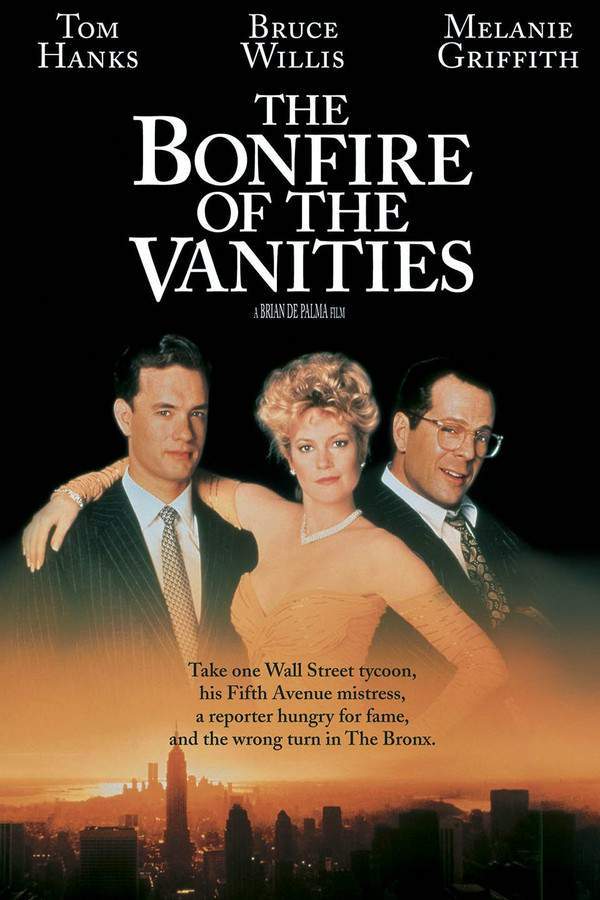
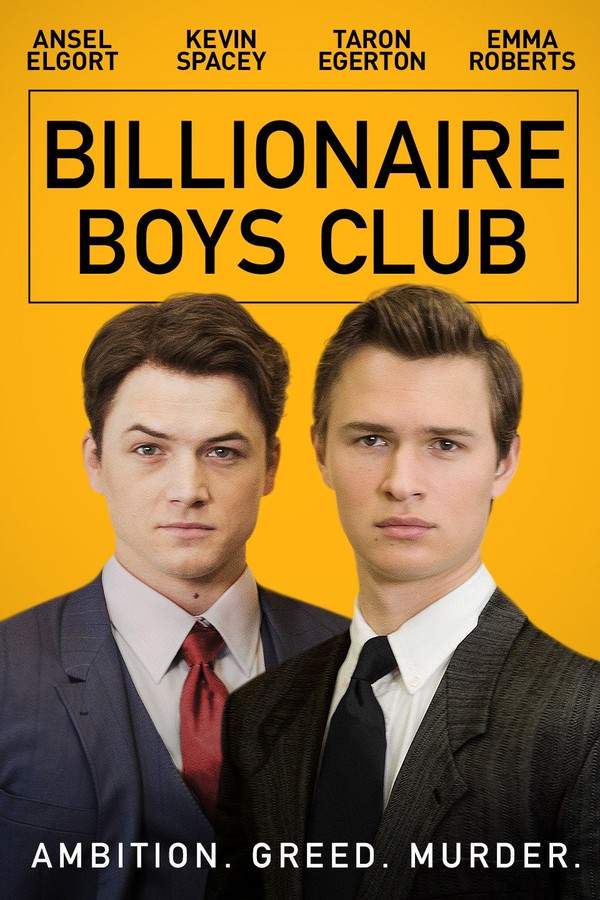
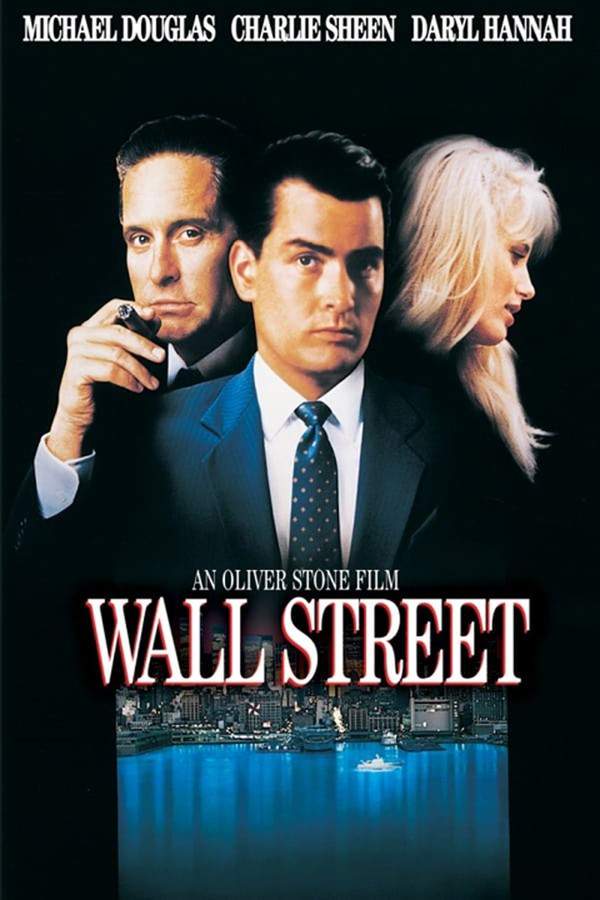
Movies with Similar Twists and Themes
Uncover films that echo the narrative beats, emotional arcs, or dramatic twists of the one you're exploring. These recommendations are handpicked based on story depth, thematic resonance, and spoiler-worthy moments — perfect for fans who crave more of the same intrigue.


Featured on this page

What's After the Movie?
Not sure whether to stay after the credits? Find out!
Check out our other apps:

SAT Sphere
Build confidence for the Digital SAT.

Mori Atlas
Discover wild places worth protecting.

Luntero
Search smarter for a home in Amsterdam.

Plot Explained
Unravel movie endings and hidden clues.

Pokechamp
Dive into Pokémon data and battle logic.

Driving Theory
Get ready for your European theory test.

Movie Dust
Plan your next cinema trip with ease.

Musemap
Find art and culture as you travel.

Selkobase
Compare credentials before committing.

Local Manual
Turn an unfamiliar country into practical next steps.

Lernavi
Compare school systems before your next move.

GymRoam
Find a workout stop wherever your plans take you.
Explore Our Movie Platform
New Movie Releases (2026)
Famous Movie Actors
Top Film Production Studios
Movie Plot Summaries & Endings
Major Movie Awards & Winners
Best Concert Films & Music Documentaries
Movie Collections and Curated Lists
© 2026 What's After the Movie. All rights reserved.
Privacy Policy