What Happens in Baggio: The Divine Ponytail?
The complete story of Baggio: The Divine Ponytail, from the first scene to the last, in 208 words (about 1 minute). Spoilers throughout.
Spoilers ahead
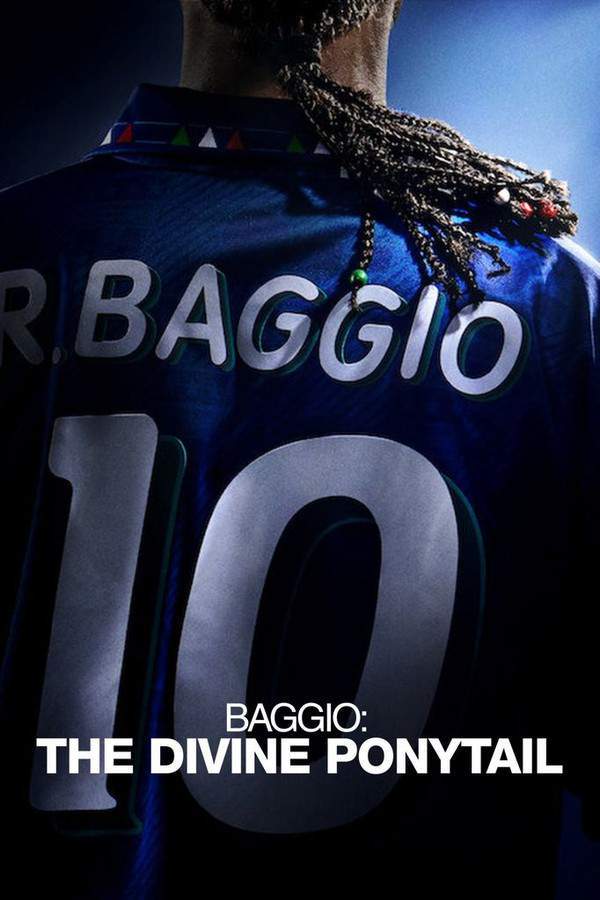
A chronicle of the 22-year career of football star Roberto Baggio (Andrea Arcangeli), that includes his relationship with family members, his turbulent debut as a player and differences with some of his coaches, between successes, injuries, and his discovery of Buddhism.
The film begins with a young Baggio dreaming to win the FIFA World Cup with Italy against Brazil, to revenge the 1970 final. The most significant moment of Baggio’s career is the 1994 FIFA World Cup, where he almost single-handedly carries his team to the final, against Brazil. Baggio has the occasion to lift the World Cup trophy also taking the long dreamed revenge. Unfortunately, the match is decided on a Penalty shoot-out, and Baggio himself fails the last penalty, handing the trophy to Brazil. In 2002, he hopes to participate to the World Cup, but a serious injury towards the end of the Serie A season seems to nullify his hopes. Instead, he returns to football only 77 days from the injury. However, the head coach of the national team, Giovanni Trapattoni, controversially decides not to call him up. The film ends with Baggio supported of his family and friends, as well as in the love of the fans who have accompanied him throughout his career.
How Does Baggio: The Divine Ponytail End?
The last act of Baggio: The Divine Ponytail and what it means, in 309 words. Big spoilers: read the plot summary first if you have not seen it.
The final act, in full
Throughout the film, Roberto Baggio’s journey is depicted as a relentless pursuit of his childhood dream to win the FIFA World Cup for Italy. Despite numerous setbacks, including serious injuries that threatened to end his career, Baggio’s resilience kept him fighting. His leg injuries, especially during the 1994 World Cup semi-final, appeared to be a major obstacle, yet he insisted on playing in the crucial matches, showcasing his unwavering dedication. His signature ponytail, inspired by his Buddhist beliefs, symbolized a new focus and spiritual awakening that helped him push through these hardships.
However, the film subtly reveals that Baggio’s dream of winning the World Cup was partly built on a myth created by his father, Florindo. A poignant moment near the end of the story involves a conversation between Roberto and his father, where the truth is uncovered: his father had lied about the promise Roberto made as a child. The dream of lifting the World Cup was actually a constructed goal—one to inspire Roberto to persevere despite his injuries and setbacks. His father, understanding Roberto’s talent but wanting to protect him from despair, fabricated the myth to motivate him.
The story concludes with Roberto realizing that although he never achieved his ultimate dream of winning the World Cup, he attained something even more meaningful: the love and recognition of Italy, and a legacy that transcends the tournament itself. His journey was not merely about the trophy but about persistence, identity, and the pursuit of a dream that was, in part, a story his father told to keep him moving forward. Ultimately, Baggio’s journey became a testament to the importance of the process and the love that fuels it, rather than the destination alone. His story teaches us that sometimes, dreams evolve and transform, and what matters most is the resilience and passion that drive us along the way.