
Bad Boy Bubby 1993


Directed by
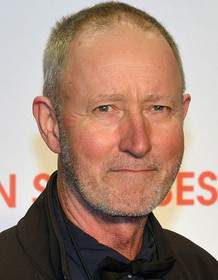
Rolf de Heer

Where to Watch Bad Boy Bubby
See current US streaming, rental, and purchase options for Bad Boy Bubby (1993) via JustWatch.

Midnight Pulp
HD
Philo
HD
Tubi TV
SD
Google Play Movies
SD
YouTube
SDStreaming availability powered by 
Bad Boy Bubby Plot Summary
Read the complete plot summary and ending explained for Bad Boy Bubby (1993). From turning points to emotional moments, uncover what really happened and why it matters.
In a desolate industrial zone of Adelaide, Bubby is a mentally challenged 35-year-old man who lives in a squalid house with his abusive, religiously fervent mother. The two share a suffocating routine: his mother keeps him isolated, convinces him that the outside air is toxic, and warns that Jesus will strike him down if he ever steps out. Their relationship is deeply troubled and intertwined with control, as Florence frequently encourages Bubby to engage in incestuous acts with her, while the two survive only with the companionship of a pet cat that tragedy ultimately claims through a cruel accident with clingwrap. This bleak domestic world is shattered when Harold, Angel’s Father, returns after years away, having abandoned Florence to pursue a preaching life. He bears little warmth for his son, mocks his condition, and participates in the physical abuse that colors Bubby’s childhood. The cycle of cruelty intensifies, leaving Bubby in a defenseless, frightened state, until a desperate act of suffocation ends his parents’ reign and propels him toward the unknown world beyond the house.
From that moment, [Bubby] steps into a society that barely notices him yet cannot ignore the spectacle of his behavior. He is taken in by members of The Salvation Army and wanders into the town center, where locals taunt him for his social awkwardness and odd conduct. A rock band notices him and offers a lift, and he helps them set up a gig, finding in their world both welcome and unease. The band grows fond of him, even as his unpredictability unsettles them. When a newspaper report appears about the murder of his parents and implies he may be the killer, the band members decide to send him to stay with their friend Dan, hoping to separate him from the crowds that might misjudge him. Dan becomes a new anchor, and the two men share meals and conversations that reveal Bubby’s hunger for belonging, even as his behavior remains troubling and unpredictable.
Yet trouble continues to follow him. After a dinner outing with Dan, Bubby fondles a woman and is arrested. In jail, he refuses to cooperate with the warden and is rebuked as punishment, placed in a separate cell where he is assaulted by another inmate, known only as “The Animal.” The prison chief ultimately declares him rehabilitated and releases him back into the world. In a church, Bubby encounters a figure known as The Scientist, who articulates a radical, bleak philosophy: God does not exist, and it is humanity’s duty to “think God out of existence” and shoulder responsibility for themselves. > “God does not exist,” he proclaims, “and it is the job of humans to think God out of existence and take responsibility for themselves.” This encounter marks a turning point in Bubby’s perception of purpose and his place in a world that has never treated him kindly.
Back in the world, Bubby returns to a pub and again fondles a woman, drawing a violent response from her friends. Overwhelmed by rejection and disillusionment, he strips away the old identity and dons his father’s clothes to become the persona of Pop. With a newly found confidence, he reenters the town and finds a stray cat to care for, a symbol of nurture he has long craved. He reappears at the rock club, where he delivers a surreal, hypnotic performance on stage—repeating phrases he has absorbed from others—earning a curious adoration from the crowd. He returns to feed his cat, only to discover it has been killed by local hoodlums, a fresh wound that intensifies his emotional volatility.
A compassionate nurse, Angel, caring for people with physical disabilities, becomes his next beacon. They form a bond and become lovers, and Bubby finds a strange sense of belonging in her tenderness. They retreat to the care center, and his fixation on her breasts—reminding him of his mother—loosens his fear and fuels his affectionate power. Angel invites him to dinner with her strict and religious parents, a meal that becomes a crucible of humiliation for her. They mock her weight, provoking Bubby to curse at God in anger, and the blowback from Angel’s parents forces him to leave. The conflict culminates in a grim act: Bubby uses clingwrap again to kill Angel’s parents, severing the last thread of social resistance to their relationship and carving out a brutal path toward a life that feels truly his own. Still, the couple remains together, and they eventually start a family, finding perhaps a fragile sense of peace as they build a new life together.
- The story preserves a steady core: a man shaped by abuse, isolation, and a society that rarely sees him as anything more than an anomaly, who nevertheless discovers moments of connection, artistry, and forbidden love. Through Bubby’s evolving alter egos—the boy, the Pop figure, and the steadfast partner to Angel—the film tracks a paradoxical journey: a brutal path toward self-definition that nonetheless ends with fragile, ambiguous happiness. The film’s tone remains restrained, its world harsh and unyielding, yet it never loses sight of Bubby’s humanity, his longing for touch and approval, and the small, stubborn glimmers of beauty that survive amid chaos.
[Notes on performances and cast connections]
- Bubby anchors the film with a daunting mix of vulnerability and odd charisma.
- The maternal force is represented by Mum, a figure whose presence shapes Bubby’s entire world.
- Angel becomes the film’s emotional fulcrum, offering tenderness that clashes with his volatile impulses.
- Pop marks a pivotal reinvention of identity, a mask that allows him to navigate the world with audacious confidence.
- The film’s philosophical turn arrives through The Scientist, who voices a stark nihilism that challenges Bubby to consider responsibility beyond religious belief.
The narrative unfolds as a stark, unflinching examination of a man who cannot fit the mold of ordinary society, yet who discovers a path toward dignity, connection, and family in the most unlikely of places. If you’re seeking a raw, uncompromising character study wrapped in a bleak, surreal edge, this story offers a long, contemplative journey into the heart of a difficult life and the stubborn hope that persists within it.
Bad Boy Bubby Timeline
Follow the complete movie timeline of Bad Boy Bubby (1993) with every major event in chronological order. Great for understanding complex plots and story progression.
Isolated life under Florence's control
Bubby grows up in a squalid house under the control of his abusive mother, Florence. He has never left the home because Florence convinces him the outside air is toxic and that Jesus will strike him down if he goes out. Their bond is unhealthy, and their only companion is a pet cat.
Harold returns and confronts Bubby
Harold returns after years away and reveals he is a preacher. He mocks Bubby for his alleged mental disorder, and Florence participates in the abuse as well. The household becomes more hostile, pushing Bubby toward a breaking point.
Bubby suffocates his parents
Tired of the abuse, Bubby uses clingwrap to suffocate his parents and end their brutality. He then resolves to venture outside for the first time, stepping into a world he has long feared. The act marks a drastic turning point in his life.
First venture outside; encounters Salvation Army
On his first trip outside, Bubby is picked up by members of The Salvation Army who offer help and directions. He wanders into the town centre, where locals react with curiosity and scorn to his odd behavior. The encounter marks his first exposure to the wider world.
Band helps with setup and takes him in
A rock band takes notice of Bubby as he helps them set up for a gig. They are both unsettled by his oddities and oddly drawn to his earnestness. They allow him to stay involved with their world, at least briefly.
Dan offers refuge
The band decides to send Bubby to stay with their friend Dan, giving him temporary shelter away from his mother. Bubby's world expands as he meets new people outside his home.
Dinner with Dan's circle; arrest
Dan and Bubby go out for dinner, but Bubby fondles a woman and is arrested. He remains silent and uncooperative in the jail’s warden's presence. The incident marks his official entry into the criminal justice system.
Prison life and assault; rehabilitation
In jail, Bubby is placed in a separate cell where he is raped by an inmate known as The Animal. The prison chief deems him rehabilitated and releases him back into society.
The Scientist challenges faith
Bubby visits a church and meets a man in the congregation called The Scientist who argues that God does not exist and that people must think God out of existence. The encounter plants seeds of self-reliance in him and questions about belief.
Beaten after fondling another woman
Seeking belonging, Bubby goes to a pub, fondles another woman, and is beaten by her friends. The episode intensifies his sense of alienation from mainstream society.
Grows into Pop; returns home
Feeling unwelcome, Bubby returns home and dons his father’s clothes, adopting the persona of 'Pop' to gain confidence. The transformation signals his attempt to forge a new identity within his familiar surroundings.
Performs with the rock band; finds a cat
Bubby goes back to the town club and reconnects with the rock band, delivering a bizarre crowd-pleasing performance. He also finds a stray cat, vowing to care for it as part of his new identity.
Cat killed; Angel enters his life
After the performance, Bubby discovers the stray cat has been killed by hoodlums. He then meets Angel, a nurse who cares for people with physical disabilities and who becomes drawn to him.
Love and dinner with Angel's parents
Angel invites him to dinner with her strict religious parents. They mock her weight and humiliate her, enraging Bubby and prompting him to lash out; the parents demand he leave the house.
Blood ties and a bleak ending
In a brutal turn, Bubby curses God and kills Angel's parents with clingwrap, sealing his bond with Angel in a grim fashion. The couple remains together and later have multiple children, ending the story on a troubling note of uneasy peace.
Bad Boy Bubby Characters
Explore all characters from Bad Boy Bubby (1993). Get detailed profiles with their roles, arcs, and key relationships explained.
Bubby (Nicholas Hope)
The central figure, a man with developmental challenges kept in isolation by his abusive, religious mother. He processes the world through a blend of naivety and stubborn determination. His curiosity and kindness drive the plot as he ventures outside for the first time, enduring trauma and moments of self-discovery that reshape his sense of self.
Angel (Carmel Johnson)
A nurse who cares for people with disabilities, she becomes Bubby’s love interest and a catalyst for his emotional growth. She represents tenderness and a potential home away from his mother's dominance. Their relationship challenges Bubby to trust and form a deeper connection, even as it tests social norms.
Mum (Claire Benito)
Bubby’s mother, a domineering, religious fanatic whose control extends to sexual coercion and isolation. Her abuse shapes Bubby’s worldview and fuels his longing for escape. She embodies the toxic, oppressive environment that drives much of the film’s conflict and tragedy.
Pop (Ralph Cotterill)
A paternal figure associated with Bubby’s early life; his presence and attitudes influence Bubby’s sense of masculinity and authority. The dynamic oscillates between absence and authority, shaping how Bubby interprets male roles and power.
Cop / Warder (Dave Flannagan)
A law enforcement figure encountered during Bubby’s encounters with the outside world and the jail system. His interactions underscore the fragility of Bubby’s position within societal structures and the punitive aspects of authority he must navigate.
Bad Boy Bubby Settings
Learn where and when Bad Boy Bubby (1993) takes place. Explore the film’s settings, era, and how they shape the narrative.
Time period
Late 1980s
The events unfold in a late 1980s Australian urban setting, a period of economic tension and countercultural undercurrents. The gritty city atmosphere combines hardship with rough nightlife, reflecting the era’s social attitudes toward disability and difference. This backdrop influences Bubby’s isolation, encounters with street life, and evolving sense of self.
Location
Adelaide, Australia (industrial area, city centre)
Set in a dilapidated house in an industrial precinct of Adelaide, the story unfolds amid factory walls and polluted air. The surrounding streets become Bubby's first exposure to the outside world, marked by public harassment and stark social divides. The environment mirrors the oppressive religious and familial controls that shape his life.
Bad Boy Bubby Themes
Discover the main themes in Bad Boy Bubby (1993). Analyze the deeper meanings, emotional layers, and social commentary behind the film.
🩹
Abuse and Resilience
The film centers on how abusive family dynamics and coercive control shape Bubby’s psyche. It tracks the cycles of fear, manipulation, and the fragile attempts at solace that eventually push him toward self-definition. Despite brutal experiences, the story follows Bubby’s stubborn persistence to find a place in the world. The narrative uses his perspective to challenge what constitutes normal humanity.
🌪️
Violence and Survival
Violence operates as a pervasive force that drives Bubby’s choices and life trajectory. The abuse from his mother and later violent encounters reveal a world with few safe boundaries. The film critiques harsh social attitudes toward disability and difference, showing how survival often requires redefining personal limits. Through upheaval, Bubby seeks a form of autonomy, even at great cost.
🎭
Performance and Outsider Art
Bubby’s emergence as a stage presence—joining a rock band and delivering a raw, improvised act—frames his outsider status as a form of art. The crowd’s reaction lends him a sense of validation he never received at home. The film treats his performances as outsider art, challenging norms about who can create meaning and be seen. It questions the gatekeepers of art and fame.
🕯️
Faith vs Doubt
Religious dogma at home clashes with secular, probing ideas introduced by other characters, notably The Scientist. The mother’s fanaticism shapes Bubby’s early worldview, while the Scientist urges personal responsibility and self-made meaning. This tension fuels Bubby’s quest for autonomy, as he navigates belief, doubt, and self-definition. The narrative uses faith as a lens to examine control and freedom.

Coming soon on iOS and Android
The Plot Explained Mobile App
From blockbusters to hidden gems — dive into movie stories anytime, anywhere. Save your favorites, discover plots faster, and never miss a twist again.
Sign up to be the first to know when we launch. Your email stays private — always.
Explore the mobile appBad Boy Bubby Spoiler-Free Summary
Discover the spoiler-free summary of Bad Boy Bubby (1993). Get a concise overview without any spoilers.
In a bleak, industrial stretch of Adelaide, a lonely house sits like a rusted shell amid factories and silence. Inside, Bubby has spent his entire life under the watchful eye of an overprotective mother who convinces him that the very air beyond their doorway is poisonous. Their cramped world is ruled by strict, religious fervor and a routine that leaves little room for anything beyond the walls that keep them safe—and captive.
The mother’s grip is absolute, shaping every thought Bubby has about the outside world. She fills his mind with warnings, turning curiosity into terror, and isolates him from any sense of normal childhood. It is a suffocating existence where love and connection are filtered through control, leaving Bubby yearning for something he cannot yet name.
When his estranged father finally appears after years of absence, the fragile balance shatters. The father’s sudden presence forces Bubby to confront a reality he has never known, and for the first time he steps beyond the thresholds that have defined his life. The world outside is a bewildering kaleidoscope of noise, strangers, and possibilities that feel as alien to him as he feels to them.
What follows is a raw, unflinching portrait of a man caught between the oppressive certainty of his past and the chaotic, often hostile freedom of society. The film’s tone is stark and surreal, blending a harsh visual palette with moments of unexpected tenderness. Bubby’s search for belonging and humanity unfolds in a landscape that is both unforgiving and oddly beautiful, inviting the audience to watch a fragile soul navigate a world that has never been made for him.
Movies with Similar Twists and Themes
Uncover films that echo the narrative beats, emotional arcs, or dramatic twists of the one you're exploring. These recommendations are handpicked based on story depth, thematic resonance, and spoiler-worthy moments — perfect for fans who crave more of the same intrigue.
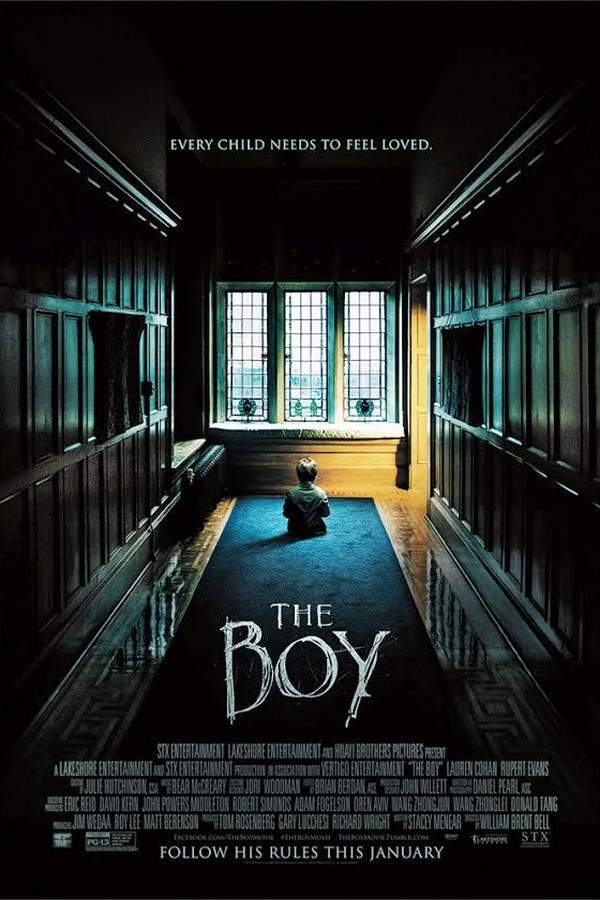
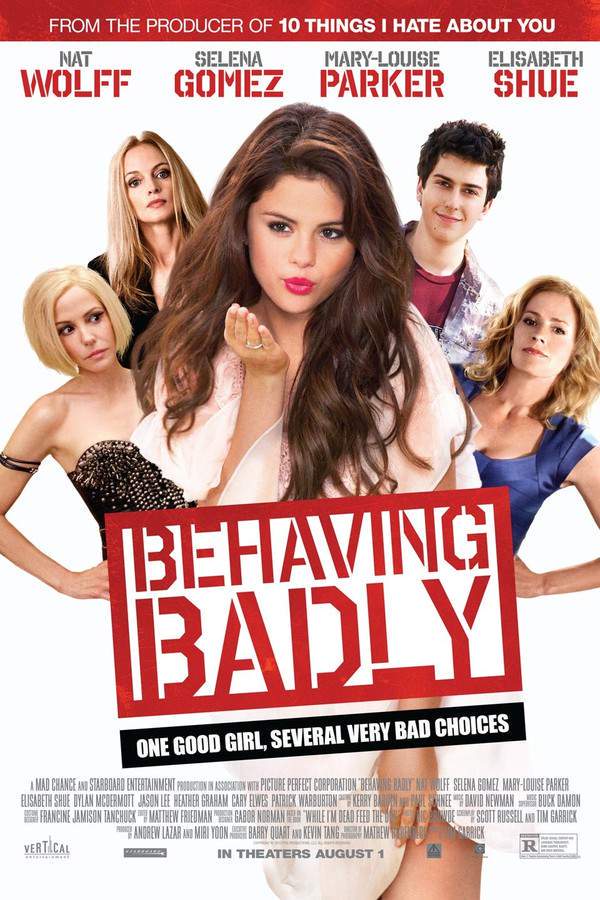


Featured on this page

What's After the Movie?
Not sure whether to stay after the credits? Find out!
Check out our other apps:

SAT Sphere
Build confidence for the Digital SAT.

Mori Atlas
Discover wild places worth protecting.

Luntero
Search smarter for a home in Amsterdam.

Plot Explained
Unravel movie endings and hidden clues.

Pokechamp
Dive into Pokémon data and battle logic.

Driving Theory
Get ready for your European theory test.

Movie Dust
Plan your next cinema trip with ease.

Musemap
Find art and culture as you travel.

Selkobase
Compare credentials before committing.

Local Manual
Turn an unfamiliar country into practical next steps.

Lernavi
Compare school systems before your next move.

GymRoam
Find a workout stop wherever your plans take you.
Explore Our Movie Platform
New Movie Releases (2026)
Famous Movie Actors
Top Film Production Studios
Movie Plot Summaries & Endings
Major Movie Awards & Winners
Best Concert Films & Music Documentaries
Movie Collections and Curated Lists
© 2026 What's After the Movie. All rights reserved.
Privacy Policy