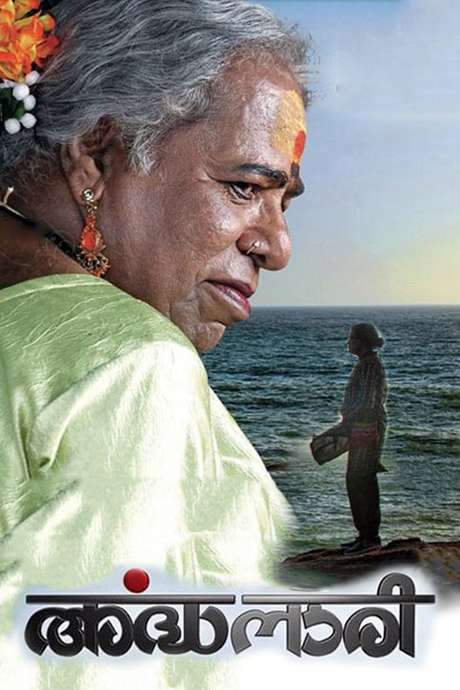
Ardhanaari 2012

Directed by

Santhosh Souparnika
Made by

MG Sound & Frames Company
Ardhanaari Plot Summary
Read the complete plot summary and ending explained for Ardhanaari (2012). From turning points to emotional moments, uncover what really happened and why it matters.
Ardhanaari takes a strikingly different course by centering on Manjula, Manoj K Jayan, a person who carries a male body but a feminine mindset, and walks through a world that constantly questions where identity ends and performance begins. The film remains intentionally elusive about whether Manjula is truly transgressing norms, and it does not definitively answer questions about reproduction, leaving a quiet space for interpretation as the story unfolds.
From the outset, the narrative brushes against ambiguities—whether Manjula’s gender expression is a fixed label or a fluid state of being—while introducing a schoolboy who falls in love with a male classmate. That affection is treated with a mix of tenderness and social scorn, as the boy’s feminine charm invites ridicule from many, save for a lone promise to marry him when they are older. This strand seeds a tension about love, acceptance, and the pressures of a society itching to name and police desire.
As the years pass, the romance of the schoolyard matures into a broader, more complicated reality. Manjula’s distinctive life path brings disgrace upon his family, culminating in exile from his home. He seeks refuge among a circle of transvestites who welcome him with an openness that contrasts sharply with the world he left behind. Yet even within this sanctuary, love remains precarious, and he faces renewed rejection when affection shifts or fails to align with expectations.
Cinematically, the film leans toward melodrama, and many moments feel theatrically heightened. The script often leans into heightened emotions, a choice some viewers may find overbearing, while others may view it as a candid mirror of the tumultuous inner life of someone navigating a stigmatized existence. The movie attempts to map the realities of marginalized lives—the compulsions, the fears, and the longing that accompany a non-normative identity—though the execution sometimes slips into rhetoric rather than restraint.
The central arc is about more than individual desire; it’s about the way society fixes its gaze on those who do not fit a neat template. The journey shows the scars that linger long after the immediate tensions fade: the persistent sense of being watched, judged, and labeled, and the ongoing negotiation of belonging in a world that prizes conformity.
Manjula’s sexuality is presented as a central, undeniable thread. The character remains bisexual, choosing to live with a man, even as there is the possibility of deeper emotional connections with a woman. This openness to complexities of love and partnership is one of the film’s defining ambitions, even as it wrestles with how stigma shapes outcomes and experiences for people who stand apart from conventional categories.
The narrative also leans on familiar melodramatic touches that critics often associate with this kind of exploration. An older hijra character, portrayed by Maniyanpilla Raju, appears as a cautionary figure, reinforcing the film’s messages about risk and vulnerability. The story does not shy away from explicit issues, including unsafe sex and the HIV discourse that has repeatedly entered conversations about sexuality in cinema, using such moments to anchor its social commentary.
In performances, [Manoj K Jayan] delivers a brave, committed portrayal of the title role, bringing a measured blend of vulnerability and resolve to Manjula. He is supported by a veteran ensemble, including Nayak, played by Thilakan, whose presence adds gravity to the film’s more charged scenes. The portrayal of Priest by Sukumari adds a layer of solemnity to the narrative, grounding some of the more theatrical moments in tradition and ritual. The dynamic among Balu Menon and his wife—crafted by the interplay with Jayakrishnan and Asha Sarath—further complicates the social web the film constructs, illustrating how relationships intersect with identity, stigma, and belonging.
If the film had embraced a quieter, more restrained approach, it might have achieved a more universal tenderness, a sentiment some viewers feel is largely present in its core. Instead, the combination of earnest themes with a high-strung dramatic voice can feel shrill and overpowering at times. Yet even in its loudest moments, the film offers a window into lives that are rarely given the central stage, inviting reflection on how people navigate love, loyalty, and self-acceptance under the weight of public opinion.
Overall, Ardhanaari is an ambitious, provocative piece that invites conversation about sexuality, gender, and community. It is a portrait of resilience amid judgment, and a reminder that the inner truth of a person can resist easy categorization even when the world around them seeks to define them for convenience.
Ardhanaari Timeline
Follow the complete movie timeline of Ardhanaari (2012) with every major event in chronological order. Great for understanding complex plots and story progression.
Manjula's gender and society's gaze
Manjula lives with a male body but a feminine mindset, and the world around him keeps asking where identity ends and performance begins. The film frames these tensions as ambiguous and open to interpretation rather than offering a fixed answer. It establishes a central question about how norms police desire and belonging.
A schoolyard confession
A schoolboy falls in love with a male classmate, a tenderness that is quickly shadowed by social scorn. The affection becomes a seed of conflict as peers mock the relationship. The narrative plants a promise to marry when they are older, signaling early hopes and the weight of expectations.
Romance matures amid stigma
As years pass, the romance grows into a more complicated reality that society refuses to name. The pressures of kinship, reputation, and communal judgment intensify, threatening the boys' futures. Yet the bond persists as a site of longing and resilience.
Disgrace and exile
Manjula’s life path brings disgrace upon his family, forcing him to flee his home. He casts his lot with a different world on the margins, seeking safety away from the judgment of his former community. The move marks a turning point toward a life defined by exile and search for belonging.
Sanctuary among transvestites
Manjula finds refuge among a circle of transvestites who welcome him with openness. This sanctuary contrasts with the hostility left behind, offering communal support and a space to perform identity without immediate punishment. The environment foregrounds both care and fragility in intimate relationships.
Love remains precarious
Even within this sanctuary, love remains precarious as affection shifts or fails to meet expectations. Relationships are tested by communal norms, jealousy, and the fragilities of belonging. The narrative keeps returning to how desire survives or fractures under social scrutiny.
Melodrama as lens
Cinematically, the film leans into melodrama, with heightened emotional beats that trace the inner life of a stigmatized identity. These moments can feel theatrical but aim to reflect the tumult and resilience of marginalized lives. Viewers are invited to read emotion as a truthful response to social pressure.
The gaze and the scars
The central arc centers on society’s fixation on non-normative identities, and the character bears scars from constant judgment. The story depicts how public opinion shapes private future and belonging. The negotiation of acceptance becomes a persistent thread across the narrative.
Bisexuality and chosen companionship
Manjula’s sexuality is portrayed as bisexual, navigating life with a man while leaving room for potential deeper connections with a woman. He chooses to live with a man, yet emotional possibilities with others linger in the background. The story uses this complexity to question rigid categories of love and partnership.
The cautionary hijra figure
An older hijra character appears as a cautionary presence, underscoring risks and vulnerabilities faced by those who traffic in non-normative identities. This figure serves as a warning about danger, exploitation, and the fragility of safety. The encounter anchors the film’s social critique within lived experience.
Unsafe sex and HIV discourse
The narrative directly engages with unsafe sex and HIV discourse as social commentary, grounding its themes in public health concerns. These moments anchor the film’s critique of stigma and the human cost of marginalization. They also challenge the audience to confront uncomfortable truths about love and risk.
Resilience and the search for belonging
Across its storms of judgment, the film threads a portrait of resilience—how Manjula negotiates belonging in a world that prizes conformity. The strong ensemble supports the central arc, giving gravity to scenes of love, loss, and quiet courage. The story closes with an invitation to reflect on identity beyond easy categorization.
Ardhanaari Characters
Explore all characters from Ardhanaari (2012). Get detailed profiles with their roles, arcs, and key relationships explained.
Manjula (Manoj K Jayan)
Manjula lives in a male body with a feminine mindset, navigating a society eager to police desire. His bisexuality and openness to complex relationships drive the central conflict—between acceptance and exile. The character embodies the tension between self-identity and public perception, as he seeks belonging within marginalized circles after leaving home.
Jameela (Maniyanpilla Raju)
An older hijra figure acts as a cautionary presence, highlighting risk and vulnerability in a stigmatized world. Jameela's role provides a counterpoint to the main character's glamorized struggles, grounding the story in lived consequences of non-normative lives.
Nayak (Thilakan)
Nayak is a veteran authority whose gravity underscores the social gaze and pressure surrounding non-conformity. His presence embodies traditional values and the policing of desire within families and communities.
Priest (Sukumari)
The Priest anchors ritual and solemnity, reminding viewers of cultural and religious frameworks that constrain or support non-normative identities. Her scenes lend gravity to the moral and ceremonial dimensions of the story.
Balu Menon (Jayakrishnan)
A husband within a conventional marriage whose life intersects with Manjula's world, illustrating the strain between duty, desire, and social expectations. His interactions reveal the complexities of fidelity and loyalty under scrutiny.
Balu Menon's Wife (Asha Sarath)
Asha Sarath's character embodies traditional marital roles, navigating the tensions between personal longing and societal norms. Her involvement in the web of relationships exposes how stigma and expectations shape intimate life.
Ardhanaari Themes
Discover the main themes in Ardhanaari (2012). Analyze the deeper meanings, emotional layers, and social commentary behind the film.
🧭
Identity
Manjula lives in a male body with a feminine mindset, navigating a society eager to police desire. His bisexuality and openness to complex relationships drive the central conflict—between acceptance and exile. The character embodies the tension between self-identity and public perception, as he seeks belonging within marginalized circles after leaving home. The film uses these tensions to map resilience in marginalized lives.
💞
Love and Society
A schoolyard romance evolves into adult relationships, revealing how desire can be cherished in private yet scorned in public. The story probes varied forms of love—romantic, familial, and chosen communities—and how societal norms complicate commitment. It contrasts tenderness with social stigma, forcing characters to choose between belonging and authenticity. The theme emphasizes love's fragility under communal judgment.
🚫
Stigma and Belonging
The protagonist faces exile and disgrace, illustrating how communities police non-normative identities. Rejection from family and society underscores the ongoing struggle to belong without conforming. The film shows marginalized individuals seeking sanctuary within transvestite circles, where acceptance is precarious and relationships are tested by judgment. It exposes the scars left by stigma long after the social conflicts fade.
🎭
Performance and Authenticity
Cinematically the film leans into melodrama, blurring lines between performance and inner truth. Characters negotiate outward performances—whether gender, love, or loyalty—against an inner need for authenticity. The heightened emotional tone mirrors the world’s pressure to categorize, while also offering glimpses of genuine longing and resilience. The theme examines how identity can be an act as much as a core truth.

Coming soon on iOS and Android
The Plot Explained Mobile App
From blockbusters to hidden gems — dive into movie stories anytime, anywhere. Save your favorites, discover plots faster, and never miss a twist again.
Sign up to be the first to know when we launch. Your email stays private — always.
Explore the mobile appArdhanaari Spoiler-Free Summary
Discover the spoiler-free summary of Ardhanaari (2012). Get a concise overview without any spoilers.
In a tightly knit corner of Indian society where tradition and appearance dictate everyday life, Vinayan moves through streets that feel both familiar and hostile. From schoolyards to family gatherings, the world around him is a chorus of expectations that demand a clear, conventional identity, leaving little room for the nuances of his own. The film’s visual palette mirrors this tension, blending the muted tones of ordinary homes with bursts of color that echo the protagonist’s inner yearning for authenticity.
Vinayan carries the weight of constant ridicule and misunderstanding, his soft gestures and delicate demeanor clashing with the harsh judgment of peers and relatives. Rejection from his own family pushes him to the edge of isolation, yet it also ignites a restless curiosity about the lives of those who exist beyond the binary walls of his community. An invitation—subtle, compassionate, and laden with unspoken solidarity—offers a glimpse into a hidden enclave where others who share his struggle have forged a fragile sanctuary.
The film’s tone is an intimate blend of raw melodrama and quiet social commentary, allowing moments of tenderness to breathe amid the louder, often theatrical, confrontations. Its narrative voice respects the complexity of gender and desire, refusing to simplify the protagonist’s feelings into neat categories. Supporting characters, such as an elder figure who embodies both wisdom and vulnerability, underscore the generational weight of the issues at hand while hinting at the broader cultural dialogues surrounding acceptance, love, and identity.
Through Vinayan’s perspective, the story invites the audience to contemplate the delicate balance between societal pressure and personal truth. It paints a portrait of a soul that, amid whispers of shame and glimmers of hope, must decide whether to conform to the familiar or step into a world where the heart’s quiet song can finally be heard.
Featured on this page

What's After the Movie?
Not sure whether to stay after the credits? Find out!
Check out our other apps:

SAT Sphere
Build confidence for the Digital SAT.

Mori Atlas
Discover wild places worth protecting.

Luntero
Search smarter for a home in Amsterdam.

Plot Explained
Unravel movie endings and hidden clues.

Pokechamp
Dive into Pokémon data and battle logic.

Driving Theory
Get ready for your European theory test.

Movie Dust
Plan your next cinema trip with ease.

Musemap
Find art and culture as you travel.

Selkobase
Compare credentials before committing.

Local Manual
Turn an unfamiliar country into practical next steps.

Lernavi
Compare school systems before your next move.

GymRoam
Find a workout stop wherever your plans take you.
Explore Our Movie Platform
New Movie Releases (2026)
Famous Movie Actors
Top Film Production Studios
Movie Plot Summaries & Endings
Major Movie Awards & Winners
Best Concert Films & Music Documentaries
Movie Collections and Curated Lists
© 2026 What's After the Movie. All rights reserved.
Privacy Policy