

What Is April Captains About?
The premise of April Captains in 314 words, with nothing given away. The full story follows below.
In the sweltering spring of 1974, Portugal stands at a crossroads, its streets still echoing the weight of a long‑standing authoritarian regime. The air in Lisbon and the military outposts beyond carries a mixture of dread and faint anticipation, as a generation of young people quietly questions the future of a nation locked in colonial conflict and strict conservatism. Against this backdrop, everyday moments—trains humming through the countryside, trams rattling past historic squares—take on a charged stillness, hinting that something monumental may be about to stir.
At the heart of the story are two officers poised on opposite sides of an unseen divide. Salgueiro Maia, a young captain with a calm, scholarly demeanor, feels an uneasy pull between duty and conscience, while Gervásio, a seasoned major, balances cautious pragmatism with a yearning for change. Their personal convictions are mirrored in the lives of civilians caught in the same tide: Daniel, a conscript on the verge of deployment, shares a tender farewell with his beloved Rosa before heading to his base, and Antónia, a left‑leaning journalist and lecturer, wrestles with the moral implications of the regime as she cares for her sister’s child and confronts her estranged husband Manuel, an army captain himself. These intersecting perspectives create a mosaic of longing, fear, and quiet resolve that colors every interaction.
The film’s tone is intimate yet expansive, blending the hushed urgency of personal relationships with the looming specter of national upheaval. Cinematically, the palette shifts between the muted blues of early morning trains and the warm glow of cramped city apartments, underscoring the tension between oppression and hope. Dialogue is layered with subtext, allowing viewers to feel the simmering disquiet without ever spelling out the forthcoming actions. Through its careful character study and atmospheric world‑building, the narrative invites the audience to sense the fragile balance on the edge of transformation, leaving the exact outcome tantalizingly unresolved.
What Happens in April Captains?
The complete story of April Captains, from the first scene to the last, in 642 words (about 3 minutes). Spoilers throughout. Names in the text link to 6 cast member pages.
Spoilers ahead
On the evening of 24 April 1974, a young conscript, Daniel, shares a last kiss with his girlfriend Rosa before boarding a train from Lisbon back to his army base in Santarém, both fearing a deployment to Portugal’s colonial war. The mood is heavy, fearful and uncertain, as Rosa then travels by tram to Antónia’s flat to look after her daughter Amelia while Antónia, a left-leaning journalist and lecturer, wrestles with the moral weight of the regime’s crimes.
Back at the base, Daniel remains oblivious to the coup unfolding around him. Captain Salgueiro Maia arrests the base commander at gunpoint and calls the soldiers to assemble for a midnight march toward Lisbon, urging them to join him in overthrowing the government. Maia’s erudite yet cautious ally, Major Gervásio, refuses to participate, as does Lieutenant Lobão, highlighting the split within the armed forces at the outset of the crisis.
Meanwhile, in Lisbon, Antónia confronts her estranged husband Manuel, a Portuguese Army captain, over atrocities from the colonial wars. Rosa arrives to babysit and Antónia heads to a reception where she pleads with her brother Filipe Correia, a government minister, to release a student detained by the DGS, but he refuses. The head of the DGS, Salieri, is also at the reception; he recognises Antónia and later assaults her in a toilet. Antónia returns home in despair, unaware that Manuel has his own coup plotting under way. Manuel and his colleagues plan to seize the Rádio Clube Português, intending to use it to broadcast communiqués from the Armed Forces Movement.
As the plot strands tighten, Maia and his troops prepare to move toward Lisbon, and the other conspirators position themselves for action. The signal to start the coup is the broadcast of Grândola, Vila Morena just after midnight on the 25th. Maia’s column advances, though a breakdown halts one of the key armoured vehicles; at that moment, Major Gervásio arrives in a conspicuous red sports car and joins the rebels. The column reaches the Praça do Comércio, facing the threat of a warship and a tank column commanded by Brigadier Pais, who remains loyal to the regime. After a tense stand-off, many of Pais’s troops defect to Maia’s side, allowing the rebels to gain leverage inside the city.
Entering the government offices in the Praça do Comércio, Maia discovers the ministers have fled to the Republican National Guard headquarters at Carmo. In a series of dramatic vignettes, we revisit the fates of the opening-night lovers: the young conscript and Rosa again, their moment of tenderness marked by a carnation placed in the barrel of his rifle, later found inside a military armoured car during a moment of intimacy. At the GNR barracks, a final stand-off erupts as DGS officers shoot from windows, killing four people—the only fatalities of the Carnation Revolution—while Virgílio, a man who earlier tangled with Manuel and his group, is among the casualties.
Maia ultimately orders his troops to fire on the building if necessary and threatens to shell it, pushing the crisis toward a resolution. Just before Maia’s deadline expires, emissaries from General António de Spínola arrive to negotiate the regime’s surrender. Spínola himself arrives, places Gervásio in local command, and orders Maia to transfer the arrested Caetano, Correia, and the other leaders to an air-base and then exile in Brazil.
The film closes with the release of political prisoners, including Antónia’s lover Emílio, and a nuanced look at Manuel and Maia’s fates as they narrowly escape being mistaken for DGS/PIDE officers rather than soldiers. In the aftermath, Antónia and Emílio pursue political careers—she leaning left, he moving toward the centre-right; after two years, they part ways. Manuel’s life darkens into alcoholism, and Maia dies of cancer in his forties, yet the revolution succeeds in toppling the Estado Novo regime and inaugurating democracy and the rule of law in Portugal.
April Captains Timeline: Every Key Event in Order
12 key events in the order they happen, from “Farewell and mounting fear in Lisbon” to “Two years later: a new Portugal emerges from the revolution”. 12 events name a place, across 10 locations.
- 1
Farewell and mounting fear in Lisbon
In the evening of 24 April 1974, Daniel kisses his girlfriend Rosa goodbye before boarding a train from Lisbon back to his Army base in Santarém. Rosa, fearful about the looming war, travels by tram to Antónia's flat to babysit for her daughter Amelia. The personal stakes set the emotional backdrop as the nation teeters on the brink of upheaval.
When:Evening of 24 April 1974 Where:Lisbon
- 2
Maia seizes the base and calls for a march on Lisbon
Captain Salgueiro Maia arrests the base commander at gunpoint and orders the soldiers to assemble for a parade in the middle of the night. He urges them to come with him to Lisbon to overthrow the government. The action marks the move from a local revolt to a nationwide coup.
When:Late 24 April 1974 Where:Santarém, Portugal (Army base)
- 3
Antónia confronts Manuel and pleads for a student's release
In Lisbon, Antónia argues with her estranged husband Manuel about his atrocities during the Colonial War. She also pleads with her brother Filipe Correia, a government minister, to release one of her students arrested by the DGS, but he refuses. The scene shows how personal loyalties intersect with political acts.
When:Late 24 April 1974 Where:Lisbon
- 4
DGS assault and personal turmoil at home
Antónia returns home after the reception, unaware that Manuel is a coup plotter. The head of the DGS (Salieri) recognises Antónia and assaults her in a toilet. The personal danger underscores how the state security apparatus is entangled with the plot.
When:Late 24 April 1974 Where:Antónia's home, Lisbon
- 5
Coup plotting escalates: Rádio Clube Português in focus
Manuel and his colleagues prepare to seize Rádio Clube Português to broadcast communiqués on behalf of the Armed Forces Movement. Simultaneously, Maia’s conspirators move into position for action. The stage is set for a televised moment of revolution.
When:Night of 24 April 1974 Where:Rádio Clube Português, Lisbon
- 6
The signal: Grândola, Vila Morena marks the start
Shortly after midnight on 25 April, the song Grândola, Vila Morena is broadcast as the symbolic signal to start the revolution. Maia's armoured column begins its march toward Lisbon, and Major Gervásio joins the rebels in a conspicuous red sports car.
When:Just after midnight, 25 April 1974 Where:Between Santarém and Lisbon
- 7
Maia's column arrives in Lisbon and faces resistance
Maia's armoured column reaches the Praça do Comércio in Lisbon and is confronted by a warship and tanks loyal to the regime commanded by Brigadier Pais. After a tense stand-off, defections from Pais's forces tilt the balance toward the rebels.
When:Early morning, 25 April 1974 Where:Praça do Comércio, Lisbon
- 8
Government offices seized and ministers flee
Ministers flee to the Republican National Guard headquarters at Carmo as rebels move into government offices in the Praça do Comércio. The coup gains control of key institutions, signaling a successful challenge to the Estado Novo.
When:Morning, 25 April 1974 Where:Praça do Comércio and Carmo, Lisbon
- 9
DGS fire and civilian casualties
DGS officers open fire from their headquarters, killing four people—the only fatalities of the Carnation Revolution. Virgílio, a man Manuel had trouble with earlier, is among the dead. The violence underscores the high stakes of the uprising.
When:Morning, 25 April 1974 Where:DGS HQ area, Lisbon
- 10
Spinola negotiates and orders arrests for exile
Emissaries from General António de Spínola arrive to negotiate the surrender of the regime’s leaders. Spinola places Gervásio in local command and orders the arrested Caetano, Correia and others to be moved to Madeira and exile in Brazil.
When:Late morning, 25 April 1974 Where:Lisbon; Madeira; exile route
- 11
Release of prisoners and fragile aftermath
The political prisoners are released, including Antónia’s lover Emílio. Manuel and Maia narrowly avoid being attacked by a crowd who mistake them for DGS/PIDE officers. The immediate danger recedes, but uncertainty remains about Portugal’s future.
When:Afternoon, 25 April 1974 Where:Lisbon
- 12
Two years later: a new Portugal emerges from the revolution
Antónia and Emílio enter politics, though they pursue different paths; Manuel descends into alcoholism; Maia dies of cancer in his forties. Despite personal fates, the Carnation Revolution leads to the downfall of Estado Novo and the establishment of democracy and the rule of law in Portugal.
When:Two years after 25 April 1974 Where:Portugal
Who Are the Main Characters in April Captains?
11 characters, among them Daniel, Rosa and Antónia: who each one is and the part they play in the story. 10 of them link to the actor’s page.
- D
Daniel
Played by Duarte Guimarães
A young conscript returning to the Army base in Santarém, anxious about being sent to fight in the Colonial War. He is emotionally unsettled, sharing a poignant farewell with his girlfriend Rosa. His perspective grounds the political drama in ordinary human stakes as the coup unfolds around him.
- 🪖 Soldier
- 💔 Romance
- 🧭 Youth
- R
Rosa
Played by Rita Durão
Daniel’s girlfriend who travels to Antónia’s flat to babysit for Amelia, tying personal life to mounting political tension. She moves through the story with fear and resolve, her relationship with Daniel a constant under current. Her presence links intimate life to the nation’s upheaval.
- ❤️ Love
- 🌆 Urban Life
- A
Antónia
Played by Maria de Medeiros
A left-wing journalist/lecturer who navigates personal and political tensions, appealing to her brother Filipe Correia for relief of a student. She endures an assault by the DGS head in a toilet, illustrating the regime’s brutality. Her trajectory from activist to political figure mirrors the revolution’s human consequences.
- 📰 Journalist
- 💪 Activist
- 🎯 Politically engaged
-

Manuel
Played by Frédéric Pierrot
Antónia’s estranged husband, an army captain implicated in atrocities during the Colonial War. He is involved in coup plotting, aiming to seize control of Rádio Clube Português. His arc shows how personal history and corruption intertwine with political upheaval, and his later life reveals the pensioning of violence.
- 🪖 Military
- ⚖️ Moral conflict
- 🍷 Alcoholism
- M
Maia
Captain Salgueiro Maia, the driving force of the coup who arrests the base commander and leads troops toward Lisbon. He coordinates the bold move to overthrow the government, exemplifying decisive leadership under pressure. His role anchors the narrative’s momentum toward revolution and its uncertain aftermath.
- ⚔️ Leadership
- 🕊️ Courage
- 🪖 Soldier
-
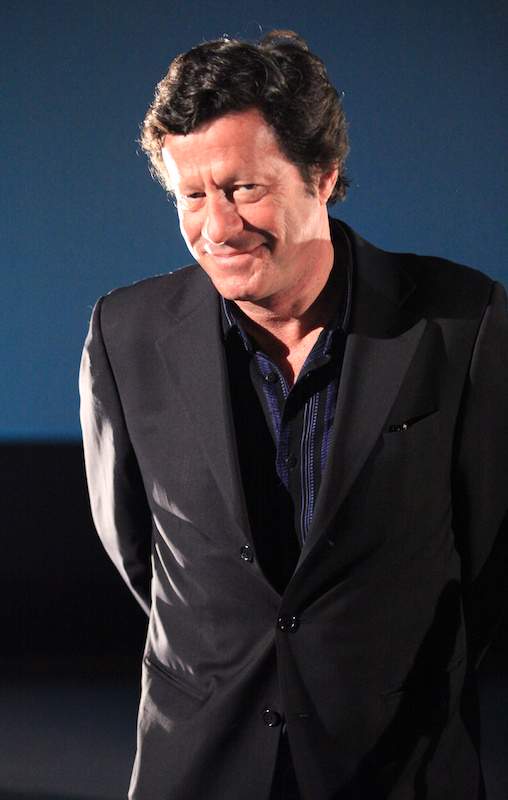
Gervásio
Played by Joaquim de Almeida
Major Gervásio is Maia’s erudite but cautious colleague who initially refuses to join the coup. He embodies moral ambiguity within the military and provides a counterpoint to Maia’s urgency. His pragmatic hesitations underscore the divergent paths individuals may take in times of crisis.
- 🧠 Intelligence
- 🗡️ Dilemma
- 💬 Strategy
- S
Salieri
Played by Canto e Castro
Head of the DGS (secret police), present at a reception and an emblem of state security and repression. He assaults Antónia in a toilet, illustrating the regime’s violence. He remains a central figure whose actions symbolize the squeeze of authority under pressure.
- 🕵️♂️ Authority
- 🗡️ Brutality
- 🧭 Collision of power
- S
Spínola
Played by Ruy de Carvalho
General António de Spínola arrives as a negotiator, guiding the surrender and exile order. His involvement legitimizes the transition from authoritarian rule to a democratic process, shaping the revolution’s political closure.
- ⚔️ Military Leader
- 🕊️ Negotiator
- 🧭 Legitimacy
- FC
Filipe Correia
Played by Joaquim Leitão
Antónia’s brother and a government minister who refuses to release a student, illustrating the regime’s resistance to reform. His stance represents the entrenched political class during the upheaval.
- 🎯 Politician
- 🏛️ Government
- 🧭 Authority
- V
Virgílio
Played by José Eduardo
A man previously involved in a bar fight with Manuel and his colleagues, later killed in the violence surrounding the coup. His death underscores the cost of political transition for ordinary people.
- 💀 Victim
- 🕊️ Tragedy
- RJ
RCP Journalist
Played by João Cabral
A journalist associated with Rádio Clube Português who interacts with Antónia and participates in the station’s coverage of the coup. He embodies the era’s press culture and the dissemination of information during upheaval.
- 📰 Journalist
- 🗣️ Media
Where and When Is April Captains Set?
April Captains is set in Lisbon and Santarém (April 1974). Here is why the time and place matter to the story.
When
April 1974
The story unfolds during the Carnation Revolution, centering on the night of 24–25 April 1974 when the military movement seeks to topple the Estado Novo regime. The period is defined by civilian-military cooperation and a rapid move toward democracy, rather than prolonged violence. Specific dates anchor the film in a historic turning point for Portugal.
Where
Lisbon, Santarém
The film is anchored in Lisbon and the army base at Santarém, with pivotal action unfolding around Rádio Clube Português, Praça do Comércio, and nearby government buildings. It uses the urban landscape of Portugal’s capital to illustrate a nation on the brink of upheaval. The atmosphere mixes crowded city spaces with intimate interiors, reflecting the personal stakes behind the political crisis.
- 🇵🇹 Portugal
- 🌆 Lisbon
- 🏰 Santarém
What Are the Themes of April Captains?
4 ideas the story keeps returning to, among them Democracy, Media and Courage.
-
01
Democracy
Portugal’s long authoritarian rule is challenged by a peaceful military uprising that relies on collective action. The coup brings together soldiers and civilians, with leaders negotiating a transition rather than pursuing retribution. The narrative follows personal arcs—lovers, journalists, and bystanders—into a broader political awakening. The result is a hopeful, if complex, shift from tyranny to democracy.
-
02
Media
Broadcasting becomes the coup’s nervous system, with Rádio Clube Português central to coordinating actions and signaling the moment of change. Control of information becomes a strategic battlefield as the DGS and rebels maneuver around the airwaves. The Grândola, Vila Morena signal marks the fusion of culture and politics, underscoring the media’s power to mobilize society.
-
03
Courage
Maia's decisive leadership and the soldiers’ willingness to risk their lives drive the action forward, illustrating moral courage under pressure. Not all plotters are resolute, as Major Gervásio’s caution contrasts with Maia’s boldness, highlighting ethical complexities within the military. Stand-offs at key locations intensify the sense that personal risk is inseparable from political risk. The revolution’s momentum hinges on individuals choosing to act.
-
04
Carnation
The symbol of carnations is woven into the revolution, representing a peaceful yet decisive overthrow of the regime. Personal fates intertwine with the national symbolism—lovers find new paths, and former detainees gain release as power shifts. The film uses intimate moments to reflect a broader, almost ritualistic transformation toward democracy. The carnation becomes both a memorial and a hope for the future.
What Kind of Film Is April Captains?
Tense in tone, with fast pacing and a moderate story, going by the plot summary.
- Tone
- Tense
- Pacing
- Fast
- Story
- Moderate
- Intensity
- High
- Ending
- Bittersweet
A tense and urgent political thriller that captures the high-stakes anxiety of a real-life military coup, blending moments of personal sacrifice and historical consequence with a somber reflection on the bittersweet aftermath of revolution.
- tense
- urgent
- uncertain
- hopeful
- somber
- dramatic
- political revolution
- military coup
- dictatorship
- moral conflict
Content notes: torture, war violence, political violence, assault.
Quiz
How well do you remember April Captains? Test yourself on the story.


