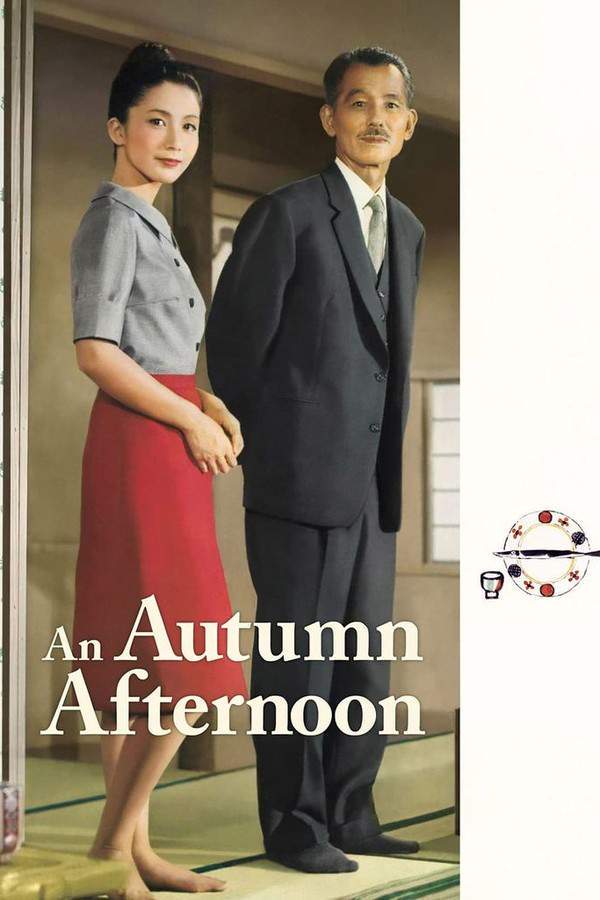
An Autumn Afternoon 1964


Directed by
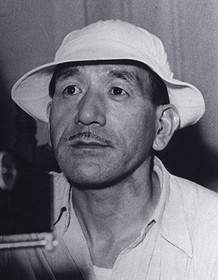
Yasujiro Ozu
Made by

Shochiku
Where to Watch An Autumn Afternoon
See current US streaming, rental, and purchase options for An Autumn Afternoon (1964) via JustWatch.









An Autumn Afternoon Plot Summary
Read the complete plot summary and ending explained for An Autumn Afternoon (1964). From turning points to emotional moments, uncover what really happened and why it matters.
Tokyo, 1962. Shūhei Hirayama (Chishū Ryū), an elderly widower, navigates life with his grown children: his married son Kōichi (Keiji Sada), along with his two unmarried offspring, 24-year-old daughter Michiko (Shima Iwashita) and 21-year-old son Kazuo (Shin’ichirō Mikami). The children’s ages and their memories indicate that their mother passed away shortly before the war’s conclusion, likely during the bombings of Tokyo between 1944 and 1945. Kōichi has established a new life with his wife in a modest apartment, leaving Shūhei and Kazuo in the care of Michiko.
Hirayama enjoys regular reunions at a restaurant named Wakamatsu (“Young Pine”) with five of his former classmates, including Kawai (Nobuo Nakamura), Horie (Ryūji Kita), Sugai (Tsūzai Sugawara), Watanabe (Masao Oda), and Nakanishi. Together, they share laughter and reminisce about their younger days, with Horie often bearing the brunt of their jests regarding his new younger wife and whether he requires pills for his vitality.
One day, their former Chinese classics teacher, Sakuma (Eijirō Tōno), affectionately known as the Gourd, attends a reunion. Through a casual remark, it becomes clear that Hirayama had pursued a career as a naval officer post-school, remaining dedicated to his service until 1945. After some drinks, Sakuma, now down on his luck, is found running a modest noodle shop in a less affluent area. His daughter, Tomoko (Haruko Sugimura), missed her chance at marriage in her youth, leaving her too old to entertain such thoughts now.
Moved by their old teacher’s plight, Sakuma’s former students resolve to support him with a monetary gift. Hirayama returns to the noodle shop to deliver the aid, where he encounters Yoshitarō Sakamoto (Daisuke Katō), who recognizes him as the captain of his wartime ship. Sakamoto introduces Hirayama to his favorite bar, where the bar’s owner, Kaoru (Kyōko Kishida), strikingly resembles Hirayama’s late wife. The atmosphere becomes lively when Kaoru plays Warship March, and Sakamoto humorously enacts a military drill, singing along to the tune, invoking memories of wartime propoganda.
Meanwhile, Kōichi borrows 50,000 yen from Shūhei, pretending it’s for a refrigerator, but intends to splurge on second-hand golf clubs instead. His wife, Akiko (Mariko Okada), firmly disapproves and threatens to spend similarly on an expensive handbag if he indulges. Eventually, she softens her stance.
The Gourd confesses to his students that the choice to keep his daughter home to care for him has resulted in her lonely spinsterhood. Grieved by this revelation, Hirayama confronts his own selfishness in keeping Michiko at home and decides to arrange a marriage for her. He tasks Kōichi with inquiring if Miura (Teruo Yoshida), whom Michiko adores, might be interested. Unfortunately, Miura is already engaged, much to Michiko’s placid demeanor, but her younger brother, Kazuo, soon reveals her tears after the news breaks. Subsequently, Hirayama invites Michiko to meet a potential suitor, which she reluctantly accepts.
In one of Ozu’s classic ellipses, Michiko is soon seen clad in a resplendent wedding kimono and head-dress, indicating her acquiescence to marriage; however, neither the groom nor the wedding ceremony is depicted. After the wedding, Hirayama joins friends at a bar whilst Kōichi, Akiko, and Kazuo await his return home. Eventually, when he staggers back, inebriated, Kōichi and Akiko leave, and Kazuo heads to his room, leaving Hirayama alone.
In the poignant final scene, a tipsy Hirayama sings bits of the Warship March, concluding with the reflective words, > “Alone, eh?”
An Autumn Afternoon Timeline
Follow the complete movie timeline of An Autumn Afternoon (1964) with every major event in chronological order. Great for understanding complex plots and story progression.
Introduction of Shūhei Hirayama
The story opens in Tokyo, 1962, where we meet Shūhei Hirayama, an elderly widower. He is seen navigating life alongside his grown children, highlighting the complexities of their family dynamics.
Hirayama's Family Background
Hirayama's family memories reveal that their mother passed away during the bombings of Tokyo between 1944 and 1945. This loss looms over the family's daily life and significantly shapes their relationships.
Regular Reunions at Wakamatsu
Hirayama enjoys regular reunions at a restaurant named Wakamatsu with five former classmates. These gatherings are rich with laughter, reminiscing about their shared past, and playful banter that highlights the deep bonds they still maintain.
Sakuma's Appearance
During one reunion, Shūhei's former teacher, Sakuma, joins the group, bringing a wave of nostalgia. His presence serves as a reminder of their youth, and casual comments reveal Hirayama's commitment to his naval service until the end of the war.
Sakuma's Struggles
The former teacher shares his current struggles, running a modest noodle shop. He confesses that his daughter, Tomoko, remains unmarried, highlighting the impact of life's choices on their happiness.
Gift for Sakuma
Motivated by compassion, Hirayama and his classmates decide to support Sakuma financially. The gesture reflects their enduring loyalty and willingness to help an important figure from their past.
Encounter with Sakamoto
At the noodle shop, Hirayama runs into Yoshitarō Sakamoto, a former shipmate who recalls their time together during the war. This meeting rekindles memories and introduces Hirayama to Kaoru, a bar owner who resembles his late wife.
Kōichi's Deception
Hirayama's son, Kōichi, borrows money under false pretenses, claiming it is for a refrigerator. Instead, he plans to use the funds to indulge in second-hand golf clubs, causing tension with his wife, Akiko.
The Gourd's Confession
Sakuma confesses to his former students about the loneliness his daughter faces due to her decision to care for him. This revelation prompts Hirayama to reflect on his own decisions regarding Michiko's future.
Michiko's Marriage Arrangement
Hirayama takes it upon himself to arrange a marriage for Michiko, believing she deserves happiness. He asks Kōichi to find out if Miura, someone she likes, is available, only to learn that he is already engaged.
Michiko's Tears
After learning about Miura’s engagement, Michiko remains outwardly composed, but her brother Kazuo reveals her distress. This moment underscores the emotional turmoil within the family and Michiko's yearning for love.
Meeting a Potential Suitor
In an effort to ensure Michiko's happiness, Hirayama invites her to meet a potential suitor. Although she approaches this meeting with reluctance, it symbolizes his desire to see her settled in life.
Wedding Ceremony
Time passes quickly, and Michiko is soon seen in a beautiful wedding kimono, indicating her agreement to marry. However, the actual ceremony and the groom are left unseen, reflecting Ozu's stylistic choice to focus on emotional rather than visual outcomes.
Hirayama's Return Home
After the wedding, Hirayama returns to a quiet home filled with anticipation of the family's new chapter. His intoxication leads to an awkward yet familiar moment as he finds himself alone.
Final Reflection
In a reflective moment, a drunken Hirayama sings snippets of the Warship March. He concludes with a poignant and solitary observation, 'Alone, eh?' which encapsulates the film's exploration of loneliness and the passage of time.
An Autumn Afternoon Characters
Explore all characters from An Autumn Afternoon (1964). Get detailed profiles with their roles, arcs, and key relationships explained.
Shūhei Hirayama (Chishū Ryū)
Shūhei Hirayama is a reflective elderly widower balancing the complexities of his present with memories of the past. He grapples with the responsibilities of fatherhood while contemplating his own loneliness and desires for his children's futures. His character represents the struggles of older generations adapting to societal changes.
Kōichi (Keiji Sada)
Kōichi, Hirayama's married son, is portrayed as somewhat irresponsible and conflicted, showcasing the struggles of balancing his family life with personal desires. His character partly embodies the younger generation's challenges in post-war Japan, navigating between familial duty and individual aspirations. Kōichi's choices also emphasize the impact of parental influence.
Michiko (Shima Iwashita)
Michiko represents the challenges faced by young women in post-war Japan, caught between traditional expectations and personal desires. Her character evolves from a dutiful daughter into a woman confronting the prospects of marriage and independence, reflecting broader societal changes regarding women's roles during this era.
Sakuma (Eijirō Tōno)
Sakuma, affectionately known as the *Gourd*, is a former teacher who reflects the impact of past choices on the present. His struggles highlight the theme of unfulfilled dreams, as he navigates a modest life running a noodle shop. The bond he shares with his former students emphasizes the enduring influence of mentorship and friendship.
An Autumn Afternoon Settings
Learn where and when An Autumn Afternoon (1964) takes place. Explore the film’s settings, era, and how they shape the narrative.
Time period
1962, Post-War Era
The film is set in 1962, during Japan's post-war recovery, a period marked by societal transformation and familial restructuring. This time saw the rise of modern Japanese culture while grappling with the lingering effects of World War II. The characters' memories of the war significantly shape their present lives and relationships.
Location
Tokyo, Wakamatsu Restaurant
Tokyo in 1962 serves as a vibrant backdrop for the movie, showcasing the complexities of post-war family life. The Wakamatsu Restaurant, known as 'Young Pine,' is a gathering place for Hirayama and his former classmates, providing a sense of nostalgia and camaraderie. The city reflects a society navigating change and the aftermath of war, influencing characters' lives deeply.
An Autumn Afternoon Themes
Discover the main themes in An Autumn Afternoon (1964). Analyze the deeper meanings, emotional layers, and social commentary behind the film.
👨👧👦
Family Dynamics
The theme of family dynamics is central to the film, exploring the tensions and bonds between an elderly father and his adult children. As Hirayama navigates his responsibilities as a father, he confronts complexities in his children's lives, particularly his daughter's unfulfilled potential and loneliness. The film presents a poignant reflection on familial love and duty amidst changing societal expectations.
💔
Loneliness
Loneliness permeates the narrative, especially through the character of Hirayama and his former teacher. As they reflect on lost opportunities and unfulfilled dreams, the film illustrates the emotional isolation that can arise within familial relationships. Hirayama’s journey towards arranging his daughter’s marriage highlights the struggle against loneliness both for himself and for his children.
🎶
Nostalgia
Nostalgia is a recurring theme, as the characters reminisce about their past at gatherings filled with laughter and camaraderie. The presence of music, particularly the *Warship March*, evokes memories of their youth and wartime experiences. This longing for the past serves as a backdrop to the characters’ current lives, revealing how history shapes their identities.

Coming soon on iOS and Android
The Plot Explained Mobile App
From blockbusters to hidden gems — dive into movie stories anytime, anywhere. Save your favorites, discover plots faster, and never miss a twist again.
Sign up to be the first to know when we launch. Your email stays private — always.
Explore the mobile appAn Autumn Afternoon Spoiler-Free Summary
Discover the spoiler-free summary of An Autumn Afternoon (1964). Get a concise overview without any spoilers.
In the waning light of an early October, a quiet Tokyo neighborhood becomes a subtle stage for contemplation. The season’s crisp breezes and turning leaves echo the slow, inevitable changes within a household that has long been held together by duty and memory. At the heart of this domestic tableau stands an elderly widower, Shūhei Hirayama, whose years of respectable business and community service have given him a steady, if unremarkable, rhythm. As autumn settles, he finds himself looking inward, measuring the distance that has grown between himself and the children he raised alone after the war.
His family is a delicate balance of personalities and unspoken hopes. The eldest son, Kōichi, has already stepped out on his own, carving a modest life with his wife while still leaning on his father’s support. Their middle child, Michiko, is a poised young woman whose quiet yearning for love is tempered by the expectations of her father and the social conventions of the era. The youngest, Kazuo, is a brooding twenty‑something whose past traumas have left a fissure that Shūhei quietly strives to repair. Each relationship carries its own mix of affection, obligation, and the subtle tension that comes from years of unvoiced yearning.
The film unfolds with Yasujiro Ozu’s signature restraint, allowing everyday moments—shared meals, silent evenings, a walk among fallen leaves—to speak louder than any dramatic confrontation. The tone is simultaneously warm and melancholic, inviting the viewer to feel the weight of ordinary life while sensing the undercurrent of change that parallels the season. Through restrained composition and a palette of muted autumnal hues, the story offers a meditation on generational transition, the quiet perseverance of love, and the gentle, sometimes uneasy, acceptance of a world that is slowly moving forward.
Featured on this page

What's After the Movie?
Not sure whether to stay after the credits? Find out!
Check out our other apps:

SAT Sphere
Build confidence for the Digital SAT.

Mori Atlas
Discover wild places worth protecting.

Luntero
Search smarter for a home in Amsterdam.

Plot Explained
Unravel movie endings and hidden clues.

Pokechamp
Dive into Pokémon data and battle logic.

Driving Theory
Get ready for your European theory test.

Movie Dust
Plan your next cinema trip with ease.

Musemap
Find art and culture as you travel.

Selkobase
Compare credentials before committing.

Local Manual
Turn an unfamiliar country into practical next steps.

Lernavi
Compare school systems before your next move.

GymRoam
Find a workout stop wherever your plans take you.
Explore Our Movie Platform
New Movie Releases (2026)
Famous Movie Actors
Top Film Production Studios
Movie Plot Summaries & Endings
Major Movie Awards & Winners
Best Concert Films & Music Documentaries
Movie Collections and Curated Lists
© 2026 What's After the Movie. All rights reserved.
Privacy Policy