
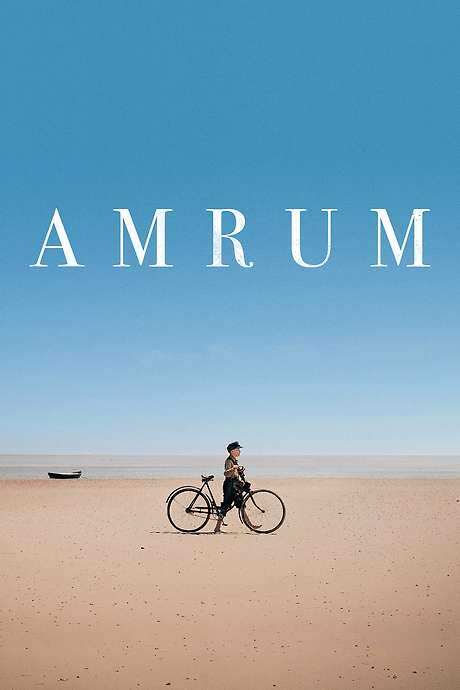
What Is Amrum About?
The premise of Amrum in 277 words, with nothing given away. The full story follows below.
Spring 1945 finds the North Sea island of Amrum cloaked in wind‑blown dunes and the soft, lingering scent of sea‑weed. The war that has darkened the continent for years is finally drawing to a close, and the island’s quiet rhythms—seal hunts, fishing trips, and the labor of tending potato fields—take on a fragile, almost reverent quality. Sunlight glints off the water while the villagers go about their daily chores, their lives a delicate balance between the harshness of the elements and the tentative hope that peace might finally arrive.
At the heart of this isolated world is twelve‑year‑old Nanning Bohm, the eldest of a family displaced from bomb‑ravaged Hamburg. With his mother—a fervent believer in the fallen regime—deeply pregnant and his father serving far away, Nanning shoulders the responsibility of feeding his younger siblings and keeping the household afloat. He spends his days gathering driftwood for fire, bartering for scarce staples, and learning the island’s Frisian tongue, all while his aunt Ena offers quiet counsel. The boy’s resourcefulness and quiet determination become the family’s anchor amid the scarcity and uncertainty that define their post‑war existence.
The film paints Amrum with a lyrical, almost lyrical tone, allowing the audience to feel both the stark beauty of the landscape and the lingering tension that lies beneath its surface. As the first whispers of peace reach the island, an unseen unease begins to stir, suggesting that the calm may be only temporary. Nanning’s coming‑of‑age story unfolds against this backdrop, where every small victory—be it a crust of white bread with honey or a successful seal hunt—carries the weight of survival and the hope that the island’s fragile tranquility might endure.
What Happens in Amrum?
The complete story of Amrum, from the first scene to the last, in 502 words (about 2 minutes). Spoilers throughout. Names in the text link to 2 cast member pages.
Spoilers ahead
Nanning Bohm, a twelve-year-old boy in a small village on Amrum in 1945, works the land and scavenges driftwood to help feed his family. He, his aunt Ena, and his two younger siblings have fled bombed-out Hamburg, while their mother—a staunch Nazi who is pregnant with his sister—stays with them in the fragile safety of the island. Their father, an SS-Obersturmbannführer, is away at war, leaving the family to cope with the thinning supplies and the tense atmosphere as the war nears its end. The village quietly tunes in to proscribed jazz on the radio, a small rebel sound against the heavy shadows of the regime around them.
As the conflict winds down, Nanning faces a new range of pressures. His mother slips into a deep depression and refuses to eat, a stark contrast to the chaos that has defined her world. To fill their home with something resembling normalcy, Nanning bravely tries to fulfill her craving for white bread with butter and honey, navigating the island’s severe shortages. The quest becomes a daily drama of barter and careful improvisation, as he trades whatever he can—driftwood, seal meat, or small favors—for the few ingredients that might ease her hunger and lift a fragment of her sour mood.
Through these hardships, the young boy grows more intimately acquainted with Amrum—the shape of the land, the rhythm of tides, and the Frisian language spoken by its residents. He observes how the islanders survive together, sharing small rituals and stories that give life meaning amid scarcity. His duties expand from tending fields to helping with seal hunting and even gutting a rabbit, each task sharpening his sense of risk and mortality. These episodes bring him face to face with danger, reminding him that life on the edge of war is fragile and unpredictable.
Beyond the day-to-day survival, Nanning begins to uncover the past that haunts his family. He learns that his uncle Theo, who once gave him a whaling knife, had to stay in America because of the Nazi regime, and that Theo’s fiancée Ruth was murdered by those same forces. The revelation threads through Nanning’s waking life and dreams, shaping his sense of guilt and responsibility as the war’s legacy presses down on every decision he makes.
Theo appears to him in a dream, offering a stark reminder of the burden that lingers over their family. The dream voice speaks with quiet gravity: > You are not to blame, but you are still involved.
This is a turning point for Nanning. He recognizes that, as the younger member of a family shaped by complicity and fear, he has no personal guilt for his parents’ past, yet he cannot escape the weight of their history or the questions it raises about loyalty, memory, and what future courage looks like in the face of inherited guilt. The island’s wind, its salt-scented air, and the stubborn resilience of its people anchor him as he negotiates adolescence in a world where every choice echoes the shadows of the past.
Amrum Timeline: Every Key Event in Order
13 key events in the order they happen, from “Fleeing Hamburg for Amrum” to “Nanning's evolving view of his place in history”.
- 1
Fleeing Hamburg for Amrum
Nanning Bohm, the eldest son, and his family flee bombed Hamburg and seek refuge on the island of Amrum in the North Sea. He helps his mother with chores and begins to adapt to a harsher, poorer life on the island. The move marks the start of his growing sense of responsibility and the shadow of his family’s Nazi past.
When:1945 Where:Amrum
- 2
Father away at war and mother in pregnancy
Nanning’s father serves abroad as an SS officer, leaving the family to fend for themselves. His mother is pregnant and staunchly loyal to the Nazi cause, which weighs heavily on their fragile household. The war’s strain and her beliefs shape Nanning’s early years on Amrum.
When:1945 Where:Amrum
- 3
Jazz heard on the radio despite censorship
The villagers secretly listen to proscribed jazz on the radio, a small rebellion against wartime restrictions. Nanning becomes aware of the tension between forbidden pleasures and official prohibitions. This clandestine music hints at a broader world beyond the island’s isolation.
When:1945 Where:Amrum
- 4
Hitler's death and mother's depression
News of Adolf Hitler's death coincides with a deepening depression in Nanning’s mother, who stops eating as the regime collapses. The family’s supplies grow thinner, and care becomes scarcer. Nanning scrambles to find small comforts like white bread, butter, and honey for her.
When:May 1945 Where:Amrum
- 5
Desperate bartering for food
With severe shortages, Nanning barters across the island to obtain basic staples and occasional luxuries. He trades driftwood, eggs, and other goods to satisfy his mother’s craving for white bread with butter and honey. The barter economy becomes a daily survival ritual.
When:1945 Where:Amrum
- 6
Gaining knowledge of the island and Frisian language
Through chores and daily life, Nanning grows to know the island and its inhabitants, and he learns the Frisian language spoken there. He finds a sense of belonging in this tight-knit community rather than in the distant world he left behind. This cultural immersion shapes his memory and understanding of place.
When:1945 Where:Amrum
- 7
Close encounters with death during hunting
Nanning participates in seal hunting and gutting a rabbit, facing real danger and the ever-present threat of death on the North Sea coast. The harsh realities of survival on the island force him to grow up quickly. These moments of danger imprint themselves on his memory as tests of resilience.
When:1945 Where:Amrum
- 8
Uncle Theo's backstory and Ruth's murder
Nanning learns that his uncle Theo stayed in America to escape the Nazis, and that Theo’s fiancée Ruth was murdered by the regime. The family history becomes inseparable from the crimes of fascism. This knowledge deepens the sense of inherited guilt linked to his parents’ past.
When:Memory / Backstory
- 9
Theo confronts Nanning in a dream
Theo appears to Nanning in a dream and confronts him with a difficult truth about guilt and involvement. The dream frames the boy’s struggle with responsibility and the idea that even without direct fault, one remains entangled in history. It marks a turning point in his self-understanding.
When:Dream sequence
- 10
Guilt and legacy: a child bears responsibility
Nanning recognizes that as the younger child, he bears no direct guilt for his parents past, yet he cannot escape the questions their history raises. The weight of history presses on him and shapes his choices and identity. He begins to reconcile personal innocence with a broader historical guilt.
When:End of war / 1945-1946
Show the other 3 events of Amrum Hide the last 3 events
- 11
Birth of Nanning's sister
The birth of his sister adds new responsibility to the family as his mother battles depression while caring for a newborn. The household adjusts to new life amid scarcity and grief. Nanning grows more into a caretaker role to support his fragile family.
When:1945-1946 Where:Amrum
- 12
End of war and ongoing shortages shape daily life
Even as the war ends, Amrum remains resource-poor and cut off from abundance. The island continues to rely on barter and stubborn resilience. Nanning navigates a postwar landscape that tests his adaptability and hope.
When:Post-war 1945-1946 Where:Amrum
- 13
Nanning's evolving view of his place in history
By the story’s end, Nanning acknowledges that his fate is intertwined with a larger history of guilt and memory. He considers his place in a world that judges past actions and asks new questions about responsibility. The tale leaves him with a measured understanding of history and self.
When:Ending
Who Are the Main Characters in Amrum?
4 characters, among them Nanning Bohm (Jasper Billerbeck), Ena (Lisa Hagmeister) and Theo (Matthias Schweighöfer): who each one is and the part they play in the story. Every profile links to the actor’s page.
- NB
Nanning Bohm (Jasper Billerbeck)
Played by Jasper Billerbeck
Twelve-year-old Nanning is the eldest child in a family that has fled bombed-out Hamburg to Amrum. He balances practical work in the fields and gathering driftwood with a growing awareness of danger and loss. He learns about the Frisian language and island life, all while bearing the weight of his parents’ Nazi past as the war nears its end.
- 👦 Jung
- 🧭 Verantwortungsbewusst
-

Ena (Lisa Hagmeister)
Played by Lisa Hagmeister
Aunt Ena is a family member who stays with the family on Amrum during the war. She helps manage daily life and supports the children through shortages and fear. Her presence provides a steady, practical anchor as the family navigates survival and uncertain times.
- 👩 Tante
- 🤝 Unterstützend
-

Theo (Matthias Schweighöfer)
Played by Matthias Schweighöfer
Uncle Theo, who remained in America because of the Nazis, appears to Nanning in dreams to offer guidance and confront his fears. He tells him that he is not to blame, but he remains involved in the family’s legacy. Theo’s memory challenges Nanning as he tries to understand guilt and responsibility.
- 🧭 Träumerisch
- 🕯️ Warnend
- IB
Inge Bendixen (Rita Feldmeier)
Played by Rita Feldmeier
Mother Inge Bendixen is a staunch Nazi who is heavily pregnant and left to guard the family. After Hitler’s death she sinks into a deep depression and stops eating, jeopardizing the family’s already fragile survival. Nanning moves to fulfill her cravings as a stark example of wartime scarcity and strain.
- 👩 Mutter
- 🪙 Sparsam
Where and When Is Amrum Set?
Amrum is set in Amrum (1945). Here is why the time and place matter to the story.
When
1945
Set in 1945, in the final weeks of World War II. Germany is near collapse and rationing remains severe as Allied forces close in. The end of the war also prompts reflection on guilt and the legacy of the Nazi era.
Where
Amrum
Amrum is a small village on the island of Amrum off Germany’s North Sea coast. The island is remote, where Frisian is spoken by locals and the community bands together in hard times. Wartime shortages shape daily life, forcing residents to barter for basics like butter, sugar, and firewood.
- 🏝️ Amrum
- 🗺️ Nordseeinsel
- ⚓ Küstenleben
What Are the Themes of Amrum?
3 ideas the story keeps returning to, among them War & Scarcity, Guilt & Legacy and Growth & Resilience.
-
01
War & Scarcity
Daily life on Amrum is defined by scarcity and danger. Food, fuel, and basic comforts are hard to come by, pushing people to barter and improvise. The war’s pressure surfaces through small acts of resistance, such as listening to forbidden jazz broadcasts and navigating the threats of famine.
-
02
Guilt & Legacy
Nanning wrestles with the weight of his parents’ Nazi past while trying to carve out his own path. The memory of his uncle Theo’s choices and the dream-visit confrontations push him to question responsibility and belonging. The narrative asks how a younger generation shoulders or rejects inherited guilt.
-
03
Growth & Resilience
A coming-of-age story unfolds under wartime strain, with the boy learning to survive, reason, and empathize in a world where adults falter. The family’s struggle tests loyalty, courage, and the will to keep hope alive. Amid hardship, Nanning begins to form a personal sense of duty beyond his family’s shadows.
What Kind of Film Is Amrum?
Melancholic in tone, with slow pacing and a moderate story, going by the plot summary.
- Tone
- Melancholic
- Pacing
- Slow
- Story
- Moderate
- Intensity
- Medium
- Ending
- Bittersweet
A slow, atmospheric, and melancholic film that paints a picture of idyllic island life fractured by war, following a boy's quiet struggle with survival and the heavy legacy of his family's past.
- windswept
- melancholic
- slow burn
- idyllic
- oppressive
- reflective
- coming of age
- world war ii
- survival
- family
Content notes: war themes, animal death, child endangerment, depression, nazism.
Quiz
How well do you remember Amrum? Test yourself on the story.
