What Is AmericanEast About?
The premise of AmericanEast in 349 words, with nothing given away. The full story follows below.
In the blistering heat of a Los Angeles summer, the city hums with a restless energy that feels both familiar and uneasy. Homeland Security has raised the threat level to red, casting a wary shadow over a neighborhood where the scent of cumin and fresh bread mingles with the distant echo of police sirens. The bustling streets become a stage for everyday conversations that pulse with cultural pride, whispered anxieties, and the unspoken question of what it truly means to chase the American Dream.
Mustafa runs Habibe’s Café, a modest falafel shop that serves as a communal hearth for immigrants who gather to share news, laughter, and recipes that bind them to their roots. As a widower and devoted father, he balances the desire to protect his teenage son with an ambition to expand his modest success—a plan that involves a daring partnership with his longtime friend Sam, a Jewish businessman whose own family harbors reservations. Their collaboration hints at a hopeful bridge between cultures, even as the café’s regulars watch the venture with a mixture of curiosity and skepticism, aware that any shift might reverberate through the tightly‑knit community.
Salwah—Mustafa’s younger sister—stands at a crossroads between tradition and the freedoms offered by her new home. Grateful for the opportunities her brother afforded her, she feels the weight of an arranged marriage to a cousin from Egypt while a gentle attraction to John Westerman, a non‑Muslim doctor, pulls her toward an unfamiliar path. Her inner conflict mirrors the broader tension between familial duty and personal desire, casting a quiet, contemplative light on the everyday negotiations that define immigrant life.
Omar, a regular at the café and part‑time cab driver, nurtures a quiet ambition to be seen beyond the stereotypes that cling to his Middle Eastern appearance. He dreams of the stage, hoping an acting break will let him step out of the typecast roles that dominate television. His pursuit of recognition and stability intertwines with the lives of those around him, underscoring how individual hopes can echo loudly in a neighborhood already listening for the next note of change.
What Happens in AmericanEast?
The complete story of AmericanEast, from the first scene to the last, in 608 words (about 3 minutes). Spoilers throughout. Names in the text link to 4 cast member pages.
Spoilers ahead
Mustafa, Sayed Badreya is a widowed Egyptian immigrant who runs Habibe’s Café, a warm, busy gathering place in Los Angeles where people with Middle Eastern roots come to connect, share news, and keep their traditions alive. He is deeply devoted to giving his son Mohammed a steady, moral upbringing, even as the currents of modern urban life test that commitment. Beyond his role as a father, he becomes the steadfast protector of his unwed sister Salwah, and, under family duty, he is expected to arrange a traditional marriage for her. Yet Mustafa’s respect for tradition begins to collide with his own budding ambitions to chase the American Dream when he pitches a bold plan to open a new restaurant with his Jewish partner—his friend Sam, Tony Shalhoub. This partnership is met with disapproval from the regulars at Habibe’s Café and the tight-knit Arab community, amplifying a web of personal tensions that sit atop a backdrop of national events affecting Muslims in America. The looming conflict grows from intimate choices to broader social pressures, culminating in an explosive denouement that tests loyalty, faith, and community.
Salwah, Salwah, Sarah Shahi Mustafa’s sister, stands at the crossroads between cherished traditions and the realities of life in America. She is grateful to Mustafa for bringing her to the United States as a young girl and for allowing her to pursue an education, yet the promise of independence collides with Mustafa’s insistence on arranging a marriage to Saber, her elder cousin from Egypt. Saber’s arrival unsettles Salwah, driving her to question the limits of duty and faith. Secretly, she is drawn to an American, Dr. John Westerman, a non-Muslim whose presence both tempts and terrifies her, because it challenges the boundaries of her culture. The situation is further complicated when Saber becomes a guest at the home they share with Mustafa and his children, intensifying the friction between a traditional path and Mustafa’s more cosmopolitan family life. Salwah’s internal pull between desire and decorum exposes the fault lines within her faith and her family, forcing her to navigate a modern American reality that feels almost foreign to her upbringing.
Omar, Kais Nashef Mustafa’s friend and a Habibe’s Café regular, embodies the dual longing to belong and to be seen for who he truly is. He pursues acting with stubborn hope, while earning a living as a part-time cab driver for Mustafa’s old, one-car taxi company. Because of his Middle Eastern appearance and accent, Omar is often typecast as a terrorist on American TV, a stereotype that weighs heavily on his ambitions. When a non-racially designated acting opportunity finally arises, Omar senses a rare chance to redefine himself—not only to achieve financial security that would allow him to marry his pregnant American girlfriend Kate, but also to be recognized first as an actor, not as a caricature of his background. Yet prejudices and misperceptions surrounding his heritage sabotage this breakthrough, threatening to erase his dream just as it seems within reach. In a moment of impulsive desperation, Omar makes a drastic decision that reverberates through Mustafa’s circle, setting off a chain of events that impact every other character and underscoring the harsh and persistent pressures Muslims face in the United States today.
And through all these personal currents—the clash between tradition and assimilation, the struggle for individual recognition within a close-knit community, and the precarious balance between livelihood and dream—the story moves toward a violent turning point. The film uses the intimate conflicts of Mustafa, Salwah, Sam, John Westerman, and Omar to mirror a larger social moment, reminding audiences that even small choices in a diverse neighborhood can ignite a broader, sometimes dangerous, reckoning.
AmericanEast Timeline: Every Key Event in Order
12 key events in the order they happen, from “Mustafa upholds family and tradition at Habibe's Café” to “Aftermath and reflection on immigrant identity”. 12 events name a place, across 3 locations.
- 1
Mustafa upholds family and tradition at Habibe's Café
Mustafa, a widowed immigrant, runs Habibe's Café in Los Angeles and strives to give his son Mohammed a moral upbringing. He also acts as the guardian for his unwed sister Salwah, placing family duties above his own desires. His café becomes a crossroads where a traditional community negotiates modern American life.
Where:Habibe's Café, Los Angeles
- 2
Mustafa pursues the American Dream with a Jewish partner
He decides to open a new restaurant with his friend Sam, a Jewish partner, hoping to blend cultures and prosper in America. The plan unsettles the insular Arab regulars at Habibe's Café who fear cultural betrayal. The alliance signals a controversial step toward assimilation and economic ambition.
Where:Los Angeles
- 3
Salwah's arranged marriage is pushed forward
Mustafa insists on finding Salwah a traditional Egyptian husband, Saber, which throws her into emotional turmoil. Saber arrives as the expected suitor, bringing friction into Mustafa's home. Salwah begins doubting her beliefs as she confronts the pull between tradition and personal freedom.
Where:Mustafa's home, Los Angeles
- 4
Salwah's forbidden attraction to Dr. John Westerman
Salwah is secretly drawn to an American non-Muslim doctor, John Westerman, despite the arranged-marriage plan. The burgeoning attraction clashes with long-standing expectations and heightens tension within the household. The presence of Saber as a guest sharpens the conflict between duty and desire.
Where:Mustafa's home, Los Angeles
- 5
Saber's stay strains family dynamics
Saber's stay as a traditional suitor under Mustafa's roof creates friction with Mustafa's Americanized family. The clash exposes the wider cultural rift within the Arab community and amplifies Salwah's internal conflict. Mustafa struggles to balance hospitality, duty, and the evolving American context.
Where:Mustafa's home, Los Angeles
- 6
Omar pursues an acting breakthrough
Omar, a Habibe's Café regular and taxi driver, battles typecasting as Arabs are repeatedly labeled as terrorists in media. He longs for a non-racially-designated role that would prove his talent and provide financial security for his pregnant American girlfriend Kate. The screen breakthrough represents both personal recognition and acceptance as American.
Where:Los Angeles
- 7
A rare, non-racial acting opportunity arrives
A non-racially-designated role appears, offering Omar a chance to be seen as an actor first rather than a stereotype. The opportunity promises independence and a path toward supporting his future child. He clings to it as a sign of belonging in the American landscape.
Where:Los Angeles
- 8
Prejudice jeopardizes Omar's opportunity
Misunderstandings and prejudices tied to his Arab background threaten to derail the breakthrough. Stereotypes and suspicion overshadow merit, pushing Omar back toward precarious work and undermining his dream. The setback deepens his sense of alienation and urgency to prove himself.
Where:Los Angeles
- 9
Omar makes a drastic, impulsive decision
Feeling cornered by rejection and growing pressure, Omar makes a drastic, impulsive choice that triggers a chain of events. His action shocks his friends and reverberates through Mustafa, Salwah, Saber, and Kate. The moment marks a turning point that exposes the fragile line between aspiration and desperation.
Where:Los Angeles
- 10
Chain of events leads to a violent denouement
The impulsive act sets off a sequence of consequences that ripple through the café and the community. The lives of Mustafa, Salwah, Saber, Omar, Kate, and Sam become entwined in a final, violent confrontation. The story ends with a stark reminder of the pressures Muslims face in the United States today.
Where:Los Angeles
- 11
National events shadow the community
Throughout the story, larger national events affecting Arab-Americans provide a tense backdrop against which personal choices play out. The characters' decisions are weighed against a climate of suspicion, policy changes, and social pressure. The film uses this context to heighten the stakes of everyday life.
Where:Los Angeles
- 12
Aftermath and reflection on immigrant identity
In the wake of the denouement, the film invites reflection on immigrant struggles and identity. The characters grapple with tradition, assimilation, and the American dream as they confront the consequences of their choices. The ending underscores the ongoing tension between cultural heritage and belonging in a diverse city.
Where:Los Angeles
Who Are the Main Characters in AmericanEast?
6 characters, among them Mustafa Marzouke (Sayed Badreya), Sam and Salwah Marzoke: who each one is and the part they play in the story. 5 of them link to the actor’s page.
- MM
Mustafa Marzouke (Sayed Badreya)
Played by Sayed Badreya
A widowed Egyptian immigrant who runs Habibe’s Café and ambitions for the American Dream. He is a protective, tradition-minded family man who also seeks to modernize his life by partnering with a Jewish restaurateur. His choices reveal a tension between cultural duty and opportunity in a multicultural city.
- 👨🏽 Immigrant patriarch
- 🧭 Balances tradition and modernity
- 🏬 Café owner
-
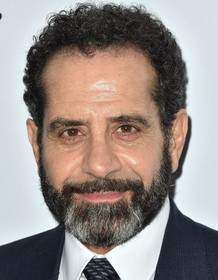
Sam
Played by Tony Shalhoub
Mustafa's friend and Jewish partner who becomes a catalyst for cross-cultural enterprise. He represents a pragmatic, optimistic view of the American Dream and the possibility of collaboration across cultures, even as the alliance unsettles conservative parts of the community.
- 🤝 Cross-cultural collaboration
- 💼 Entrepreneur
- 🧭 American Dream
- SM
Salwah Marzoke
Played by Sarah Shahi
Mustafa's sister, educated and ambitious, caught between familial obligations and her own desires. She wrestles with an arranged marriage and her attraction to Dr. John Westerman, challenging her traditional values.
- 👩👧 Family conflict
- 💖 Forbidden attraction
- JW
John Westerman (Dr. John Westerman)
Played by Tim Guinee
An American doctor and potential romantic interest for Salwah. He embodies a crossover figure who represents possibility and cultural shift, while also testing boundaries and loyalties within Mustafa’s household.
- 👨⚕️ Cross-cultural relationship
- 💡 Modern outlook
- 🧭 Identity negotiation
- O(
Omar (Omar)
Played by Kais Nashef
A young Egyptian actor and Habibe’s Café regular, struggling to land a non-stereotyped role. His pursuit of financial stability to marry his pregnant American girlfriend Kate leads him to make a drastic choice when stereotypes block his path.
- 🎭 Quest for authentic roles
- 💰 Financial pressures
- 🧭 Identity under scrutiny
- S
Saber
Salwah’s arranged suitor and older cousin, whose traditional expectations threaten to derail Salwah’s autonomy. He remains a symbol of the older generation’s hold on marriage and cultural norms.
- 👨👦 Family tradition
- 🔗 Arranged marriage
- ⚖️ Control over choice
Where and When Is AmericanEast Set?
AmericanEast is set in Habibe's Café and Los Angeles. Here is why the place matters to the story.
Where
Habibe's Café, Los Angeles
Habibe's Café functions as a cultural hub for Middle Eastern expatriates in Los Angeles. The city provides a multicultural backdrop where generations negotiate identity and belonging amid American life. The café and its neighborhood symbolize the Arab-American experience, reflecting everyday life and the pressures of larger social and political dynamics.
- 🏙️ Urban setting
- 🌍 Immigrant life
- 🤝 Tradition vs modernity
- 🎭 Community tensions
What Are the Themes of AmericanEast?
4 ideas the story keeps returning to, among them Tradition vs Modernity, Immigrant Experience and Media Stereotypes and Prejudice.
-
01
Tradition vs Modernity
Mustafa’s plan to open a restaurant with a Jewish partner tests long-held cultural loyalties and religious expectations. Salwah’s arranged marriage pressures and her attraction to an American doctor highlight the clash between family duty and personal choice. Omar’s pursuit of authentic acting roles reveals pressure to redefine identity beyond stereotypes. The friction between these forces drives the drama toward a climactic confrontation about belonging and choice.
-
02
Immigrant Experience
The story follows immigrant families navigating life in a new country while trying to preserve heritage. Mustafa and his community strive to balance traditional expectations with the realities of urban American life in Los Angeles. The narrative highlights resilience, aspiration, and anxiety common to diaspora communities.
-
03
Media Stereotypes and Prejudice
Omar’s acting career exposes how Middle Eastern characters are often reduced to terrorist tropes in American media. The characters seek to be seen as individuals rather than symbols. The tension between representation and reality underscores the impact of pop culture on real lives.
-
04
Family Duty and Personal Desire
Family obligations shape major choices, from protecting Salwah to arranging marriages. The characters wrestle between loyalty to kin and the pursuit of personal happiness. The explosive denouement tests how far family duty can justify controlling decisions.
What Kind of Film Is AmericanEast?
Tense in tone, with steady pacing and a moderate story, going by the plot summary.
- Tone
- Tense
- Pacing
- Steady
- Story
- Moderate
- Intensity
- Medium
- Ending
- Ambiguous
A tense and emotionally heavy drama that builds a sense of claustrophobic pressure, as characters navigate personal desires against a backdrop of cultural expectations and societal prejudice.
- tense
- anxious
- oppressive
- introspective
- conflicted
- hopeful
- cultural identity
- immigrant experience
- family duty
- racial profiling
Content notes: racial profiling, religious prejudice, implied violence.
Quiz
How well do you remember AmericanEast? Test yourself on the story.