What Is Always Leave Them Laughing About?
The premise of Always Leave Them Laughing in 282 words, with nothing given away. The full story follows below.
In the smoke-filled backrooms and second-rate venues of mid-century show business, Kip Cooper scrapes by on charm, bravado, and borrowed material. Played by Milton Berle, Kip is a comedian whose ambitions far outstrip his circumstances, working unoriginal acts in exchange for room and board at a fading hotel in Asbury Park, New Jersey. The world he inhabits is one of relentless hustle, where every small stage represents a potential stepping stone toward something bigger and every rejection serves as a reminder of how far he has to climb.
Into this precarious existence steps Fay Washburn, an aspiring showgirl whose dreams of the spotlight mirror Kip’s own. Ruth Roman brings her to life as a woman caught between hope and experience, supported by her ex-vaudevillian parents who understand the cruel mathematics of show business better than anyone. The Washburns represent something authentic in a world built on illusion — a family whose faith in the industry’s promise hasn’t quite been extinguished, even as they navigate its disappointments. For Kip, their presence offers both connection and complication, as his instinct for self-promotion wars with the genuine bonds beginning to form.
At its core, the film captures the tension between ambition and integrity in an industry that blurs the line between confidence and con. Kip’s journey takes him from emcee gigs in rough New York joints to the edges of Broadway, each step forward demanding compromises that test his relationships and his sense of self. The story’s title carries an ironic weight, suggesting that in a profession built on making others laugh, the real challenge may be knowing when the joke has gone too far — and what it means to leave audiences wanting more.
What Happens in Always Leave Them Laughing?
The complete story of Always Leave Them Laughing, from the first scene to the last, in 320 words (about 1 minute). Spoilers throughout. Names in the text link to 4 cast member pages.
Spoilers ahead
Comic Kip Cooper, Milton Berle in the role, meets aspiring showgirl Fay Washburn, Ruth Roman, at a second-rate hotel in Asbury Park, New Jersey, where he does his unoriginal act in exchange for room and board. Kip’s ambitions pull him toward bigger stages, and he lands a job as an emcee in a rough New York joint, only to falter again and again. He wanders between tiny gigs, finally scraps together a small part in the chorus of a Broadway show, but spins a web of small-time bravado by telling Fay and her ex-vaudevillian parents that he’s been cast as the lead.
The Washburns attend opening night, full of hope, and Kip, desperate to stand out, unleashes an impulsive gag that backfires, earning him dismissal. Fay, meanwhile, joins the chorus of a touring show led by the big-time comedian Eddie Eagen, a role brought to life by Bert Lahr. When Eagen is sidelined by a heart attack, Kip is hired to temporarily replace him because he knows Eagen’s routines by heart. The gamble pays off with strong out-of-town tryouts, and Kip becomes a hit with audiences, even as he finds himself drawn to his glamorous co-star, Nancy, who is Eddie’s beautiful and much younger wife, played by Virginia Mayo.
Eagen recovers and is slated to headline the New York show, leaving Kip to contemplate the future. On Eagen’s last night as the lead, Kip urges Eagen to join him on stage for a song and dance routine, a gesture that leads to tragedy when Eagen collapses and dies. Nancy offers Kip the chance to permanently step in for Eddie—on stage and off—but he rejects the offer, choosing a path that makes him reassess what really matters. The story follows him as he ascends to major TV stardom, yet his deepest wish remains simple and aching: to have Fay return to him and to rewrite the life they could have shared.
Always Leave Them Laughing Timeline: Every Key Event in Order
12 key events in the order they happen, from “Kip meets Fay in Asbury Park” to “Kip becomes a TV star, longing for Fay”. 12 events name a place, across 12 locations.
- 1
Kip meets Fay in Asbury Park
Kip Cooper performs a tired, low-rent act in a second-rate hotel in Asbury Park to earn room and board. There he meets Fay Washburn, a hopeful showgirl, and the encounter sparks his longing for bigger stages. The meeting sets Kip on a path of chasing flashier gigs rather than steady work.
When:early in the story Where:Asbury Park, New Jersey
- 2
Kip fails to secure an emcee job in New York
Kip attempts to land a steady emcee gig in a tough New York club, but the booking never materializes. The setback underscores his pattern of chasing quick, unstable work instead of building a solid career. He remains eager for a break that will catapult him to bigger stages.
When:early career Where:New York
- 3
Kip lies about a lead role on Broadway
He takes a small chorus part in a Broadway show, but tells Fay and her ex-vaudevillian parents that he has been cast as the lead. The lie inflates his pride and fuels Fay's expectations. The deception foreshadows the trouble ahead when the truth comes out.
When:soon after joining Where:Broadway
- 4
Opening night leads to dismissal
The Washburns attend opening night, and Kip, eager to stand out, tries an impromptu gag that lands badly and gets him fired. The disappointment drives him to search for a fresh opportunity. His career stalls just as Fay's hopes begin to rise.
When:opening night Where:Broadway show
- 5
Fay joins Eddie Eagen's touring show
Fay joins the chorus of Eddie Eagen's touring show as Kip loses his footing. The touring company provides a new venue for Kip's ambitions, with the chance to prove himself in a broader circuit. The dynamic between the cast members begins to shift under the pressure of touring life.
When:after Kip's firing Where:Eddie Eagen's touring show
- 6
Heart attack and Kip steps in
Eddie Eagen suffers a heart attack, and Kip is hired to temporarily replace him because he knows Eagen's routines by heart. The opportunity quickly tests Kip's talent and nerve under pressure. The media attention and audience response begin to elevate his profile within the touring circuit.
When:during the tour Where:on tour
- 7
Kip shines in out-of-town tryouts
Kip proves to be a hit in the out-of-town tryouts, earning praise for his timing and presence. His growing success fuels ambition and invites comparisons with the original star. He also begins to sense the thin line between temporary replacement and permanent stardom.
When:during the tour Where:out-of-town venues
- 8
Kip's growing attraction to Nancy
Kip takes an increasing interest in Nancy, Eddie's beautiful and much younger wife. The attraction complicates his professional aspirations and introduces personal risk to the touring dynamic. The relationship foreshadows potential conflicts offstage.
When:during the tour Where:backstage on tour
- 9
Eagen recovers and previews New York
Eddie Eagen recuperates and plans to headline the New York run, positioning Kip as a secondary star rather than his replacement. On Kip's last night as lead, he deflects his insecurities by encouraging Eagen to join him on stage. The plan is cut short when Eagen collapses and dies on stage.
When:last night as lead Where:New York stage
- 10
Eddie's death seals Kip's fate
Kip invites Eagen to join him on stage, but Eagen collapses and dies, abruptly ending the original arrangement. Nancy offers Kip the chance to permanently take Eddie's place, but he declines, choosing to re-evaluate his life and career. The tragedy acts as a turning point in his perspective on fame and loyalty.
When:immediately after Eagen's death Where:on stage in New York
- 11
Kip rejects the permanent lead and reassesses
Nancy's offer to have Kip permanently step into Eddie's role creates a clear choice between advancement and integrity. Kip rejects the offer and begins a period of self-examination, considering what truly matters in his life and career. The moment signals a shift from opportunism to personal values.
When:after Eagen's death Where:backstage, New York
- 12
Kip becomes a TV star, longing for Fay
Kip rises to big-time television fame, yet his feelings remain focused on Fay and the possibility of her taking him back. Fame offers fulfillment, but not the personal reconciliation he desires. The ending leaves his professional success hollow without Fay in his life.
When:after New York success Where:television studios
Who Are the Main Characters in Always Leave Them Laughing?
10 characters, among them Kip Cooper (Milton Berle), Fay Washburn (Ruth Roman) and Eddie Eagen (Bert Lahr): who each one is and the part they play in the story. Every profile links to the actor’s page.
-
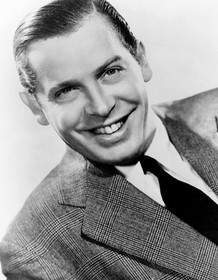
Kip Cooper (Milton Berle)
Played by Milton Berle
A quick-witted comedian who climbs from a second-rate hotel act to Broadway and television. He is talented, adaptable, and eager to stand out, but his ambition often overlooks personal costs. Throughout the story he negotiates fame and genuine happiness, hoping Fay will return.
- 🎭 Performer
- 🎤 Showbiz
- 🧠 Clever
- FW
Fay Washburn (Ruth Roman)
Played by Ruth Roman
A young showgirl with dreams and a connection to Kip. She anchors the emotional arc, torn between supporting Kip’s career and pursuing a stable relationship. Fay’s warmth keeps Kip grounded as he navigates the showbiz machine.
- 💃 Romance
- 🎭 Showbiz
- 💖 Love
- EE
Eddie Eagen (Bert Lahr)
Played by Bert Lahr
A big-time comedian whose sudden heart attack opens the door for Kip’s temporary rise. He embodies the old guard of touring shows and the pressures of the professional world, including rivalries and stage drama.
- 🎭 Comedy
- 🗂️ Industry
- ⚡ Power
-

Nancy Eagen (Virginia Mayo)
Played by Virginia Mayo
Eddie Eagen’s beautiful younger wife who becomes a temptation and catalyst for Kip’s ascent. She uses the opportunity to influence Kip’s career, testing professional boundaries and loyalties.
- 💞 Temptation
- 🎤 Showbiz
- 🧭 Manipulation
- GK
Gracie Kennedy Washburn (Grace Hayes)
Played by Grace Hayes
Fay’s ex-vaudevillian mother figure who attends the Broadway show and embodies the lingering vaudeville era. She represents family ties and the music-hall past.
- 👪 Family
- 🎭 Showbiz
- 🧳 Vaudeville
- SW
Sam Washburn (Alan Hale)
Played by Alan Hale
Fay’s father, part of the ex-vaudevillian duo who navigate the family’s place in new entertainment realities. He stands for tradition and the expectations of a performer’s legacy.
- 👨👦 Family
- 🧭 Tradition
- 🎭 Showbiz
- EM
Elliott Montgomery (Jerome Cowan)
Played by Jerome Cowan
A show business figure likely involved in the production or management side of the touring and Broadway circuit. He represents the industry’s decision-makers that steer Kip’s path.
- 💼 Management
- 🎭 Showbiz
- 🧭 Direction
- CP
Comet Pen Salesman (Max Showalter)
Played by Max Showalter
A small cameo that hints at the film’s bustling, humorous world of side characters and daily life within the showbiz ecosystem.
- 🧰 Comic
- 😄 Side Character
- 🧷 Everyday Life
- H'
Henry 'Hank' Richards (Ransom M. Sherman)
Played by Ransom M. Sherman
An entertainment industry overseer or agent figure who interacts with Kip during his rise.
- 🗺️ Agent
- 🎭 Showbiz
- 🧩 Support
-

Station Agent (Mark Strong)
Played by Mark Strong
An uncredited role that grounds Kip’s world in transit between venues and the practicalities of showbiz logistics.
- 🚉 Supporting
- 🧭 Transit
- 👀 Cameo
Where and When Is Always Leave Them Laughing Set?
Always Leave Them Laughing is set in Asbury Park, New Jersey, New York City and New York (1940s). Here is why the time and place matter to the story.
When
1940s
Set in the postwar era of show business, the plot follows a struggling comedian’s ascent through vaudeville, Broadway, and the dawning television era. The cast moves from second-rate hotels to larger venues as entertainment shifts toward television stardom. The period captures the transitional feel of mid-century showbiz.
Where
Asbury Park, New Jersey, New York City, New York
The action centers on a second-rate hotel in Asbury Park, New Jersey, a seaside town known for its boardwalk and nightlife. Kip and Fay move through tough New York joints and the Broadway circuit, reflecting the transition from regional acts to major venues. The settings contrast small-town charm with the high-stakes world of theater and television that defines the characters' ambitions.
- 🎡 Coastal town
- 🎭 Showbiz hub
- 🗽 City life
What Are the Themes of Always Leave Them Laughing?
3 ideas the story keeps returning to, among them Ambition vs Integrity, Showbiz Masks and Relationships and Sacrifice.
-
01
Ambition vs Integrity
Kip’s hunger for fame drives him through the ranks of stage, Broadway, and television. His ascent comes at the cost of authenticity and relationships, especially with Fay and Nancy. The narrative tests whether success justifies compromising personal values and loyalty. In the end, Kip longs for genuine connection with Fay more than the spotlight.
-
02
Showbiz Masks
The film frames how a performer adopts personas to fit demand, learning Eddie Eagen’s routines and adopting a on-stage persona. Kip’s talent is shaped by the need to perform, sometimes at the expense of honesty with others. The onstage glamour contrasts with offstage vulnerability, illustrating how masks propel careers. The narrative suggests that true heart can survive the performance facade.
-
03
Relationships and Sacrifice
The relationship dynamics—Kip with Fay, and the entanglement with Nancy—highlight the personal costs of chasing stardom. Nancy’s offer for permanent work forces Kip to choose between a lucrative career and emotional fidelity. Fay represents what he loses and what he wants back. The ending emphasizes that love and loyalty may outshine fame.
What Kind of Film Is Always Leave Them Laughing?
Bittersweet in tone, with steady pacing and a straightforward story, going by the plot summary.
- Tone
- Bittersweet
- Pacing
- Steady
- Story
- Straightforward
- Intensity
- Medium
- Ending
- Bittersweet
A bittersweet backstage drama that follows a self-absorbed comedian's journey through the highs and lows of show business, culminating in a moment of moral reckoning and personal growth.
- ambitious
- backstage drama
- regretful
- introspective
- nostalgic
- showbiz cynicism
- show business
- ambition vs morality
- redemption
- romantic reconciliation
Content notes: death of a character.