

What Is All That I Love About?
The premise of All That I Love in 337 words, with nothing given away. The full story follows below.
In a windswept Polish port city bathed in the gray light of early 1980s unrest, the daily rhythm is punctuated by factory whistles, chanting crowds, and the ever‑present hum of radio reports on strikes and curfews. The streets pulse with a restless energy, a mixture of hope and fear that seeps into every alley and cafeteria. Amid this backdrop, the air is thick with the smell of gasoline and burnt vinyl, as the city’s youths turn the ordinary into a stage for rebellion, their lives humming to an unspoken anthem of change.
At the heart of this restless scene is a quartet of friends bound together by music and mistrust of the status quo. Janek, the son of a naval officer, leverages his family’s connections to carve out a hidden rehearsal space inside the officer’s hall, even as he pushes against the very authority that protects him. Beside him, Staszek, his childhood companion and fellow officer’s son, shares a quiet loyalty that steadies the group’s more volatile impulses. The fiercely independent Kazik injects raw, anarchic energy, while the affluent yet disillusioned Diabel supplies the resources and swagger that keep the band afloat. Their circle widens with Basia, the daughter of a committed Solidarity activist, whose secret meetings with Janek spark both romance and the silent warning that love, like music, can be political.
The film settles into a tone that feels both intimate and explosive, capturing the gritty realism of a city on the brink and the electric optimism of a youth movement that refuses to be silenced. The punk songs they craft become a language of defiance, each chord a question whispered to the walls of power. As rehearsals echo through the police barracks and the city’s hushed conversations, the friends navigate the thin line between creative freedom and the omnipresent eyes of censorship. Their camaraderie and divergent backgrounds hint at deeper currents that will test loyalty, ambition, and the very meaning of love in a world where every lyric can become an act of resistance.
What Happens in All That I Love?
The complete story of All That I Love, from the first scene to the last, in 248 words (about 1 minute). Spoilers throughout. Names in the text link to 5 cast member pages.
Spoilers ahead
Janek is a young musician in a Polish coastal city where the early days of Solidarity, martial law, and street protests color daily life. His father, Andrzej Chyra as ojciec Janka, is an official in the local military police, and he uses that role to help Janek secure rehearsal space for his punk band in the officer’s hall of the police barracks, a setting that becomes a microcosm of the state’s control over youth culture.
Janek’s love interest, Basia Olga Frycz Martyniak, is the daughter of an active Solidarity member, and their developing romance unfolds under the watchful eye of a divided community. Basia’s family environment—especially Sokołowska, the mother figure portrayed by Katarzyna Herman—adds pressure and complicates choices on both sides of the political divide.
Motivated by their bond, Janek and his brother figure Staszek Mateusz Banasiuk decide to channel that energy into music, sending demos to a prestigious Polish summer music festival in the hope of reaching a wider audience. The band earns a spot, and the prospect of presenting lyrics that touch on repression and solidarity excites Janek, even as he worries about censorship.
However, the state’s censorship apparatus intervenes. Janek’s politically sensitive lyrics are challenged by the authorities, and he is forbidden from performing at the festival.
At the end-of-year concert, the censor arrives in person to block the Solidarity-themed songs before Janek’s classmates, but the moment shifts as the crowd seizes the opportunity to turn the event into a spontaneous youth celebration of Solidarity.
All That I Love Timeline: Every Key Event in Order
12 key events in the order they happen, from “Janek starts a band amid Solidarity in a coastal city” to “Aftermath: personal tensions linger”. 12 events name a place, across 11 locations.
- 1
Janek starts a band amid Solidarity in a coastal city
In a Polish coastal city, Janek is a young musician navigating the rising wave of Solidarity. He forms a punk-influenced band and uses his father's position in the local military police to secure rehearsal space. The tense political climate of protests and martial law looms over their daily life.
When:early 1980s Where:coastal city, Poland
- 2
Father's leverage secures rehearsal space
Janek's father uses his official role to grant access to the officer's hall for band practice, enabling the young musicians to rehearse. This privilege creates a moral tension for Janek, who benefits from but resents ties to the state. The band's early sessions become a delicate dance between rebellion and complicity.
When:early 1980s Where:police barracks, officer's hall
- 3
Basia's disapproval and family politics
Basia, the daughter of an active Solidarity member, initially forbids seeing Janek because of his father's government ties. Their romance is kept secret, shadowed by political lines between their families. The tension between loyalty and love tests their relationship from the start.
When:early 1980s Where:Basia's home
- 4
Secret meetings fuel a growing romance
Janek and Basia continue to meet in hidden spots around the city, and their relationship deepens despite the dangerous climate. The romance becomes a catalyst for Janek to pursue wider recognition through music. He writes new songs with a political edge as their bond grows.
When:early 1980s Where:secret locations around the city
- 5
Demos submitted to a prestigious summer festival
Inspired by his romance and the desire to speak louder, Janek sends demos to a prestigious Polish summer music festival. The act marks a bold step toward national exposure, despite the risk of censorship. Basia supports his dream, even as the political climate remains tense.
When:summer (early 1980s) Where:festival submission office
- 6
Selected to perform at the summer festival
The festival selects Janek to perform, elevating his hopes of giving his lyrics a national stage. He prepares to present a set that could carry political messages beyond his coastal city. The moment bridges personal ambition with a collective desire for change.
When:summer Where:festival venue
- 7
Censorship blocks the politically charged lyrics
Attempting to pass the lyrics past the state censor, Janek's plan backfires. The censor blocks his performance, and he is forbidden from playing the politically charged songs at the festival. The rejection underscores the tight grip on artistic expression.
When:summer Where:state censorship office / festival stage
- 8
Authorities press on and the band adapts
In the days after the censorship, Janek and his band face ongoing pressure from authorities who seek to limit their voice. They continue to rehearse in secret and seek ways to stay true to their message without inviting retaliation. The atmosphere around them grows more vigilant as protests intensify in the city.
When:late 1981 Where:city rehearsal spaces
- 9
End-of-year concert as a turning point
As the school year nears its end, Janek prepares for a performance at a student gathering. The censor arrives at the event with attempts to silence him, turning the concert into a tense moment of political confrontation. The audience senses the stakes and rallies around the message of solidarity.
When:end of year (1981/1982) Where:school auditorium
- 10
The censor's personal intervention ignites a Solidarity moment
The censor's personal appearance to shut down Janek's set backfires as students and peers react with solidarity. The performance shifts from a controlled recital to a spontaneous celebration of Solidarity among the youth. The auditorium becomes a space of collective voice rather than suppression.
When:end of year Where:school auditorium
- 11
Solidarity music wins a quiet victory
Even if the authorities try to restrict it, Janek's songs carry a message beyond the stage. The crowd's response and the symbolism of Solidarity reinforce the power of youth-led activism. Basia and Janek realize the impact their relationship and art can have on their community.
When:end of year Where:school auditorium / city
- 12
Aftermath: personal tensions linger
The events leave a lasting impact on Janek, Basia, and their families. His musical voice becomes a living symbol of Solidarity, while his father's police role continues to complicate their relationship. The youth celebration marks only the beginning of ongoing political struggle.
When:1981-1982 Where:coastal city
Who Are the Main Characters in All That I Love?
4 characters, among them Janek (Mateusz Kościukiewicz), Basia Martyniak (Olga Frycz) and Ojciec Janka (Andrzej Chyra): who each one is and the part they play in the story. Every profile links to the actor’s page.
- J(
Janek (Mateusz Kościukiewicz)
Played by Mateusz Kościukiewicz
A young guitarist and aspiring performer whose punk-influenced music becomes a voice for resistance. He navigates family expectations and a dangerous political climate while chasing a chance to play at a prestigious festival. His rebellious energy and drive to express himself reveal both his courage and naivety.
- 🎵 Musician
- 🧭 Rebellious
- 🎯 Ambitious
- BM
Basia Martyniak (Olga Frycz)
Played by Olga Frycz
Basia is the daughter of a Solidarity member and becomes Janek's love interest; she balances her loyalty to her father's cause with her feelings for Janek. Her relationship with Janek exposes the personal costs of political activism and the risk of pursuing love in a repressive society.
- ❤️ Romance
- 🧭 Loyal
- 🕊️ Risk
-
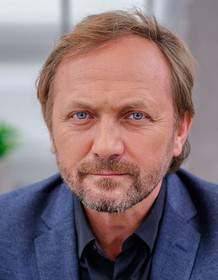
Ojciec Janka (Andrzej Chyra)
Played by Andrzej Chyra
A local military police official who uses his position to secure rehearsal space for his son's band, showing the clash between authoritarian duty and family affection. He embodies the regime's reach into everyday life while wrestling with his own complicity.
- 🏛️ Authority
- 🧭 Family
- ⚖️ Duty
- EM
Ela, matka Janka (Anna Radwan)
Played by Anna Radwan
Janek's mother provides a domestic counterpoint to political turmoil, supporting her son while fearing the consequences of political engagement. Her perspective highlights how families navigate fear, loyalty, and resilience under repression.
- 👩👦 Family
- 🏠 Home
- 🕊️ Resilience
Where and When Is All That I Love Set?
All That I Love is set in Coastal city in Poland (early 1980s). Here is why the time and place matter to the story.
When
early 1980s
The narrative unfolds during the rise of Solidarity and the imposition of martial law in Poland. Censorship and surveillance color daily life while street demonstrations and public manifestations intensify. A generation of young people uses music and performance to challenge authority and imagine freedoms beyond official limits.
Where
Coastal city in Poland
Set in a Polish coastal city, the story unfolds against harbor life, crowded squares, and a local police barracks that shape the atmosphere. The city’s working-class districts nurture a vibrant youth music scene that becomes a proxy for political expression. Its seafront streets and civic spaces host gatherings that ride between everyday life and political demonstrations.
- 🧭 Coastal city
- ⚓ Port town
- 🏙️ Seaside urban center
What Are the Themes of All That I Love?
3 ideas the story keeps returning to, among them Music, Censorship and Love.
-
01
Music
Janek's punk-influenced songs become a voice for personal and political expression. The band rehearses in the officer's hall, pushing against restrictions on lyrical content. The music scene acts as a form of resistance and a bridge between private passion and public politics.
-
02
Censorship
State censorship intrudes directly when the festival's fate and Janek's lyrics are at stake. The film portrays the tension between artistic aspiration and official rules, culminating in a confrontation with a state censor at the end-of-year concert. The moment reveals how power tries to sanitize art, while youth find ways to endure and resist.
-
03
Love
Basia's romance with Janek unfolds within a web of political loyalties and parental warnings. Their relationship strains family ties and social expectations in a climate of surveillance and rumor. Love becomes a daring act of hope and solidarity amid turmoil.
What Kind of Film Is All That I Love?
Bittersweet in tone, with steady pacing and a moderate story, going by the plot summary.
- Tone
- Bittersweet
- Pacing
- Steady
- Story
- Moderate
- Intensity
- Medium
- Ending
- Bittersweet
A rebellious and nostalgic coming-of-age story set against the tense political backdrop of 1980s Poland, blending youthful passion with the bittersweet realities of repression and personal sacrifice.
- defiant
- youthful
- nostalgic
- tense
- rebellious
- hopeful
- punk rock
- political repression
- coming of age
- friendship
Content notes: political repression, censorship.
Quiz
How well do you remember All That I Love? Test yourself on the story.


