What Is Adutha Saattai About?
The premise of Adutha Saattai in 311 words, with nothing given away. The full story follows below.
In a bustling private arts and science college where academic ambition collides with deep‑rooted social divisions, the everyday rhythm is punctuated by the rigid lines of caste and ambition. The campus feels like a microcosm of larger societal tensions, its corridors echoing with both youthful hope and the weight of tradition. Within this charged environment, guidance from families and teachers is often missing, leaving students to navigate a maze of expectations and rivalries on their own.
Dayalan, a Tamil lecturer known for his warmth and forward‑thinking approach, arrives with a quiet conviction that education can be a bridge across entrenched barriers. His open‑mindedness and genuine concern quickly earn him the affection of many students, even as some colleagues—most notably the stern principal Singaperumal—view his methods with suspicion. The contrast between Dayalan’s inclusive philosophy and the college’s entrenched hierarchy sets the stage for a subtle yet compelling clash of ideals.
Among the students, Pazhanimuthu quietly nurtures a crush on his classmate Podhumponnu, while Aadhi, hailing from a modest background, strives to prove himself amid the campus’s social stratifications. Their interactions illustrate the everyday struggles of young adults trying to find their place when external pressures threaten to dictate their futures. Adding another layer, Dayalan’s growing affection for his colleague Pachiammal hints at personal connections that mirror his professional aspirations for unity.
Against this backdrop, Dayalan begins to envision a new kind of campus life—a student‑run parliament that would entrust learners with responsibilities ranging from cleanliness to infrastructure, and a more pragmatic placement system aimed at uplifting those with fewer resources. The idea, though met with resistance from traditionalists, garners quiet support and media interest, suggesting that the college might become a laboratory for progressive change. The story unfolds with a tone of hopeful realism, inviting viewers to wonder whether compassion and collective action can truly reshape a community bound by old divides.
What Happens in Adutha Saattai?
The complete story of Adutha Saattai, from the first scene to the last, in 530 words (about 2 minutes). Spoilers throughout. Names in the text link to 4 cast member pages.
Spoilers ahead
Dayalan is a Tamil lecturer in a private arts and science college who is widely loved for his caring approach, friendly nature, and open-minded stance on empowering students. Yet many colleagues resent him, including the college principal Singaperumal. The campus atmosphere is tense, split along two dominant caste groups that frequently clash, testing Dayalan’s commitment to unity.
Pazhanimuthu, Singaperumal’s only son, secretly loves his classmate Podhumponnu, but he struggles to find the courage to confess. Podhumponnu has a positive image in the eyes of her classmate Aadhi, who comes from a poor family, setting up a contrast between ambition and circumstance that threads through the college life. The social divide intensifies the pressure on every student to choose sides, yet Dayalan refuses to let caste define the campus. He works tirelessly to calm tensions and encourage students to look beyond their backgrounds, gradually showing that education can be a powerful equalizer.
Dayalan’s personal life also evolves as he falls for his colleague Pachiammal, and the two eventually marry, reinforcing his belief in progressive, inclusive values. Boldly, he proposes forming a group called the Students Parliament, envisioned to take on day-to-day responsibilities like maintaining cleanliness and improving infrastructure. This plan sparks resistance from Singaperumal and several lecturers, who view it as a threat to the old order. Yet the media begins to echo Dayalan’s vision, painting the college in a favorable light and giving the initiative broader legitimacy.
Alongside this, Dayalan champions practical opportunities for students by arranging campus interviews and coordinating with external organizations to set up a placement process that would benefit students from poorer backgrounds. The idea gains momentum and starts to become a model for other arts and science colleges, signaling a shift in how education can uplift communities.
Amid these unfolding developments, Aadhi secures a promising job offer and dreams of lifting his family out of hardship. Some teachers who had opposed Dayalan’s reform gradually come around, but Singaperumal’s ego keeps him from full support. Tensions flare as Singaperumal increasingly targets students, ejecting Aadhi from his class and prompting Pazhani to withdraw as well. The two ride away on a motorcycle, only to be involved in a severe accident where Aadhi dies and Pazhani is badly injured.
The tragedy shakes the college and guilt gnaws at Singaperumal, who begins to rethink his stance. In a decisive moment, he apologizes and takes responsibility for Aadhi’s death, making a pledge that Pazhani will look after Aadhi’s family. Behind the scenes, Dayalan had secretly recorded conversations with caste leaders who had returned to pressure the college, exposing their real motives to the student body. The truth galvanizes the students to unite and expel the caste leaders from the campus, delivering a powerful message about solidarity over division. Singaperumal’s remorse and the promise to care for Aadhi’s family mark a turning point, while the broader campus community moves forward with a renewed commitment to equality and opportunity.
This story centers on resilience, reform, and the belief that education can bridge divides. It highlights how thoughtful leadership and collective action can challenge entrenched hierarchies, transforming a school into a space where every student has a chance to grow, regardless of background.
Adutha Saattai Timeline: Every Key Event in Order
12 key events in the order they happen, from “Dayalan's role as a beloved lecturer” to “Resolution and accountability”. 12 events name a place, across 8 locations.
- 1
Dayalan's role as a beloved lecturer
Dayalan is introduced as a Tamil lecturer who is well‑respected and loved by the students for his caring approach and open‑mindedness. His colleagues, especially the college principal Singaperumal, hate him for reasons tied to ego and campus politics. The campus atmosphere is tense as students rally to his inclusive philosophy.
Where:Private arts and science college
- 2
Dayalan falls in love with Pachiammal and they marry
Dayalan forms a personal bond with his colleague Pachiammal, sharing similar ideologies and mutual respect. Their relationship grows and they eventually marry, deepening Dayalan's commitment to improving college life. The marriage strengthens his resolve to advocate for student empowerment.
Where:Private arts and science college – staff area
- 3
Caste clashes and social dynamics on campus
The college is divided into two prominent caste groups, leading to frequent clashes among students. Podhumponnu is seen more favorably by her peers than Aadhi, who comes from a poor family, adding to the social tension Dayalan aims to bridge. Dayalan works to calm tensions and promote unity across caste and class lines.
Where:College campus
- 4
Formation of the Students Parliament
Dayalan proposes forming a Student Parliament to handle day‑to‑day college activities such as cleanliness and infrastructure. The plan aims to empower students from all backgrounds and reduce conflicts, though some lecturers and the principal oppose it initially. Gradually, more staff begin to see its potential.
Where:College campus
- 5
Media praise for Dayalan's leadership
Local media outlets start praising Dayalan for his efforts to empower students and promote unity. The positive coverage improves the college's public image and boosts the students' confidence in campus initiatives. The college gains wider recognition for its progressive approach.
Where:Local media offices and college campus
- 6
Campus interviews and placement drive
Dayalan initiates a campus interview process, inviting organizations to the college so that disadvantaged students have a fair chance at placement. He meets with multiple organizations to set up recruitment drives and showcases the college's improved ecosystem. The initiative is presented as a model for other arts and science colleges.
Where:College campus and partner organizations
- 7
Aadhi's job offer and dreams
Aadhi, Podhumponnu's classmate, receives a good job offer that could improve his family's finances. He hopes to uplift his loved ones and change their circumstances. Dayalan's placement drive makes opportunities feel more attainable for students like Aadhi.
Where:College placement office
- 8
Opposition and discipline in class
Even as many lecturers support Dayalan's ideas, Singaperumal's ego keeps him from backing the reform. He starts showing anger toward students and suspends Aadhi from his class. Pazhani, angered by the decision, also leaves the class in protest.
Where:College classroom
- 9
Tragic motorcycle accident
Angered by the disciplinary actions, Pazhani and Aadhi ride away on a motorcycle and meet with a serious accident on the road. Aadhi dies as a result, and Pazhani is badly injured. The tragedy shocks the entire college community and sets off a chain of emotional consequences.
Where:Road
- 10
Guilt and transformation of Singaperumal
The death of Aadhi weighs heavily on Singaperumal, triggering a personal transformation. He begins to accept responsibility for the events and the consequences of his actions. The evolving leadership dynamic unsettles the old order on campus.
Where:College campus
- 11
Caste leaders protest and Dayalan's expose
Caste leaders arrive at the college to protest under the banner of caste-based interests, reportedly seeking money from the management. Dayalan secretly records their conversation and disseminates it to the students, exposing their true intentions. The revelation galvanizes student unity against exploitation.
Where:College campus
- 12
Resolution and accountability
Students unite and eject the caste leaders from the campus. Singaperumal offers a public apology, accepts responsibility for Aadhi's death, and promises to support Pazhani in caring for Aadhi's family. The college begins to heal as leadership acknowledges past failures and commits to reform.
Where:College campus
Who Are the Main Characters in Adutha Saattai?
7 characters, among them Dayalan (Samuthirakani), Singaperumal (Thambi Ramaiah) and Pazhanimuthu (Yuvan): who each one is and the part they play in the story. Every profile links to the actor’s page.
-
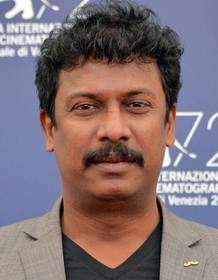
Dayalan (Samuthirakani)
Played by Samuthirakani
A beloved Tamil lecturer who advocates student empowerment and caste unity through practical initiatives. He initiates a Students Parliament, fosters campus interviews for students from humble backgrounds, and earns student trust with his open-minded approach. His leadership is tested by opposition from the principal and other lecturers, but he remains dedicated to transformative reform.
- 🎯 Leadership
- 👨🏫 Education
- 🤝 Empathy
- 🧭 Reform
- S(
Singaperumal (Thambi Ramaiah)
Played by Thambi Ramaiah
The college principal who initially clashes with Dayalan’s reforms. He clings to traditional authority and lets ego influence his decisions, contributing to campus tensions. After a tragedy and mounting guilt, he begins to rethink his stance and accepts responsibility for the events that unfold.
- ⚖️ Authority
- 🧭 Change
- 🪧 Ego
- P(
Pazhanimuthu (Yuvan)
Played by Yuvan
The son of Singaperumal who loves Podhumponnu. He initially supports the old order but is swept up in the campus dynamics and the conflicts between caste groups. His relationship with Podhumponnu and his reactions to the unfolding events drive some of the emotional stakes in the story.
- 💖 Romance
- 🚶♂️ Courage
- 🧭 Conflict
- P(
Podhumponnu (Athulya Ravi)
Played by Athulya Ravi
A classmate with a positive image who becomes part of the social landscape shaped by Dayalan’s reforms. She interacts with Pazhanimuthu and witnesses how caste tensions impact student life, while supporting a more inclusive campus culture.
- 💃 Student Voice
- 💡 Inspiration
- 🤝 Unity
- A(
Aadhi (Pandi)
Played by Pandi
Aadhi is a bright young student who, despite facing economic challenges, receives a good job offer as a result of the campus placement drive. He tragically dies in a motorcycle accident linked to the anger and protests surrounding caste tensions, highlighting the human cost of division.
- 💼 Opportunity
- 💔 Tragedy
- 🏍️ Accident
- G(
Gopal (George Mariyan)
Played by George Mariyan
A participant in the caste-based conflict who represents the student factions involved in the protest culture. His actions reflect the heated atmosphere on campus and the manipulation of caste politics.
- ✊️ Activism
- 🗳️ Caste
- 🧭 Unity
- SR
Sree Raam
Played by Sree Raam
A fellow student who is involved in the movement and stands with Dayalan’s reform agenda, contributing to a sense of solidarity within the student body.
- 🤝 Ally
- 🧭 Student Movement
Where and When Is Adutha Saattai Set?
Adutha Saattai is set in Private arts and science college. Here is why the place matters to the story.
Where
Private arts and science college
The private arts and science college serves as the backdrop for student life, debates, and daily struggles across caste lines. It becomes a stage for reform when Dayalan launches the Students Parliament and initiates campus interviews to help students from poorer backgrounds. Tensions rise as caste loyalties shape campus politics, while the media and administrators react to the evolving dynamics.
- 🎓 College Campus
- 🧭 Education
- 🤝 Community
What Are the Themes of Adutha Saattai?
3 ideas the story keeps returning to, among them Student Empowerment, Caste Dynamics and Moral Leadership.
-
01
Student Empowerment
Dayalan champions a Students Parliament to involve students in campus management and decision-making. He seeks to provide equal opportunities through campus interviews for students from humble backgrounds. The drive envisions a more inclusive college culture, contrasted by resistance from some lecturers and the principal.
-
02
Caste Dynamics
The college becomes a battleground for caste alliances, with leaders attempting to leverage protests for caste-based gains. Dayalan records and exposes their real intentions, uniting students against divisive politics. The conflict peaks with protests and a tragic accident that exposes the human cost of caste rivalry.
-
03
Moral Leadership
Dayalan models principled leadership through empathy, persistence, and accountability. He navigates opposition from ego-driven administrators and channelizes student energy toward constructive activities. The events push the college toward reconciliation as guilty parties face consequences and pledge support to affected families.
What Kind of Film Is Adutha Saattai?
Hopeful in tone, with steady pacing and a straightforward story, going by the plot summary.
- Tone
- Hopeful
- Pacing
- Steady
- Story
- Straightforward
- Intensity
- Medium
- Ending
- Bittersweet
A hopeful and steadily paced social drama where a dedicated teacher's reformist zeal confronts caste divisions and institutional resistance, building tension that culminates in a tragic but ultimately redemptive turning point for the college community.
- hopeful
- tense
- uplifting
- serious
- dramatic
- reformist
- social reform
- caste conflict
- educational system
- teacher student relationship
Content notes: student death, traffic accident.
Quiz
How well do you remember Adutha Saattai? Test yourself on the story.