What Is Accidents Happen About?
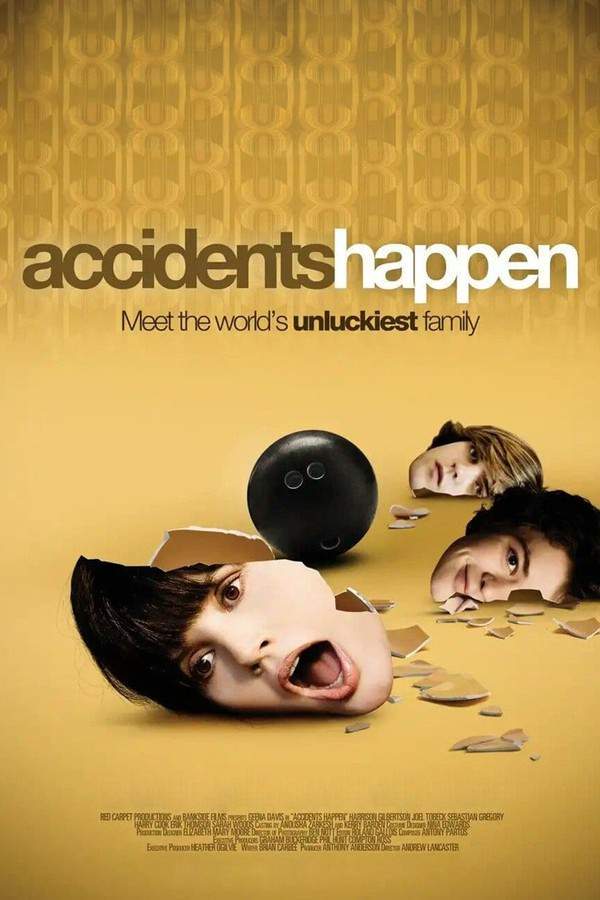
The premise of Accidents Happen in 310 words, with nothing given away. The full story follows below.
In a modest Connecticut town of the late‑1970s, the Conway family gathers for ordinary evenings at the local drive‑in, a backdrop that captures both the nostalgia of a simpler era and the undercurrent of unease that will soon surface. At the center stands Gloria, a fierce, foul‑mouthed matriarch whose protective instincts border on obsession, and Ray, her calmer, more laid‑back husband. Together they raise a brood that includes the quiet, introspective Billy, now fifteen, his older siblings Linda, Gene, and Larry, each carrying their own quirks and hidden doubts.
A single night’s mishap spirals into a tragedy that reshapes the household’s foundation, leaving an indelible mark on every member. Gloria’s resolve hardens into an almost immovable sense of duty, while Ray drifts farther into emotional distance. The loss forces Billy into the reluctant role of the family’s glue, balancing his own adolescent yearning with the weight of his mother’s expectations. Meanwhile, Larry wrestles with a growing bitterness, and Gene bears the physical and psychological scars of the accident, all of which contribute to an atmosphere charged with quiet tension.
Eight years later, the Conways exist in a fragile equilibrium, their lives still echoing the reverberations of that fateful night. Billy remains tethered to the volatile neighbor Doug, a connection that hints at unresolved loyalties and the pull of the past. The household is a study in muted conflict: a stoic father, an unyielding mother, a teenage son caught between rebellion and responsibility, and siblings whose bonds are strained by unspoken grief.
The film’s tone is measured and restrained, allowing the raw ache of loss to seep through everyday moments. It explores how love can act both as a tether that holds a family together and as a trap that binds them to lingering guilt, inviting viewers to contemplate whether forgiveness can ever truly quiet the echoes of a shattered past.
What Happens in Accidents Happen?
The complete story of Accidents Happen, from the first scene to the last, in 838 words (about 4 minutes). Spoilers throughout. Names in the text link to 7 cast member pages.
Spoilers ahead
In 1974, the Conway family—Gloria Conway, Geena Davis; Ray Conway, Joel Tobeck; and their children Linda, Ivy Latimer; Gene, Johnny Xenos; Larry, Harry Cook; and Billy, Harrison Gilbertson—spend a night at a Connecticut drive-in watching The Three Stooges. Gloria is a foul-mouthed, fiercely protective matriarch who shoulders the family’s burdens with unflinching resolve, while Ray tends toward a calmer, more easygoing presence. The evening is tense from the start, complicated by a volatile neighbor, Douglas “Doug” Post, Sebastian Gregory, whom Gloria distrusts. In a reckless moment, Gene lures Doug up to the top of the drive-in screen, and the night spirals as Gene urina tes from the screen. Gloria slips in the chaos, and the crowd’s anger rises; a drive-in night meant to be routine becomes a fuse waiting to burn.
On the way home in the rain, a heated dispute among the children distracts Ray, and the car collides with a pickup truck. The family sustains injuries, but Linda is killed and Gene is left brain-damaged, paralyzed from the head down. The tragedy reverberates through the household, reshaping the bonds between a mother who feels the weight of every consequence and children who are learning how fragile safety can be. The crash doesn’t just sever lives; it redefines who is responsible for what happened, and Gloria’s sense of duty hardens into something almost immovable as the years pass.
Eight years pass, and the story jumps to 1982. Ray is divorced, and the once-stable family dynamic has fractured under the strain of grief and new resentments. Billy, now fifteen and still tethered to Doug, remains a key connection to a past that refuses to stay buried. The narrative follows a growing rift: Larry, now a belligerent alcoholic, relays the tensions that cloud the home, while Billy carries an uneasy mix of loyalty and defiance. A night spirals from a heated TV dinner dispute with Larry into a series of escalating misdeeds: a wet kitchen accident leaves Billy with a burned back, the result of a clash between brothers, with Doug unwittingly dragged into the trouble. The situation worsens as Billy and Doug slip into a reckless streak—streaking and theft—that culminates in a devastating incident: an almighty crash between a bowling ball and a moving car, resulting in the death of Doug’s father. The accident’s true causes remain buried under misperception and pride, and the family’s already fragile balance is thrown into sharper relief.
Gloria, who has spent years policing every fault and every moment that could unravel the family’s fragile stability, confronts Billy with a stern, if incomplete, view of reality. She punishes Billy by forbidding him from seeing Doug, a decision born of fear, anger, and an unwillingness to face the complicated truth that their own childhood actions contributed to the larger tragedy they now confront. Yet Gloria does not fully grasp that the car crash that took Doug’s father was connected to the earlier recklessness that had already changed their lives. The past and present begin to blur as the family’s secrets cling stubbornly to them, and the line between guilt and inevitability becomes harder to trace.
The tension reaches a turning point when Doug receives a mistaken note claiming his father committed suicide and that the insurance will not pay because of it. The two boys, pressed by guilt and the weight of memory, decide to confess to the police. Billy tells this to Gloria, who responds with a cold, devastating verdict: she calls him selfish and slaps him, then collapses into tears as the enormity of their shared history crashes down around them. The police interrogate Billy and Doug, and the family faces the heavy news that Gene has died, adding another layer of sorrow to their already battered lives.
It is revealed that, during Doug’s attendance at Gene’s funeral, Gloria had forgiven him for what happened—an acknowledgment that softens the bitterness of the past even as it complicates the present. The film closes with a quiet, haunting image: Billy takes the bowling ball found after the fatal accident and rolls it down the sidewalk, a small, almost ritual gesture that seems to seal the cycle of guilt, blame, and forgiveness that has defined the Conways’ story. The ending leaves a lingering question about whether the pain of the past can ever be fully laid to rest, or if it must be carried forward into each new moment of life.
Overall, the narrative unfolds at the intersection of family duty and personal failure, showing how a single night at a drive-in and a string of impulsive choices ripple outward to shape a household for years to come. The film sits with a measured, restrained tone, avoiding sensationalism while still exposing the raw ache of grief, responsibility, and the uncertain path toward reconciliation. Through the eyes of Gloria, Ray, Billy, Linda, Gene, Larry, and Doug, the story examines how love can be both a tether and a trap, how guilt can mutate into silence, and how forgiveness—when it finally arrives—comes with its own hard-won price.
Accidents Happen Timeline: Every Key Event in Order
11 key events in the order they happen, from “Drive-in tragedy sets the crash in motion” to “Ending image: Billy rolls the bowling ball”. 11 events name a place, across 7 locations.
- 1
Drive-in tragedy sets the crash in motion
In 1974, the Conway family watches The Three Stooges at a Connecticut drive-in theater. Gene's reckless moment near the screen and Gloria's stumble provoke the crowd, and the drive home ends in tragedy. A distracted Ray crashes the car, Linda is killed, and Gene is left brain-damaged and paralyzed.
When:1974 Where:Connecticut drive-in theater
- 2
Eight years later: divorce and ongoing strain
By 1982, Ray is divorced and the family grapples with the long-term impact of the accident. The burden of Gene's condition and Doug's involvement adds tension, while Billy remains friends with Doug despite the past. The household wrestles with memory and a fragile sense of normalcy.
When:1982 Where:Connecticut
- 3
TV dinner dispute and Billy's burn
One night, an argument over a TV dinner brings out the old animosity in the household. Larry, now belligerent and profane, clashes with Billy as the dinner spills and burns him. Doug intervenes, and the confrontation cements the growing rift between the brothers.
When:1982 Where:Home
- 4
Streaking, theft and a fatal bowling crash
Billy and Doug engage in reckless games that include streaking and a convenience-store robbery. During their escapade, a bowling ball is hurled and collides with a moving car, killing Doug's father. The tragedy compounds the communities' fears and secrets.
When:1982 Where:Various locations
- 5
Gloria clamps down on Billy
After Billy's back injury and the exposed thefts, Gloria confronts him with anger. She learns of the suspicious events and, furious at the risk to their family, forbids Billy from seeing Doug. The decision seals a rift that hides the truth of the crash's consequences.
When:1982 Where:Home
- 6
Doug contemplates confessing after a suicide note
Doug receives a note implying his father committed suicide and that insurance won't pay. He resolves to confess to the police along with Billy, hoping to uncover the truth. The note pushes the two toward a potential disclosure that could unravel years of secrecy.
When:1982 Where:Home/Police
- 7
Billy reveals the confession plan; Gloria reacts
Billy tells Gloria about the intended confession, hoping for honesty. She calls him selfish and slaps him, breaking down in tears as the weight of the situation sinks in. The emotional blow hints at deeper family pain still undisclosed.
When:1982 Where:Home
- 8
Police interrogate the brothers
The police question Billy and Doug about the past and the crash, pressing them for details. The investigation unfolds as the family contends with fear, guilt, and memories they have long avoided. The scrutiny threatens to expose buried truths that could fracture the remaining relationships.
When:1982 Where:Home/Police
- 9
Gene dies; the family grieves
While the investigation continues, the Conway family learns that Gene has died, removing the last of the injured siblings from the living. The loss deepens the collective grief and shifts the focus toward funeral rites and forgiveness. The past and present collide in the new void left by Gene's absence.
When:1982 Where:Home
- 10
Forgiveness at Gene's funeral
Doug attends Gene's funeral, and Gloria offers forgiveness for what happened. The moment suggests a fragile reconciliation that could allow healing, even as guilt and memory linger. The scene underscores the film's themes of forgiveness amid irreversible tragedy.
When:1982 Where:Gene's funeral
- 11
Ending image: Billy rolls the bowling ball
In the final moment, Billy picks up the bowling ball found after the fatal crash and rolls it down the sidewalk. The simple act becomes a haunting symbol of memory and the cycles of guilt that the family cannot escape. The film closes on Billy’s steady gaze and the quiet street.
Where:Sidewalk
Who Are the Main Characters in Accidents Happen?
7 characters, among them Gloria Conway (Geena Davis), Ray Conway (Joel Tobeck) and Billy Conway (Harrison Gilbertson): who each one is and the part they play in the story. Every profile links to the actor’s page.
-

Gloria Conway (Geena Davis)
Played by Geena Davis
A foul-mouthed, fiercely protective mother who takes responsibility for the family's actions and harshly administers discipline. Her rigid control fuels tension at home, masking underlying vulnerabilities. Her arc involves confronting the consequences of the accident and navigating the fragile path to forgiveness.
- 👪 Family
- 🗣️ Authority
- ⚡ Tension
- RC
Ray Conway (Joel Tobeck)
Played by Joel Tobeck
An easy-going, supportive father whose calm demeanor contrasts with the escalating conflicts in the family. His approach to marriage and parenting is tested by divorce and the chaos surrounding Doug and the children. He embodies a counterweight to Gloria's intensity while being drawn into the family’s turmoil.
- 👪 Family
- 🗨️ Supportive
- ⚖️ Divorce
-

Billy Conway (Harrison Gilbertson)
Played by Harrison Gilbertson
An accident-prone teenager whose impulsive actions pull him deeper into trouble with Doug. His loyalty to his friend and his own reckless decisions propel the story toward the fatal accident and its long aftermath. Billy embodies youthful bravado shadowed by guilt and consequence.
- 👪 Family
- 🚗 Recklessness
- 🕯️ Guilt
- LC
Linda Conway (Ivy Latimer)
Played by Ivy Latimer
The younger sister whose death in the car crash marks the turning point of the family’s tragedy. Her absence hangs over the household and fuels the emotional weight carried by Gloria, Ray, and the surviving siblings. Linda’s memory becomes a catalyst for the family’s reflection and remorse.
- 👧 Family
- 💔 Loss
- 🕯️ Tragedy
- GC
Gene Conway (Johnny Xenos)
Played by Johnny Xenos
A brain-damaged, paralyzed brother whose decline and eventual death intensify the family’s pain. Gene’s condition serves as a constant reminder of the accident’s lasting impact and the emotional costs borne by those who survive him. His fate compounds the sense of unresolved grief within the family.
- 👦 Family
- 💔 Disability
- 🕯️ Tragedy
- LC
Larry Conway (Harry Cook)
Played by Harry Cook
Billy’s older brother, whose belligerent alcoholism and aggressive behavior exacerbate domestic conflict. His actions and hostility add to the volatility of the home environment, influencing Billy’s own choices and sense of threat. Larry embodies the destructive side of family dysfunction.
- 👨👦 Family
- 🍺 Alcoholism
- 🚫 Boundaries
- DP
Doug Post (Sebastian Gregory)
Played by Sebastian Gregory
The Conway neighbors and a friend to Billy, who Gloria strongly dislikes. Doug’s presence, coupled with the boys' rebellious acts, contributes to a chain of events that culminate in tragedy. His relationship with Billy evolves into a conflicted, opportunistic dynamic as the truth begins to surface.
- 👥 Neighbors
- 🌀 Rebellion
- 🔎 Confession
Where and When Is Accidents Happen Set?
Accidents Happen is set in Connecticut drive-in theater and Conway family home (Connecticut) (1974–1982). Here is why the time and place matter to the story.
When
1974–1982
The narrative spans eight years, beginning in 1974 with the fatal drive-in accident and continuing into 1982 as the family grapples with divorce, grief, and the consequences of past actions. The era’s social norms and domestic dynamics shape the characters’ choices and reactions. The passage of time amplifies the emotional stakes and the difficulty of moving on.
Where
Connecticut drive-in theater, Conway family home (Connecticut)
The story unfolds primarily around a suburban Connecticut drive-in where the Conways watch The Three Stooges, and the family’s home life that follows. The drive-in setting anchors a slice of 1970s American life, while the house becomes a crucible for mounting tensions. These locations frame the drama as a portrait of a mid-century family teetering on the edge of catastrophe.
- 🎬 Drive-in Theater
- 🏠 Family Home
- 🇺🇸 Connecticut
What Are the Themes of Accidents Happen?
3 ideas the story keeps returning to, among them Family Dysfunction, Tragedy and Trauma and Forgiveness and Reconciliation.
-
01
Family Dysfunction
The film centers on a fractured family where control, blame, and resentment collide. Gloria's strict, protective stance clashes with the others' needs and desires, exposing deep-seated tensions. As conflicts erupt, the household’s sense of safety erodes, setting the stage for tragedy. The story then follows how each member copes with the fallout.
-
02
Tragedy and Trauma
A violent accident shatters the family and leaves Gene brain-damaged and Linda dead, framing the film’s emotional core. The trauma reverberates through years of denial, guilt, and fragile reconciliation. The narrative traces how trauma alters relationships and reshapes futures. The consequences of that night drive nearly every decision that follows.
-
03
Forgiveness and Reconciliation
Despite deep resentment, moments of forgiveness surface, notably Gloria’s apparent forgiveness of Doug at Gene’s funeral. The film suggests reconciliation is possible but imperfect, leaving scars that never fully disappear. The ending hints at a fragile, hard-won closure rather than complete healing. Forgiveness acts as a small beacon in an otherwise unsettled family saga.
What Kind of Film Is Accidents Happen?
Dark in tone, with steady pacing and a moderate story, going by the plot summary.
- Tone
- Dark
- Pacing
- Steady
- Story
- Moderate
- Intensity
- High
- Ending
- Bittersweet
A heavy and melancholic drama that follows a fractured family through years of cascading tragedies, creating a tense and oppressive atmosphere of grief, guilt, and the difficult search for forgiveness.
- grief-stricken
- tense
- melancholic
- oppressive
- guilt-ridden
- somber
- dysfunctional family
- grief and loss
- coming of age
- tragedy
Content notes: death of a child, death of a parent, suicide (assumed), brain damage, alcoholism.
Quiz
How well do you remember Accidents Happen? Test yourself on the story.