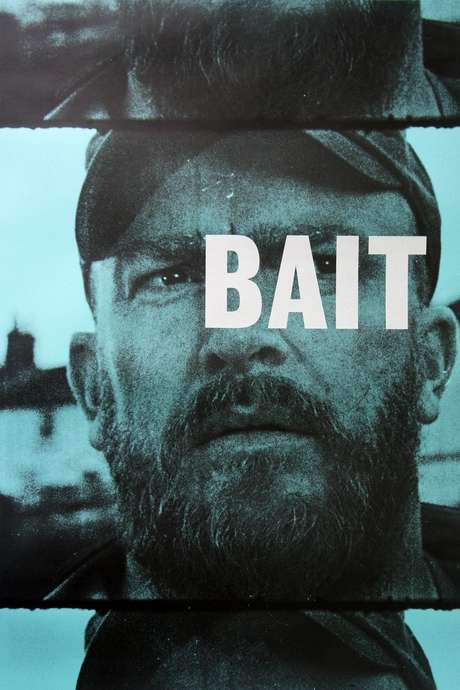
What Is Bait About?
The premise of Bait in 354 words, with nothing given away. The full story follows below.
In a rugged Cornish fishing village where the sea’s salt‑kissed air meets the steady hum of summer tourists, daily life hangs between age‑old tides and the restless tide of change. The community’s once‑sole reliance on the catch has softened into a delicate balance with vacationers who arrive in bright trailers, linger in the pubs, and reshape the rhythm of the streets. The mood is a quiet, bittersweet mix of pride in a hardened heritage and the unease of a place being gently rewoven for outsiders.
_ Martin Ward_ is a cove fisherman who has never owned a boat, eking out a living by hauling his own catch and selling it door‑to‑door. His older brother, Steven, inherited their late father’s vessel and now ferries visitors on scenic trips, turning the family’s maritime legacy into a modest tourist attraction. The brothers embody the clash at the heart of the village: a stubborn attachment to a self‑sufficient past versus a pragmatic, if uneasy, embrace of the new economy. Their divergent paths keep them close yet constantly at odds, each defending a vision of what their home should become.
The brothers’ childhood home, once a symbol of their shared roots, has been bought by Tim and Sandra Leigh, a well‑heeled couple from outside the region. Their renovations—removing a cherished pantry and installing quirky nautical décor—feel to the locals like a parody of the very traditions the villagers hold dear. The tension over the house mirrors the larger cultural friction, and the presence of the Leighs draws the community’s gaze toward questions of ownership, memory, and identity. Within the local pub, Wenna, a free‑spirited barmaid, offers a glimpse of solidarity and a different kind of loyalty, hinting at unexpected alliances amidst the brewing discord.
Throughout the film, the sea itself seems to whisper through an enigmatic, ghostly fisherman who appears at odd moments, offering cryptic counsel that reflects the village’s yearning for guidance. This spectral presence underscores the story’s atmospheric tone—a lyrical, brooding meditation on how a coastal community navigates the inevitable pull between preservation and adaptation, and how the characters must confront the shifting sands of their own lives.
What Happens in Bait?
The complete story of Bait, from the first scene to the last, in 406 words (about 2 minutes). Spoilers throughout. Names in the text link to 7 cast member pages.
Spoilers ahead
In a windswept Cornish fishing village, two brothers, Steven Ward and Martin Ward, navigate an economy that has become increasingly driven by tourism. Steven inherited their late father’s fishing boat and uses it to take visitors out on boat trips, a growing point of tension with Martin, who clings to a traditional way of life—fishing and selling his catch door-to-door—despite changing times.
Neil Ward, Steven’s son, would rather fish with his uncle than join the tourist trips, a sign of the personal stakes behind the village’s cultural shift.
They sold their childhood home to Tim Leigh and Sandra Leigh, a well-to-do couple from out of town who rent the house to vacationers. Martin’s contentious relationship with the Leighs grows over renovations, including removing their mother’s pantry and installing twee nautical-themed decor that Martin sees as a mockery of the village’s fishing heritage.
Tensions come to a head when Martin’s truck is booted for parking in front of the family home. He tries to remove the boot with help from Wenna Kowalski, a free-spirited barmaid at the pub, but Tim confronts them, and Wenna spends the night in jail.
On the advice of a mysterious, ghostly fisherman who appears periodically throughout the film, Martin tries lobster fishing in a local gully. He succeeds, but the Leighs’ son Hugo Leigh steals the catch to eat with his family. Later that night, Martin confronts Hugo at the pub and makes him mend the cut lobster trap in front of all the other patrons. A guilty Sandra comes to Martin’s home and slips money into his savings tin as Martin watches silently from outside.
Neil begins a relationship with Katie Leigh, which Hugo discovers when they confront him for stealing Martin’s lobster traps. When Hugo insults his sister, Neil attacks him, leading to a physical confrontation that ends in Neil accidentally falling to his death on the docks.
Following the tragedy and after seeing what the Leighs have done to the family home, Steven returns to fishing with Martin and Wenna as his crew. As they set out to sea, Martin sees Neil’s spirit looking on, a quiet reminder of the price paid for the town’s uneasy balance between tradition and change. Throughout the film, the ordinary rhythms of coastal life—the early morning sounds of the boats, the salty air, and the harbor’s hushed moments—underscore a deeper tension between memory, belonging, and the lure of a new kind of economy.
Bait Timeline: Every Key Event in Order
12 key events in the order they happen, from “Steven takes over the boat and starts tour trips” to “Martin sees Neil's spirit on the voyage”. 12 events name a place, across 10 locations.
- 1
Steven takes over the boat and starts tour trips
Steven inherits his late father’s fishing boat and begins taking tourists on boat trips, reshaping the village economy toward tourism. Martin resents the change, clinging to the old ways of traditional fishing and door-to-door sales. The tension between the brothers and the outsiders grows as tourism becomes more central to the town.
Where:Cornish fishing village
- 2
Leighs buy family home and renovate
Tim and Sandra Leighs buy the brothers’ childhood home and start renting it to vacationers. They renovate with twee nautical decor and remove their mother’s pantry, a change that deeply offends Martin. The new flavor of the home symbolizes the broader clash between tradition and tourism.
Where:Family home
- 3
Tensions rise over noise and pub closures
Martin complains about the morning noise from the fishermen and about the Leighs' influence on town life. The winter off-season closures of the local pub highlight how tourism reshapes ordinary routines. These tensions illustrate why he resents outsiders and the changes they bring.
Where:Local pub
- 4
Truck booted; Wenna's altercation and jail night
Martin’s truck is booted for parking in front of the family home. He tries to remove the boot with Wenna’s help, but Tim confronts them, and Wenna ends up assaulting him and spending the night in jail. The incident escalates the conflict between the Ward brothers and the Leighs.
Where:In front of family home
- 5
Ghostly fisherman guides lobster fishing
On advice from a mysterious ghostly fisherman who appears periodically, Martin tries lobster fishing in a local gully. He succeeds, marking a turn toward a more traditional approach. The guidance underscores a supernatural thread guiding his choices.
Where:Local gully
- 6
Martin's lobster catch stolen by Hugo
Martin catches lobster in the gully, but Hugo Leighs’ son steals the catch and takes it home to feed his family. The theft intensifies the feud between the Ward brothers and the Leighs. Martin’s mood darkens as the theft tests his resolve.
Where:Local gully
- 7
Martin makes Hugo mend the trap in public
That same night, Martin confronts Hugo at the pub and forces him to mend the damaged lobster trap in front of other patrons. The public humiliation reasserts traditional codes of accountability. The moment shifts the town’s balance of power between families.
Where:Pub
- 8
Sandra slips money into Martin's savings tin
Sandra Leigh slips money into Martin’s savings tin, a quiet but guilty gesture after seeing the impact of her family’s actions. He watches from outside, silent and unreadable as the gesture passes. The money signals a practical, uneasy attempt to influence Martin’s plans to buy a boat.
Where:Martin's home
- 9
Neil starts relationship with Katie Leighs' daughter
Neil begins a relationship with Katie Leighs’ daughter, complicating the ties between the two families. Hugo discovers the romance when they confront him about the earlier theft. The affair raises the emotional stakes and accelerates the eventual tragedy.
Where:Leighs' household / town
- 10
Neil confronts Hugo; tragedy on the docks
When Hugo insults his sister, Neil attacks him, triggering a brutal confrontation that ends with Neil accidentally falling to his death on the docks. The incident shatters the family and forestalls any easy reconciliation. Steven’s and Martin’s resolve to fish together is tested to the limit.
Where:Docks
- 11
Steven returns to sea with Martin and Wenna
Following the tragedy and the damage to the family home, Steven returns to fishing with Martin and Wenna as his crew. They set out to sea as a symbol of renewed cooperation and tradition. The brothers begin rebuilding not just their livelihood but their bond.
Where:Sea
- 12
Martin sees Neil's spirit on the voyage
As they head out, Martin sees Neil’s spirit looking on, a haunting presence that offers a sense of closure. The vision marks a reconciliation between loss and legacy, and a pledge to honor the family’s way of life. The film closes with the brothers recommitting to their traditional livelihood at sea.
Where:Sea
Who Are the Main Characters in Bait?
8 characters, among them Martin Ward (Edward Rowe), Steven Ward (Giles King) and Neil Ward (Isaac Woodvine): who each one is and the part they play in the story. Every profile links to the actor’s page.
- MW
Martin Ward (Edward Rowe)
Played by Edward Rowe
A stubborn, traditionalist fisherman who clings to his late father’s methods and resents the encroachment of tourism on the village’s way of life. His pride masks a vulnerability about his inability to keep his family’s boat and livelihood afloat. He becomes the moral center who must navigate conflict with the Leighs and protect his family’s legacy.
- ⚓️ Traditionalist
- 🐟 Fisherman
- 🧭 Pride
- SW
Steven Ward (Giles King)
Played by Giles King
Martin’s brother who has embraced the newer model of fishing life by running tourist boat trips. He represents compromise between old and new, showing both practicality and tension with his brother. His return to sea as part of a renewed partnership with Martin marks a shift toward reconciliation.
- ⚓️ Pragmatist
- ⛵️ Boat Captain
- 🪢 Family ties
- NW
Neil Ward (Isaac Woodvine)
Played by Isaac Woodvine
Steven’s son who loves fishing with his uncle rather than accompanying his father on tours. He forms a relationship with Katie that amplifies the village’s personal conflicts. His death on the docks becomes a catalyst for grief and a turning point for the family and community.
- 💡 Young
- 🐟 Fisherman-in-training
- 💔 Tragic
- SL
Sandra Leigh (Mary Woodvine)
Played by Mary Woodvine
A well-to-do visitor who rents and Renovates the family home, embodying the outsider pressure on local life. Her actions—renovations and the sense of ownership they imply—spark resentment in Martin and his family. She acts within the social milieu of the Leighs, contributing to the tensions surrounding money, status, and heritage.
- 💼 Outsider
- 🏡 Homeowner
- 👠 Privilege
- TL
Tim Leigh (Simon Shepherd)
Played by Simon Shepherd
The Leighs’ husband, a well-to-do figure who confronts Martin in the street and embodies the tensions between local residents and vacationers. His presence underscores the clash of personalities around property, respect, and power in the village. His interaction with Wenna and the community heightens the film’s dramatic stakes.
- 🧭 Authority
- 🗝️ Privilege
- ⚖️ Confrontation
- KL
Katie Leigh (Georgia Ellery)
Played by Georgia Ellery
The Leighs’ daughter who begins a relationship with Neil, bringing a personal, romantic dimension to the village conflict. Her connection with Neil adds complexity to the rivalries between the locals and the outsiders. She serves as a bridge between youth and the older generation’s insistence on tradition.
- 💞 Romance
- 👧 Youth
- 🧭 Family ties
- HL
Hugo Leigh (Jowan Jacobs)
Played by Jowan Jacobs
The Leighs’ son whose theft of Martin’s lobster traps and insults toward Katie drive key conflicts. His actions escalate the drama and catalyze the tragedy that follows. He embodies impulsiveness and the consequences of unchecked bravado.
- 🧷 Impulsive
- 🐙 Thief
- 🧨 Catalyst
- WK
Wenna Kowalski (Chloe Endean)
Played by Chloe Endean
A free-spirited barmaid who becomes an ally to Martin, assisting him when his truck is booted and stepping into confrontations with the Leighs. Her presence provides a practical and emotional connection between the villagers and their traditions. She represents a bridge between local life and the forces of change.
- 🎈 Free-spirited
- 🧃 Bar life
- 🤝 Ally
Where and When Is Bait Set?
Bait is set in Cornish fishing village. Here is why the place matters to the story.
Where
Cornish fishing village
Set in a small Cornish fishing village, the story unfolds along a working harbor where boats meet tourists and locals alike. The town’s economy has shifted from door-to-door fishing and selling catches to a growing reliance on tourism and vacationers. The village life centers on the pub, the family home, and the pier, all of which become battlegrounds for tradition and change. The setting conveys a tight-knit community that feels the pressure of outsiders reshaping its rhythm.
- ⚓️ Coastal town
- 🐟 Fishing village
- 🏖️ Tourism tension
What Are the Themes of Bait?
3 ideas the story keeps returning to, among them Tradition, Community and Ghosts.
-
01
Tradition
The film centers on the clash between long-standing fishing practices and a tourism-driven economy. Martin clings to the old ways—selling his catch by hand and using the family boat—while Steven embraces boat tours that draw visitors and money. The tension with the Leighs over renovations and the intrusion of outsiders highlight how fragile local identity can be when tradition is confronted by new influences. The narrative suggests that preserving a way of life often requires stubborn resistance to change, even as change arrives inexorably.
-
02
Community
Relationships within the village drive its fate: siblings, couples, and friends navigate loyalty, jealousy, and care. Neil’s budding relationship with Katie tests boundaries, while Hugo’s misdeeds spark collective responses from the town. Wenna’s involvement shows how individuals pull together to protect or challenge the status quo. In the end, the community’s resilience comes from choosing solidarity over division, even after tragedy.
-
03
Ghosts
A ghostly fisherman appears throughout the film, acting as a moral compass and a link to the past. The spirits of Neil and the sea linger as guiding forces, reminding characters that actions leave echoes beyond the living. The supernatural elements underscore memory, legacy, and the consequences of choices on future generations. The final coastal moment suggests that the living and the deceased share the same shoreline of memory.
What Kind of Film Is Bait?
Melancholic in tone, with slow pacing and a straightforward story, going by the plot summary.
- Tone
- Melancholic
- Pacing
- Slow
- Story
- Straightforward
- Intensity
- Medium
- Ending
- Bittersweet
A slow-burning, atmospheric film steeped in melancholy, following a fisherman's quiet resentment and grief as his community and family traditions are eroded by tourism.
- melancholic
- nostalgic
- tense
- grieving
- contemplative
- atmospheric
- family conflict
- cultural displacement
- brother relationship
- grief and loss
Content notes: sudden death, grief.
Quiz
How well do you remember Bait? Test yourself on the story.