


Where to Watch 12 to the Moon
See current US streaming, rental, and purchase options for 12 to the Moon (1960) via JustWatch.








12 to the Moon Plot Summary
Read the complete plot summary and ending explained for 12 to the Moon (1960). From turning points to emotional moments, uncover what really happened and why it matters.
Earth’s International Space Order prepares for its inaugural Moon landing, aiming to claim the satellite as international territory. The Lunar Eagle 1 crew consists of 12 scientists from around the world—ten men and two women—accompanied by a small menagerie that includes two cats. The ship is commanded by Capt. John Anderson, Ken Clark.
Historical and international tensions flare during the flight. Dr. Feodor Orloff, [Tom Conway], is quick to boast that all scientific breakthroughs were invented by the Soviets, while Dr. David Ruskin, [Richard Weber], an Israeli astronaut, warns that the USSR would be unwise to press its influence on Israel as it did to his homeland. Ruskin admires fellow astronaut Dr. Erich Heinrich, [John Wengraf], unaware that Erich’s father was the Nazi responsible for killing Ruskin’s family—an irony that weighs on their budding friendship.
After a perilous 27-hour voyage, Lunar Eagle 1 lands and the crew begins their Moon exploration. Dr. Sigrid Bomark, [Anna Lisa], and Dr. Selim Hamid, [Muzaffer Tema], discover an air-filled cave and, after removing their space helmets, share a charged kiss. They move deeper into the cave, but the opening is suddenly sealed by an impenetrable layer of ice.
The others uncover mineral-rich rock, and when they test a rock formation with a mortar, liquid bubbles forth. Feodor rushes to the flow and suffers severe burns as his hands are burned by the strange liquid. On the return to the ship, one crew member sinks into lunar quicksand; John Anderson makes a valiant but ultimately unsuccessful effort to save him, nearly being pulled under himself.
Inside Lunar Eagle 1, a machine begins printing logograms. Dr. Hideko Murata, [Michi Kobi], is able to read the symbols. The message arrives from “The Great Coordinator of the Moon” and orders the crew to depart at once. It also reveals that the Moon-beings live underground and fear Earthlings will “contaminate our perfect form of harmony.” The Moon-beings express fascination with the cats, and state that they will study all Earthlings, but they also demand that the expedition’s feline companions be left behind, finding them as intriguing as humans.
Erich experiences a heart attack during the lunar ascent. As he drifts between semi-consciousness and clarity, David learns that Erich’s father was the Nazi who murdered his family. Yet when Erich acknowledges his past and dedicates himself to atonement, a fragile bond forms between them.
Near Earth, the crew witnesses the big freeze, a colossal freezing cloud controlled from the Moon that grips Canada, the United States, and Mexico in thick ice.
Erich proposes a plan to drop “atomic bomblets” into the volcanic peak of Popocatépetl to trigger a massive eruption and thaw North America. Etienne Martel, [Roger Til], sabotages the bomblets, revealing himself to be a French communist intent on freezing the world to advance his cause. He and Feodor clash; Etienne pulls a knife, John steps in to intervene, and Feodor calmly keeps him from escalating. Feodor then repairs the bomblets.
In a bold, desperate move, Erich and David pilot a suicide mission to deploy the bomblets from Lunar Eagle 1’s smaller space taxi. Popocatépetl erupts, and the continental thaw begins. A new Moon message reveals that the Moon-beings now understand Earthlings to be honorable and peaceful, and that the North Americans had been put into suspended animation before the great freeze, meaning no one on Earth was harmed. The Moon adds that Earthlings will be welcomed back to the Moon whenever they return.
With the thaw underway, Lunar Eagle 1’s crew prepares for a triumphant reentry and a hopeful return to the Moon’s embrace.
12 to the Moon Timeline
Follow the complete movie timeline of 12 to the Moon (1960) with every major event in chronological order. Great for understanding complex plots and story progression.
Earth mission announced and crew assembled
Earth's International Space Order announces the first Moon landing with the goal of claiming it as international territory. The Lunar Eagle 1 crew comprises 12 scientists from around the world and is commanded by John Anderson, with two cats aboard as an experimental addition. The mission is framed against rising international tensions as nations vie for influence in space.
Tensions aboard Lunar Eagle 1
Historical tensions flare aboard the ship as Feodor Orloff boasts that Soviet science leads the world. David Ruskin warns the USSR would be unwise to try to dominate Israel, while he is drawn to Erich Heinrich despite misgivings about his past. David gradually learns that Erich's father was a Nazi who killed his family, a revelation that shadows their early dynamic and fuels tension.
Moon landing after a 27 hour flight
After a dangerous 27 hour flight, Lunar Eagle 1 finally lands on the Moon. The crew begins a cautious exploration of the lunar surface, setting up a base and testing conditions. The mission shifts from descent to discovery as they step into a new world.
Cave discovery and first kiss
Sigrid Bomark and Selim Hamid uncover an air filled cave on the Moon and, after shedding their space helmets, share a kiss. They venture deeper into the cave, walking hand in hand, only for the opening to be suddenly sealed by impenetrable ice. The moment marks the first personal danger in the expedition.
Mineral findings and Feodor's burn
While others discover gold and minerals, a rock formation is struck by a mortar that causes liquid to bubble out. Feodor rushes to the flowing liquid and his hands are badly burned, highlighting the unpredictable dangers of lunar geology. The incident foreshadows the crew's fragile safety balance.
Tragic lunar quicksand death
On the way back to Lunar Eagle 1, a crew member sinks into lunar quicksand and dies. John Anderson makes a valiant effort to save him but is nearly pulled under himself, underscoring the Moon's merciless hazards. The loss reinforces the crew's isolation and the stakes of their mission.
Moon logograms and the Great Coordinator
Inside Lunar Eagle 1 a machine begins printing logograms. Hideko Murata can read them, and the message reveals an order from the Great Coordinator of the Moon to leave at once. The Moon beings explain they live underground, fear Earth contact could contaminate their harmony, and insist that the expedition's cats be left behind since they find them interesting.
Erich's heart attack and unlikely friendship
Erich Heinrich suffers a heart attack during Lunar Eagle 1's blastoff back to space. While he babbles, David learns that Erich's father was the Nazi responsible for his family's murder. Yet when Erich reveals he has disowned his family and dedicated his life to atonement, the two men form a fragile friendship.
The big freeze approaches Earth
Near Earth the crew witnesses the big freeze, a colossal freezing cloud controlled from the Moon that encases Canada, the U.S., and Mexico in thick ice. The threat prompts urgent decisions about their return and the future of Earth and Moon relations.
Bomblets sabotage and political intrigue
Erich develops a plan to drop atomic bomblets into Popocatepetl to trigger a massive eruption that could thaw North America. Etienne Martel sabotages the bomblets, revealing himself as a French communist; a struggle ensues and Feodor repairs the devices. The crew tensions escalate into a confrontation that reshapes their mission.
Suicide mission to thaw North America
Erich and David fly a suicide mission aboard the ships smaller space taxi to drop the bomblets into Popocatepetl. The volcano erupts and the North American thaw begins, exposing the warming world to change. A subsequent Moon message asserts that Earthlings are honorable and peaceful and that humans will be welcomed to the Moon whenever they return.
Great thaw and welcome from the Moon
Following the thaw, the Moon reveals it now regards Earth as honorable and peaceful. The Moon beings extend a formal welcome and indicate that Earthlings will be welcomed to the Moon whenever they return. Back on the lunar surface, the surviving crew prepare to land again to complete their mission and return home.
12 to the Moon Characters
Explore all characters from 12 to the Moon (1960). Get detailed profiles with their roles, arcs, and key relationships explained.
Captain John Anderson (Ken Clark)
Captain of Lunar Eagle 1, Anderson is a calm, decisive leader who keeps the crew focused amid international tension. He weighs political considerations against the safety of his team and the mission’s ethical boundaries. His diplomacy and resolve are tested as betrayals unfold and life-threatening choices arise.
Dr. Feodor Orloff (Tom Conway)
Brilliant and arrogant, Orloff openly claims Soviet superiority in science and pushes the crew toward aggressive experimentation. His reckless curiosity leads to injury but also crucial breakthroughs, revealing a complex mix of genius and hubris. He remains a volatile presence as the mission spirals toward crisis.
Dr. David Ruskin (Richard Weber)
Israeli astronaut who fears the worst in the political frictions yet values human connection. He respects Erich’s redemption arc and grows closer to Erich, choosing mercy and alliance over suspicion. Ruskin’s empathy and resolve help bridge divides among the crew.
Dr. Etienne Martel (Roger Til)
French communist and saboteur who destabilizes the mission with ideological zeal. His actions spark conflict and force others to confront the role of politics in exploration. Martel’s betrayal becomes a crucible for the crew’s unity and ethics.
Dr. Sigrid Bomark (Anna Lisa)
Courageous and curious, Sigrid pushes the mission forward through exploration and collaboration. Her bond with Selim adds a deeply human dimension to the voyage, balancing scientific rigor with emotional insight. She demonstrates resilience in the face of unknown lunar dangers.
Dr. Selim Hamid (Muzaffer Tema)
Measured and thoughtful, Selim serves as a steadying presence among the crew’s tensions. He acts as a mediator and translator of cultures, helping to navigate both scientific and interpersonal challenges. His calm demeanor anchors the group during crises.
Dr. Hideko Murata (Michi Kobi)
Linguist and astrophysical investigator who deciphers the Moon’s logograms. Murata connects the crew to the Moon’s intelligence, playing a pivotal role in understanding the Great Coordinator’s message. Her curiosity drives breakthroughs that reshape the crew’s view of the lunar mystery.
Dr. Erich Heinrich (John Wengraf)
Son of a Nazi murderer who devotes himself to atonement. Initially haunted by his father’s crimes, he earns trust through acts of courage and sacrifice. He forms a deep friendship with David, embodying themes of forgiveness and humanity under pressure.
12 to the Moon Settings
Learn where and when 12 to the Moon (1960) takes place. Explore the film’s settings, era, and how they shape the narrative.
Location
Moon, Lunar Eagle 1
Set on the Moon during the first international expedition aboard Lunar Eagle 1, it follows a diverse crew of 12 scientists and two cats. The Moon’s surface is harsh and icy, with an air-filled cave that yields a warning from mysterious underground beings who fear Earthly contamination. As tensions between nations rise, the crew must balance scientific curiosity with the fragile hope of peaceful contact.
12 to the Moon Themes
Discover the main themes in 12 to the Moon (1960). Analyze the deeper meanings, emotional layers, and social commentary behind the film.
🌐
Internationalism
Earth's International Space Order seeks to claim the Moon as an international territory, bringing together a diverse crew from different nations. The mission highlights diplomatic strain and cooperation under pressure, showing how science can unite or divide when borders complicate exploration. As the crew debates their next steps, the film questions whether shared curiosity is enough to override national rivalries. The North American thaw crisis tests whether a global consensus can survive real-world tensions in space.
❤️
Love and Humanity
In the cold void, Sigrid and Selim share a tender moment that humanizes the mission and tests cultural boundaries. Their budding romance anchors the crew in emotional reality beyond protocol and politics. The Moon beings’ curiosity about love adds a philosophical layer to the voyage, suggesting that human warmth could be essential for peaceful contact. Their connection contrasts with the utilitarian, high-stakes nature of space exploration.
⚖️
Ethics of Contact
The Moon-beings demand Earth leave and even request leaving behind the cats as a test of intrusion. A message from the Great Coordinator frames Earth as potential contaminators of a harmonious, perfected order. The crew must decide whether intervention is permissible or if restraint is the responsible path. The dilemma intensifies as discoveries on the Moon force a reckoning with colonial impulses in space exploration.
⚔️
Betrayal and Sacrifice
Etienne’s sabotage exposes ideological rifts and threatens the mission’s cohesion. Feodor and David embark on a dangerous plan to thaw North America, leading to high-stakes, life-or-death decisions. Trust fractures under pressure, yet acts of courage and sacrifice ultimately steer the crew toward a hopeful outcome. The final twists reaffirm that honor and restraint can prevail even in the shadow of conflict.

Coming soon on iOS and Android
The Plot Explained Mobile App
From blockbusters to hidden gems — dive into movie stories anytime, anywhere. Save your favorites, discover plots faster, and never miss a twist again.
Sign up to be the first to know when we launch. Your email stays private — always.
Explore the mobile app12 to the Moon Spoiler-Free Summary
Discover the spoiler-free summary of 12 to the Moon (1960). Get a concise overview without any spoilers.
The International Space Order has gathered the world’s foremost scientists for a historic venture: the first human landing on the Moon, an effort meant to claim the silvery satellite as a shared realm of peace. Twelve experts, two women among them, a handful of support staff, and even a pair of curious cats travel aboard the sleek Lunar Eagle 1, their journey framed by the awe‑inspiring vacuum of space and the simmering geopolitical currents of the mid‑20th century. The film opens on a crisp, silvered horizon, where the promise of discovery is matched by an uneasy sense that humanity may be stepping onto terrain that still holds its own secrets.
At the helm is the steady‑hand commander John Anderson, whose calm professionalism anchors a crew as diverse as the nations they represent. Feodor Orloff, a proud Russian researcher, often clashes with the outspoken Israeli astronaut David Ruskin, whose concerns about old rivalries add a subtle, tense undercurrent. The enigmatic German scientist Erich Heinrich carries a personal weight that quietly shapes his interactions, while the bright‑minded physicians Sigrid Bomark and Selim Hamid bring both scientific curiosity and a hint of youthful exuberance to the lunar foothold. Linguist Hideko Murata serves as the bridge between Earth and whatever lies beneath the Moon’s surface, her expertise hinting at communication beyond the known.
Beneath the stark gray of the lunar landscape, the crew discovers signs of an underground civilization—beings whose existence is hinted at through strange, glowing symbols and an unexpected fascination with the Earth‑borne cats. Their messages speak of harmony, of a perfect balance threatened by an outside presence, and of a cautious curiosity toward the visitors. This revelation shifts the expedition’s focus from triumphant claim‑staking to a delicate dance of understanding, with the unknown Moon‑dwellers watching from the shadows.
The film balances the grand optimism of early space exploration with the cold‑war tension of its era, weaving together wonder, diplomatic friction, and an undercurrent of existential dread. As the Lunar Eagle 1 crew steps onto the Moon’s alien soil, the audience is invited to feel both the exhilaration of humanity’s reach and the haunting question of what might happen when we finally meet a civilization that has observed us from the darkness for millennia.
Movies with Similar Twists and Themes
Uncover films that echo the narrative beats, emotional arcs, or dramatic twists of the one you're exploring. These recommendations are handpicked based on story depth, thematic resonance, and spoiler-worthy moments — perfect for fans who crave more of the same intrigue.
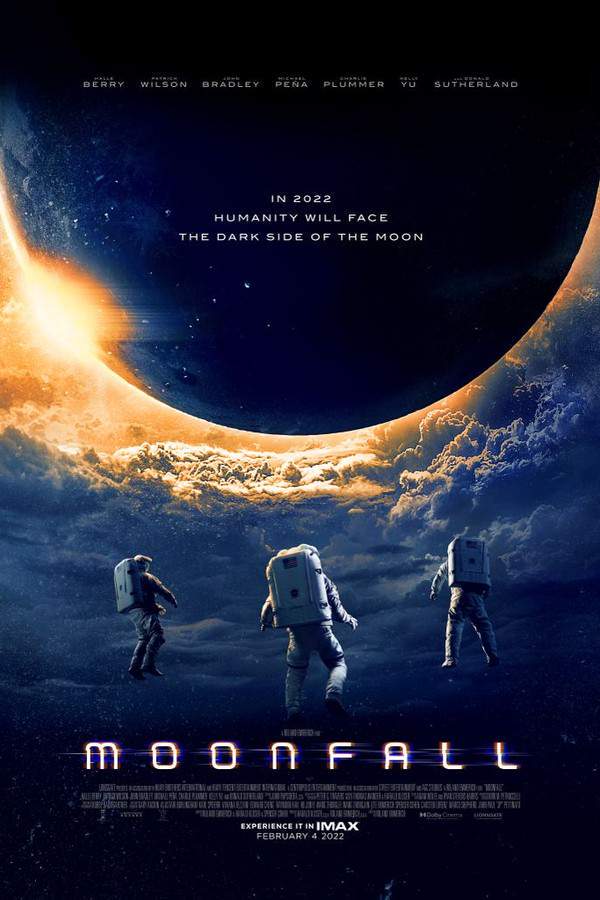
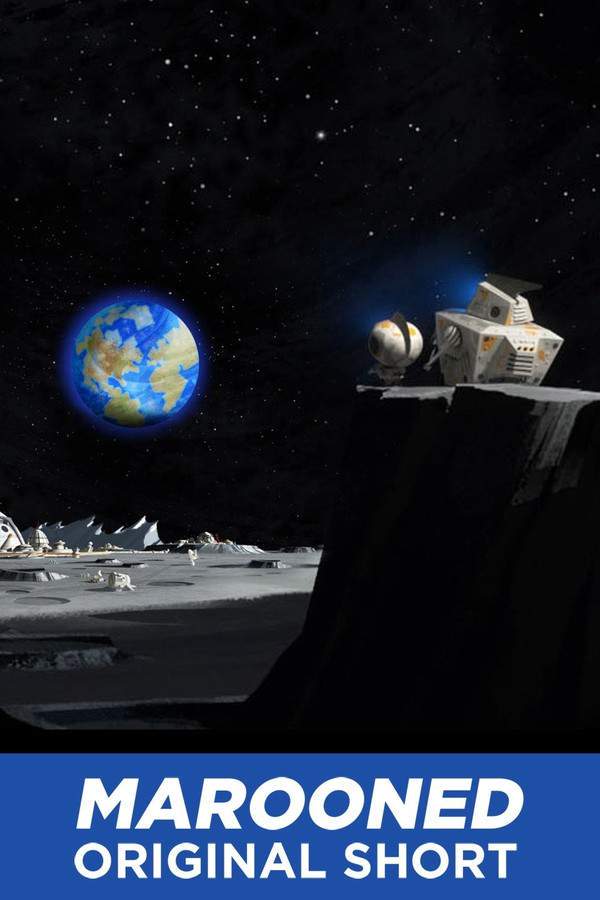

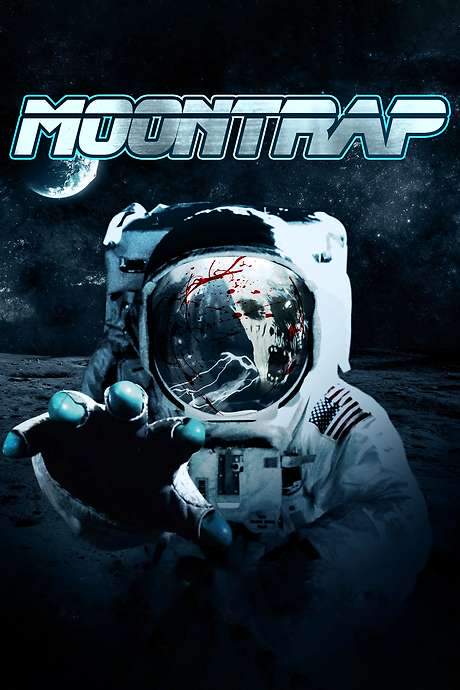


Featured on this page

What's After the Movie?
Not sure whether to stay after the credits? Find out!
Check out our other apps:

SAT Sphere
Build confidence for the Digital SAT.

Mori Atlas
Discover wild places worth protecting.

Luntero
Search smarter for a home in Amsterdam.

Plot Explained
Unravel movie endings and hidden clues.

Pokechamp
Dive into Pokémon data and battle logic.

Driving Theory
Get ready for your European theory test.

Movie Dust
Plan your next cinema trip with ease.

Musemap
Find art and culture as you travel.

Selkobase
Compare credentials before committing.

Local Manual
Turn an unfamiliar country into practical next steps.

Lernavi
Compare school systems before your next move.

GymRoam
Find a workout stop wherever your plans take you.
Explore Our Movie Platform
New Movie Releases (2026)
Famous Movie Actors
Top Film Production Studios
Movie Plot Summaries & Endings
Major Movie Awards & Winners
Best Concert Films & Music Documentaries
Movie Collections and Curated Lists
© 2026 What's After the Movie. All rights reserved.
Privacy Policy