

- Born
- January 11, 1892
- Birthplace
- Berlin, Germany
- Full name
- Gertrud Valesca Samosch
- Citizenship
- German
- Occupations
- dancer, pantomime artist, cabaret artist, actress, performance artist
- Years active
- 1916-1978
- Spouses
- Robin Hay Anderson
Valeska Gert's Career in Numbers
Valeska Gert's films in numbers — as an actor, not counting appearances as themselves: when they were made, the genres Valeska Gert works in most and the milestones along the way. The filmography runs from The Joyless Street (1925) to Coup de Grâce (1976), and the 1920s were the busiest decade.
Valeska Gert Movies by Decade
- 1920s 3
- 1930s 3
- 1960s 1
- 1970s 2
The 1920s were Valeska Gert's busiest decade, with 3 films.
Valeska Gert Movies by Genre
- Drama 7
- Fantasy 1
- Comedy 1
Drama is the genre Valeska Gert has worked in most, with 7 films, ahead of fantasy (1).
Valeska Gert Career Milestones
- First film
- The Joyless Street 1925
- Biggest box office hit
- Juliet of the Spirits $8.73K worldwide
- Newest film
- Coup de Grâce 1976
Valeska Gert Filmography: Every Movie
Every film Valeska Gert is credited on, newest first, with the role, the box office and the Movie Echo Score. Re-order the list to see the best-rated films or the biggest hits first.
- 1976
 Coup de Grâce as Tante Praskovia · Drama
 - 1975
 The Enchantment of the Blue Sailors as Ein alter Vogel · Drama
 - 1965
 Juliet of the Spirits as Pijma · Fantasy Worldwide box office: $8.73K
 - 1934
 Pett and Pott: A Fairy Story of the Suburbs as The Maid · Comedy
 - 1930
 Such Is Life as Waitress · Drama
 - 1930
 People on Sunday as Valeska · Drama
 - 1929
 Diary of a Lost Girl as The Reformatory Dean's Wife · Drama
 - 1926
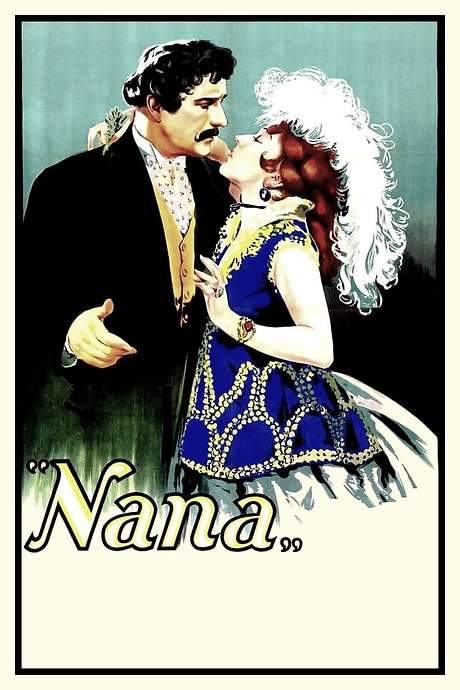 Nana as Zoe · Drama
 - 1925
 The Joyless Street Drama
Who Is Valeska Gert?
Valeska Gert was born in Berlin, Germany in 1892. Credited on films since 1925, as an actor. The background, training and the roles that shaped the career.
Valeska Gert, born Gertrud Valesca Samosch on January 11, 1892, in Berlin, was a revolutionary German dancer, pantomime artist, and cabaret performer who became one of the most provocative and influential figures of the Weimar Republic's avant-garde scene. Coming from a Jewish family and showing early disdain for conventional academics or office work, she began dance training at age nine, later studying acting with Maria Moissi and dance with Rita Sacchetto, which led her toward a career in performance art. By 1916, she had created her first solo piece, Dance in Orange, which she performed at prominent Berlin venues including the Blüthnersaal and the UFA movie palace at Nollendorfplatz, often as part of mixed programs. Her work during World War I was deeply satirical and politically charged, creating what she called revolutionary satirical dance that critiqued bourgeois society, war, and traditional femininity, partly influenced by her family's financial hardships during the conflict. She gained significant recognition through her performances in expressionist plays such as Oskar Kokoschka's Hiob (1918), Ernst Toller's Transformation (1919), and Frank Wedekind's Franziska, establishing herself as a fearless artist who used her body to challenge societal norms with an anarchic intensity that aligned her with the Dadaist movement. In the 1920s, Gert pushed artistic boundaries even further with provocative works like Canaille (meaning prostitute), which included a simulated orgasm that caused outraged audiences to call the police, as well as pieces depicting traffic accidents, boxing matches, and death, all performed with grotesque, mocking, or furious energy. She developed her unique Tontänze (Sound Dances) starting in 1926, combining vocalizations, noises, and fragmented words with her movements and facial expressions, creating a multi-sensory performance style that analyzed and subverted societal conventions through physical expression. After being banned from the German stage in 1933 due to her Jewish heritage, she went into exile first in London, where she appeared in experimental film, and later in the United States, where she opened the famous Beggar's Bar in New York City in 1941, a bohemian establishment that employed future legends including Tennessee Williams, Julian Beck, Judith Malina, and Jackson Pollock. Following her return to Europe in 1947, she established several cabarets including Bei Valeska in Berlin and the legendary Ziegenstall (Goat Shed) on the island of Sylt, where she performed each summer until her death. She experienced a remarkable late-career film resurgence, appearing in Federico Fellini's Juliet of the Spirits (1965), Rainer Werner Fassbinder's television series Eight Hours Don't Make a Day (1973), and Volker Schlöndorff's Coup de Grâce (1976), before her planned role as the real estate broker Knock in Werner Herzog's Nosferatu was tragically cut short by her death around March 16, 1978, at age 86, leaving behind a legacy as a pioneering performance artist who forever changed the relationship between dance, theater, and social commentary.
Valeska Gert: Questions & Answers
How many movies Valeska Gert has made, the biggest hit, the best-rated film, the award record and more, answered from the filmography above.
How many movies has Valeska Gert been in?
Valeska Gert is credited on 9 films, from 1925 to 1976. The filmography on this page lists every one of them, newest first, with the role and the Movie Echo Score.
What is Valeska Gert's highest-grossing movie?
Juliet of the Spirits (1965) is Valeska Gert's biggest box office hit, with $8.73K worldwide. Across every film with box office figures, Valeska Gert's movies have made $8.73K.
Valeska Gert's biggest hits What is Valeska Gert's newest movie?
The most recent film on Valeska Gert's filmography is Coup de Grâce (1976), in the role of Tante Praskovia.
The Best Valeska Gert Movies, Ranked
Top rated, most awarded and biggest box office hits from 9 credits.
Coming soon to your phone
The Plot Explained Movie Summary App
From blockbusters to hidden gems: plot summaries, endings explained and timelines on your phone. Save your favorites and never miss a twist again.
Be the first to know when it launches. Your email stays private, always. Learn more about the app
