

- Born
- September 13, 1896
- Birthplace
- Ferrol, Galicia, Spain
- Citizenship
- Spanish, Argentine
- Occupations
- Actor, tango singer
- Years active
- 1933-1969
Tito Lusiardo's Career in Numbers
Tito Lusiardo's films in numbers — as an actor, not counting appearances as themselves: when they were made, the genres Tito Lusiardo works in most and the milestones along the way. The filmography runs from El día que me quieras (1935) to Good Night, Buenos Aires (1964), and the 1930s were the busiest decade.
Tito Lusiardo Movies by Decade
- 1930s 7
- 1940s 3
- 1960s 1
The 1930s were Tito Lusiardo's busiest decade, with 7 films.
Tito Lusiardo Movies by Genre
- Comedy 5
- Music 4
- Drama 2
Comedy is the genre Tito Lusiardo has worked in most, with 5 films, ahead of music (4).
Tito Lusiardo Career Milestones
- First film
- El día que me quieras 1935
- Newest film
- Good Night, Buenos Aires 1964
Tito Lusiardo Filmography: Every Movie
Every film Tito Lusiardo is credited on, newest first, with the role, the box office and the Movie Echo Score. Re-order the list to see the best-rated films or the biggest hits first.
- 1964
 Good Night, Buenos Aires Music
 - 1942
 Elvira Fernández, vendedora de tienda Comedy
 - 1940
 Luna de miel en Río as Gorostiaga · Comedy
 - 1940
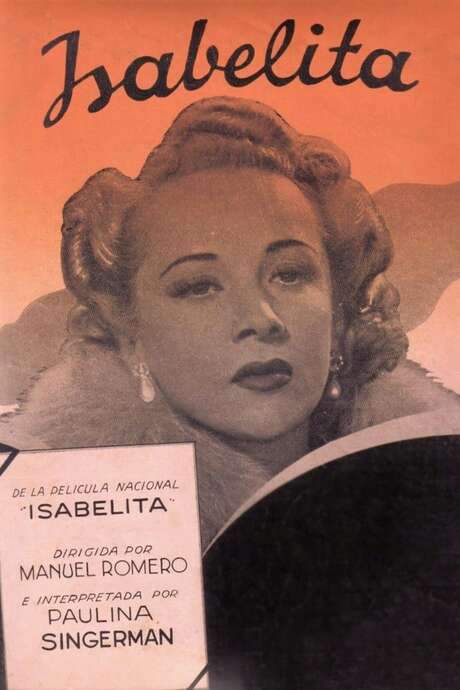 Isabelita as Galíndez · Comedy
 - 1939
 Gente bien as Medina · Music
 - 1939
 La vida es un tango as Quintana · Music
 - 1938
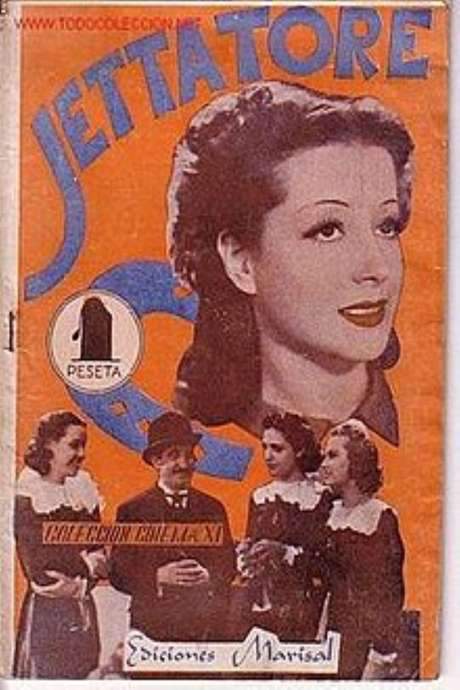 Jettatore as Carlos · Drama
 - 1938
 Mujeres que trabajan as Lorenzo Ramos · Comedy
 - 1938
 Adiós Buenos Aires as Juan Carlos · Music
 - 1936
 La muchachada de a bordo as Lucero · Comedy
 - 1935
 El día que me quieras as Rocamora · Drama
Who Is Tito Lusiardo?
Tito Lusiardo was born in Ferrol, Galicia, Spain in 1896. Credited on films since 1935, as an actor. The background, training and the roles that shaped the career.
Tito Lusiardo was a distinguished figure in the history of Argentine cinema and music, born on September 13, 1896, in Ferrol, Galicia, Spain. His journey from his native Spain to Argentina marked the beginning of an illustrious career that would span several decades and leave an indelible mark on the cultural landscape of his adopted country. Immigrating to Argentina, Lusiardo became deeply embedded in the vibrant tango scene that defined Buenos Aires in the early twentieth century. He began his film career in 1933, a pivotal moment that coincided with the rise of the Golden Age of Argentine cinema. Throughout the 1930s and 1940s, he established himself as a prominent screen presence, appearing in approximately fifty films and becoming particularly renowned for his work in tango-themed productions that celebrated the musical heritage of Argentina. His filmography from this era includes significant titles such as Idolos de la radio (1934), which showcased the intersection of radio stardom and cinema, Así es el tango (1937), a definitive work exploring the dance's cultural significance, Adiós Buenos Aires (1938), and Así te quiero (1942), each contributing to the rich tapestry of Argentina's musical film genre.
Beyond his iconic status in tango cinema, Lusiardo continued to demonstrate his versatility as a performer throughout his later career. In 1951, he expanded his international presence by appearing in the Cuban musical A La Habana me voy, showcasing his ability to transcend national boundaries while maintaining his distinctive artistic style. His contributions to film were not merely limited to acting; as a tango singer, he brought authentic musicality to his roles that resonated with audiences across generations. After more than three decades of continuous work in the entertainment industry, Lusiardo retired from film acting in 1969, leaving behind a legacy as one of the most recognizable faces of Argentina's cinematic golden era. He spent his final years in Buenos Aires, where he had built his career and life, passing away on June 25, 1982, at the age of 85. His death marked the end of an era for Argentine cinema, but his extensive body of work remains a testament to the rich cultural exchange between Spain and Argentina, and to the enduring power of tango in Latin American popular culture.
Tito Lusiardo: Questions & Answers
How many movies Tito Lusiardo has made, the biggest hit, the best-rated film, the award record and more, answered from the filmography above.
How many movies has Tito Lusiardo been in?
Tito Lusiardo is credited on 11 films, from 1935 to 1964. The filmography on this page lists every one of them, newest first, with the role and the Movie Echo Score.
What is Tito Lusiardo's newest movie?
The most recent film on Tito Lusiardo's filmography is Good Night, Buenos Aires (1964).
The Best Tito Lusiardo Movies, Ranked
Top rated, most awarded and biggest box office hits from 11 credits.
Coming soon to your phone
The Plot Explained Movie Summary App
From blockbusters to hidden gems: plot summaries, endings explained and timelines on your phone. Save your favorites and never miss a twist again.
Be the first to know when it launches. Your email stays private, always. Learn more about the app
