

Takeshi Furusawa: Movies & Box Office
- films
- 11
- on screen
- 2006–2018
- box office
- $31.8M
- Born
- October 22, 1972 (age 53)
- Citizenship
- Japanese
- Occupations
- Film director, screenwriter
- Years active
- 2004-present
The Best Takeshi Furusawa Movies
The films of Takeshi Furusawa that made the most at the worldwide box office, biggest first: Love for Beginners (2012) leads with $19.5M. The full ranking adds the most awarded films and the newest releases.
Takeshi Furusawa's Career in Numbers
Takeshi Furusawa's films in numbers — as a director, not counting appearances as themselves: when they were made, the genres Takeshi Furusawa works in most and the milestones along the way. The filmography runs from Ghost Train (2006) to Blue Summer (2018), and the 2010s were the busiest decade.
Takeshi Furusawa Movies by Decade
- 2000s 3
- 2010s 8
The 2010s were Takeshi Furusawa's busiest decade, with 8 films.
Takeshi Furusawa Movies by Genre
- Romance 6
- Horror 4
- Family 1
Romance is the genre Takeshi Furusawa has worked in most, with 6 films, ahead of horror (4).
Takeshi Furusawa Career Milestones
- First film
- Ghost Train 2006
- Biggest box office hit
- Love for Beginners $19.5M worldwide
- Newest film
- Blue Summer 2018
Takeshi Furusawa Filmography: Every Movie
Every film Takeshi Furusawa is credited on, newest first, with the role, the box office and the Movie Echo Score. Re-order the list to see the best-rated films or the biggest hits first.
- 2018
 Run! T High School Basketball Club Family
 - 2018
 Blue Summer Romance
 - 2017
 Make a Bow and Kiss Romance
 - 2017
 Love and Lies Romance Worldwide box office: $3.17M
 - 2017
 ReLIFE Romance
 - 2014
 Clover Romance Worldwide box office: $5.44M
 - 2013
 RoomMate Horror Worldwide box office: $1.83M
 - 2012
 Love for Beginners Romance Worldwide box office: $19.5M
 - 2008
 Twilight Syndrome: Dead Cruise Horror
 - 2007
 Otoshimono Horror
 - 2006
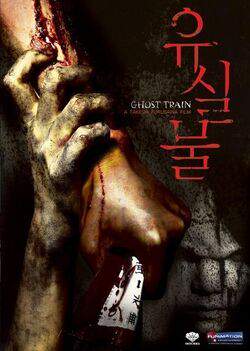
 Ghost Train Horror Worldwide box office: $1.86M
Who Is Takeshi Furusawa?
Takeshi Furusawa was born in 1972 and is 53 years old. Credited on films since 2006, as a director. The background, training and the roles that shaped the career.
Takeshi Furusawa (古澤健) is a Japanese film director and screenwriter born on 22 October 1972. He first attracted attention while still a university student, crafting 8 mm experimental works that earned him the scriptwriting award for Home Sweet Movie at the 1997 Pia Film Festival, an early accolade that signaled his talent for blending visual storytelling with tightly wound narratives. After that breakthrough he enrolled at the Film School of Tokyo in 1997, where he refined his technical skills and built connections that would shape his career. Upon graduating, Furusawa served as an assistant director to such masterful filmmakers as Kiyoshi Kurosawa, Shinji Aoyama, and Takahisa Zeze, absorbing a range of stylistic approaches from horror to avant‑garde drama. During this apprenticeship he also wrote scripts for Zeze’s Chōgokudō and Kurosawa’s Doppelganger, demonstrating his versatility in genre‑spanning screenwriting.
In 2006 Furusawa made his feature‑length directorial debut with Ghost Train, a film that combined atmospheric tension with a keen eye for character psychology, cementing his reputation as a director capable of balancing commercial appeal and artistic depth. Since then he has remained an active figure in Japanese cinema, consistently contributing both behind the camera and on the page, and his work continues to influence a new generation of filmmakers who admire his commitment to craft and narrative innovation. His career, which officially began in 2004 and persists to the present day, reflects a dedication to evolving Japanese genre filmmaking while maintaining a personal voice that is both intimate and unsettling, qualities that have become hallmarks of his cinematic oeuvre. Beyond his directorial ventures, Furusawa has contributed to the broader film community as a mentor in several workshops, guiding aspiring auteurs through the complexities of script development and low‑budget production. Critics often note his penchant for juxtaposing mundane settings with supernatural undercurrents, a technique that invites viewers to question the thin veil between reality and myth. Although his filmography remains relatively concise, each project is marked by meticulous composition, restrained yet effective use of sound, and a persistent exploration of human isolation. In interviews, Furusawa cites both classic Japanese horror and Western noir as inspirations, melding these influences into a distinct visual language that resonates with international audiences. While details of his personal life remain private, his professional legacy continues to expand, with upcoming collaborations hinted at in industry reports, suggesting that his inventive storytelling will persist well into the next decade.
Takeshi Furusawa: Questions & Answers
How many movies Takeshi Furusawa has made, the biggest hit, the best-rated film, the award record and more, answered from the filmography above.
How many movies has Takeshi Furusawa been in?
Takeshi Furusawa is credited on 11 films, from 2006 to 2018. All of them as a director. The filmography on this page lists every one of them, newest first, with the role and the Movie Echo Score.
What is Takeshi Furusawa's highest-grossing movie?
Love for Beginners (2012) is Takeshi Furusawa's biggest box office hit, with $19.5M worldwide, ahead of Clover (2014) ($5.44M). Across every film with box office figures, Takeshi Furusawa's movies have made $31.8M.
Takeshi Furusawa's biggest hits How old is Takeshi Furusawa?
Takeshi Furusawa is 53 years old, born on October 22, 1972.
What is Takeshi Furusawa's newest movie?
The most recent film on Takeshi Furusawa's filmography is Run! T High School Basketball Club (2018), which Takeshi Furusawa directed.
The Best Takeshi Furusawa Movies, Ranked
Top rated, most awarded and biggest box office hits from 11 directing credits.
Coming soon to your phone
The Plot Explained Movie Summary App
From blockbusters to hidden gems: plot summaries, endings explained and timelines on your phone. Save your favorites and never miss a twist again.
Be the first to know when it launches. Your email stays private, always. Learn more about the app
