

Sessue Hayakawa: Movies, Awards & Box Office
- films
- 29
- on screen
- 1914–2020
- box office
- $67.6M
- nominations
- 2
- Born
- June 10, 1886
- Birthplace
- Minamibōsō, Chiba, Japan
- Full name
- Kintarō Hayakawa
- Citizenship
- Japanese
- Occupations
- actor, film producer, writer
- Years active
- 1913-1967
- Spouses
- Tsuru Aoki
- Children
- 3
Sessue Hayakawa's Career in Numbers
Sessue Hayakawa's films in numbers — as an actor, not counting appearances as themselves: when they were made, the genres Sessue Hayakawa works in most and the milestones along the way. The filmography runs from The Last of the Line (1914) to Yellowface: Asian Whitewashing and Racism in Hollywood (2019), and the 1910s were the busiest decade.
Sessue Hayakawa Movies by Decade
- 1910s 8
- 1920s 1
- 1930s 4
- 1940s 2
- 1950s 5
- 1960s 2
- 2010s 1
The 1910s were Sessue Hayakawa's busiest decade, with 8 films.
Sessue Hayakawa Movies by Genre
- Drama 9
- Adventure 4
- Romance 3
- Documentary 1
- Comedy 1
- War 1
- Thriller 1
- Sci-Fi 1
- Crime 1
Drama is the genre Sessue Hayakawa has worked in most, with 9 films, ahead of adventure (4).
Sessue Hayakawa Career Milestones
- First film
- The Last of the Line 1914
- Biggest box office hit
- Swiss Family Robinson $40.4M worldwide
- Newest film
- Yellowface: Asian Whitewashing and Racism in Hollywood 2019
Sessue Hayakawa Filmography: Every Movie
Every film Sessue Hayakawa is credited on, newest first, with the role, the box office and the Movie Echo Score. Re-order the list to see the best-rated films or the biggest hits first.
Sessue Hayakawa Movies as an Actor
23- 2019
 Yellowface: Asian Whitewashing and Racism in Hollywood as (archive footage) · Documentary
 - 1966
 The Daydreamer as The Mole (voice) · Adventure
 - 1960
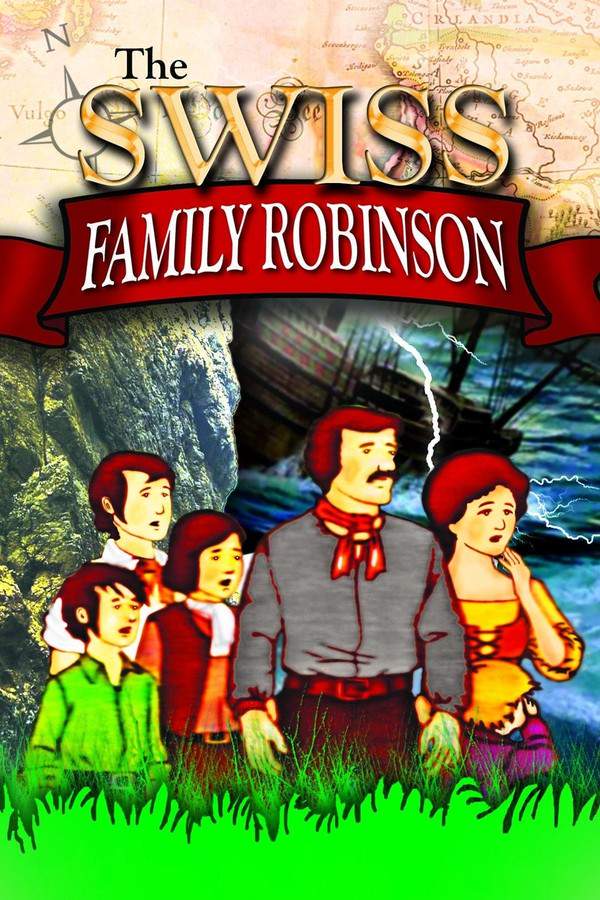 Swiss Family Robinson Adventure Worldwide box office: $40.4M
 - 1959
 Green Mansions as Runi · Adventure
 - 1958
 The Geisha Boy as Mr. Sikita · Comedy
 - 1957
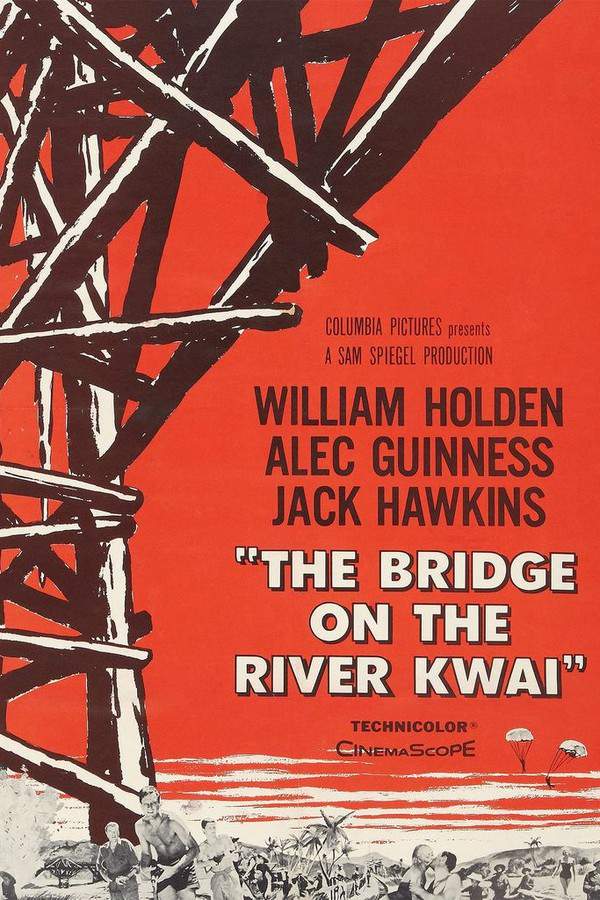 The Bridge on the River Kwai Adventure Worldwide box office: $27.2M
 - 1955
 House of Bamboo as Inspector Kito · Drama
 - 1950
 Three Came Home as Colonel Michio Suga · War
 - 1949
 Tokyo Joe as Baron Kimura · Drama Worldwide box office: $207
 - 1942
 Gambling Hell as Ying Tchaï · Thriller
 - 1937
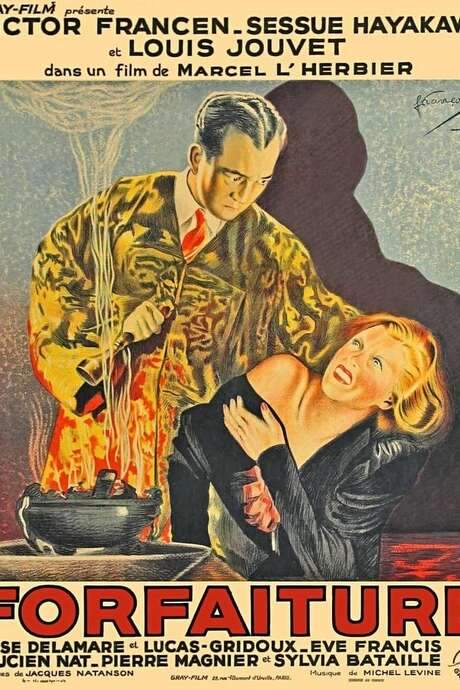 Forfaiture as Prince Hu-Long · Drama
 - 1937
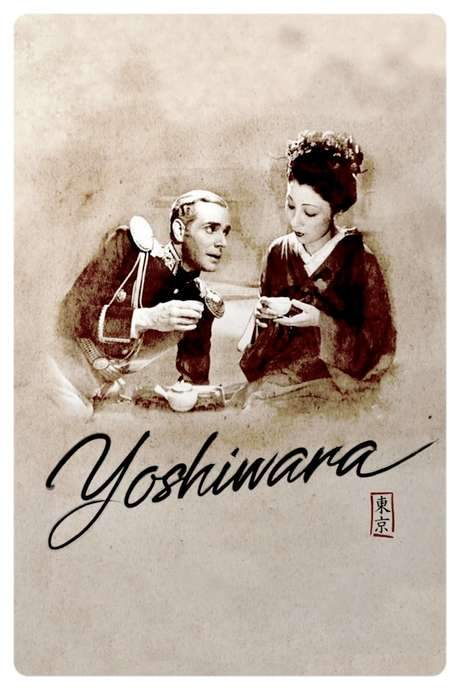 Yoshiwara as Ysamo, Kuli · Romance
 - 1937
 The Daughter of the Samurai as Iwao Yamato · Drama
 - 1931
 Daughter of the Dragon as Ah Kee · Sci-Fi
 - 1921
 Where Lights Are Low as T''Su Wong Shih · Drama
 - 1919
 The Tong Man as Luk Chen · Crime
 - 1919
 The Dragon Painter as Tatsu - the Dragon Painter · Romance
 - 1918
 His Birthright as Yukio · Drama
 - 1917
 The Secret Game as Nara-Nara · Drama
 - 1915
 The Cheat as Hishuru Tori [Haka Arakau] · Drama
 - 1914
 The Last of the Line as Tiah - Gray Otter's Son · Drama
 - 1914
 The Death Mask as Running Wolf
 - 1914
 The Wrath of the Gods as Lord Yamaki · Romance
Sessue Hayakawa in Documentaries & Specials
6- 2020
 Asian Americans as Self · Documentary
 - 2007
 Why Be Good?: Sexuality & Censorship in Early Cinema as Self (archive footage) · Documentary
 - 2002
 Swiss Family Robinson: Adventure in the Making as Self (archive) · Documentary
 - 1958
 The Rise and Fall of a Jungle Giant as Self · Documentary
 - 1931
 Around the World with Douglas Fairbanks as Self · Documentary
 - 1921
-crmfSCN1XO2ozw.jpg) Screen Snapshots (Series 1, No. 20) as Himself · Documentary
Screen Snapshots (Series 1, No. 20) as Himself · Documentary
Sessue Hayakawa: Awards & Nominations
2 nominations across 2 award bodies, from 1958 to 1958. Every ceremony is listed newest first, with the category and the film.
-
 Oscars 1 nomination
 -
 Golden Globes 1 nomination
- The 30th Academy Awards
- Sessue Hayakawa: Nominated Best Supporting Actor The Bridge on the River Kwai
- 15th Golden Globe Awards
- Sessue Hayakawa: Nominated Best Supporting Actor The Bridge on the River Kwai
Who Is Sessue Hayakawa?
Sessue Hayakawa was born in Minamibōsō, Chiba, Japan in 1886. Credited on films since 1914, as an actor. The background, training and the roles that shaped the career.
Sessue Hayakawa, born Kintarō Hayakawa on June 10, 1886 in Minamibōsō, Chiba, Japan, emerged as one of the most groundbreaking Asian stars of early Hollywood, capturing the imaginations of audiences on both sides of the Pacific. After a dramatic childhood that included a failed attempt at a naval career and even a suicide attempt, he migrated to the United States where, according to some accounts, he studied political economics at the University of Chicago before turning to acting in Little Tokyo. His stage debut in The Typhoon (1914) impressed producer Thomas H. Ince, leading to a lucrative contract with Famous Players–Lasky and catapulting him to fame with the sensational The Cheat (1915). Known for his broodingly handsome looks and a commanding presence, Hayakawa quickly became a matinée idol, earning up to $5,000 per week and later $2 million a year through his own Haworth Pictures Corporation, which produced more than twenty‑three films between 1918 and 1921. Despite his commercial success, he faced persistent type‑casting as the exotic villain or forbidden lover, a reflection of the racial attitudes of the era, and he continuously fought to portray more nuanced Japanese characters. After leaving Hollywood in 1922 because of rising anti‑Japanese sentiment, he toured Broadway, Europe, and Japan, even performing for royalty in London, before returning to American screens with Daughter of the Dragon (1931). His later career peaked with the Oscar‑nominated performance as Colonel Saito in The Bridge on the River Kwai (1957) and memorable roles in Swiss Family Robinson (1960) and The Big Wave (1961). Beyond acting, Hayakawa was a film producer, writer, and later a Zen master, dedicating his final years to teaching, painting, and writing his autobiography Zen Showed Me the Way. He passed away in Tokyo on November 23, 1973, leaving a legacy that continues to inspire Asian‑American performers and scholars alike.
Who Sessue Hayakawa Makes Movies With
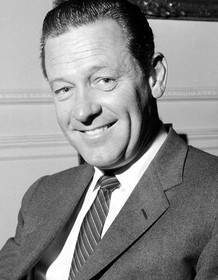
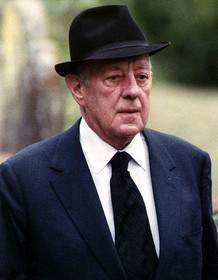
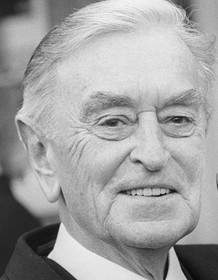
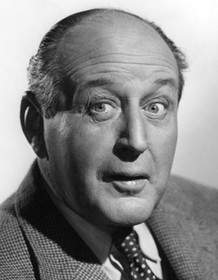
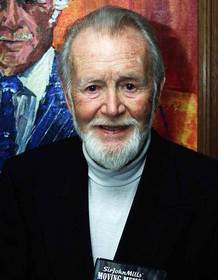
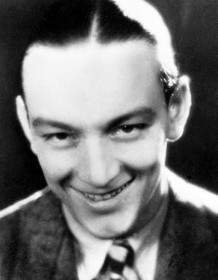
The actors and directors Sessue Hayakawa shares the most films with. William Holden comes first, with 2 films together, followed by Alec Guinness (2).
Sessue Hayakawa: Questions & Answers
How many movies Sessue Hayakawa has made, the biggest hit, the best-rated film, the award record and more, answered from the filmography above.
How many movies has Sessue Hayakawa been in?
Sessue Hayakawa is credited on 29 films, from 1914 to 2020. The filmography on this page lists every one of them, newest first, with the role and the Movie Echo Score.
What is Sessue Hayakawa's highest-grossing movie?
Swiss Family Robinson (1960) is Sessue Hayakawa's biggest box office hit, with $40.4M worldwide, ahead of The Bridge on the River Kwai (1957) ($27.2M). Across every film with box office figures, Sessue Hayakawa's movies have made $67.6M.
Sessue Hayakawa's biggest hits Has Sessue Hayakawa won an Oscar?
Sessue Hayakawa has been nominated for an Oscar but has not won one yet. Across every ceremony in the awards database, Sessue Hayakawa has 0 wins from 2 nominations.
What is Sessue Hayakawa's newest movie?
The most recent film on Sessue Hayakawa's filmography is Asian Americans (2020), in the role of Self.
Who does Sessue Hayakawa work with most often?
Sessue Hayakawa shares the most films with William Holden (2 films), Alec Guinness (2 films) and David Lean (2 films).
The Best Sessue Hayakawa Movies, Ranked
Top rated, most awarded and biggest box office hits from 29 credits.
Coming soon to your phone
The Plot Explained Movie Summary App
From blockbusters to hidden gems: plot summaries, endings explained and timelines on your phone. Save your favorites and never miss a twist again.
Be the first to know when it launches. Your email stays private, always. Learn more about the app
