

- Born
- September 21, 1910
- Birthplace
- Mississippi
- Citizenship
- American
- Occupations
- Character actor
- Years active
- 1956-1984
Napoleon Whiting's Career in Numbers
Napoleon Whiting's films in numbers — as an actor, not counting appearances as themselves: when they were made, the genres Napoleon Whiting works in most and the milestones along the way. The filmography runs from Lucky Ghost (1942) to Goldie and the Boxer (1979), and the 1970s were the busiest decade.
Napoleon Whiting Movies by Decade
- 1940s 3
- 1950s 3
- 1960s 1
- 1970s 5
The 1970s were Napoleon Whiting's busiest decade, with 5 films.
Napoleon Whiting Movies by Genre
- Drama 4
- Action 1
- Western 1
- Tv movie 1
- Romance 1
- History 1
- Thriller 1
- Mystery 1
- Comedy 1
Drama is the genre Napoleon Whiting has worked in most, with 4 films, ahead of action (1).
Napoleon Whiting Career Milestones
- First film
- Lucky Ghost 1942
- Newest film
- Goldie and the Boxer 1979
Napoleon Whiting Filmography: Every Movie
Every film Napoleon Whiting is credited on, newest first, with the role, the box office and the Movie Echo Score. Re-order the list to see the best-rated films or the biggest hits first.
- 1979
 Goldie and the Boxer as Helper · Drama
 - 1974
 Black Samson as Old Henry · Drama
 - 1974
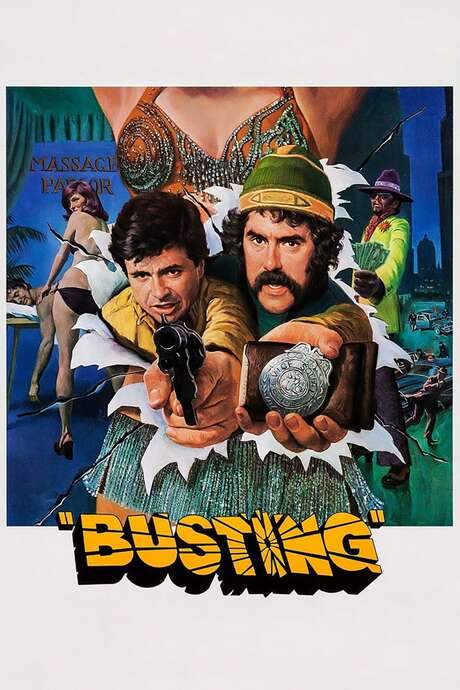 Busting as Rizzo's Butler · Action
 - 1971
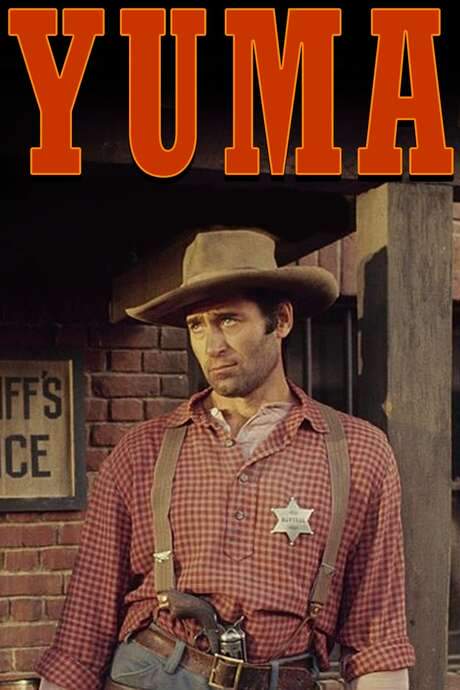 Yuma as Orderly · Western
 - 1970
 Carter’s Army as Fuzzy · Tv movie
 - 1963
 Wall of Noise as Preacher · Drama
 - 1959
 It Happened to Jane as Eugene - Waiter · Romance
 - 1951
 The Tall Target as Hawker (uncredited) · History
 - 1950
 Mystery Street as Red Cap (uncredited) · Thriller
 - 1947
 Born to Kill as Train Porter (uncredited) · Drama
 - 1945
 The Falcon in San Francisco as Pullman Porter (uncredited) · Mystery
 - 1942
 Lucky Ghost as Chauffer · Comedy
Who Is Napoleon Whiting?
Napoleon Whiting was born in Mississippi in 1910. Credited on films since 1942, as an actor. The background, training and the roles that shaped the career.
Napoleon Whiting was an American character actor whose career in Hollywood spanned several decades, establishing him as a familiar face in both cinematic and television productions despite the industry's limiting racial constraints of his era. Born on September 21, 1910, in Mississippi, Whiting entered the entertainment industry during a period when African American performers were frequently relegated to subservient and stereotypical roles, often receiving little recognition for their contributions to major motion pictures. Throughout his extensive career, he specialized in portraying menial workers and domestic servants, most notably embodying the archetype of the African American butler in numerous uncredited bit parts that nevertheless required professional consistency and presence. His most prominent cinematic appearance came in George Stevens' sweeping epic drama Giant (1956), where he portrayed a butler alongside stars Elizabeth Taylor, Rock Hudson, and James Dean, bringing quiet dignity to a role that reflected the rigid typecasting conventions prevalent in 1950s Hollywood cinema. Despite working largely in the background of productions, Whiting maintained a steady career that demonstrated his resilience and professionalism within an industry that offered limited opportunities for substantive character development to Black actors.
Beyond his film contributions, Whiting achieved his greatest television recognition through his recurring role as Silas on the popular ABC Western series The Big Valley, which aired during the 1960s. This portrayal, while falling within the servant archetype that limited many Black actors of his generation, provided Whiting with a higher degree of visibility and consistency than his fleeting film appearances typically allowed, making him a regular presence in American households during the show's run. His performance as Silas represented one of his most substantial opportunities to develop a recurring character for a broad national audience week after week. Additionally, Whiting appeared in the 1974 blaxploitation film Black Samson, demonstrating his continued relevance and presence in the evolving cinematic landscape of the 1970s. Throughout his career until his death on October 22, 1984, in Los Angeles, California, Whiting navigated the challenging terrain of Hollywood's racial stereotypes with professionalism, working steadily in an industry that often failed to recognize the full humanity and range of Black performers, yet his perseverance ensured his lasting presence in American entertainment history.
Napoleon Whiting: Questions & Answers
How many movies Napoleon Whiting has made, the biggest hit, the best-rated film, the award record and more, answered from the filmography above.
How many movies has Napoleon Whiting been in?
Napoleon Whiting is credited on 12 films, from 1942 to 1979. The filmography on this page lists every one of them, newest first, with the role and the Movie Echo Score.
What is Napoleon Whiting's newest movie?
The most recent film on Napoleon Whiting's filmography is Goldie and the Boxer (1979), in the role of Helper.
The Best Napoleon Whiting Movies, Ranked
Top rated, most awarded and biggest box office hits from 12 credits.
Coming soon to your phone
The Plot Explained Movie Summary App
From blockbusters to hidden gems: plot summaries, endings explained and timelines on your phone. Save your favorites and never miss a twist again.
Be the first to know when it launches. Your email stays private, always. Learn more about the app
