

- Born
- July 7, 1910
- Birthplace
- Tokyo, Japan
- Full name
- Junjirō Fujima
- Citizenship
- Japanese
- Occupations
- kabuki actor, actor
- Years active
- 1926-1981
- Children
- 2
Matsumoto Hakuō I's Career in Numbers
Matsumoto Hakuō I's films in numbers — as an actor, not counting appearances as themselves: when they were made, the genres Matsumoto Hakuō I works in most and the milestones along the way. The filmography runs from Chûshingura (1962) to Bandits vs. Samurai Squadron (1978), and the 1960s were the busiest decade.
Matsumoto Hakuō I Movies by Decade
- 1960s 4
- 1970s 1
The 1960s were Matsumoto Hakuō I's busiest decade, with 4 films.
Matsumoto Hakuō I Movies by Genre
- Drama 2
- War 1
- Action 1
- History 1
Drama is the genre Matsumoto Hakuō I has worked in most, with 2 films, ahead of war (1).
Matsumoto Hakuō I Career Milestones
- First film
- Chûshingura 1962
- Newest film
- Bandits vs. Samurai Squadron 1978
Matsumoto Hakuō I Filmography: Every Movie
Every film Matsumoto Hakuō I is credited on, newest first, with the role, the box office and the Movie Echo Score. Re-order the list to see the best-rated films or the biggest hits first.


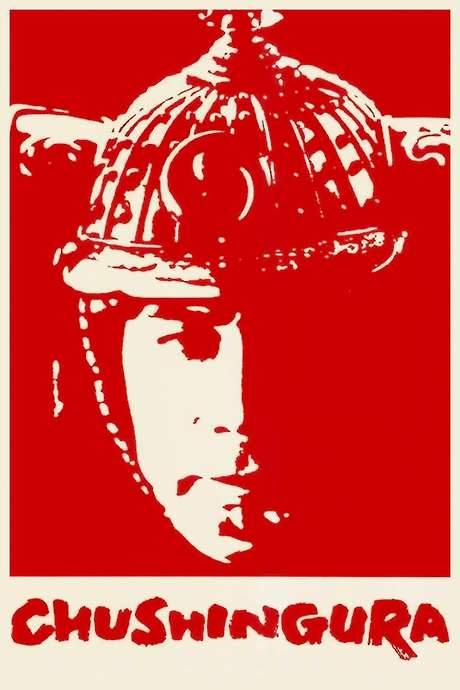
Who Is Matsumoto Hakuō I?
Matsumoto Hakuō I was born in Tokyo, Japan in 1910. Credited on films since 1962, as an actor. The background, training and the roles that shaped the career.
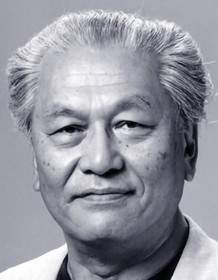
Matsumoto Hakuō I (初代 松本 白鸚, Shodai Matsumoto Hakuō), born Junjirō Fujima (藤間 順次郎) on 7 July 1910 in Tokyo, Japan, was one of the most distinguished kabuki actors of the twentieth century. Born into a legendary theatrical dynasty, he was the son of Matsumoto Kōshirō VII, making him a part of the prestigious Kōraiya guild. His brothers, Ichikawa Danjūrō XI and Onoe Shōroku II, were also celebrated kabuki performers, and he was the son-in-law of Nakamura Kichiemon I, further cementing his place within Japan's theatrical elite. He made his first stage appearance in 1925 at the age of fifteen under the name Matsumoto Sumizō II, and in 1931, he adopted the name Ichikawa Somegorō V. Throughout his career, he would hold several stage names, a traditional practice among kabuki actors, and would often be referred to by his guild name Kōraiya during performances. In 1949, following the death of his father, he inherited the prestigious name Matsumoto Kōshirō VIII during a shūmei ceremony held at the Kabuki-za in Tokyo. Regarded as the leading tachiyaku (specialist in male roles) of the postwar decades, Hakuō's career spanned from 1926 to 1981 and included a wide range of performances both on stage and on screen. His notable kabuki roles included Matsuōmaru in Sugawara Denju Tenarai Kagami, Kumagai Naozane in Kumagai Jinya, and Ōtomo Kuronushi in Tsumoru Koi Yuki no Seki no To. Beyond traditional kabuki, he appeared in numerous jidaigeki (samurai period films), most notably portraying Emperor Hirohito in Japan's Longest Day (1967) alongside Toshirō Mifune, and Ii Naosuke in Samurai Assassin (1965). His contributions to Japanese culture were formally recognized with the Medal with Purple Ribbon in 1972, the prestigious designation of Living National Treasure in 1975, Person of Cultural Merit in 1978, and finally the Order of Culture in 1981. He retired that same year, taking on the retirement name Hakuō and passing the name Kōshirō to his son. He passed away on 11 January 1982 in Tokyo, leaving behind a legacy as a true master of kabuki and a guardian of traditional Japanese performing arts. His sons, Nakamura Kichiemon II and Matsumoto Hakuō II (formerly Matsumoto Kōshirō IX), as well as his grandson Ichikawa Somegorō VII (currently Matsumoto Kōshirō X), continued his theatrical lineage.
Who Matsumoto Hakuō I Makes Movies With
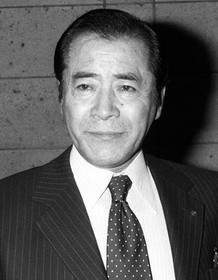
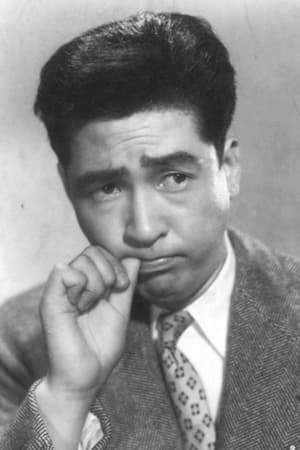
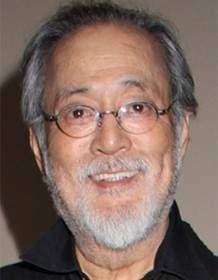
The actors and directors Matsumoto Hakuō I shares the most films with. Toshirô Mifune comes first, with 4 films together, followed by Keiju Kobayashi (3).
Matsumoto Hakuō I: Questions & Answers
How many movies Matsumoto Hakuō I has made, the biggest hit, the best-rated film, the award record and more, answered from the filmography above.
How many movies has Matsumoto Hakuō I been in?
Matsumoto Hakuō I is credited on 5 films, from 1962 to 1978. The filmography on this page lists every one of them, newest first, with the role and the Movie Echo Score.
What is Matsumoto Hakuō I's newest movie?
The most recent film on Matsumoto Hakuō I's filmography is Bandits vs. Samurai Squadron (1978), in the role of Kuranosuke Tsuji.
Who does Matsumoto Hakuō I work with most often?
Matsumoto Hakuō I shares the most films with Toshirô Mifune (4 films), Keiju Kobayashi (3 films) and Tatsuya Nakadai (3 films).
Coming soon to your phone
The Plot Explained Movie Summary App
From blockbusters to hidden gems: plot summaries, endings explained and timelines on your phone. Save your favorites and never miss a twist again.
Be the first to know when it launches. Your email stays private, always. Learn more about the app
