

- Born
- November 22, 1901
- Birthplace
- Warsaw, Poland
- Citizenship
- Polish
- Occupations
- Screenwriter, film director
- Years active
- 1928-1970
Józef Lejtes's Career in Numbers
Józef Lejtes's films in numbers — as a director, not counting appearances as themselves: when they were made, the genres Józef Lejtes works in most and the milestones along the way. The filmography runs from Córka generała Pankratowa (1934) to Granica (1938).
Józef Lejtes Movies by Decade
- 1930s 5
Józef Lejtes Movies by Genre
- Drama 3
- Romance 1
Drama is the genre Józef Lejtes has worked in most, with 3 films, ahead of romance (1).
Józef Lejtes Career Milestones
- First film
- Córka generała Pankratowa 1934
- Newest film
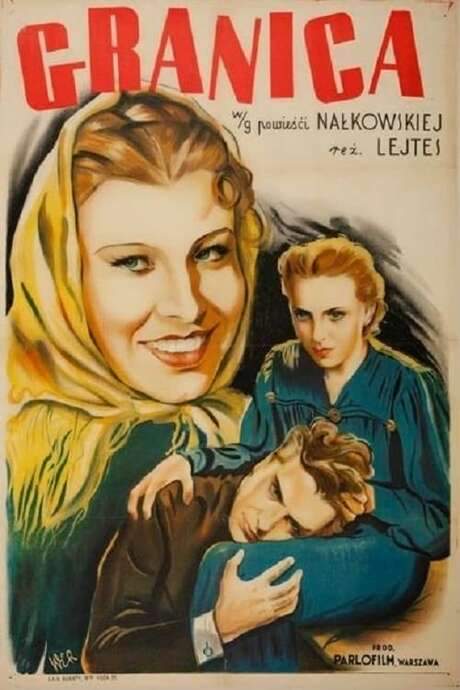
- Granica 1938
Józef Lejtes Filmography: Every Movie
Every film Józef Lejtes is credited on, newest first, with the role, the box office and the Movie Echo Score. Re-order the list to see the best-rated films or the biggest hits first.


Who Is Józef Lejtes?
Józef Lejtes was born in Warsaw, Poland in 1901. Credited on films since 1934, as a director. The background, training and the roles that shaped the career.
Józef Lejtes was born on 22 November 1901 in Warsaw, then part of the Russian‑ruled Kingdom of Poland, and grew up during a turbulent era that shaped his cinematic vision. After studying law at the University of Warsaw, he turned to the emerging film industry, quickly establishing himself as a prolific screenwriter and director. His debut feature, the silent drama Huragan (1928), announced a talent for blending historical themes with intimate character studies, a pattern that continued through the 1930s with works such as Dzikie pola (1932) and the historical epic Barbara Radziwiłłówna (1936). Lejtes’ films often explored Polish national identity, moral dilemmas, and social change, earning him a reputation as one of the leading auteurs of interwar Polish cinema. When World War II erupted, Lejtes fled the Nazi‑occupied homeland, first finding refuge in the British‑mandated Palestine, where he joined the burgeoning Israeli film scene. There he directed My Father’s House (1947) and Wielka obietnica (1947), pioneering narratives that grappled with displacement, Zionist aspirations, and the trauma of the Holocaust. His ability to navigate different cultural contexts led him to the United States in the early 1950s, where he continued to work under both his native and anglicized names, producing features such as The Faithful City (1952) and the thriller The Counterfeit Killer (1968). Throughout a career that spanned more than four decades—from his first credit in 1928 to his final film in 1970—Lejtes demonstrated remarkable adaptability, moving from silent epics to sound dramas, from Polish folklore to Israeli pioneering stories, and finally to genre cinema in Hollywood. His legacy endures not only in the surviving prints of his early Polish masterpieces but also in the transnational influence he exerted on filmmakers who followed, illustrating the power of cinema to transcend borders and historical upheavals. Lejtes died on 27 May 1983 in Santa Monica, California, leaving behind a diverse body of work that continues to be studied by scholars of European and Jewish film history.
Józef Lejtes: Questions & Answers
How many movies Józef Lejtes has made, the biggest hit, the best-rated film, the award record and more, answered from the filmography above.
How many movies has Józef Lejtes been in?
Józef Lejtes is credited on 5 films, from 1934 to 1938. All of them as a director. The filmography on this page lists every one of them, newest first, with the role and the Movie Echo Score.
What is Józef Lejtes's newest movie?
The most recent film on Józef Lejtes's filmography is Granica (1938), which Józef Lejtes directed.
Coming soon to your phone
The Plot Explained Movie Summary App
From blockbusters to hidden gems: plot summaries, endings explained and timelines on your phone. Save your favorites and never miss a twist again.
Be the first to know when it launches. Your email stays private, always. Learn more about the app
