

- Born
- November 25, 1904
- Birthplace
- Thorn, German Empire
- Full name
- Helena Gross
- Citizenship
- Polish
- Occupations
- Actress, dancer, choreographer
- Years active
- 1926-1967
- Spouses
- Jan Gierszał, Tadeusz Cieśliński
Helena Grossówna's Career in Numbers
Helena Grossówna's films in numbers — as an actor, not counting appearances as themselves: when they were made, the genres Helena Grossówna works in most and the milestones along the way. The filmography runs from Dymsza na wojnie (1936) to Unloved (1966), and the 1930s were the busiest decade.
Helena Grossówna Movies by Decade
- 1930s 5
- 1960s 4
The 1930s were Helena Grossówna's busiest decade, with 5 films.
Helena Grossówna Movies by Genre
- Comedy 3
- Romance 1
- Crime 1
- Fantasy 1
- Drama 1
- War 1
Comedy is the genre Helena Grossówna has worked in most, with 3 films, ahead of romance (1).
Helena Grossówna Career Milestones
- First film
- Dymsza na wojnie 1936
- Newest film
- Unloved 1966
Helena Grossówna Filmography: Every Movie
Every film Helena Grossówna is credited on, newest first, with the role, the box office and the Movie Echo Score. Re-order the list to see the best-rated films or the biggest hits first.
- 1966
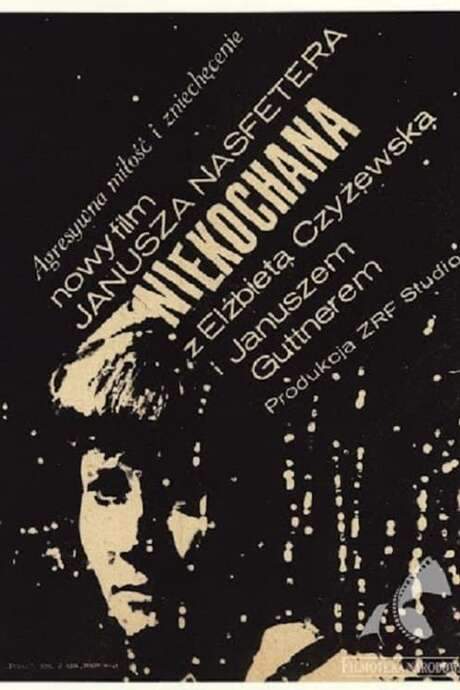 Unloved Romance
 - 1963
 The Criminal and the Lady as Receptionist · Crime
 - 1962
 The Two Who Stole the Moon as Mother · Fantasy
 - 1960
 Coloured Stockings as Maria (segment "Matylda") · Drama
 - 1939
 The Vagabonds as Wańdzia · Comedy
 - 1938
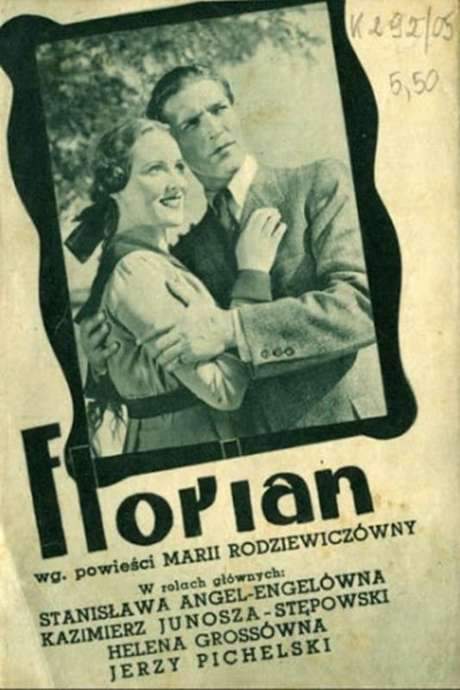 Florian as Łusia, córka organisty
 - 1938
 Zapomniana melodia as Helenka Roliczówna · Comedy
 - 1938
 Paweł & Gaweł as Violetta Bellami · Comedy
 - 1936
 Dymsza na wojnie as Zuzia · War
Who Is Helena Grossówna?
Helena Grossówna was born in Thorn, German Empire in 1904. Credited on films since 1936, as an actor. The background, training and the roles that shaped the career.
Helena Grossówna was a renowned Polish actress and dancer who emerged as one of the most captivating stars of pre-war Polish cinema, leaving an indelible mark on the cultural landscape of her era. Born on November 25, 1904, in Thorn (Toruń) in the German Empire, she was the daughter of Leonard Gross, a German butcher, and Valeria Winiawska, a Polish widow who single-handedly raised four children including Helena. She began her artistic journey in 1924, initially appearing as an extra in the operetta The Csárdás Princess at the Municipal Theater in Toruń, though she later cited her official debut as a dancer in Stanisława Wysocka's production of A Midsummer Night's Dream. After graduating from the associated ballet school in 1926, she spent two seasons performing in Toruń before relocating to Paris in 1928 to refine her craft under the tutelage of legendary Russian ballerinas of Polish descent, Matylda Krzesińska and Bronisława Niżyńska. During her Parisian sojourn, she married Jan Gierszał, a wealthy businessman and art patron, and the couple settled in a property previously owned by Hollywood icon Pola Negri. It was in Paris that Grossówna etched her name in cinematic history by speaking the first words ever officially recorded in Polish on a sound film, during the production of The Doctor's Secret in June 1930, a Paramount Pictures project filmed near the French capital.
Upon returning to Poland in 1931, Grossówna served as a prima ballerina at the Teatr Wielki in Poznań and later worked as a choreographer in Bydgoszcz before establishing herself in Warsaw's vibrant entertainment scene in 1935, performing in renowned cabarets such as Cyrulik Warszawski and Małe Qui pro quo. Between 1935 and 1939, she starred in seventeen films, becoming one of the most beloved icons of Polish cinema, frequently appearing alongside legends such as Eugeniusz Bodo in Piętro wyżej (1937) and Adolf Dymsza in Paweł i Gaweł (1938), where she immortalized the lullaby "Ach, śpij kochanie." Her ethereal beauty, characterized by the press as embodying a "Venus type" with perfect oval features and dreamy eyes, earned her the title of Warsaw's most beautiful smile in a Gazeta Codzienna poll. The outbreak of World War II interrupted her planned American tour and film adaptations, plunging her instead into the brutal reality of occupation, where she worked as a waitress while serving as a lieutenant in the Polish underground. During the 1944 Warsaw Uprising, she commanded a women's section of the "Sokół" battalion with distinction, surviving deportation to POW camps at Gross-Lübars and Stalag VI-C in Oberlangen before being liberated by the Polish 1st Armoured Division in April 1945. After the war, she joined the Warsaw theatre Syrena in 1948, continuing her stage work until her retirement in 1964, and remaining an enduring symbol of Polish cultural resilience until her death in Warsaw on July 1, 1994.
Helena Grossówna: Questions & Answers
How many movies Helena Grossówna has made, the biggest hit, the best-rated film, the award record and more, answered from the filmography above.
How many movies has Helena Grossówna been in?
Helena Grossówna is credited on 9 films, from 1936 to 1966. The filmography on this page lists every one of them, newest first, with the role and the Movie Echo Score.
What is Helena Grossówna's newest movie?
The most recent film on Helena Grossówna's filmography is Unloved (1966).
The Best Helena Grossówna Movies, Ranked
Top rated, most awarded and biggest box office hits from 9 credits.
Coming soon to your phone
The Plot Explained Movie Summary App
From blockbusters to hidden gems: plot summaries, endings explained and timelines on your phone. Save your favorites and never miss a twist again.
Be the first to know when it launches. Your email stays private, always. Learn more about the app
