

- Born
- May 27, 1899
- Birthplace
- Málaga, Spain
- Citizenship
- German
- Occupations
- Stage actor, Film actor
- Years active
- 1920-1945
Hans Brausewetter's Career in Numbers
Hans Brausewetter's films in numbers — as an actor, not counting appearances as themselves: when they were made, the genres Hans Brausewetter works in most and the milestones along the way. The filmography runs from The Jew of Mestri (1923) to Die Fledermaus (1946), and the 1940s were the busiest decade.
Hans Brausewetter Movies by Decade
- 1920s 3
- 1930s 2
- 1940s 4
The 1940s were Hans Brausewetter's busiest decade, with 4 films.
Hans Brausewetter Movies by Genre
- Drama 4
- Fantasy 2
- Comedy 1
- Romance 1
- History 1
Drama is the genre Hans Brausewetter has worked in most, with 4 films, ahead of fantasy (2).
Hans Brausewetter Career Milestones
- First film
- The Jew of Mestri 1923
- Newest film
- Die Fledermaus 1946
Hans Brausewetter Filmography: Every Movie
Every film Hans Brausewetter is credited on, newest first, with the role, the box office and the Movie Echo Score. Re-order the list to see the best-rated films or the biggest hits first.
Hans Brausewetter Movies as an Actor
9- 1946
 Die Fledermaus as Tenor Alfred Melzer · Comedy
 - 1944
 The Enchanted Day as Bahnhofsvorsteher Wasner · Drama
 - 1943
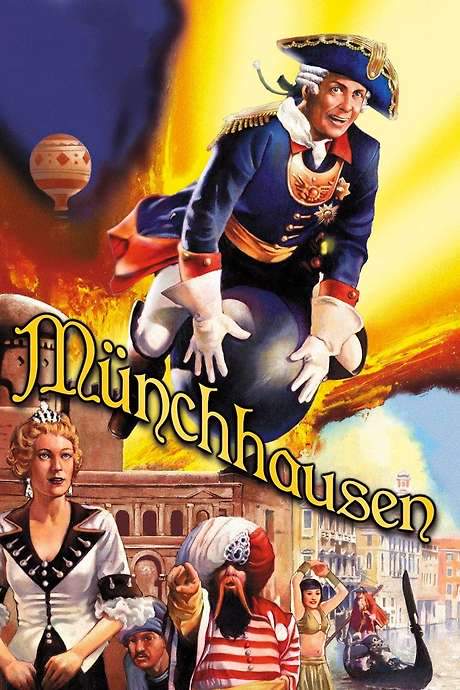 Münchhausen as Freiherr von Hartenfeld · Fantasy
 - 1943
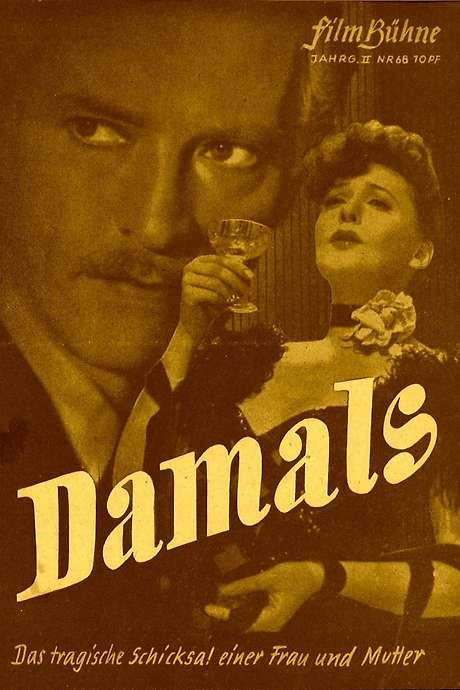 Damals as Corbeau, Friseur · Romance
 - 1931
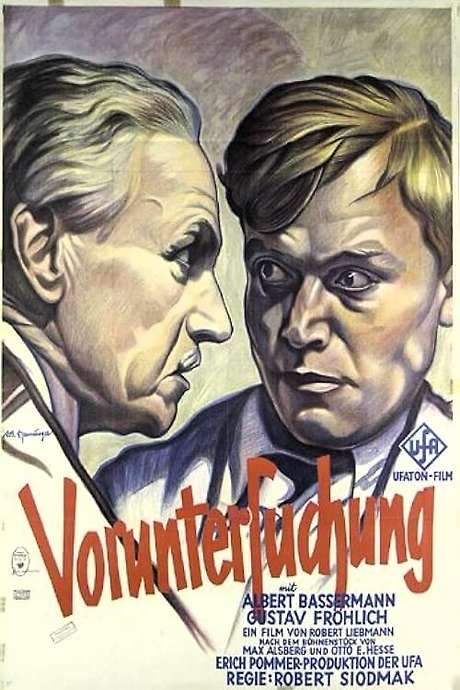 Inquest as Walter Bienert, Beinerts Sohn, Student · Drama
 - 1930
 The Flute Concert of Sans-souci as Korrespondent · History
 - 1928
 Verdun: Visions of History as The German soldier · Drama
 - 1926
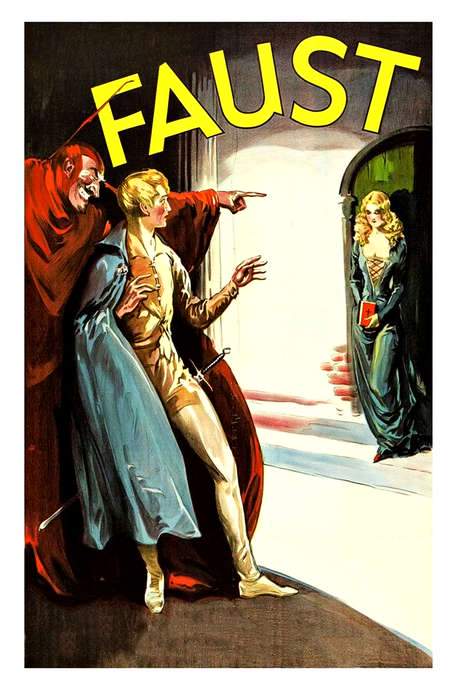 Faust as Farmboy (uncredited) · Fantasy
 - 1923
 The Jew of Mestri as Lanzelot Gobbo (Elias) · Drama
Hans Brausewetter in Documentaries & Specials
1
Who Is Hans Brausewetter?
Hans Brausewetter was born in Málaga, Spain in 1899. Credited on films since 1923, as an actor. The background, training and the roles that shaped the career.
Hans Brausewetter was a distinguished German stage and film actor whose career spanned the volatile years of the early twentieth century, leaving an indelible mark on the cinema of the Weimar Republic and beyond. Born on May 27, 1899, in the sun-drenched coastal city of Málaga, Spain, Brausewetter entered the world with an international heritage that would later contrast with his deeply Germanic artistic identity. Despite his Spanish birthplace, he developed a profound connection to German culture and the performing arts, ultimately establishing himself as one of the most recognizable faces in the burgeoning German film industry. His journey into acting began on the theatrical stage, where he honed his craft before transitioning to the silver screen during the silent film era, a period that demanded expressive physicality and nuanced facial performances. By the early 1920s, he had begun his cinematic career, quickly demonstrating a remarkable versatility that allowed him to inhabit a wide range of characters, from comedic roles to dramatic leads. His dedication to his craft was evident in his rapid ascent within the industry, as he became a sought-after performer during one of the most vibrant and experimental periods in German cinema history.
Throughout his extensive career, which lasted from 1920 until his untimely death in 1945, Brausewetter appeared in an impressive catalogue of over 130 films, showcasing his remarkable endurance and popularity among audiences and directors alike. Among his most significant early works was his appearance in Georg Wilhelm Pabst's 1923 film The Treasure, a landmark production that demonstrated the artistic potential of German cinema during the silent era. Brausewetter's filmography reads as a chronicle of German film history, encompassing everything from historical epics and literary adaptations to contemporary comedies and dramas. He worked tirelessly through the 1920s and 1930s, adapting his performances to the transition from silent films to talkies, and continued working even during the turbulent years of World War II. Tragically, his life and career were cut short on April 29, 1945, when he sustained fatal injuries from a bomb blast in Berlin during the final, chaotic days of the Second World War. His death occurred just weeks before Germany's surrender, ending the life of an artist who had dedicated twenty-five years to entertaining and moving audiences. Several of his final performances were released posthumously, including Die Fledermaus (1946), ensuring that his artistic legacy would survive even as the world that shaped his career came to an end.
Hans Brausewetter: Questions & Answers
How many movies Hans Brausewetter has made, the biggest hit, the best-rated film, the award record and more, answered from the filmography above.
How many movies has Hans Brausewetter been in?
Hans Brausewetter is credited on 10 films, from 1923 to 1946. The filmography on this page lists every one of them, newest first, with the role and the Movie Echo Score.
What is Hans Brausewetter's newest movie?
The most recent film on Hans Brausewetter's filmography is Die Fledermaus (1946), in the role of Tenor Alfred Melzer.
The Best Hans Brausewetter Movies, Ranked
Top rated, most awarded and biggest box office hits from 10 credits.
Coming soon to your phone
The Plot Explained Movie Summary App
From blockbusters to hidden gems: plot summaries, endings explained and timelines on your phone. Save your favorites and never miss a twist again.
Be the first to know when it launches. Your email stays private, always. Learn more about the app
