

- Born
- April 19, 1885
- Birthplace
- Érsekújvár, Austria-Hungary
- Citizenship
- Hungarian
- Occupations
- Actor, comedian
- Years active
- 1904-1972
- Spouses
- Lili Berky
Gyula Gózon's Career in Numbers
Gyula Gózon's films in numbers — as an actor, not counting appearances as themselves: when they were made, the genres Gyula Gózon works in most and the milestones along the way. The filmography runs from Hyppolit, the Butler (1931) to Skylark (1963), and the 1930s were the busiest decade.
Gyula Gózon Movies by Decade
- 1930s 5
- 1940s 1
- 1950s 3
- 1960s 1
The 1930s were Gyula Gózon's busiest decade, with 5 films.
Gyula Gózon Movies by Genre
- Comedy 6
- Drama 2
- Romance 1
Comedy is the genre Gyula Gózon has worked in most, with 6 films, ahead of drama (2).
Gyula Gózon Career Milestones
- First film
- Hyppolit, the Butler 1931
- Newest film
- Skylark 1963
Gyula Gózon Filmography: Every Movie
Every film Gyula Gózon is credited on, newest first, with the role, the box office and the Movie Echo Score. Re-order the list to see the best-rated films or the biggest hits first.
- 1963
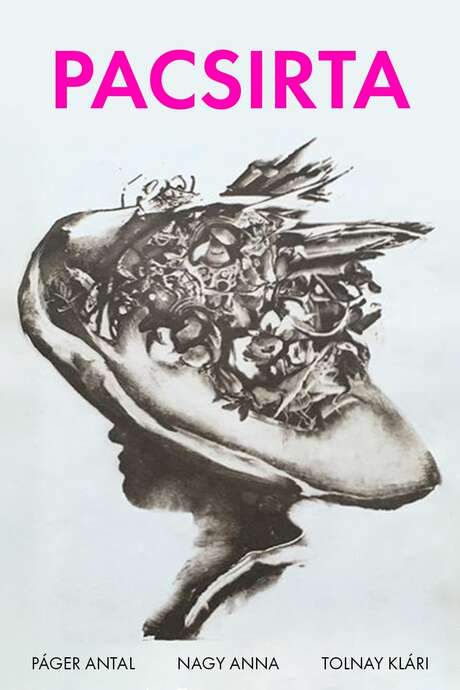 Skylark as Pincér · Drama
 - 1957
 The Football Star as Miniszterelnök · Comedy
 - 1953
 Young at Heart as Dani nagypapa · Comedy
 - 1953
 The State Department Store as Bezzegh bácsi · Comedy
 - 1940
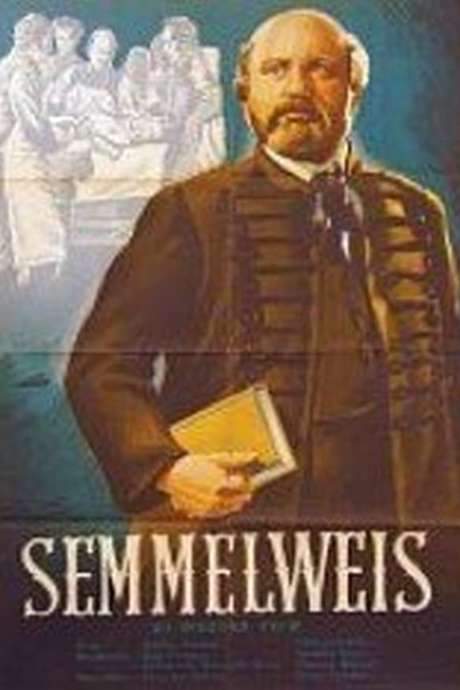 Semmelweis
 - 1938
 The Lady is a Little Crazy as Tormássy, vezér · Comedy
 - 1937
 Lovagias ügy as Müller úr · Comedy
 - 1934
 The Dream Car as Kovács papa · Comedy
 - 1932
 Spring Shower as Café Guest · Drama
 - 1931
 Hyppolit, the Butler as Makáts · Romance
Who Is Gyula Gózon?
Gyula Gózon was born in Érsekújvár, Austria-Hungary in 1885. Credited on films since 1931, as an actor. The background, training and the roles that shaped the career.
Gyula Gózon was born on 19 April 1885 in Érsekújvár, Austria-Hungary, though he spent his formative years in Esztergom, where his passion for performance first took root. With the crucial mentoring of his brother, he pursued formal training at the prestigious actor school of Szidi Rákosi in Budapest, initially focusing on becoming a singer actor. Upon graduation, Gózon embarked on the grueling life of a touring performer in southern Hungary, enduring harsh conditions and frequently changing locations and repertory, which ironically allowed him to develop his prosaic capabilities—skills notably absent from Rákosi's vocal-centric curriculum. His persistence paid off when Miklós Erdélyi, director of Oradea's theater, discovered him after performances in Târgu Mureş and Miercurea Ciuc, offering him a contract in 1904 that would anchor him for six transformative years. It was during this period in Oradea that he forged an unbreakable bond with fellow actor Gyula Kabos, establishing a lifelong comradeship and comedic partnership that would define both their careers. In 1912, Gózon transitioned to the vibrant Budapest cabaret scene, joining Endre Nagy's newly forming Cabaret at the Apolló theatre, followed by engagements at the Népopera and Király Theatre, before making his cinematic debut in the 1914 silent film A becsapott újságíró.
In 1917, Gózon married actress Lili Berky, and together they launched the Muskátli Cabaret, frequently sharing the stage until the venture's closure in 1920. He subsequently joined the Belvárosi Theatre in 1927 and the Új Theatre two years later, while maintaining his film career, notably appearing alongside Kabos in Kék Bálvány, Hungary's first major motion picture, and starring in early domestic hits such as Hyppolit a lakáj and Meseautó. By 1935, both he and his wife secured contracts with the prestigious National Theatre, though the rising tide of anti-Semitic legislation led to his banishment from work in 1941, forcing him into hiding at his Rákosliget home throughout World War II. Following the war, he made a triumphant return to the National Theatre in 1945, enjoying a remarkable second flowering that lasted nearly a decade until his wife's death in 1958 precipitated a decline in his health. Gózon passed away on 8 October 1972 at the age of 87, leaving behind a legacy as one of Hungary's most versatile entertainers, having successfully navigated the shifting political landscapes of the Monarchy, the Horthy regime, and Communist rule. His extensive filmography encompasses over 90 films, spanning from the silent era to the 1960s, and his contributions to Hungarian cabaret earned him the Kossuth Prize in 1954, while his former residence now houses the Gózon Gyula Repertory Theater, opened in 2005 to honor his enduring cultural impact.
Gyula Gózon: Questions & Answers
How many movies Gyula Gózon has made, the biggest hit, the best-rated film, the award record and more, answered from the filmography above.
How many movies has Gyula Gózon been in?
Gyula Gózon is credited on 10 films, from 1931 to 1963. The filmography on this page lists every one of them, newest first, with the role and the Movie Echo Score.
What is Gyula Gózon's newest movie?
The most recent film on Gyula Gózon's filmography is Skylark (1963), in the role of Pincér.
The Best Gyula Gózon Movies, Ranked
Top rated, most awarded and biggest box office hits from 10 credits.
Coming soon to your phone
The Plot Explained Movie Summary App
From blockbusters to hidden gems: plot summaries, endings explained and timelines on your phone. Save your favorites and never miss a twist again.
Be the first to know when it launches. Your email stays private, always. Learn more about the app
