

Francesca Bertini: Movies & Box Office
- films
- 11
- on screen
- 1910–1999
- box office
- $1.11K
- Born
- January 5, 1892
- Birthplace
- Prato, Kingdom of Italy
- Full name
- Elena Seracini Vitiello
- Citizenship
- Italian
- Occupations
- Actress
- Years active
- 1909-1976
- Spouses
- Paul Cartier
Francesca Bertini's Career in Numbers
Francesca Bertini's films in numbers — as an actor, not counting appearances as themselves: when they were made, the genres Francesca Bertini works in most and the milestones along the way. The filmography runs from King Lear (1910) to Diva Dolorosa (1999), and the 1910s were the busiest decade.
Francesca Bertini Movies by Decade
- 1910s 8
- 1950s 1
- 1970s 1
- 1990s 1
The 1910s were Francesca Bertini's busiest decade, with 8 films.
Francesca Bertini Movies by Genre
- Drama 8
- Documentary 1
- Comedy 1
- Romance 1
Drama is the genre Francesca Bertini has worked in most, with 8 films, ahead of documentary (1).
Francesca Bertini Career Milestones
- First film
- King Lear 1910
- Biggest box office hit
- 1900 $1.11K worldwide
- Newest film
- Diva Dolorosa 1999
Francesca Bertini Filmography: Every Movie
Every film Francesca Bertini is credited on, newest first, with the role, the box office and the Movie Echo Score. Re-order the list to see the best-rated films or the biggest hits first.
- 1999
 Diva Dolorosa Documentary
 - 1977
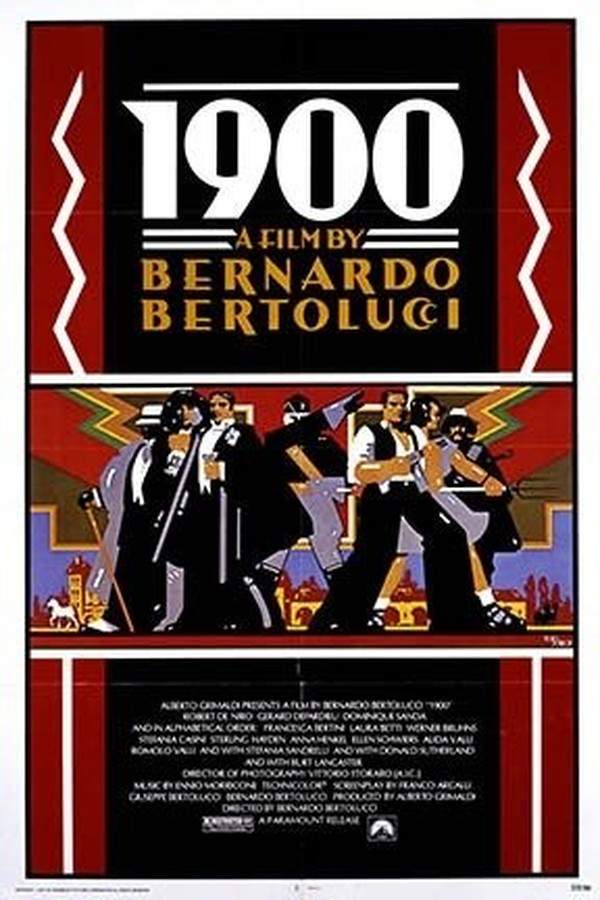 1900 Drama Worldwide box office: $1.11K
 - 1953
 The Suitcase of Dreams Comedy
 - 1918
 Mariute Drama
 - 1915
 The Lady of the Camellias as Margherita Gauthier · Romance
 - 1915
 Assunta Spina as Assunta Spina · Drama
 - 1914
 Blue Blood Drama
 - 1914
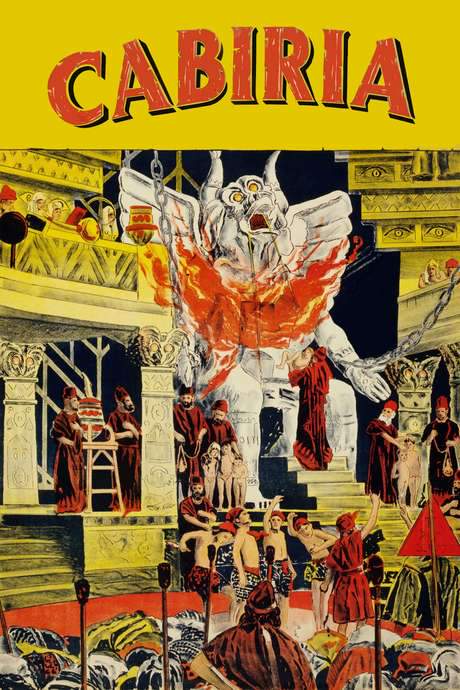 Cabiria Drama
 - 1911
 The Merchant of Venice as Jessica · Drama
 - 1910
 King Lear as Cordelia · Drama
 - 1910
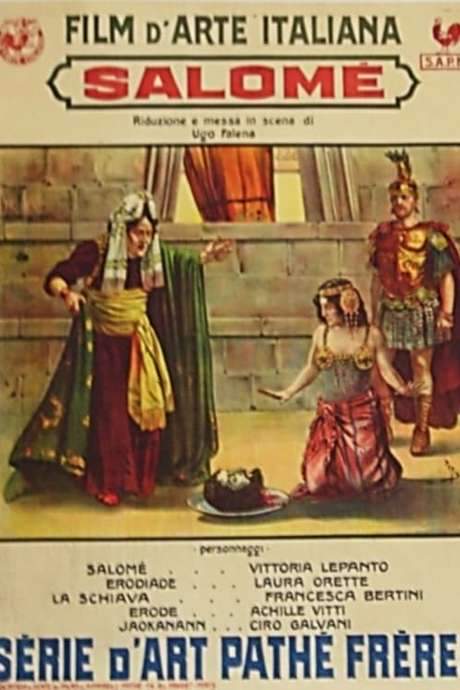 Salomé as La schiava · Drama
Who Is Francesca Bertini?
Francesca Bertini was born in Prato, Kingdom of Italy in 1892. Credited on films since 1910, as an actor. The background, training and the roles that shaped the career.
Francesca Bertini (born Elena Seracini Vitiello on 5 January 1892 in Prato, Kingdom of Italy) began her life in modest circumstances, registered at an orphanage as Elena Taddei before her mother, Adelina di Venanzio Fratiglioni, married Arturo Vitiello in 1910. From a young age she displayed a magnetic stage presence, joining theatrical troupes and stepping in front of the camera at the tender age of seventeen as Italian cinema was just finding its footing. By 1915 she had already appeared in more than fifty productions, including the groundbreaking melodrama Assunta Spina, where she not only embodied the titular heroine but also claimed responsibility for the film’s script and, according to some contemporary accounts, its direction—an early assertion of artistic agency that foreshadowed the auteur era. Bertini’s striking beauty, elegant bearing, and intensely expressive acting set her apart, allowing her to convey both the languid decadence of aristocratic heroines and the raw, everyday emotions of common women, a duality that made her a pioneer of realism in a medium then dominated by theatrical exaggerations. Her repertoire spanned iconic roles such as Odette, Fedora, Tosca, and the Lady of the Camellias, each performance reinforcing her reputation as one of the most successful silent film stars of the early twentieth‑century. Critics note her ability to infuse authentic feeling into every gesture, an approach that anticipated the later Neorealist movement.
In 1920 the Fox Film Corporation extended an invitation to bring her to Hollywood, but Bertini declined, choosing instead to remain with her husband, the affluent Swiss banker Paul Cartier, and relocate to Switzerland. After his death she returned to Rome, where she navigated the turbulent transition to sound cinema, though the Italian film industry was then contending with the rise of Telefoni bianchi comedies, Fascist censorship, and the disruptions of World War II. A remarkable resurgence occurred in 1974 when Bernardo Bertolucci persuaded her to appear as a nun in Novecento, re‑introducing her to a new generation. She later participated in a three‑part television documentary in 1982, reflecting on her storied career. Francesca Bertini passed away in Rome on 13 October 1985 at the age of ninety‑three, leaving a legacy that endures as a testament to the expressive power and pioneering spirit of early Italian cinema.
Francesca Bertini: Questions & Answers
How many movies Francesca Bertini has made, the biggest hit, the best-rated film, the award record and more, answered from the filmography above.
How many movies has Francesca Bertini been in?
Francesca Bertini is credited on 11 films, from 1910 to 1999. The filmography on this page lists every one of them, newest first, with the role and the Movie Echo Score.
What is Francesca Bertini's highest-grossing movie?
1900 (1977) is Francesca Bertini's biggest box office hit, with $1.11K worldwide. Across every film with box office figures, Francesca Bertini's movies have made $1.11K.
Francesca Bertini's biggest hits What is Francesca Bertini's newest movie?
The most recent film on Francesca Bertini's filmography is Diva Dolorosa (1999).
The Best Francesca Bertini Movies, Ranked
Top rated, most awarded and biggest box office hits from 11 credits.
Coming soon to your phone
The Plot Explained Movie Summary App
From blockbusters to hidden gems: plot summaries, endings explained and timelines on your phone. Save your favorites and never miss a twist again.
Be the first to know when it launches. Your email stays private, always. Learn more about the app
