

Béla Tarr: Movies & Box Office
- films
- 19
- as director
- 12
- on screen
- 1979–2022
- box office
- $224K
- Born
- July 21, 1955 (age 71)
- Birthplace
- Pécs, Hungary
- Full name
- Béla
- Citizenship
- Hungarian
- Occupations
- filmmaker, screenwriter, film director, film producer
- Years active
- 1971-present
- Spouses
- Ágnes Hranitzky
Béla Tarr's Career in Numbers
Béla Tarr's films in numbers — as a director, not counting appearances as themselves: when they were made, the genres Béla Tarr works in most and the milestones along the way. The filmography runs from Family Nest (1979) to Muhamed (2017), and the 1980s were the busiest decade.
Béla Tarr Movies by Decade
- 1970s 1
- 1980s 7
- 1990s 3
- 2000s 1
- 2010s 2
The 1980s were Béla Tarr's busiest decade, with 7 films.
Béla Tarr Movies by Genre
- Drama 7
- Crime 2
- Documentary 1
- Family 1
- Tv movie 1
Drama is the genre Béla Tarr has worked in most, with 7 films, ahead of crime (2).
Béla Tarr Career Milestones
- First film
- Family Nest 1979
- Biggest box office hit
- The Turin Horse $162K worldwide
- Newest film
- Muhamed 2017
Béla Tarr Filmography: Every Movie
Every film Béla Tarr is credited on, newest first, with the role, the box office and the Movie Echo Score. 12 as director and 2 as actor. Re-order the list to see the best-rated films or the biggest hits first.
Movies Directed by Béla Tarr
12- 2017
 Muhamed Documentary
 - 2012
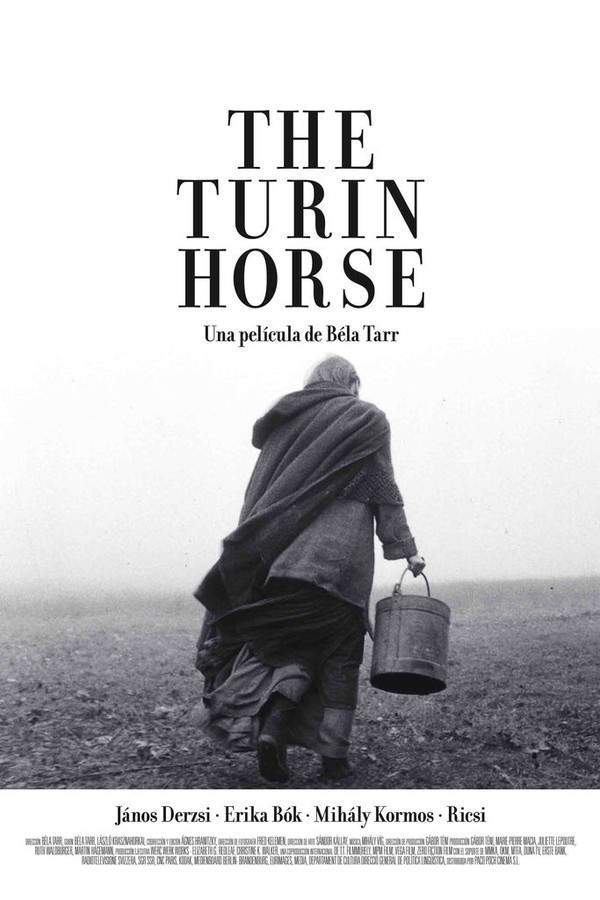 The Turin Horse Drama Worldwide box office: $162K
 - 2007
 The Man from London Crime Worldwide box office: $50.6K
 - 1995
 Journey on the Plain Drama
 - 1994
 Satantango Drama
 - 1990
 The Last Boat
 - 1988
 Damnation Crime
 - 1984
 Autumn Almanac Drama
 - 1982
 The Prefab People Drama Worldwide box office: $11.2K
 - 1982
 Macbeth Tv movie
 - 1981
 Diplomafilm
 - 1979
 Family Nest Drama
Béla Tarr Movies as an Actor
2

Béla Tarr in Documentaries & Specials
5


Who Is Béla Tarr?
Béla Tarr was born in Pécs, Hungary in 1955 and is 71 years old. Credited on films since 1979, as a director. The background, training and the roles that shaped the career.
Béla Tarr, born on 21 July 1955 in Pécc, Hungary, grew up in Budapest as the son of a theatre‑scene designer father and a long‑time theatre prompter mother. His early immersion in the performing arts led to a childhood television role at age ten and the gift of an 8 mm camera for his fourteenth birthday, sparking a lifelong fascination with moving images. By sixteen he had formed the amateur collective Dziga Vertov, creating a prize‑winning short that attracted the attention—and suspicion—of communist authorities. Denied university admission, Tarr pursued a self‑directed education through odd jobs and relentless filmmaking, eventually securing funding from the Béla Balázs Studios for his debut feature Family Nest (1979), shot on a shoestring budget with non‑professional actors. This early work aligned with the “Budapest school” of social realism, echoing the documentary‑style of John Cassavetes, though Tarr later denied direct influence. Over the early 1980s he produced The Outsider (1981) and The Prefab People (1982), gradually integrating professional talent and experimenting with long, uninterrupted takes, notably in his televised Macbeth (1982) which consists of only two shots, one of which runs for more than an hour. ** The second paragraph explores Tarr’s evolution into a master of slow cinema and his profound impact on contemporary auteur filmmaking. From the stark, languid camera movements of Damnation (1988) to the monumental 7‑hour Sátántangó (1994) — a collaboration with novelist László Krasznahorkai that remains a staple in scholarly polls — Tarr cultivated a visual language characterized by extended, meticulously choreographed takes that often exceed ten minutes. His subsequent films, Werckmeister Harmonies (2000) and The Turin Horse (2011), continued to interrogate existential bleakness while earning worldwide critical acclaim, the former praised for its apocalyptic overtones and the latter topping numerous “best‑of‑year” lists. Frequent collaborator Ágnes Hranitzky, initially his partner and later co‑director on his final features, helped shape these works. After declaring retirement from feature‑length direction, Tarr founded the Sarajevo‑based film school film.factory (2013) and ventured into installation art, while also supporting projects like Lamb (2021) as executive producer. His philosophical anarchism, atheism, and outspoken criticism of nationalism have informed both his artistic ethos and public statements, cementing his reputation as a provocateur who challenges cinematic conventions and sociopolitical complacency.
Béla Tarr: Questions & Answers
How many movies Béla Tarr has made, the biggest hit, the best-rated film, the award record and more, answered from the filmography above.
How many movies has Béla Tarr been in?
Béla Tarr is credited on 19 films, from 1979 to 2022. 2 of them as an actor and 12 as a director. The filmography on this page lists every one of them, newest first, with the role and the Movie Echo Score.
What is Béla Tarr's highest-grossing movie?
The Turin Horse (2012) is Béla Tarr's biggest box office hit, with $162K worldwide, ahead of The Man from London (2007) ($50.6K). Across every film with box office figures, Béla Tarr's movies have made $224K.
Béla Tarr's biggest hits How old is Béla Tarr?
Béla Tarr is 71 years old, born on July 21, 1955 in Pécs, Hungary.
What is Béla Tarr's newest movie?
The most recent film on Béla Tarr's filmography is The Last Days of Humanity (2022), in the role of Self (archive footage).
Who does Béla Tarr work with most often?
Béla Tarr shares the most films with János Derzsi (6 films) and Ágnes Hranitzky (2 films).
The Best Béla Tarr Movies, Ranked
Top rated, most awarded and biggest box office hits from 19 directing credits.
Coming soon to your phone
The Plot Explained Movie Summary App
From blockbusters to hidden gems: plot summaries, endings explained and timelines on your phone. Save your favorites and never miss a twist again.
Be the first to know when it launches. Your email stays private, always. Learn more about the app
