Zorba the Greek 1964


Life. Lust. Love. Zorba. An uptight English writer traveling to Crete on a matter of business finds his life changed forever when he meets the gregarious Alexis Zorba.


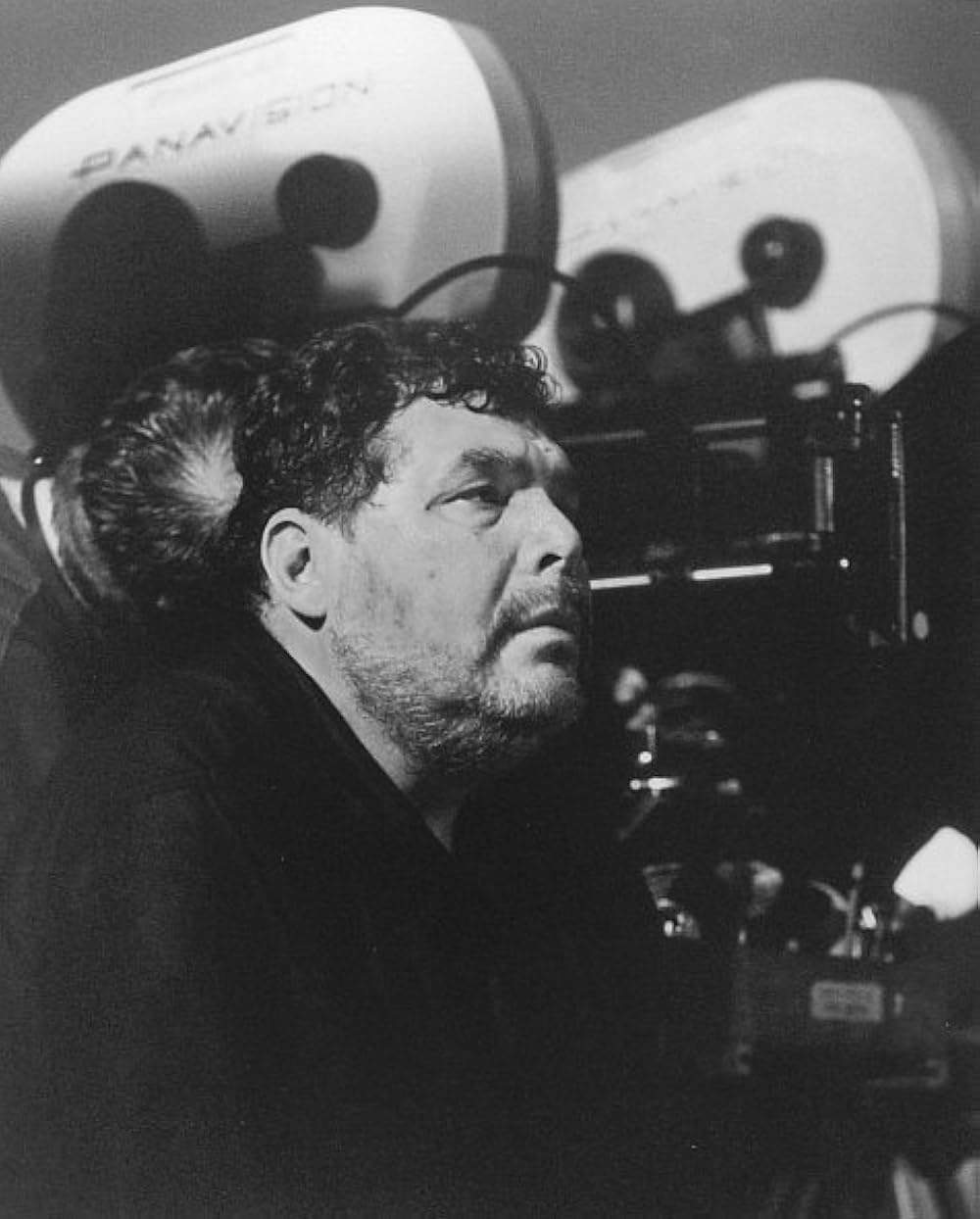
Does Zorba the Greek have end credit scenes?
No!
Zorba the Greek does not have end credit scenes. You can leave when the credits roll.
Where to Watch Zorba the Greek
See current US streaming, rental, and purchase options for Zorba the Greek (1964) via JustWatch.

Philo
HD
Amazon Video
HD
Apple TV Store
HD
Fandango At Home
HD Streaming availability powered by 
Meet the Full Cast and Actors of Zorba the Greek
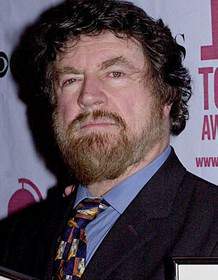
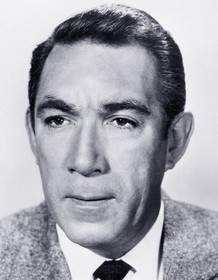
Explore the complete cast of Zorba the Greek, including both lead and supporting actors. Learn who plays each character, discover their past roles and achievements, and find out what makes this ensemble cast stand out in the world of film and television.


External Links and Streaming Options
Discover where to watch Zorba the Greek online, including streaming platforms, rental options, and official sources. Compare reviews, ratings, and in-depth movie information across sites like IMDb, TMDb, Wikipedia or JustWatch.






Take the Ultimate Zorba the Greek Movie Quiz
Challenge your knowledge of Zorba the Greek with this fun and interactive movie quiz. Test yourself on key plot points, iconic characters, hidden details, and memorable moments to see how well you really know the film.
Zorba the Greek (1964) Quiz: Test your knowledge of the 1964 film Zorba the Greek.
Which actor portrayed the title character Zorba?
Full Plot Summary and Ending Explained for Zorba the Greek
Read the complete plot summary of Zorba the Greek, including all major events, twists, and the full ending explained in detail. Explore key characters, themes, hidden meanings, and everything you need to understand the story from beginning to end.
Basil is a cautious, middle-class Greek-British writer whose life is packed with luggage and books, and who longs to escape writer’s block by visiting a Crete he scarcely knows. At the Athens port of Piraeus, he encounters a forceful, weathered figure from the countryside: Zorba, a robust peasant and musician who travels light but carries a world of experience in his santouri case. Their chance meeting sparks a pragmatic pact: Basil will head to a Cretan village to inspect land he owns there, with the aim of reopening a lignite mine, while Zorba offers himself as foreman and helper, ready to prove his mettle in the rougher parts of the world. The clash of personalities—Basil’s careful plans against Zorba’s sunlit audacity—sets the tone for a story that blends ambition, misadventure, and a lingering sense of fate.
When they reach the inland village, the locals greet them with warmth and a certain exhausted hope. The pair lodge with Madame Hortense, a flamboyant former cabaret dancer who now runs a modest hotel she calls the “Hotel Ritz.” Hortense’s reminiscences about glamorous and dangerous eras—allegedly as a lover of an Italian admiral—cast a spell of nostalgia on the village and on Zorba, who sees opportunity in every encounter. Basil is wary of romance, and though Zorba pushes him toward a liaison with Hortense, Basil remains uncertain. Yet Zorba, ever the showman, leverages charm and circumstance to try to tilt Basil toward a new life, one where risk is the currency of possibility.
[Zorba] reveals a chequered past that he half-charges with a shrug: he has endured battles, wounds, and the harsh lessons of war, including acts he now describes in terms of past forgiveness. He rejects the fervor of nationalism and the old feuds of neighbors, insisting that the present is where a man proves himself. Basil watches him with a mixture of admiration and unease, while Zorba’s vitality—“all in front,” as he hints with a wry smile—invites Basil to loosen his grip on caution.
The mine itself proves a stubborn, capricious project. The old lignite shaft collapses, nearly injuring Zorba, who then conceives a new method to extract timber from the surrounding forest to rebuild the failing props. The plan hinges on a cunning scheme: extract timber from a monastery’s land by persuading the monks that a miracle has occurred, thereby convincing them to yield the wood. With the forest’s timber ready, Zorba unveils a daring contraption—a zip-wire system designed to deliver heavy logs down the mountain. The moment of triumph arrives as he enters a spontaneous triumph dance, a bristling contrast between his exuberant energy and Basil’s anxious restraint. The scene, sometimes called the butcher’s dance, marks a turning point in their partnership and in Basil’s growing awareness of how far he is willing to go to push his world beyond its boundaries.
To gather the necessary supplies for the zip-line, Basil gives Zorba money and sends him to the large port of Chania. There, the plan is derailed by a night of revelry: Zorba indulges in cabaret, buys gifts, and drinks champagne with a cabaret girl, even dyeing his hair to signal renewed vigor. He sends Basil a letter detailing his exploits, and Basil, in a moment of vanity and fear, deceives Hortense by claiming that Zorba plans to marry her upon his return. Hortense, who has grown fond of Zorba, is swept up in the fantasy. Meanwhile, a widowed woman in the village, an object of quiet interest and scorn in equal measure, receives Basil’s umbrella after a rainy afternoon—an exchange that foreshadows a dangerous, emotionally charged encounter.
One night, Basil gathers the courage to visit the Widow. She lets him in, tears slip down as they share a private moment, and for a time the two are together. Basil’s misgivings about his behavior vanish into the night, but their tryst does not stay hidden. The village’s men notice, and what follows is a cascade of anger and rumor. When Zorba returns with provisions and stories, he confronts Basil about his whereabouts the previous night and hears of Basil’s lie to Hortense. The consequences are swift and brutal: the Widow becomes the target of the village’s scorn, and a young man—son of a local peasant—who idolizes her drowns himself after learning of Basil’s visit. The town closes ranks around him, and the Widow finds herself ostracized and accused.
The moment of crisis fuses into tragedy as a confrontation erupts. A knife is drawn, the Widow is nearly fatal, and Zorba—and Basil—must face the crowd. Yet when the knife is finally raised, it is not Basil who acts to stop the violence but Zorba, who disarms the aggressor and attempts to shepherd the Widow to safety. In a cruel turn of fate, the widow’s blood is spilled not to exact justice but to confirm a world where violence and fear are all too close to human frailty. Basil mourns his inability to intervene, while Zorba rages at the pointlessness and fragility of life. The village returns to its routine as the film moves on, the urgency of the tragedy receding into the background as the zip-wire system—still unfinished—reappears with a wry sense of determined resilience.
A new chapter begins as Hortense’s health fails. Pneumonia takes hold, and Basil and Zorba stand by her side as she declines. The villagers, consumed by rumor and greed, move to seize the possessions Hortense has accumulated, anticipating the state’s takeover upon her death. The hotel is stripped as Hortense’s life ends, and Zorba exits into a world that feels suddenly empty and uncertain. He takes with him the parrot in Hortense’s cage, a small symbol of a life once lived with color and noise, now reduced to a quiet, almost comical aftermath.
Yet the most spectacular part of the enterprise—Zorba’s engineering feat—reaches its climax. The playoffs and the prayers that accompanied the new contraption give way to a reckless show as the first log hurtles down the hill with excessive speed, shatters, and even the second overshoots into the sea. The crowd panics, the monks retreat, and only Basil and Zorba remain amid the wreckage, forced to confront the consequences of their audacity. They sit by the shore and share roasted lamb and wine, a rough, celebratory calm after catastrophe, while Zorba theatrically toys with the idea of fortune-telling by a lamb bone. He asks Basil when he intends to leave, and Basil, haunted by what he has learned about himself, reveals that he plans to depart soon.
Zorba presses the idea that Basil still lacks one crucial thing: madness—the spark that allows a man to break free from the constraints of circumstance and responsibility. The two men laugh together at the absurd and terrifying outcomes of their venture, finding a strange kinship in the shared recognition that the world can be both dangerous and beautiful. The film ends with a final, exuberant burst of movement as Basil and Zorba dance the sirtaki on the deserted shore, two old friends who have met their fates in the margins between ambition and humanity, between risk and redemption.

Coming soon on iOS and Android
The Plot Explained Mobile App
From blockbusters to hidden gems — dive into movie stories anytime, anywhere. Save your favorites, discover plots faster, and never miss a twist again.
Sign up to be the first to know when we launch. Your email stays private — always.
Explore the mobile appWatch Trailers, Clips & Behind-the-Scenes for Zorba the Greek
Watch official trailers, exclusive clips, cast interviews, and behind-the-scenes footage from Zorba the Greek. Dive deeper into the making of the film, its standout moments, and key production insights.
Zorba the Greek Themes and Keywords
Discover the central themes, ideas, and keywords that define the movie’s story, tone, and message. Analyze the film’s deeper meanings, genre influences, and recurring concepts.
Zorba the Greek Other Names and Titles
Explore the various alternative titles, translations, and other names used for Zorba the Greek across different regions and languages. Understand how the film is marketed and recognized worldwide.
Similar Movies To Zorba the Greek You Should Know About
Browse a curated list of movies similar in genre, tone, characters, or story structure. Discover new titles like the one you're watching, perfect for fans of related plots, vibes, or cinematic styles.




Quick Links: Summary, Cast, Ratings, More

What's After the Movie?
Not sure whether to stay after the credits? Find out!
Check out our other apps:

SAT Sphere
Build confidence for the Digital SAT.

Mori Atlas
Discover wild places worth protecting.

Luntero
Search smarter for a home in Amsterdam.

Plot Explained
Unravel movie endings and hidden clues.

Pokechamp
Dive into Pokémon data and battle logic.

Driving Theory
Get ready for your European theory test.

Movie Dust
Plan your next cinema trip with ease.

Musemap
Find art and culture as you travel.

Selkobase
Compare credentials before committing.

Local Manual
Turn an unfamiliar country into practical next steps.

Lernavi
Compare school systems before your next move.

GymRoam
Find a workout stop wherever your plans take you.
Explore Our Movie Platform
New Movie Releases (2026)
Famous Movie Actors
Top Film Production Studios
Movie Plot Summaries & Endings
Major Movie Awards & Winners
Best Concert Films & Music Documentaries
Movie Collections and Curated Lists
© 2026 What's After the Movie. All rights reserved.
Privacy Policy