
Yamakasi 2001

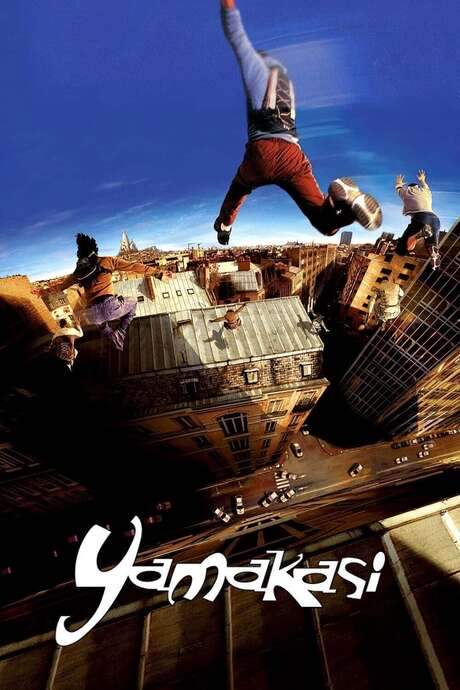
Yamakasi – Les samouraïs des temps modernes is a 2001 French film written by Luc Besson. It follows the Yamakasi, a close‑knit group of traceurs who use parkour to battle injustice in a Paris ghetto. When a young boy is hospitalized after copying their techniques, they resort to daring thefts from the wealthy to cover his medical expenses.


Does Yamakasi have end credit scenes?
No!
Yamakasi does not have end credit scenes. You can leave when the credits roll.
Meet the Full Cast and Actors of Yamakasi
Explore the complete cast of Yamakasi, including both lead and supporting actors. Learn who plays each character, discover their past roles and achievements, and find out what makes this ensemble cast stand out in the world of film and television.

Camille Cottin

Maher Kamoun
Vincent
Afida Tahri
Fatima
Malik Diouf
La Belette
Pascal Liger
Orsini
Bruno Flender
Michelin
Abdelkrim Bahloul
Frédéric Pellegeay
Fretin
Amel Djemel
Aila
Châu Belle Dinh
Baseball
Williams Belle
L`Araignee
Guylain N'Guba-Boyeke
Rocket
Charles Perrière
Sitting Bull
Laurent Piemontesi
Tango
Yann Hnautra
Zicmu
Nassim Faid
Djamel
Gwenaël Clause
External Links and Streaming Options
Discover where to watch Yamakasi online, including streaming platforms, rental options, and official sources. Compare reviews, ratings, and in-depth movie information across sites like IMDb, TMDb, Wikipedia or Rotten Tomatoes.






Take the Ultimate Yamakasi Movie Quiz
Challenge your knowledge of Yamakasi with this fun and interactive movie quiz. Test yourself on key plot points, iconic characters, hidden details, and memorable moments to see how well you really know the film.
Yamakasi (2001) Quiz: Test your knowledge of the 2001 French parkour film Yamakasi, covering characters, plot points, and themes.
What sport do the main characters practice throughout the film?
Full Plot Summary and Ending Explained for Yamakasi
Read the complete plot summary of Yamakasi, including all major events, twists, and the full ending explained in detail. Explore key characters, themes, hidden meanings, and everything you need to understand the story from beginning to end.
In a colorful, tight-knit corner of France’s banlieue, a diverse group of young thrill-seekers train hard in parkour, turning the city into their playground. They move with astonishing speed and precision, turning walls and rooftops into stages for expression. Their goal is clear: enjoy the sport, stay clean, and gain recognition through skill and grace rather than drugs or crime. Early on, the film introduces the group’s members by birth name and alias—the famous lineup includes Zicmu, Tango, Rocket, the Spider, Baseball, and Sitting Bull—a bold declaration of their identity and unity, and a reminder that each keeps a personal history as part of the crew’s story. The atmosphere is confident but aware, as they practice their gravity-defying routines with joy and discipline.
One morning, their playful ascent takes on a more public edge when they’re observed buildering on the east side of the Bleuets building, deftly eluding the police after the moment. This act, while exhilarating, puts them squarely under scrutiny from the local authorities. The chief of police views them as reckless and potentially criminal, a danger to themselves and to others who might imitate their stunts. Yet Inspector Vincent [maher-kamoun] is sympathetic to their plight, arguing that the real risk lies in young people hurting themselves if they imitate dangerous feats rather than in the youths themselves.
In the midst of this tension, a boy named Djamel enters the story—a little boy with an inborn cardiovascular disease who collapses after attempting to join a climb. His condition becomes an urgent crisis: he needs an immediate heart transplant to survive. The head physician bluntly states that the only way to save him is to obtain a heart from a broker, a grim option that insurance won’t cover and which would require a payment of 400,000 Francs within 24 hours.
Moved by Djamel’s plight, Djamel’s mother and elder sister, Aila, rally whatever they can from family and friends. The Yamakasi themselves visit Djamel in the hospital, offering training and companionship as a way to keep hope alive while they search for a way to save him. They press the head physician to question the board of directors and challenge the idea that poverty should condemn a child to die. When the physician refuses to escalate the issue, the Yamakasi decide to take matters into their own hands, borrowing from the Robin Hood playbook they admire and stealing the hospital board’s list to strike a deal that could save Djamel’s life.
Dividing into three groups, they begin raiding the board’s houses to gather the funds needed. The first two robberies succeed, but one group is forced to retreat when they’re chased by Dobermans and captured on camera. The police quickly realize the board is being targeted, but their attempts to catch the Yamakasi in subsequent robberies fail. The trio ultimately converges on the mansion of the board’s head. As the stakes rise, the police close in, but the group manages to haul all the loot into a single bag and toss it to Michelin, Michelin, who sells the loot to raise the money needed for Djamel’s heart transplant.
The Yamakasi are then brought in for questioning. The investigator doubts the audacity of their story, but Inspector Vincent’s cousin, Sitting Bull, lends credibility to their account and supports their version of events, leaving the investigator with little choice but to release them. They race to the hospital just as the head physician attempts to demand a higher price at gunpoint. Thanks to the intervention of Asmine—with his intimate connection to the crew—the hospital agrees to proceed with the surgery at the price the group can pay, rather than at the extortionist level.
Djamel’s operation is a success, and his recovery marks a turning point for everyone involved. The Yamakasi celebrate with Djamel and with Inspector Vincent Asmine, who has since stepped back from police work. As the credits begin to roll, the group speaks to the camera about the joy of Djamel’s recovery and their vow to train him, fully integrated, so that one day he can become part of their circle of parkour and brotherhood. The film closes on a hopeful note, emphasizing resilience, community, and the quiet power of doing good through sport.

Discover Film Music Concerts Near You – Live Orchestras Performing Iconic Movie Soundtracks
Immerse yourself in the magic of cinema with live orchestral performances of your favorite film scores. From sweeping Hollywood blockbusters and animated classics to epic fantasy soundtracks, our curated listings connect you to upcoming film music events worldwide.
Explore concert film screenings paired with full orchestra concerts, read detailed event information, and secure your tickets for unforgettable evenings celebrating legendary composers like John Williams, Hans Zimmer, and more.


Yamakasi Other Names and Titles
Explore the various alternative titles, translations, and other names used for Yamakasi across different regions and languages. Understand how the film is marketed and recognized worldwide.
Quick Links: Summary, Cast, Ratings, More

What's After the Movie?
Not sure whether to stay after the credits? Find out!




Explore Our Movie Platform
New Movie Releases (2025)
Famous Movie Actors
Top Film Production Studios
Movie Plot Summaries & Endings
Major Movie Awards & Winners
Best Concert Films & Music Documentaries
Movie Collections and Curated Lists
© 2025 What's After the Movie. All rights reserved.