Who Killed Who? 1943


A murder has occurred at Gruesome Gables, and the dog detective trying to find the killer has to deal with some suspicious suspects and a haunted house.

Does Who Killed Who? have end credit scenes?
No!
Who Killed Who? does not have end credit scenes. You can leave when the credits roll.
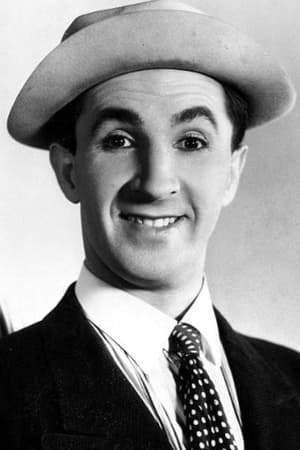
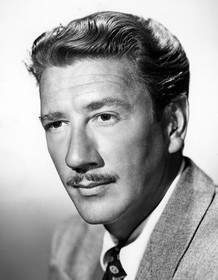
Meet the Full Cast and Actors of Who Killed Who?
Explore the complete cast of Who Killed Who?, including both lead and supporting actors. Learn who plays each character, discover their past roles and achievements, and find out what makes this ensemble cast stand out in the world of film and television.


External Links and Streaming Options
Discover where to watch Who Killed Who? online, including streaming platforms, rental options, and official sources. Compare reviews, ratings, and in-depth movie information across sites like IMDb, TMDb, Wikipedia or Letterboxd.




Take the Ultimate Who Killed Who? Movie Quiz
Challenge your knowledge of Who Killed Who? with this fun and interactive movie quiz. Test yourself on key plot points, iconic characters, hidden details, and memorable moments to see how well you really know the film.
Who Killed Who? (1943) Quiz: Test your knowledge of the classic 1943 short film "Who Killed Who?" with these ten questions ranging from easy to challenging.
Who serves as the live‑action host that frames the story?
Full Plot Summary and Ending Explained for Who Killed Who?
Read the complete plot summary of Who Killed Who?, including all major events, twists, and the full ending explained in detail. Explore key characters, themes, hidden meanings, and everything you need to understand the story from beginning to end.
“to prove beyond the shadow of a doubt that crime does not pay”
A live-action host Robert Emmett O’Connor opens the short with a tongue-in-cheek disclaimer about the very nature of the cartoon, anchoring the story in a wink at the crime-doesn’t-pay trope. The frame is playful and self-aware, setting a mood that blends spoof with mystery as the audience is invited to watch the tale unfold.
The action moves to a dark, storm-lashed night inside the sprawling, ominous Gruesome Gables mansion, where the victim Kent Rogers (doing an impression of Richard Haydn) tows a book based on the very cartoon in which he appears. He reads with a growing sense of dread, noting—almost as a premonition—that the book predicts his own doom. A dagger arrives, a letter attached promising that the master will die at 11:30, only for another letter to cunningly alter the time to midnight. The atmosphere blends gothic mischief with cartoonish bravado as the scene tightens around the looming deadline.
When the clock strikes midnight, a cloaked killer—whose silhouette is drawn in heavy, dramatic strokes—shoots the master, leaving the question of his fate ambiguous and chilling. Immediately a hard-edged police detective Detective enters the picture, and the chase begins in earnest. The mansion, already a labyrinth of doors and corridors, becomes a playground of surreal pitfalls. A team of suspicious servants orbit the investigation, their red herrings and quirks complicating every step the detective takes.
Among the mansion’s eccentric cast, a Red Skeleton appears—a vivid parody of Red Skelton—that adds a wink of meta-humor to the mystery. A ghost, uniquely terrified of mice, flits through the halls, providing both comic relief and a sly reminder of the supernatural echo in this mystery world. The staff includes a lively Cuckoo Bird / Maid, whose presence adds to the oddball dynamics that surround the crime scene. The detective methodically sifts through clues and misdirections, following the trail of a classic locked-room feel while the mansion keeps tossing up bizarre little surprises.
A breathless detour leads the investigator behind a door labeled “Do Not Open Until Xmas,” where the reveal is both thematic and theatrical: Santa Claus, played by Tex Avery, appears in a cameo that blends holiday cheer with noir-style menace. The combination of holiday icon and detective setup heightens the cartoonish mood, as booby traps and unconventional obstacles slow the pursuit at every turn. The mansion itself seems to conspire to confuse and confound the detective, turning each room into a stage for slapstick suspense and visual gags.
As the clues converge, the detective narrows in on the killer’s identity, leading to a climactic unmasking. The culprit is none other than the opening-sequence host himself, the same host who framed the story in the first place. The reveal lands with a signature line that fans of the era will recognize: “I dood it.” The confession lands with a mix of humor and theatrics, a meta wink that nods to the era’s rich tradition of cartoonish crime stories and the era’s vaudevillian punchlines.
In the end, the short folds its self-referential premise into a tidy, entertaining caper. The killer’s identity aligns with the host’s own framing device, delivering a playful twist that doubles as a homage to traditional crime shorts while leaning into the cartoonish, surreal energy that gives the piece its distinctive flavor. The interplay between live-action framing and animated-style mischief, the spoof of classic detectives, and the chorus of quirky characters—all anchored by the performances of the principal actors—create a compact, enduringly amusing spoof that still feels fresh in its taut pacing and inventive, eerie fun.
- Robert Emmett O’Connor anchors the host role and the film’s meta-crime premise with calm authority and a sly, knowing smile.
- Kent Rogers appears in two facets of the story: as the victim’s performer who channels Richard Haydn, and as the parodying Red Skeleton, enriching the film’s layered humor.
- Billy Bletcher delivers the detective’s gravelly persistence and his ghostly counterpart in a compact, energetic turn that drives the chase.
- Sara Berner lends a sharp, playful edge to the supporting maid role, adding to the short’s vaudeville cadence.
- Tex Avery makes a memorable cameo as Santa Claus, a holiday icon who punctuates the mansion’s surreal spirit.
- Richard Haydn provides the vocal impression that colors the victim’s characterization, grounding the performance in a familiar voice for the time.
Overall, the short blends spoof and mystery with a sharply comic sensibility, delivering a longer, more intricate gag-filled journey than a typical quick cartoon caper. Its clever use of meta-commentary, eccentric characters, and a noir-like structure finally pays off in a satisfying reveal that stays true to its playful ambition while staying firmly within the world of the film’s own unique, holiday-tinged humor.

Coming soon on iOS and Android
The Plot Explained Mobile App
From blockbusters to hidden gems — dive into movie stories anytime, anywhere. Save your favorites, discover plots faster, and never miss a twist again.
Sign up to be the first to know when we launch. Your email stays private — always.
Explore the mobile appDiscover Film Music Concerts Near You – Live Orchestras Performing Iconic Movie Soundtracks
Immerse yourself in the magic of cinema with live orchestral performances of your favorite film scores. From sweeping Hollywood blockbusters and animated classics to epic fantasy soundtracks, our curated listings connect you to upcoming film music events worldwide.
Explore concert film screenings paired with full orchestra concerts, read detailed event information, and secure your tickets for unforgettable evenings celebrating legendary composers like John Williams, Hans Zimmer, and more.


Who Killed Who? Themes and Keywords
Discover the central themes, ideas, and keywords that define the movie’s story, tone, and message. Analyze the film’s deeper meanings, genre influences, and recurring concepts.
Who Killed Who? Other Names and Titles
Explore the various alternative titles, translations, and other names used for Who Killed Who? across different regions and languages. Understand how the film is marketed and recognized worldwide.
Similar Movies To Who Killed Who? You Should Know About
Browse a curated list of movies similar in genre, tone, characters, or story structure. Discover new titles like the one you're watching, perfect for fans of related plots, vibes, or cinematic styles.


Quick Links: Summary, Cast, Ratings, More

What's After the Movie?
Not sure whether to stay after the credits? Find out!
Check out our other apps:

SAT Sphere
Build confidence for the Digital SAT.

Mori Atlas
Discover wild places worth protecting.

Luntero
Search smarter for a home in Amsterdam.

Plot Explained
Unravel movie endings and hidden clues.

Pokechamp
Dive into Pokémon data and battle logic.

Driving Theory
Get ready for your European theory test.

Movie Dust
Plan your next cinema trip with ease.

Musemap
Find art and culture as you travel.

Selkobase
Compare credentials before committing.

Local Manual
Turn an unfamiliar country into practical next steps.

Lernavi
Compare school systems before your next move.

GymRoam
Find a workout stop wherever your plans take you.
Explore Our Movie Platform
New Movie Releases (2026)
Famous Movie Actors
Top Film Production Studios
Movie Plot Summaries & Endings
Major Movie Awards & Winners
Best Concert Films & Music Documentaries
Movie Collections and Curated Lists
© 2026 What's After the Movie. All rights reserved.
Privacy Policy