Waru 2017

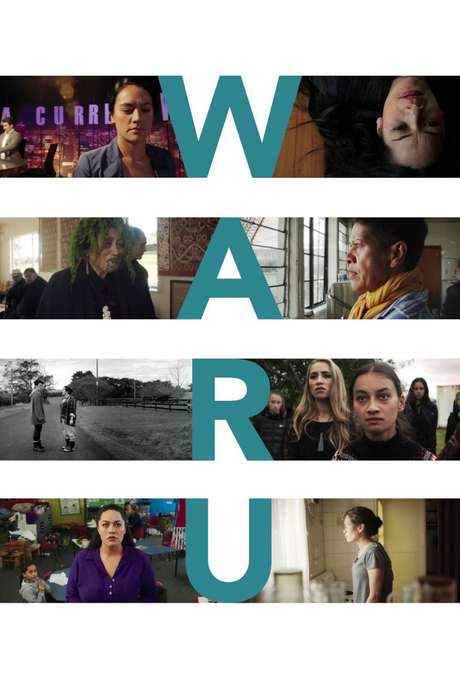
This powerful film comprises eight distinct segments directed by Māori female filmmakers, all connected by the emotional journey surrounding a tangi, or traditional Māori mourning ceremony. The narrative unfolds following the tragic death of a young boy in the care of his caregiver, exploring themes of loss, grief, and cultural identity through a series of poignant and challenging perspectives.


Does Waru have end credit scenes?
No!
Waru does not have end credit scenes. You can leave when the credits roll.
Where to Watch Waru
See current US streaming, rental, and purchase options for Waru (2017) via JustWatch.

Hoopla
SD
Fandango at Home Free
HD
Plex
HD
Plex Channel
HD
Pluto TV
SD
Tubi TV
SD
Amazon Video
SD
Apple TV Store
HD Fandango At Home
SD
Google Play Movies
SD
YouTube
SD Streaming availability powered by 
Meet the Full Cast and Actors of Waru
Explore the complete cast of Waru, including both lead and supporting actors. Learn who plays each character, discover their past roles and achievements, and find out what makes this ensemble cast stand out in the world of film and television.


External Links and Streaming Options
Discover where to watch Waru online, including streaming platforms, rental options, and official sources. Compare reviews, ratings, and in-depth movie information across sites like IMDb, TMDb, Wikipedia or Rotten Tomatoes.







Full Plot Summary and Ending Explained for Waru
Read the complete plot summary of Waru, including all major events, twists, and the full ending explained in detail. Explore key characters, themes, hidden meanings, and everything you need to understand the story from beginning to end.
On the day Waru dies at the hands of his caregiver, the film centers on his tangi and threads eight interwoven stories through the morning, all beginning at 9:59. This is a community-wide reckoning where grief, memory, and responsibility ripple outward, shaping conversations, choices, and quiet acts of resilience. Each segment shines a different light on how people carry loss, how they speak up or stay silent, and how a single tragedy can redraw the lines of family, friendship, and obligation.
Charm, Tanea Heke, directs the food preparation for the funeral at the kāuta in the local marae, turning the kitchen into a space where nourishment meets memory. The choreography of meals becomes a language of care, with small decisions about who cooks, what gets plated, and how the trays travel between the fire and the hall reflecting a shared responsibility to honor Waru. In Charm’s stead, the community gathers, and the weight of absence is felt as much in the steam rising from pots as in the stories spoken between bites.
Anahera, Roimata Fox, Waru’s kindergarten teacher, processes the loss with her class and colleagues, weaving moments of routine and tenderness into a day saturated with sorrow. She guides young students through questions they don’t yet have words for, offering a steady hand as the classroom becomes a space where grief and learning collide. The adults around her lean on one another, and the room’s soft chatter sharpens into a chorus of shared memory.
Mihi, Ngapaki Moetara, a single mother, struggles to care for her kids with nothing left for gas or food, while the world’s judgments press in from every corner. The daily grind—paying bills, keeping routines, balancing fear and hope—tests her strength, yet her quiet persistence threads through the day, revealing a stubborn, stubbornly human resolve to protect what matters most. Through her eyes, the film asks how communities respond when money and dignity hang in the balance.
Em, Āwhina-Rose Henare Ashby, a young singer, comes home after a wild night out only to find she’s locked out while her baby remains inside, forcing a collision between art, impulse, and responsibility. The moment reframes her priorities and pushes her toward decisions that are both practical and painful, illustrating the tension between self-expression and the obligations of parenthood.
Ranui, Kararaina Rangihau, and Merehaka Maaka as Hinga, two great-grandmothers, argue over where Waru’s body should rest so that his wairua (spirit) can find peace. The disagreement exposes generations-long perspectives on death, memory, and honoring a child, as practical concerns about space and ritual collide with deep emotional needs. Their exchange becomes a window into how families negotiate sacred duties when grief is freshest.
Kiritapu, Maria Walker, the anchorwoman who holds the camera on the day’s events, endures microaggressions and overt racism alike while her colleagues discuss the murder of Waru. Her professional composure is tested as the room’s power dynamics shift, and she remains a steady observer—even as the noise around her intensifies—reflecting the heavy toll of reporting tragedy in a world quick to judge.
Mere, Acacia Hapi, a young teen armed with a tokotoko, plucks up the courage to talk back to her abuser, turning fear into a moment of quiet, defiant strength. Her stance is a small but potent beacon of resistance, illustrating how youth can assert boundaries and demand safety in the face of harm. The scene sits beside others that emphasize the cost—and necessity—of speaking up within a layered community.
Titty, Amber Curreen, and Bash, Miriama McDowell, two sisters, drive to reclaim Bash’s children from an abusive household. The journey traverses car rides, conversations, and the emotional terrain of guardianship, highlighting the unbreakable ties that endurance and care can forge even when the path forward is uncertain. Their resolve underscores the film’s broader meditation on protection, voice, and the ways families fight to keep each other safe.
Together, these eight vignettes compose a tapestry of a community’s response to a child’s death: a mosaic of voices, perspectives, and rituals that honor Waru while laying bare the social pressures, personal traumas, and enduring compassion that bind people to one another. The film remains a compassionate, unflinching look at memory, justice, and the quiet courage it takes to keep moving forward after an unimaginable loss.

Coming soon on iOS and Android
The Plot Explained Mobile App
From blockbusters to hidden gems — dive into movie stories anytime, anywhere. Save your favorites, discover plots faster, and never miss a twist again.
Sign up to be the first to know when we launch. Your email stays private — always.
Explore the mobile appWatch Trailers, Clips & Behind-the-Scenes for Waru
Watch official trailers, exclusive clips, cast interviews, and behind-the-scenes footage from Waru. Dive deeper into the making of the film, its standout moments, and key production insights.
Waru Themes and Keywords
Discover the central themes, ideas, and keywords that define the movie’s story, tone, and message. Analyze the film’s deeper meanings, genre influences, and recurring concepts.
Waru Other Names and Titles
Explore the various alternative titles, translations, and other names used for Waru across different regions and languages. Understand how the film is marketed and recognized worldwide.
Similar Movies To Waru You Should Know About
Browse a curated list of movies similar in genre, tone, characters, or story structure. Discover new titles like the one you're watching, perfect for fans of related plots, vibes, or cinematic styles.














Quick Links: Summary, Cast, Ratings, More

What's After the Movie?
Not sure whether to stay after the credits? Find out!
Check out our other apps:

SAT Sphere
Build confidence for the Digital SAT.

Mori Atlas
Discover wild places worth protecting.

Luntero
Search smarter for a home in Amsterdam.

Plot Explained
Unravel movie endings and hidden clues.

Pokechamp
Dive into Pokémon data and battle logic.

Driving Theory
Get ready for your European theory test.

Movie Dust
Plan your next cinema trip with ease.

Musemap
Find art and culture as you travel.

Selkobase
Compare credentials before committing.

Local Manual
Turn an unfamiliar country into practical next steps.

Lernavi
Compare school systems before your next move.

GymRoam
Find a workout stop wherever your plans take you.
Explore Our Movie Platform
New Movie Releases (2026)
Famous Movie Actors
Top Film Production Studios
Movie Plot Summaries & Endings
Major Movie Awards & Winners
Best Concert Films & Music Documentaries
Movie Collections and Curated Lists
© 2026 What's After the Movie. All rights reserved.
Privacy Policy