Tomorrow, the World! 1944


Adapted from the award‑winning stage play that captivated Broadway for fourteen months, the story follows German boy Emil, a former Hitler Youth, as he moves in with his American uncle. The uncle strives to guide Emil toward democratic ideals and help him reject the remnants of Nazism, highlighting the cultural clash of the era.

Does Tomorrow, the World! have end credit scenes?
No!
Tomorrow, the World! does not have end credit scenes. You can leave when the credits roll.
Meet the Full Cast and Actors of Tomorrow, the World!
Explore the complete cast of Tomorrow, the World!, including both lead and supporting actors. Learn who plays each character, discover their past roles and achievements, and find out what makes this ensemble cast stand out in the world of film and television.




External Links and Streaming Options
Discover where to watch Tomorrow, the World! online, including streaming platforms, rental options, and official sources. Compare reviews, ratings, and in-depth movie information across sites like IMDb, TMDb, Wikipedia or Letterboxd.




Take the Ultimate Tomorrow, the World! Movie Quiz
Challenge your knowledge of Tomorrow, the World! with this fun and interactive movie quiz. Test yourself on key plot points, iconic characters, hidden details, and memorable moments to see how well you really know the film.
Tomorrow, the World! Quiz: Test your knowledge of the 1944 film "Tomorrow, the World!" with these ten multiple‑choice questions, ranging from easy to challenging.
What is the name of the German orphan who comes to live with an American family?
Full Plot Summary and Ending Explained for Tomorrow, the World!
Read the complete plot summary of Tomorrow, the World!, including all major events, twists, and the full ending explained in detail. Explore key characters, themes, hidden meanings, and everything you need to understand the story from beginning to end.
Emil Bruckner, a young German orphan, arrives in the United States to live with his American uncle, Mike Frame. Despite the Frames’ best efforts to welcome him and help him settle into a new life, Emil has been steeped in Nazi propaganda from his years in the Hitler Youth. The contrast between his upbringing and the liberal, open environment of his new home becomes the central fault line of the story, setting the stage for a tense moral drama.
The house is ruled by a softly progressive atmosphere: Aunt Jessie Frame is patient and tolerant, while Mike Frame, a gently liberal university professor, hopes to guide Emil toward a more humane worldview. Emil’s father, Karl Bruckner, had opposed the Nazi regime and died after being sent to a concentration camp. In Emil’s mind, however, Karl is cast as a traitor, and Emil adheres to the propaganda he has learned, denouncing his late father and openly disliking the professor’s Jewish fiancée, Leona Richards. The woman who would later become part of the family, Leona Richards, becomes a focal point of Emil’s hostility as he begins to practice Third Reich rhetoric at home, even presuming authority over household matters and positioning himself as a Nazi agent on what he calls “enemy soil.” The film carefully traces how Emil’s indoctrination clashes with the family’s genuine desire to guide him toward empathy and truth.
A point of friction emerges as Emil scorns friendship and doubles down on misinformation. He dons a Nazi armband, rejects peers, and attempts to recruit the Frames’ German maid to his cause, mistaking everyone’s kindness for weakness. His behavior forcefully collides with the realities of a diverse American community: a Polish boy becomes a target of his scorn, and Emil’s cruel treatment of the boy’s laundry reveals the depths of his prejudice. An even more intimate moment comes when a shy girl is frightened into silence by Emil’s threat, underscoring the dangerous psychology at work. The irony is not lost on the audience when Emil, who fancies himself a truth-teller, is the one who tries to control the narrative by reporting to his teacher first and accusing others of lying.
As the pressure mounts, Emil’s attempts to disrupt a budding relationship between Leona and Mike reach a fever pitch. He manipulates situations to isolate his aunt and mordantly tests the limits of their patience. The conflict finally accelerates when Pat Frame, Mike’s daughter and a compassionate presence in the story, catches Emil attempting to break into a desk that might reveal classified documents. Following her to the basement, Emil viciously attacks her with a fire iron, leaving her badly injured. This act triggers a swift return to order as Pat’s peers bring Emil home, and the family faces the consequences of his actions.
Before the police arrive, Emil again threatens Pat, and Leona Richards steps in to prevent Mike from acting on a dangerous impulse. The scene pivots on a moment of quiet humanity: alone with Emil, Leona presents him with a birthday gift that symbolizes care and thoughtfulness rather than coercion. When Emil opens the present and recognizes Pat’s gift as a gesture of genuine affection, he experiences the first glimmer of remorse and guilt. The film emphasizes the power of compassion over punishment, urging understanding rather than severance. Leona’s patient insistence on compassion, coupled with Mike’s willingness to engage with Emil rather than cast him out, becomes the path toward a possible redemption.
In the end, Emil contemplates his father’s death and his own treatment at the hands of the Nazis, and a cautious hope for reconciliation takes root. The narrative does not shy away from the complexities of healing a fractured psyche, but it remains clear in its message: redemption is possible when a family chooses empathy and steadfast support over anger and isolation. Emil remains with his new family, and the story closes on the tentative optimism that, with continued love, a troubled child can learn to chart a different course from the one his upbringing prescribed.

Coming soon on iOS and Android
The Plot Explained Mobile App
From blockbusters to hidden gems — dive into movie stories anytime, anywhere. Save your favorites, discover plots faster, and never miss a twist again.
Sign up to be the first to know when we launch. Your email stays private — always.
Explore the mobile appDiscover Film Music Concerts Near You – Live Orchestras Performing Iconic Movie Soundtracks
Immerse yourself in the magic of cinema with live orchestral performances of your favorite film scores. From sweeping Hollywood blockbusters and animated classics to epic fantasy soundtracks, our curated listings connect you to upcoming film music events worldwide.
Explore concert film screenings paired with full orchestra concerts, read detailed event information, and secure your tickets for unforgettable evenings celebrating legendary composers like John Williams, Hans Zimmer, and more.


Tomorrow, the World! Themes and Keywords
Discover the central themes, ideas, and keywords that define the movie’s story, tone, and message. Analyze the film’s deeper meanings, genre influences, and recurring concepts.

Unlock the World of Movies with Our Comprehensive Wiki
Dive into our Movie Wiki for in-depth film encyclopedia entries, including cast biographies, production trivia, plot synopses, behind-the-scenes facts, and thematic analyses. Whether you’re researching iconic directors, exploring genre histories, or discovering hidden easter eggs, our expertly curated movie database has everything you need to fuel your cinematic passion.
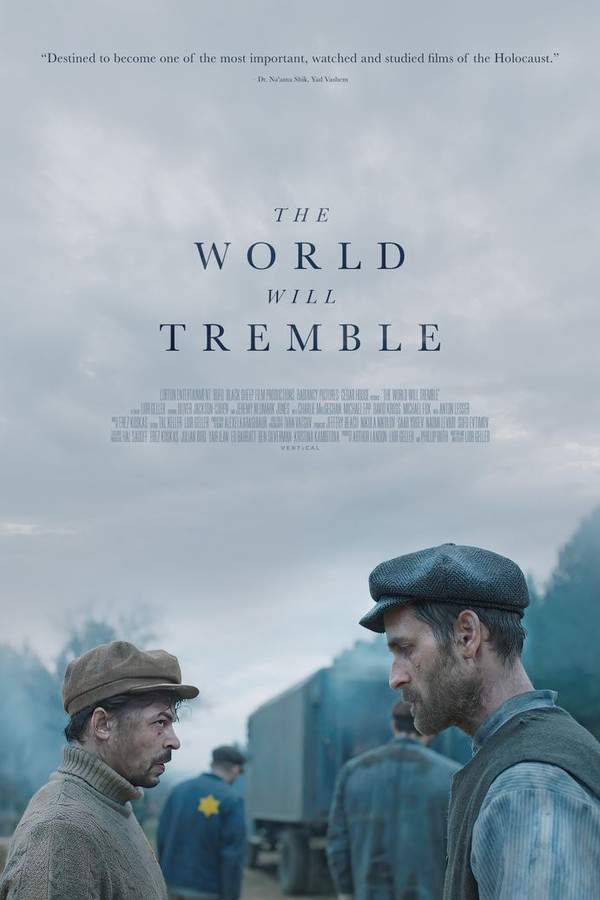
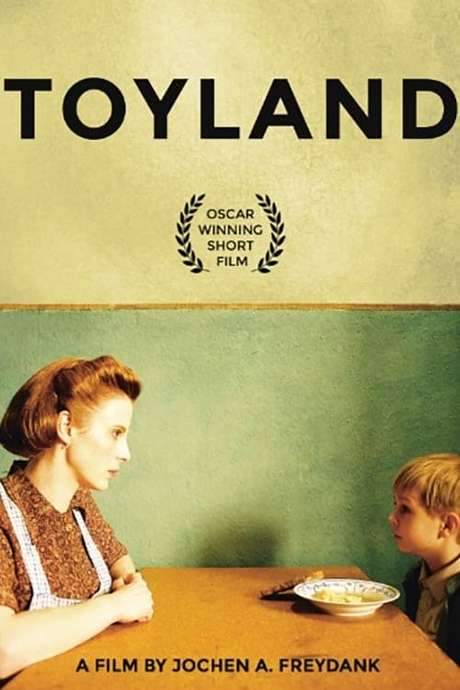
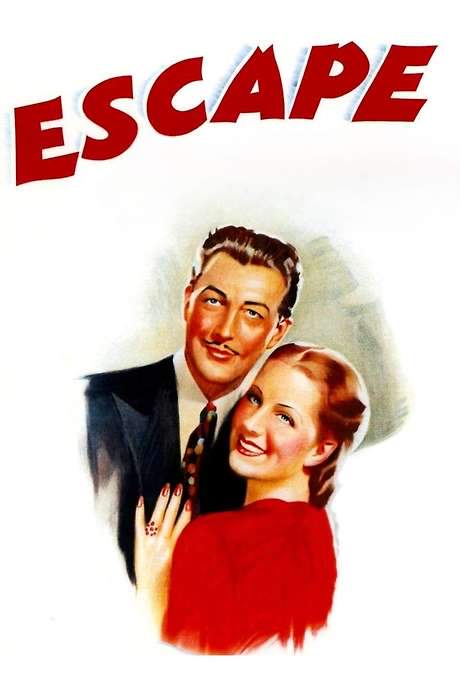
Similar Movies To Tomorrow, the World! You Should Know About
Browse a curated list of movies similar in genre, tone, characters, or story structure. Discover new titles like the one you're watching, perfect for fans of related plots, vibes, or cinematic styles.





Quick Links: Summary, Cast, Ratings, More

What's After the Movie?
Not sure whether to stay after the credits? Find out!
Check out our other apps:

SAT Sphere
Build confidence for the Digital SAT.

Mori Atlas
Discover wild places worth protecting.

Luntero
Search smarter for a home in Amsterdam.

Plot Explained
Unravel movie endings and hidden clues.

Pokechamp
Dive into Pokémon data and battle logic.

Driving Theory
Get ready for your European theory test.

Movie Dust
Plan your next cinema trip with ease.

Musemap
Find art and culture as you travel.

Selkobase
Compare credentials before committing.

Local Manual
Turn an unfamiliar country into practical next steps.

Lernavi
Compare school systems before your next move.

GymRoam
Find a workout stop wherever your plans take you.
Explore Our Movie Platform
New Movie Releases (2026)
Famous Movie Actors
Top Film Production Studios
Movie Plot Summaries & Endings
Major Movie Awards & Winners
Best Concert Films & Music Documentaries
Movie Collections and Curated Lists
© 2026 What's After the Movie. All rights reserved.
Privacy Policy