Tokyo File 212 1951


Amid the volatile backdrop of the Korean War, a Communist spy ring entrenched in Japan works to sabotage the American war effort, resorting to kidnapping, murder and enlisting a disturbed former kamikaze pilot. To dismantle this dangerous network, a U.S. secret agent assumes the guise of a reporter and flies to Tokyo, determined to stop the plot.


Does Tokyo File 212 have end credit scenes?
No!
Tokyo File 212 does not have end credit scenes. You can leave when the credits roll.
Where to Watch Tokyo File 212
See current US streaming, rental, and purchase options for Tokyo File 212 (1951) via JustWatch.




Streaming availability powered by 
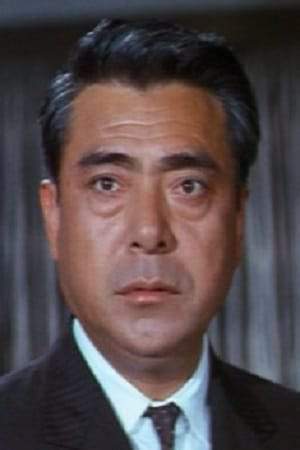
Meet the Full Cast and Actors of Tokyo File 212
Explore the complete cast of Tokyo File 212, including both lead and supporting actors. Learn who plays each character, discover their past roles and achievements, and find out what makes this ensemble cast stand out in the world of film and television.

External Links and Streaming Options
Discover where to watch Tokyo File 212 online, including streaming platforms, rental options, and official sources. Compare reviews, ratings, and in-depth movie information across sites like IMDb, TMDb, Wikipedia or Letterboxd.





Take the Ultimate Tokyo File 212 Movie Quiz
Challenge your knowledge of Tokyo File 212 with this fun and interactive movie quiz. Test yourself on key plot points, iconic characters, hidden details, and memorable moments to see how well you really know the film.
Tokyo File 212: A 1951 Cold War thriller set in post‑war Japan where U.S. intelligence officer Jim Carter navigates a web of spies, betrayals, and political intrigue to stop a dangerous plot.
What cover identity does Jim Carter use while operating in Japan?
Full Plot Summary and Ending Explained for Tokyo File 212
Read the complete plot summary of Tokyo File 212, including all major events, twists, and the full ending explained in detail. Explore key characters, themes, hidden meanings, and everything you need to understand the story from beginning to end.
The film opens with the thunderous blast of a bomb, a jolt that quickly gives way to a quieter, more intricate puzzle set a few days earlier. Jim Carter is a U.S. intelligence operative styled as a National Weekly Indicator journalist, sent to Japan to track down Taro Matsuto, a man rumored to be aiding Communist elements. Matsuto isn’t just a target; he’s also a college friend of Carter, which adds a personal tension to the mission. In a dimly lit hotel, Carter crosses paths with the enigmatic Steffi Novak, a multilingual woman who can speak six languages and who insists on tagging along. Together they are ushered into a bar by Joe, an undercover operative posing as a taxi driver, setting the stage for a web of partial truths and tangled loyalties. Carter tries to approach Taro, but the younger man remains wary and distant, making him seem almost unreachable. A telegram summons Carter to Enoshima island, where he encounters Matsudo, the fatherly government official who hints at a painful history—Matsudo once dreamed of becoming a kamikaze pilot, but the surrender of Japan during World War II pushed him toward the Communists. The revelation lands with a heavy stamp of disillusionment, painting the stakes in sharper relief.
Back at his hotel, Carter is ambushed by a group of Japanese men who warn him to stay away from Taro, their message delivered with blunt force. The threat intensifies as Steffi’s path crosses Oyama, a powerful figure who promises her a reunion with her sister in North Korea—if she agrees to spy on Carter. She accepts, though she’s secretly unaware that her sister’s fate is far darker than she realizes. To further the spy game, Steffi and Carter attend an enkai at a resort in Atami, where the terms of trust grow murkier by the minute. Carter begins to suspect that the food he’s offered is poisoned, a chilling reminder of how perilous this mission has become. Somehow he survives the ordeal and heads next to Tokyo’s famed Takarazuka Theater, where he meets Namiko, Namiko, who holds crucial information about Taro. The encounter pays off with a cascade of new details about Taro’s circle, and as Carter departs, Namiko is suddenly abducted and dumped from a moving car, her injuries sending shockwaves through everyone who cares about her. Namiko’s hospitalization deepens the rift around Taro, who rushes to her side but insists his organization bears no responsibility for the accident.
Carter’s investigation crescendos when he corners Steffi, arresting her after gathering enough evidence of her spying. She credibly reveals that her sister’s death was ordered by Oyama, a revelation that ignites Steffi’s determination to exact revenge and to aid Carter in bringing the real culprits to justice. This newfound alliance compounds Oyama’s perilous calculus: he schemes to provoke a railroad strike to cripple wartime logistics and draw attention away from his darker schemes. The tension erupts on the rails as Matsudo and Taro each take the stage to address the workers, their speeches swelling into a chaotic brawl that lands several people in trouble, including Matsudo himself. The Tokyo Metropolitan Police intervene and restore order, but the fallout deepens the chasm between the protagonists and their enemies. Namiko, scarred by the ordeal, remains a symbol of the high personal cost of political machinations.
As the plot threads tighten, Namiko’s hospital stay becomes a grim reminder of the stakes involved, while Oyama’s plan to kill Carter, Steffi, and Matsudo with a time bomb moves forward. In a daring gambit, Taro sacrifices himself to divert the danger away from the waiting bench where the bomb lies, a gesture that buys time for the others to close ranks with the police. Carter reaches Oyama’s office just as the place is surrounded, and Oyama finally confesses his crimes, a moment of relief shadowed by the violent repercussions that follow—Oyama’s loyal lieutenant turns on him, stabbing him before a final, fatal shot ends the power struggle. With the threat neutralized, Carter returns to the United States, their mission concluded, and Steffi Novak and Matsudo present at the departure to bid him farewell, bearing the weight of the ordeal they endured and the uncertain future ahead.

Coming soon on iOS and Android
The Plot Explained Mobile App
From blockbusters to hidden gems — dive into movie stories anytime, anywhere. Save your favorites, discover plots faster, and never miss a twist again.
Sign up to be the first to know when we launch. Your email stays private — always.
Explore the mobile appDiscover Film Music Concerts Near You – Live Orchestras Performing Iconic Movie Soundtracks
Immerse yourself in the magic of cinema with live orchestral performances of your favorite film scores. From sweeping Hollywood blockbusters and animated classics to epic fantasy soundtracks, our curated listings connect you to upcoming film music events worldwide.
Explore concert film screenings paired with full orchestra concerts, read detailed event information, and secure your tickets for unforgettable evenings celebrating legendary composers like John Williams, Hans Zimmer, and more.


Cars Featured in Tokyo File 212
Explore all cars featured in Tokyo File 212, including their makes, models, scenes they appear in, and their significance to the plot. A must-read for car enthusiasts and movie buffs alike.
Tokyo File 212 Themes and Keywords
Discover the central themes, ideas, and keywords that define the movie’s story, tone, and message. Analyze the film’s deeper meanings, genre influences, and recurring concepts.
Tokyo File 212 Other Names and Titles
Explore the various alternative titles, translations, and other names used for Tokyo File 212 across different regions and languages. Understand how the film is marketed and recognized worldwide.
Similar Movies To Tokyo File 212 You Should Know About
Browse a curated list of movies similar in genre, tone, characters, or story structure. Discover new titles like the one you're watching, perfect for fans of related plots, vibes, or cinematic styles.



Quick Links: Summary, Cast, Ratings, More

What's After the Movie?
Not sure whether to stay after the credits? Find out!
Check out our other apps:

SAT Sphere
Build confidence for the Digital SAT.

Mori Atlas
Discover wild places worth protecting.

Luntero
Search smarter for a home in Amsterdam.

Plot Explained
Unravel movie endings and hidden clues.

Pokechamp
Dive into Pokémon data and battle logic.

Driving Theory
Get ready for your European theory test.

Movie Dust
Plan your next cinema trip with ease.

Musemap
Find art and culture as you travel.

Selkobase
Compare credentials before committing.

Local Manual
Turn an unfamiliar country into practical next steps.

Lernavi
Compare school systems before your next move.

GymRoam
Find a workout stop wherever your plans take you.
Explore Our Movie Platform
New Movie Releases (2026)
Famous Movie Actors
Top Film Production Studios
Movie Plot Summaries & Endings
Major Movie Awards & Winners
Best Concert Films & Music Documentaries
Movie Collections and Curated Lists
© 2026 What's After the Movie. All rights reserved.
Privacy Policy