Titan: The OceanGate Disaster 2025


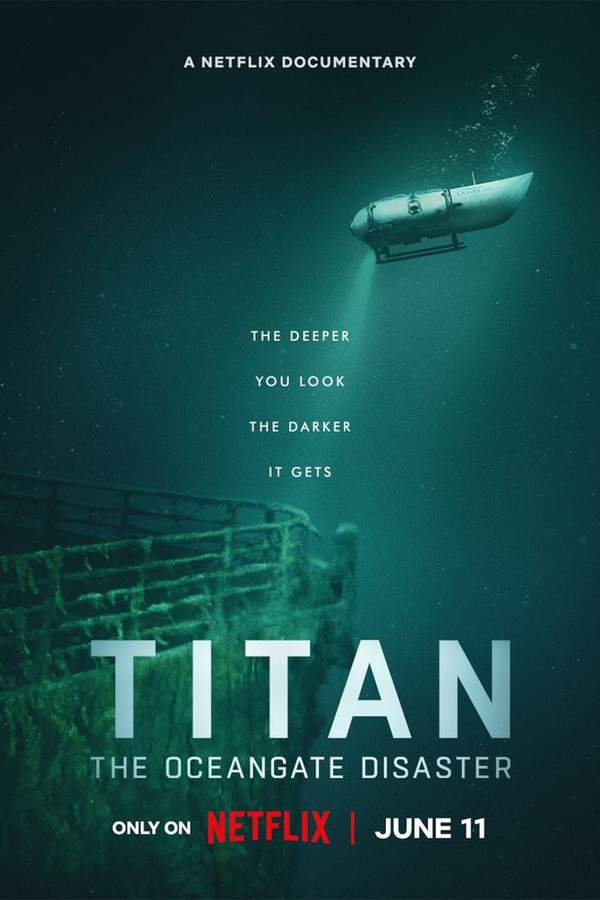
This documentary explores the events surrounding the Titan submersible's tragic voyage to the Titanic wreckage in June 2023, which captured global attention. It examines the story of OceanGate CEO Stockton Rush and his ambition to pioneer innovative underwater exploration. The film delves into the circumstances of the doomed expedition and its impact, raising questions about risk, innovation, and the pursuit of extreme adventures.


Does Titan: The OceanGate Disaster have end credit scenes?
No!
Titan: The OceanGate Disaster does not have end credit scenes. You can leave when the credits roll.
Where to Watch Titan: The OceanGate Disaster
See current US streaming, rental, and purchase options for Titan: The OceanGate Disaster (2025) via JustWatch.


Streaming availability powered by 
Meet the Full Cast and Actors of Titan: The OceanGate Disaster
Explore the complete cast of Titan: The OceanGate Disaster, including both lead and supporting actors. Learn who plays each character, discover their past roles and achievements, and find out what makes this ensemble cast stand out in the world of film and television.
No actors found
External Links and Streaming Options
Discover where to watch Titan: The OceanGate Disaster online, including streaming platforms, rental options, and official sources. Compare reviews, ratings, and in-depth movie information across sites like IMDb, TMDb, Wikipedia or Rotten Tomatoes.







Ratings and Reviews for Titan: The OceanGate Disaster
See how Titan: The OceanGate Disaster is rated across major platforms like IMDb, Metacritic, and TMDb. Compare audience scores and critic reviews to understand where Titan: The OceanGate Disaster stands among top-rated movies in its genre.

The Movie Echo Score
In Titan: The OceanGate Disaster, the film’s comprehensive overview stands out for its thorough investigative framing, though it occasionally feels overly familiar. Critics and viewers alike note the film’s exhaustive detailing of technical elements alongside a sense of impending dread, creating a balanced yet forensic tone. While the candid interviews convey emotional gravity, some pacing issues and lack of new insights temper its impact. Overall, the documentary offers an informative cautionary tale with solid depth.
The Movie Echo Score Breakdown for Titan: The OceanGate Disaster

Art & Craft
In terms of art and craft, Titan employs a precise visual language that underscores its investigative approach. Critics highlight the vivid underwater imagery and clear production design, though the editing occasionally leans toward a methodical, forensic rhythm. Pacing inconsistencies emerge during extended introductions, yet the cinematography conveys the ocean’s mystery with clarity. The overall aesthetic delivers a competent but restrained presentation.

Character & Emotion
When it comes to character and emotion, the documentary succeeds in portraying personal stakes through candid interviews and testimony. Commentators praise the film’s ability to convey human cost, emphasizing moving reflections on loss and accountability. The depth of individual perspectives, especially the CEO’s decisions and crew reservations, fosters engagement. However, some observers note limited exploration beyond the principal figures. The result is an emotionally resonant yet narrowly scoped examination.

Story & Flow
In terms of story and flow, Titan crafts a clear chronological account of events leading to the tragedy. Many reviews applaud the coherent narrative structure and the palpable tension of impending doom. Yet some find the pacing uneven, with prolonged setup segments that dilute momentum after key revelations. The balance of technical exposition and human drama remains intact, resulting in an informative but occasionally protracted storyline.

Sensory Experience
When reviewing the sensory experience, the documentary’s visual presentation and sound design earn consistent praise for clarity and cohesion. Viewers highlight the immersive underwater footage and measured use of soundtrack that underscores tension without overwhelming. While some note the absence of dramatic scoring choices, the film maintains a coherent auditory environment that supports its investigative tone. The overall sensory approach is polished yet restrained.

Rewatch Factor
As for rewatch value, the documentary offers valuable background but may not encourage repeated viewings. The thorough exploration of technical details and cautionary themes provides insight, yet the familiar narrative and methodical pace lessen its lasting appeal. Some viewers appreciate the reinforced context upon subsequent viewings, but others find limited novelty. Consequently, the film presents modest replay value for documentary enthusiasts.

58
Metascore
7.0
User Score


%
TOMATOMETER

0%
User Score

6.7 /10
IMDb Rating
Take the Ultimate Titan: The OceanGate Disaster Movie Quiz
Challenge your knowledge of Titan: The OceanGate Disaster with this fun and interactive movie quiz. Test yourself on key plot points, iconic characters, hidden details, and memorable moments to see how well you really know the film.
Titan: The OceanGate Disaster Quiz: Test your knowledge of the events, people, and technical details surrounding the 2023 Titan submersible tragedy as presented in the documentary.
On what date did the Titan submersible implode during its expedition?
Full Plot Summary and Ending Explained for Titan: The OceanGate Disaster
Read the complete plot summary of Titan: The OceanGate Disaster, including all major events, twists, and the full ending explained in detail. Explore key characters, themes, hidden meanings, and everything you need to understand the story from beginning to end.
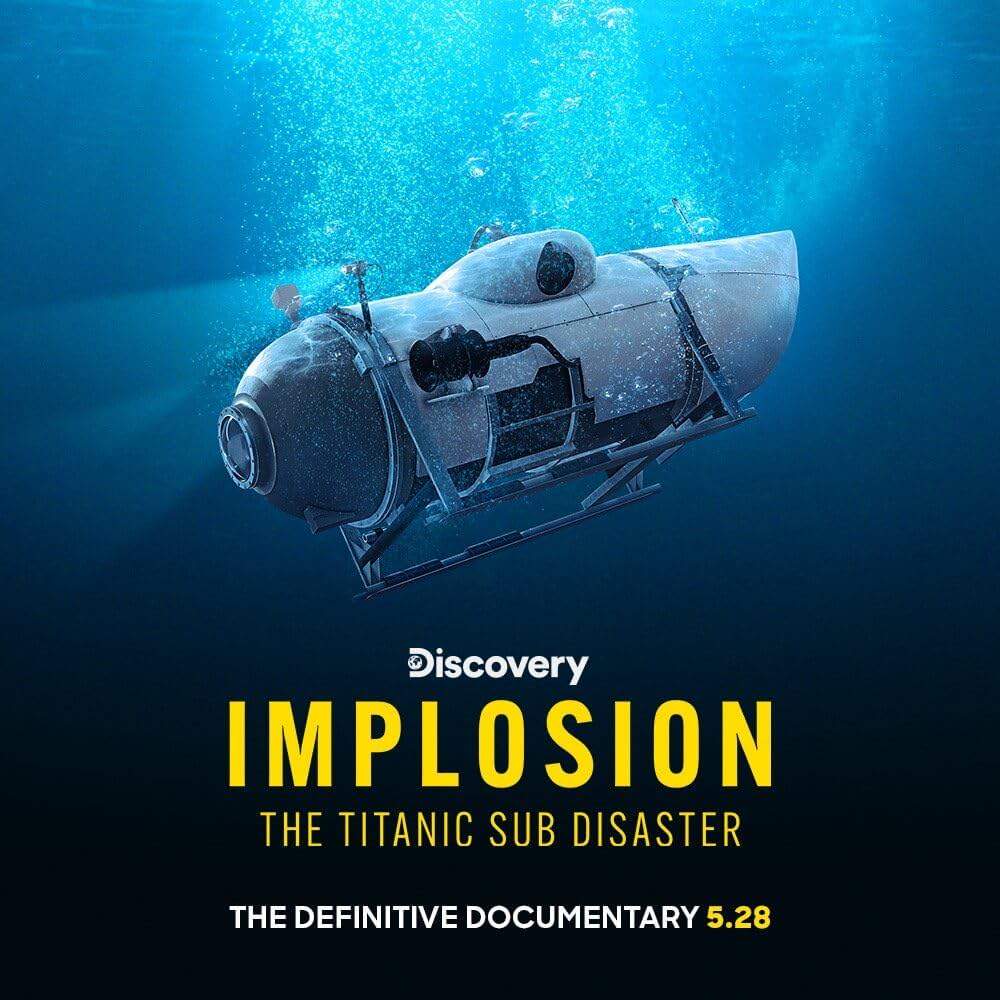
On 18 June 2023, Titan, a submersible operated by OceanGate, imploded during an expedition to the Titanic wreck site in the North Atlantic off Newfoundland, Canada. Aboard were five people: Stockton Rush, the CEO of OceanGate; Paul-Henri Nargeolet, a renowned French deep-sea explorer; Hamish Harding, a British businessman; Shahzada Dawood, a Pakistani-British businessman; and Dawood’s son, Suleman. The film follows not only the tragedy itself but the series of decisions, ambitions, and warnings that preceded it, drawing on whistleblower accounts, archival footage, Coast Guard hearings, internal audio, and numerous interviews to rebuild OceanGate’s evolution and the choices that culminated in disaster.
The investigation and early reporting form a central thread. Former OceanGate employees—including David Lochridge, the former Director of Marine Operations and the primary whistleblower; Emily Hammermeister, an assistant to the lead engineer; and Tony Nissen, the Director of Engineering—provide firsthand perspectives on the ship and its design. Sydney Nargeolet, Paul-Henri’s daughter, offers testimony as a family member touched by the loss, while investigative journalist Mark Harris from Wired contributes context. The film carefully layers these voices to present a portrait of a company under pressure to deliver groundbreaking experiences while contending with deep concerns about safety and process.
Communication and the moment of loss anchor the timeline. Roughly an hour and a half into the dive, Titan lost contact with its mother ship, MV Polar Prince. As authorities mobilized, the initial fear focused on a dwindling air supply, and a Coast Guard aircraft picked up sounds tied to the search area. After four grueling days, a remotely operated vehicle (ROV) uncovered a debris field near the Titanic, about 500 meters from the bow. The broader search area was informed by naval sonar detecting an acoustic signature consistent with an implosion around the time communications ceased, indicating the pressure hull failed during descent and that all five occupants died instantly.
The official findings frame the broader lesson. The U.S. Coast Guard’s investigation concluded the tragedy was preventable, pinpointing OceanGate’s failure to adhere to established engineering protocols for safety, testing, and maintenance of their submersible. The report also highlighted long-standing practices within the company—intimidation tactics, a permissive approach to scientific work, and a reputation that helped curb regulatory scrutiny. Taken together, these elements cast a stark light on how ambition and a culture of risk can overwhelm rigorous safety standards.
The film digs into the business case, design choices, and mounting tensions. Stockton Rush conceived Titan to commercialize deep-sea exploration, starting with voyages to the Titanic as early as 2011–2018, with ticket prices around six figures. The hull’s carbon fiber design promised lighter weight and lower operating costs but carried serious depth-related risks, especially under the immense pressures of thousands of meters underwater. Early plans featured a partnership with Boeing on a carbon fiber hull, but the collaboration ended after test results signaled a high risk of failure well before Titanic depths.
When Boeing stepped away, OceanGate pushed ahead with in-house engineering. Rush often controlled critical technical decisions, even when concerns were raised by others. A test dive in Cyclops 1, aimed at the Andrea Doria wreck, saw Rush replace the designated pilot at the last moment and proceed into a debris-strewn field, a moment that underscored the precarious balance between leadership risk-taking and crew safety. Lochridge voiced specific worries about the hull and the need for independent inspection and certification, but those concerns sparked anger from Rush, who reacted defensively and sometimes shifted blame.
Whistleblowers and safety data reveal a troubled pattern. Lochridge’s detailed risk report was met with resistance, followed by his departure and later a legal fight with OceanGate over whistleblower protections and labor claims. He eventually faced governmental and legal scrutiny, with results that pointed to insufficient protection for whistleblowers and slow regulatory action. Emily Hammermeister witnessed testing sessions in the Bahamas where the Titan attempted a 4000-meter depth, and a crack, accompanied by loud popping noises at depth, suggested a fragile hull. Despite warnings, development continued, with attempts to refine the hull through multiple iterations and a timeline stretched by COVID-19 disruptions.
The narrative returns to performance and public perception. In 2022, as OceanGate opened up about its operations to the press, the film presents a picture of a safety culture that could be seen as obsessive and defiant, especially given Rush’s role as pilot on many dives and the involvement of Paul-Henri Nargeolet, whose decades of Titanic exploration lent credibility to the project. The crew’s complicated dynamics—earlier tensions, shifting responsibilities, and the pressure to demonstrate success—are shown against the backdrop of mounting technical concerns and a growing disconnect between ambition and verifiable safety.
Ultimately, the film presents a layered, cautionary account. It juxtaposes the awe of deep-sea exploration with the stark realities of engineering risk, corporate pressure, and the human cost of decisions made in pursuit of a vision. Through each interview, archival clip, and investigative detail, the narrative invites viewers to weigh the allure of groundbreaking adventure against the imperative of rigorous safety, transparent testing, and accountability—lessons that extend far beyond a single expedition and into the broader world of extreme exploration.

Coming soon on iOS and Android
The Plot Explained Mobile App
From blockbusters to hidden gems — dive into movie stories anytime, anywhere. Save your favorites, discover plots faster, and never miss a twist again.
Sign up to be the first to know when we launch. Your email stays private — always.
Explore the mobile appWatch Trailers, Clips & Behind-the-Scenes for Titan: The OceanGate Disaster
Watch official trailers, exclusive clips, cast interviews, and behind-the-scenes footage from Titan: The OceanGate Disaster. Dive deeper into the making of the film, its standout moments, and key production insights.
Titan: The OceanGate Disaster Themes and Keywords
Discover the central themes, ideas, and keywords that define the movie’s story, tone, and message. Analyze the film’s deeper meanings, genre influences, and recurring concepts.
Titan: The OceanGate Disaster Other Names and Titles
Explore the various alternative titles, translations, and other names used for Titan: The OceanGate Disaster across different regions and languages. Understand how the film is marketed and recognized worldwide.
Similar Movies To Titan: The OceanGate Disaster You Should Know About
Browse a curated list of movies similar in genre, tone, characters, or story structure. Discover new titles like the one you're watching, perfect for fans of related plots, vibes, or cinematic styles.


Quick Links: Summary, Cast, Ratings, More

What's After the Movie?
Not sure whether to stay after the credits? Find out!
Check out our other apps:

SAT Sphere
Build confidence for the Digital SAT.

Mori Atlas
Discover wild places worth protecting.

Luntero
Search smarter for a home in Amsterdam.

Plot Explained
Unravel movie endings and hidden clues.

Pokechamp
Dive into Pokémon data and battle logic.

Driving Theory
Get ready for your European theory test.

Movie Dust
Plan your next cinema trip with ease.

Musemap
Find art and culture as you travel.

Selkobase
Compare credentials before committing.

Local Manual
Turn an unfamiliar country into practical next steps.

Lernavi
Compare school systems before your next move.

GymRoam
Find a workout stop wherever your plans take you.
Explore Our Movie Platform
New Movie Releases (2026)
Famous Movie Actors
Top Film Production Studios
Movie Plot Summaries & Endings
Major Movie Awards & Winners
Best Concert Films & Music Documentaries
Movie Collections and Curated Lists
© 2026 What's After the Movie. All rights reserved.
Privacy Policy