
Three Lives and Only One Death (1996): Cast, Box Office & Plot
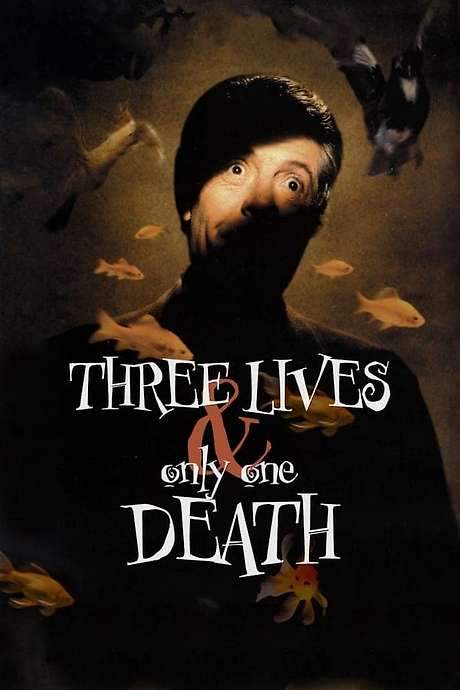
Three Lives and Only One Death is a 1996 mystery comedy directed by Raúl Ruiz, starring Pierre Bellemare as Radio Narrator, Marcello Mastroianni and Féodor Atkine. It runs 2 hours 3 minutes and earned $378 worldwide.
- Released
- Runtime
- 2h 3m (123 min)
- Director
- Raúl Ruiz
- Original language
-
 French
 - Studio
- Gemini Films
- After the credits
- No No extra scene
What Is Three Lives and Only One Death About?
The premise of Three Lives and Only One Death without spoilers. The whole story is in the plot summary further down.
Four interwoven vignettes set in Paris showcase uncanny events: a man mysteriously abducted by fairies, a professor reduced to a wandering tramp, a pair of lovers who inherit an eerie chateau, and a final story that weaves together the preceding threads, revealing how each oddity impacts the others.
Three Lives and Only One Death Themes & Keywords
· 50 tags- reference to don juan
- university professor
- split screen
- stuttering
- stutterer
- begging
- actor playing multiple roles
- multiple personality
- death of mother
- reference to carlos castaneda
- imaginary friend
- multiple selves
+38 more Show fewer
- voice over
- little boy
- boy
- businessman
- businesswoman
- sleepwalker
- dream sequence
- knocked unconscious
- pet snake
- pervert
- mental illness
- older woman younger man relationship
- swinging couple
- young couple in love
- annoyed neighbor
- sex with neighbor
- next door neighbor
- neighbor neighbor relationship
- prostitute
- dissociative identity disorder
- multiple personality disorder
- mental disorder
- homelessness
- cemetery
- cemetery by night
- cameo
- radio show
- ex husband ex wife relationship
- mirror
- mirror does not reflect reality
- hit on the head with a hammer
- smashed skull
- several lives
- death in title
- burying a dead body
- bell ringing
- real life father and daughter playing father and daughter
- radio presenter
Three Lives and Only One Death Cast & Characters
Pierre Bellemare leads the cast as Radio Narrator, with Marcello Mastroianni as Mateo Strano / Georges Vickers / Butler / Luc Allamand and Féodor Atkine as André. Directed by Raúl Ruiz; 34 actors are credited in all.
- Director Raúl Ruiz
- Pierre Bellemare as Radio Narrator
-
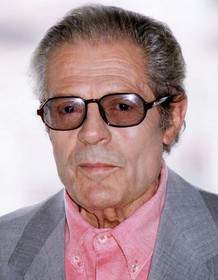 Marcello Mastroianni as Mateo Strano / Georges Vickers / Butler / Luc Allamand
 -
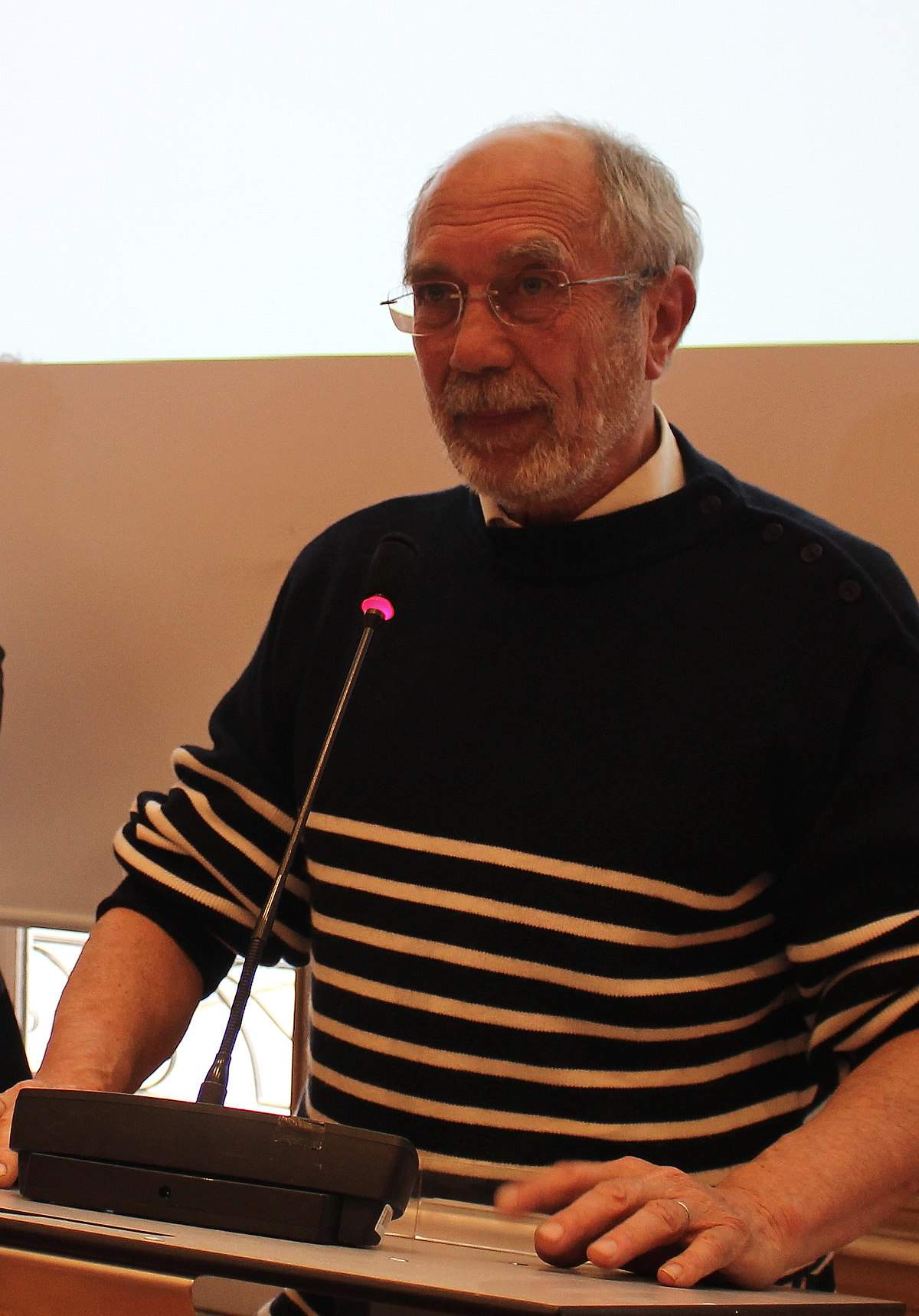 Féodor Atkine as André
 -
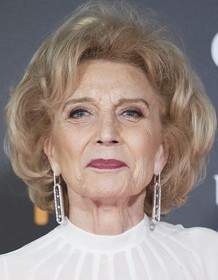 Marisa Paredes as Maria
Also Starring in Three Lives and Only One Death
· 30 more- Anna Galiena Maria Gabri - Colosso "Tania la Corse"
- Melvil Poupaud Martin
- Chiara Mastroianni Cecile
- Guillaume de Tonquédec Piotr
- Smaïn Luca
- Jean-Yves Gautier Mario
- Monique Mélinand Madame Vickers
- Bastien Vincent Carlito
- Julien Vialon Barman
- Lou Castel Bum #1
- Arielle Dombasle Helene
- Marilyne Canto
- Nanni Moretti
- Agathe Bonitzer
- Pascal Bonitzer
- Jean Badin Antoine José
Show all 34 cast members Show fewer cast members
Three Lives and Only One Death Plot Summary
What happens in Three Lives and Only One Death from start to finish, spoilers included, with a timeline of 14 key events. The opening is below; the full summary is a 7-minute read.
Spoilers ahead
Pierre Bellemare, Pierre Bellemare a French radio personality, appears to recount four strange, seemingly non-coexisting tales that weave together the intricate pattern of Three Lives and Only One Death. The framing device anchors the film as a layered, almost ritualistic storytelling exercise, where each tale mirrors and refracts the others, creating a kaleidoscope of desire, time, fate, and identity.
Full summary
The whole story of Three Lives and Only One Death, scene by scene
Three Lives and Only One Death Box Office
Three Lives and Only One Death grossed $378 worldwide.
Worldwide gross
$378
- International
- $378
How Well Do You Know Three Lives and Only One Death?
10 questions about the story, each with a hint if you get stuck. Pick an answer to see whether you were right.
Question 1 of 10
- Question 1: not answered
- Question 2: not answered
- Question 3: not answered
- Question 4: not answered
- Question 5: not answered
- Question 6: not answered
- Question 7: not answered
- Question 8: not answered
- Question 9: not answered
- Question 10: not answered
Which actor portrays the character Matteo Strano, who offers Andre champagne and 1000 francs to hear his story?
Three Lives and Only One Death Also Known As
14 alternative titles, including “Trois vies & une seule mort” and “Tre vite e una morte sola”.
- Also known as
-
- Trois vies & une seule mort
- Tre vite e una morte sola
- Tre vite e una sola morte
- Drei Leben und ein Tod
- Három élet, egy halál
- Tres vidas y una sola muerte
- Три живота и една смърт
- Três Vidas & Uma Só Morte
- Три жизни и одна смерть
- Tre liv och bara en död
- Trzy życia, jedna śmierć
- 三生一死
+2 more Show fewer
- 세 번의 삶과 한 번의 죽음
- Tři životy a jen jedna smrt
Seen Three Lives and Only One Death?
Movies Like Three Lives and Only One Death
Films with a similar story, tone or audience, including Three Cases of Murder, 3 Women and Three Stories.
-
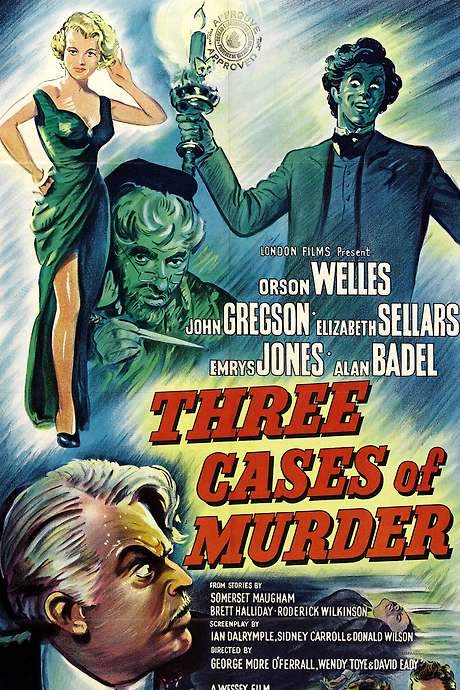 Three Cases of Murder 1954
 -
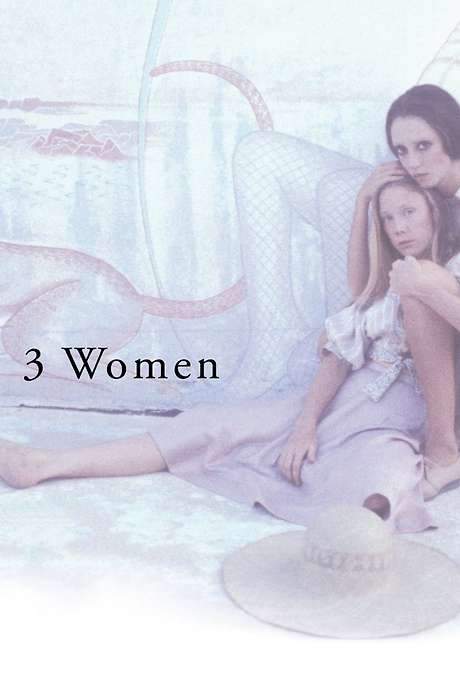 3 Women 1977
 -
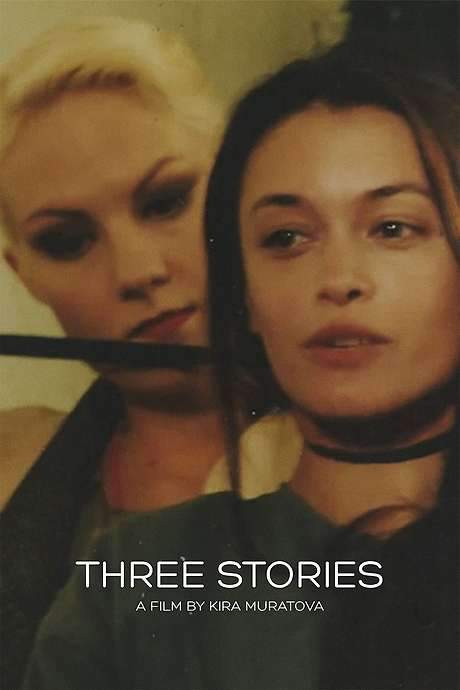 Three Stories 1997
 -
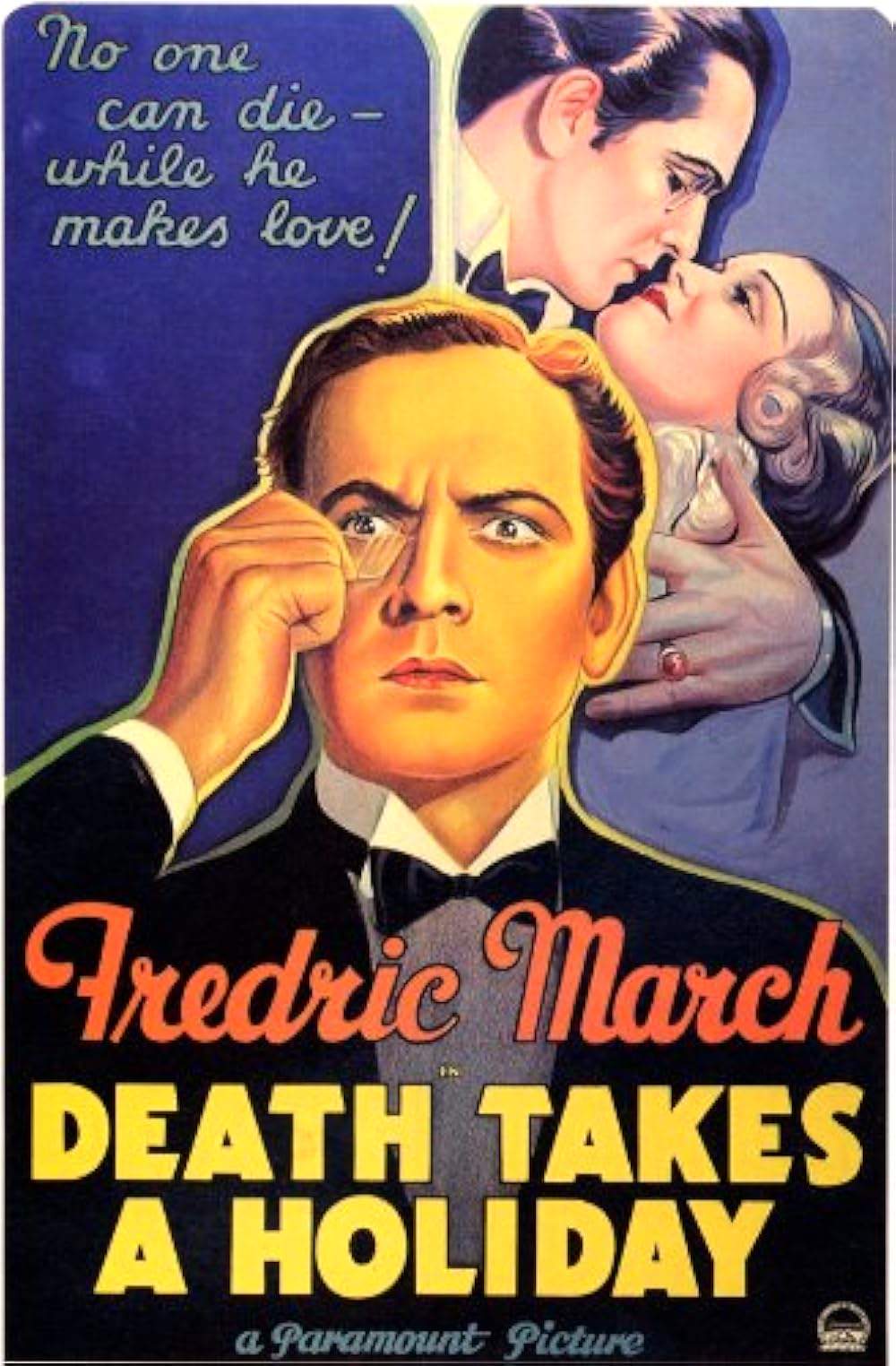 Death Takes a Holiday 1934
 -
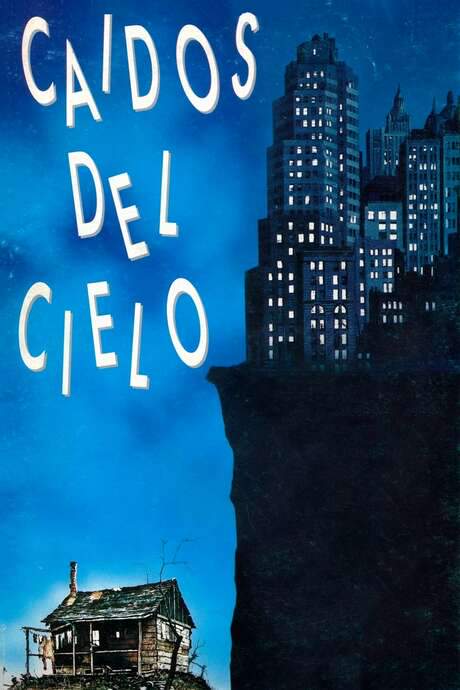 Fallen from Heaven 1990
 -
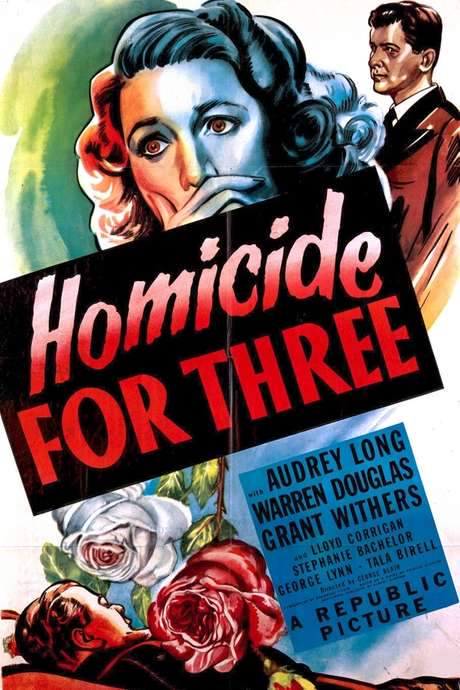 Homicide for Three 1948
 -
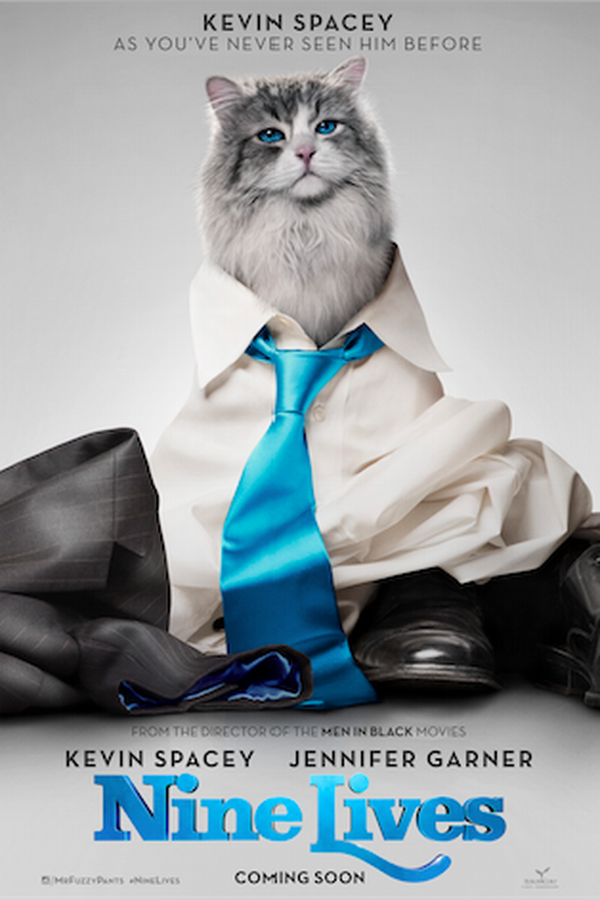 Nine Lives 2005
 -
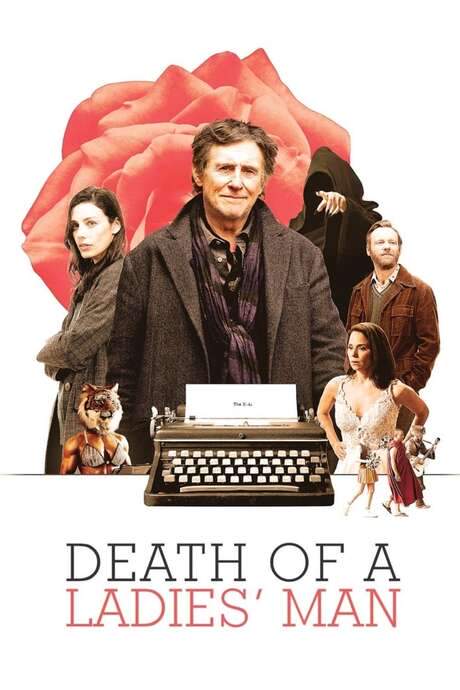 Death of a Ladies’ Man 2020
 -
 Three Strangers 1946
 -
 Don’t Die Without Telling Me Where You’re Going 1995
 -
 Three Days and a Life 2019
 -
 Midnight in Paris 1942
Three Lives and Only One Death FAQ: Cast & Box Office
Runtime, release date, director, cast, box office, post-credit scenes and language of Three Lives and Only One Death, each answered in a sentence.
How long is Three Lives and Only One Death?
Three Lives and Only One Death runs 2 hours 3 minutes (123 minutes).
When was Three Lives and Only One Death released?
Three Lives and Only One Death was released on May 15, 1996.
Who directed Three Lives and Only One Death?
Three Lives and Only One Death was directed by Raúl Ruiz.
More films by Raúl Ruiz Who is in the cast of Three Lives and Only One Death?
Three Lives and Only One Death stars Pierre Bellemare as Radio Narrator, Marcello Mastroianni as Mateo Strano / Georges Vickers / Butler / Luc Allamand and Féodor Atkine as André, among 34 credited actors.
How much did Three Lives and Only One Death make at the box office?
Three Lives and Only One Death grossed $378 worldwide.
Does Three Lives and Only One Death have a post-credit scene?
No. Three Lives and Only One Death has no extra scene during or after the credits.
What language is Three Lives and Only One Death in?
The original language of Three Lives and Only One Death is French.
Coming soon to your phone
The Plot Explained Movie Summary App
From blockbusters to hidden gems: plot summaries, endings explained and timelines on your phone. Save your favorites and never miss a twist again.
Be the first to know when it launches. Your email stays private, always. Learn more about the app
