The Pedestrian 1973


After a German businessman causes a fatal car crash, investigative journalists probe his history, seeking hidden scandals. Their digging uncovers his involvement in World II activities in Greece, forcing him to confront and reassess the moral choices he made during that period.

Does The Pedestrian have end credit scenes?
No!
The Pedestrian does not have end credit scenes. You can leave when the credits roll.
Meet the Full Cast and Actors of The Pedestrian
Explore the complete cast of The Pedestrian, including both lead and supporting actors. Learn who plays each character, discover their past roles and achievements, and find out what makes this ensemble cast stand out in the world of film and television.

Peggy Ashcroft
Lady Gray

Johanna Hofer
Frau Bergedorf
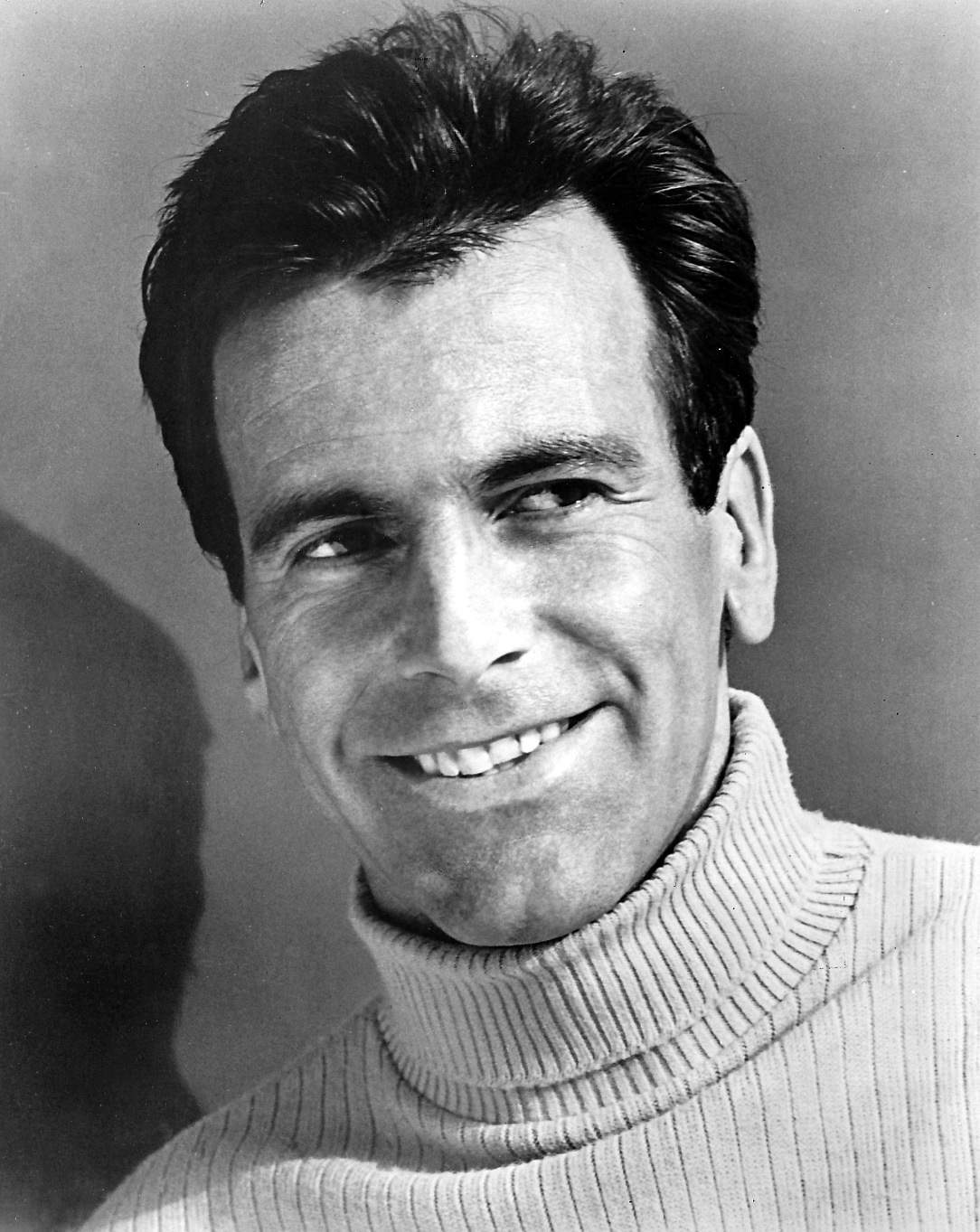
Maximilian Schell
Andreas Giese
Peter Hall
Rudolf Hartmann
Lil Dagover
Frau Eschenlohr
Christian Kohlund
Erwin Gotz
Walter Kohut
Dr. Rolf Meineke
Gila von Weitershausen
Karin
Sigfrit Steiner
Alexander May
Alexander Markowitz
Käthe Haack
Frau von Rautenfeld
Elisabeth Bergner
Frau Lilienthal
Françoise Rosay
Frau Dechamps
Ruth Hausmeister
Inge Marie Giese
Angela Salloker
Herbert Mensching
Reporter
Margarete Schell-von Noé
Frau Buchmann
External Links and Streaming Options
Discover where to watch The Pedestrian online, including streaming platforms, rental options, and official sources. Compare reviews, ratings, and in-depth movie information across sites like IMDb, TMDb, Wikipedia or Letterboxd.




Full Plot Summary and Ending Explained for The Pedestrian
Read the complete plot summary of The Pedestrian, including all major events, twists, and the full ending explained in detail. Explore key characters, themes, hidden meanings, and everything you need to understand the story from beginning to end.
A tabloid newspaper launches a careful, relentless probe into the life of industrialist and state parliament member Heinz Alfred Giese after a car accident that results in the death of his son Andreas, Maximilian Schell. Although a case for negligent homicide is dropped when evidence suggests Andreas interfered with the steering wheel, Giese loses his driver’s license and is ordered to attend traffic lessons. Sensing a brewing scandal, the paper digs deeper into Giese’s past, seeking any hint that could connect him to reputational damage or hidden motives.
From the newsroom to the street, the journalists shadow Giese through a series of everyday moments that feel loaded with meaning. They document a visit to the Natural History Museum with his grandson, a discreet rendezvous with a lover, and his attendance at a class, weaving these routine scenes into a larger narrative about a man who may be more complicated than his public persona suggests. They lurk outside his home, photograph his comings and goings, and even break in to steal a youthful photograph, each intrusion feeding the sense that Giese’s life is a tapestry of secrets waiting to unravel. As this surveillance unfolds, whispers begin to turn toward wartime actions, with insinuations about Giese’s possible involvement in the liquidation of a Greek village. Yet the incriminating photos do not conclusively prove his direct participation, leaving viewers to weigh doubt against the weight of rumor.
Despite the lack of solid evidence, the newspaper publishes a provocative article that hints at a connection between Giese and the massacre, provoking immediate public outrage. Riots erupt outside Giese’s company, and the man himself is branded a “murderer” by the press, a label that sticks despite the lack of incontrovertible proof. Giese secures a defamation injunction, but a televised discussion surrounding the case intensifies the scrutiny; his silence on air is interpreted by many as an admission of guilt. The report also speculates on a possible link between Andreas’ death and disputes over Giese’s past, deepening the sense that a shadow lingers over the family’s name.
When Giese returns home, he confides in his son, urging him to put the past behind them and to avoid letting history tarnish what remains of their family’s reputation. The narrative threads together the personal with the public, showing how a single tragedy can become a focal point for media frenzy, political intrigue, and a society eager to assign blame. Throughout, the film remains cautious and measured, resisting sensationalism while still probing the consequences of a life lived under intense scrutiny. The tension between truth and rumor, accountability and reputation, threads through every scene, inviting viewers to consider how much of what is reported is fact, and how much is the myth built by the press in pursuit of a story.

Coming soon on iOS and Android
The Plot Explained Mobile App
From blockbusters to hidden gems — dive into movie stories anytime, anywhere. Save your favorites, discover plots faster, and never miss a twist again.
Sign up to be the first to know when we launch. Your email stays private — always.
Explore the mobile appDiscover Film Music Concerts Near You – Live Orchestras Performing Iconic Movie Soundtracks
Immerse yourself in the magic of cinema with live orchestral performances of your favorite film scores. From sweeping Hollywood blockbusters and animated classics to epic fantasy soundtracks, our curated listings connect you to upcoming film music events worldwide.
Explore concert film screenings paired with full orchestra concerts, read detailed event information, and secure your tickets for unforgettable evenings celebrating legendary composers like John Williams, Hans Zimmer, and more.


The Pedestrian Themes and Keywords
Discover the central themes, ideas, and keywords that define the movie’s story, tone, and message. Analyze the film’s deeper meanings, genre influences, and recurring concepts.
The Pedestrian Other Names and Titles
Explore the various alternative titles, translations, and other names used for The Pedestrian across different regions and languages. Understand how the film is marketed and recognized worldwide.
Similar Movies To The Pedestrian You Should Know About
Browse a curated list of movies similar in genre, tone, characters, or story structure. Discover new titles like the one you're watching, perfect for fans of related plots, vibes, or cinematic styles.



Quick Links: Summary, Cast, Ratings, More

What's After the Movie?
Not sure whether to stay after the credits? Find out!
Check out our other apps:

SAT Sphere
Build confidence for the Digital SAT.

Mori Atlas
Discover wild places worth protecting.

Luntero
Search smarter for a home in Amsterdam.

Plot Explained
Unravel movie endings and hidden clues.

Pokechamp
Dive into Pokémon data and battle logic.

Driving Theory
Get ready for your European theory test.

Movie Dust
Plan your next cinema trip with ease.

Musemap
Find art and culture as you travel.

Selkobase
Compare credentials before committing.

Local Manual
Turn an unfamiliar country into practical next steps.

Lernavi
Compare school systems before your next move.

GymRoam
Find a workout stop wherever your plans take you.
Explore Our Movie Platform
New Movie Releases (2026)
Famous Movie Actors
Top Film Production Studios
Movie Plot Summaries & Endings
Major Movie Awards & Winners
Best Concert Films & Music Documentaries
Movie Collections and Curated Lists
© 2026 What's After the Movie. All rights reserved.
Privacy Policy